





 Portuguese
  English
  Spanish
  4 min of reading
  0 comments


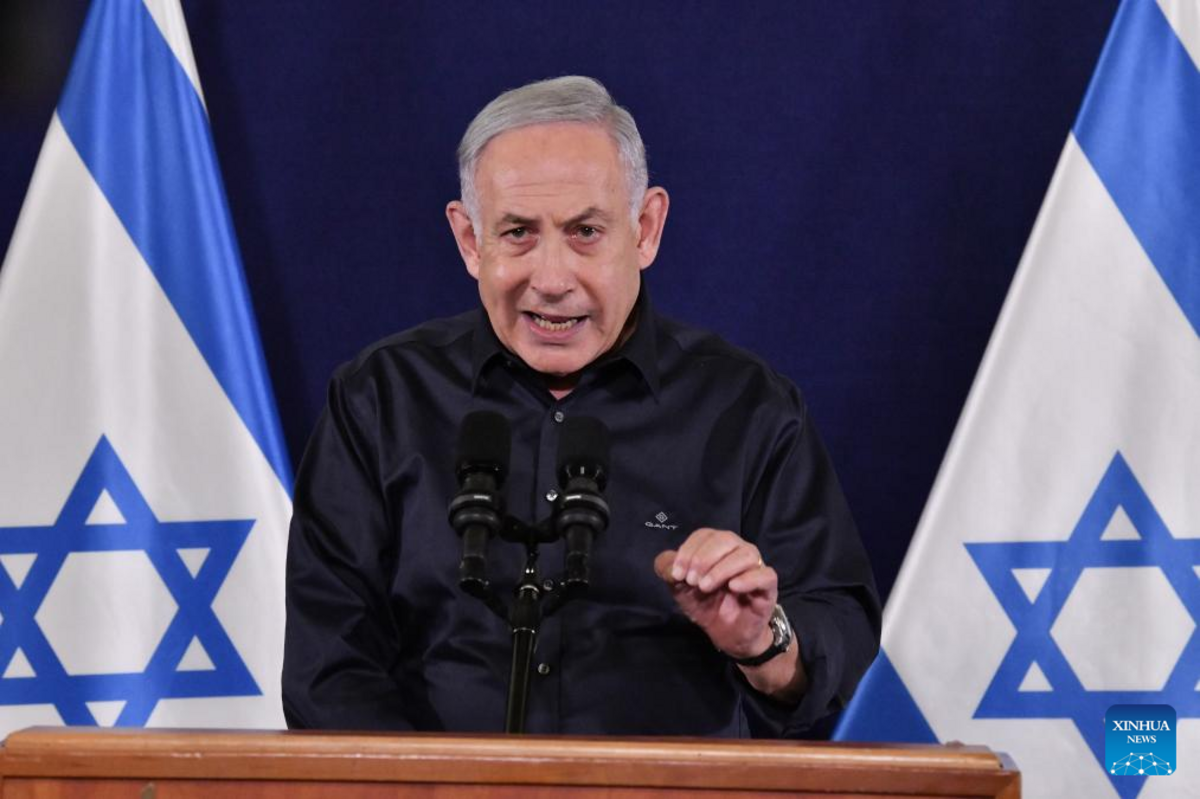
After Israeli Offensive Against Iran, People Stockpile Food and Water, Sirens Sound and Government Declares Emergency. Population Lives in Total Alert Waiting for Retaliation
Israelis are emptying supermarkets this Friday (13) to stock up on food and water. The rush began after an attack by Israel against Iran, which raised fears of an immediate response. The Israeli government declared a state of emergency across the territory.
According to BBC reporter Tom Bennett, the shelves are emptying quickly. Many residents were woken up in the early hours by sirens and cell phone alerts about a “significant threat.” The official guidance was for everyone to stay close to shelters.
Hospitals Release Patients and Blood Drive Begins
The tense atmosphere has taken over the country. Hospitals are releasing patients who are fit to go home. The national emergency system has initiated campaigns for blood donation and transfusion in various cities.
-
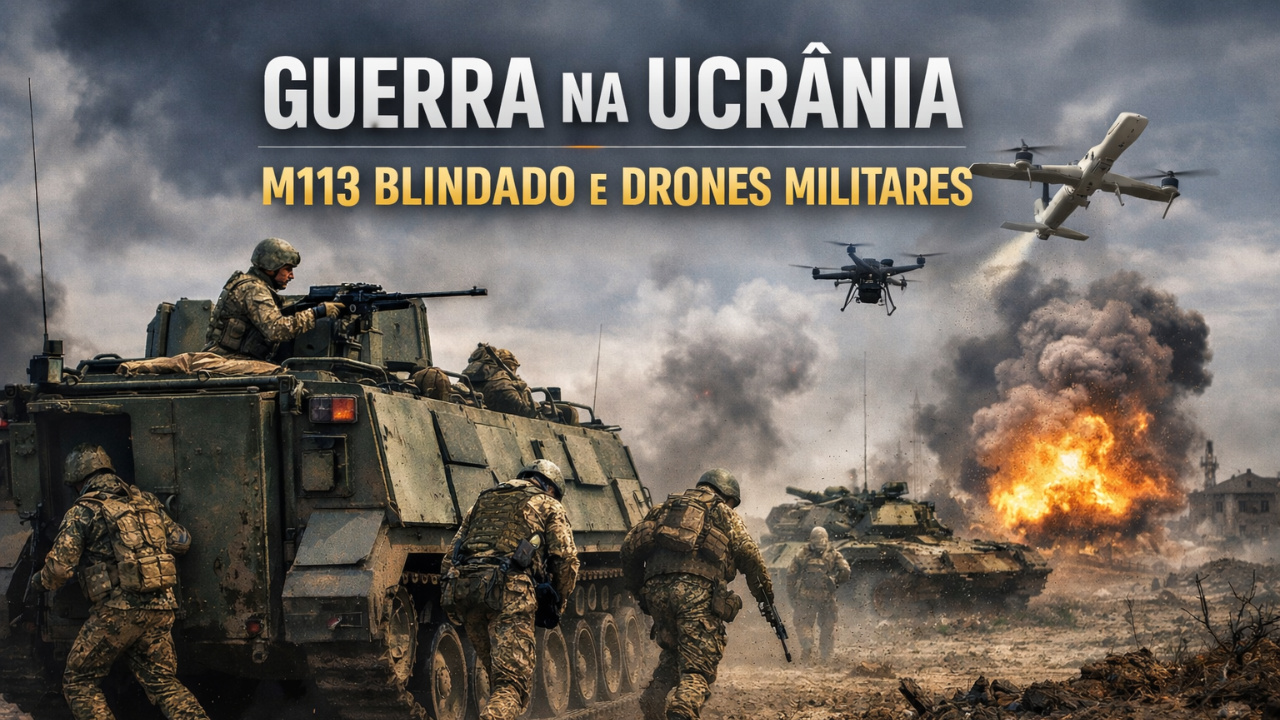
The Ukraine war exposes the strength of the M113 armored vehicle amid modern warfare with military drones.
-
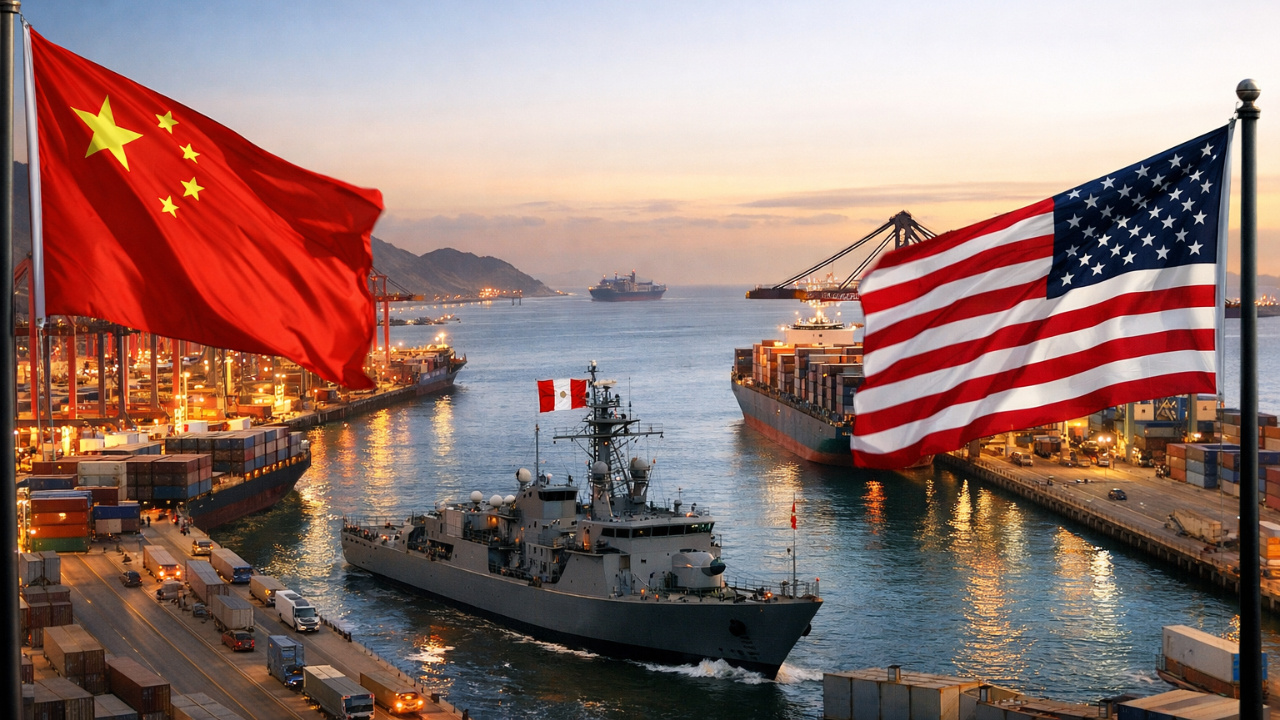
Maritime geopolitics: China and the USA compete for strategic ports in Peru.
-
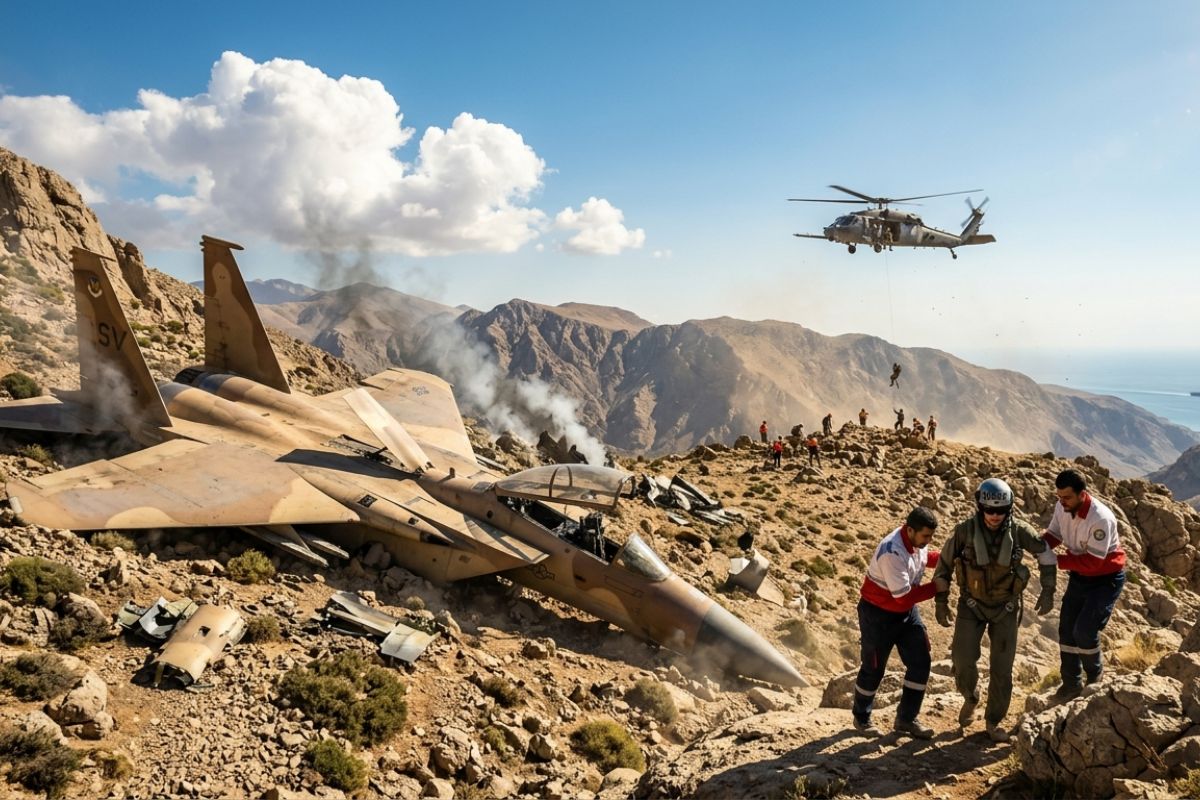
Iran shoots down two US aircraft: F-15 fighter crashes in mountainous area, one crew member is rescued and another is still missing; second crash in the Persian Gulf exposes still active air defense, says US intelligence.
-
USA and China compete for Brazil over resources that could be worth trillions — rare earths put the country at the center of a global dispute


In the West Bank, all Palestinian cities have been put on lockdown. The measure will remain in effect until further notice from the authorities. The blockade is part of a rapid response strategy, given the expectation of retaliation from Iran.
Israeli Attack Killed Iranian Leaders
Israel launched a series of large-scale attacks against Iranian targets in the early hours of this Friday. The Israeli government claims that Iran sent about 100 drones in response, but all were reportedly intercepted.
According to Iranian state media, two prominent names were killed: Hossein Salami, head of the Islamic Revolutionary Guard, and Fereydoon Abbasi, former head of the Iranian nuclear agency. The Revolutionary Guard has a direct connection to Ayatollah Ali Khamenei, the supreme leader of the country.
Iran Response: “Bitter Destiny” for Israel
Khamenei himself stated that Israel “has prepared for itself a bitter destiny.” Meanwhile, the spokesperson for the Iranian Armed Forces, Abolfazl Shekarchi, told Reuters that the United States and Israel will pay a “high price.” In response, the U.S. government stated that the attacks were a “unilateral” decision by Israel.
Analysis: Israeli Offensive Was the Largest of the Year
According to Sebastian Usher, a BBC analyst, Israel’s attack on Iran was more intense than the two military operations carried out in 2023. The objective was said to be the destruction of military and nuclear structures, as well as the elimination of key leadership.
The strategy was compared to previous actions against Hezbollah in Lebanon. At that time, Israel targeted command centers and successfully weakened the group’s response capability. Images from Tehran show damaged buildings, similar to attacks on suburbs of Beirut.
Despite this, there has so far been no confirmation of the death of politically significant figures. The supreme leader of Iran, Ali Khamenei, was not hit.
Blow to the Iranian Military and Scientific Elite
Sebastian Usher highlights that the death of the Chief of the General Staff, the commander of the Revolutionary Guard, and nuclear scientists represents an unprecedented blow to Iran’s elite.
He believes the damage caused demands a stronger response from Iran but may also have hindered Tehran’s ability to organize that retaliation.
Iran closed its airspace after the attacks. Several flights to the region were canceled. Airlines are also avoiding flying over Iraq for safety reasons.
Armed groups allied with Iran, both in the country and in Iraq, warned that attacks against Tehran would make U.S. bases and interests in the Middle East legitimate targets.
Iraq Tries to Contain Iran Allies
BBC correspondent Nafiseh Kohnavard spoke with an advisor to the Iraqi Prime Minister, Mohammed Shia al-Sudani. According to him, the Iraqi government has been trying to persuade Iran-backed groups not to react, to prevent the country from being dragged into the conflict.
Population on Alert and Uncertain Future
While Israel remains on high alert, the population is protecting itself as best as it can. Supermarkets are emptying, sirens are sounding, and the country awaits the next steps. The scenario is one of uncertainty, and any new attack could change the course of events.
With information from BBC.






Seja o primeiro a reagir!