





 Portuguese
  English
  Spanish
  4 min of reading
  0 comments


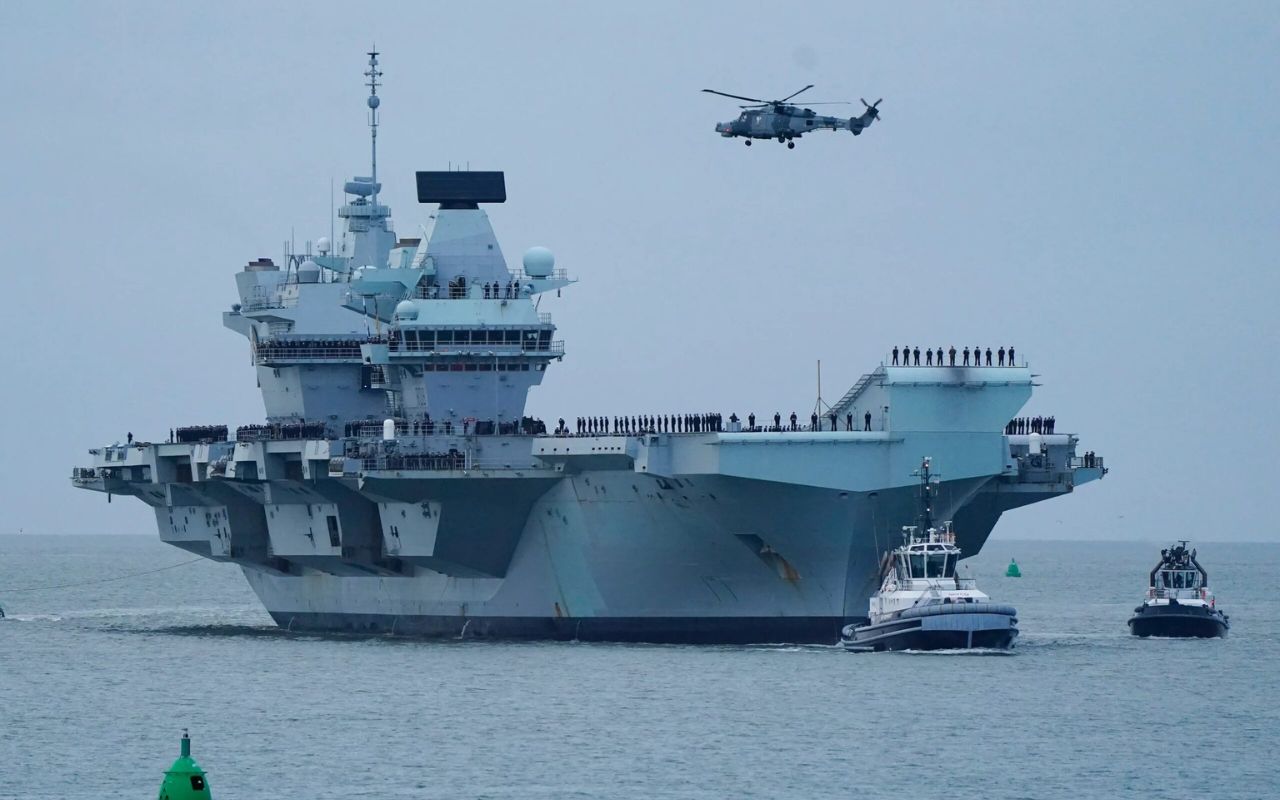
HMS Queen Elizabeth, the largest aircraft carrier in the United Kingdom, impresses with technology, air capacity, and global strategic role.
The HMS Queen Elizabeth represents one of the largest military advances of the United Kingdom in recent decades. It is a modern aircraft carrier, commissioned in 2017, designed to operate aircraft and project military power anywhere in the world. The vessel acts as a mobile airbase, allowing for strategic operations far from British territory.
This type of ship, known as an aircraft carrier, is essential for defense, surveillance, and attack missions. Therefore, its importance goes beyond war, directly influencing the global geopolitical balance.
What is an aircraft carrier?
An aircraft carrier is a military vessel designed to transport, launch, and recover aircraft. It functions as a floating runway, equipped with hangars, air control systems, and defensive armaments.
-
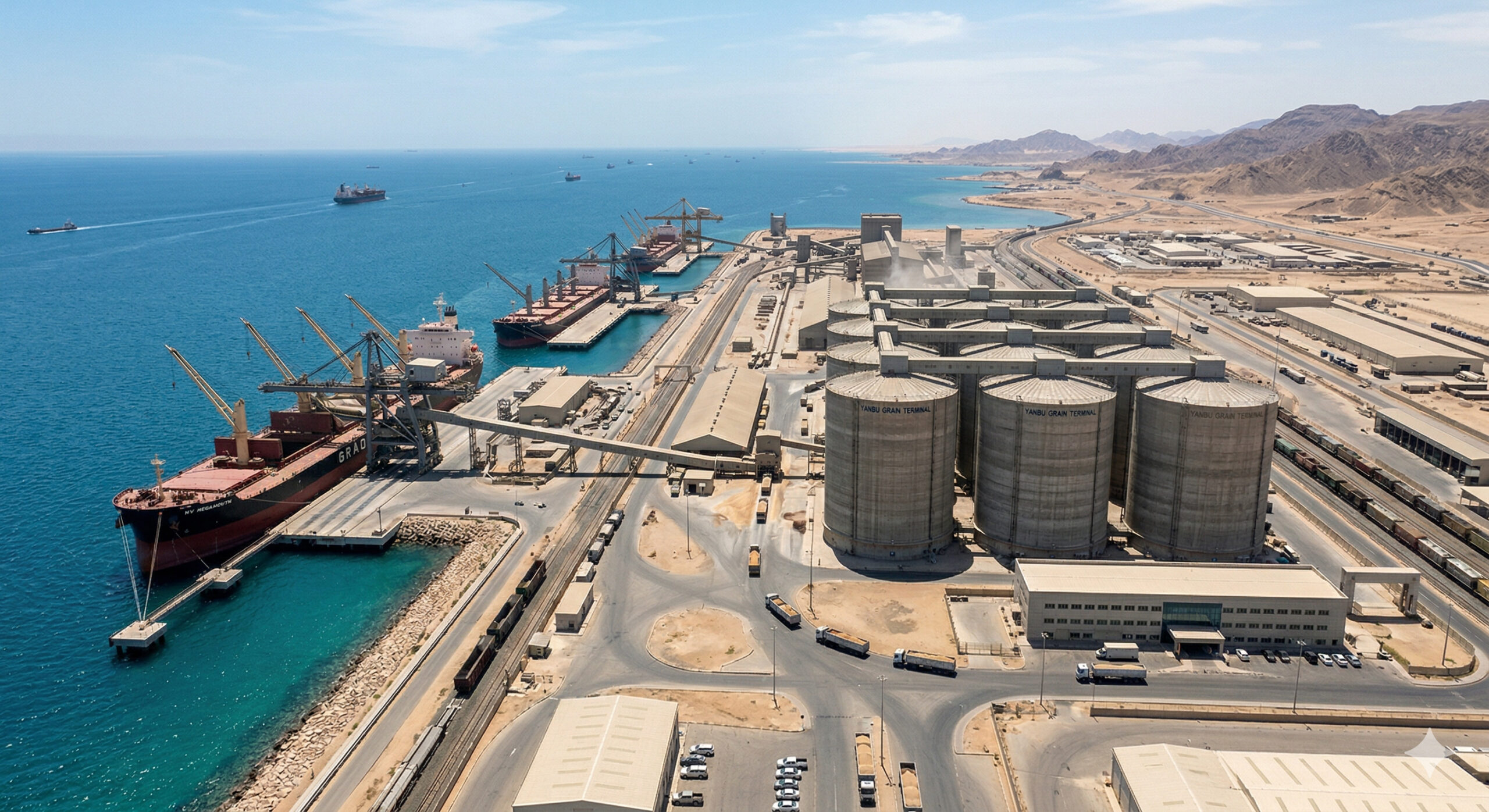
On the Red Sea coast, a megaterminal with a capacity of 156 thousand tons, 12 giant silos, and an annual flow exceeding 3 million tons creates an alternative grain route outside the Strait of Hormuz and secures supply in the region, the Yanbu Grain Handling Terminal in Saudi Arabia.
-
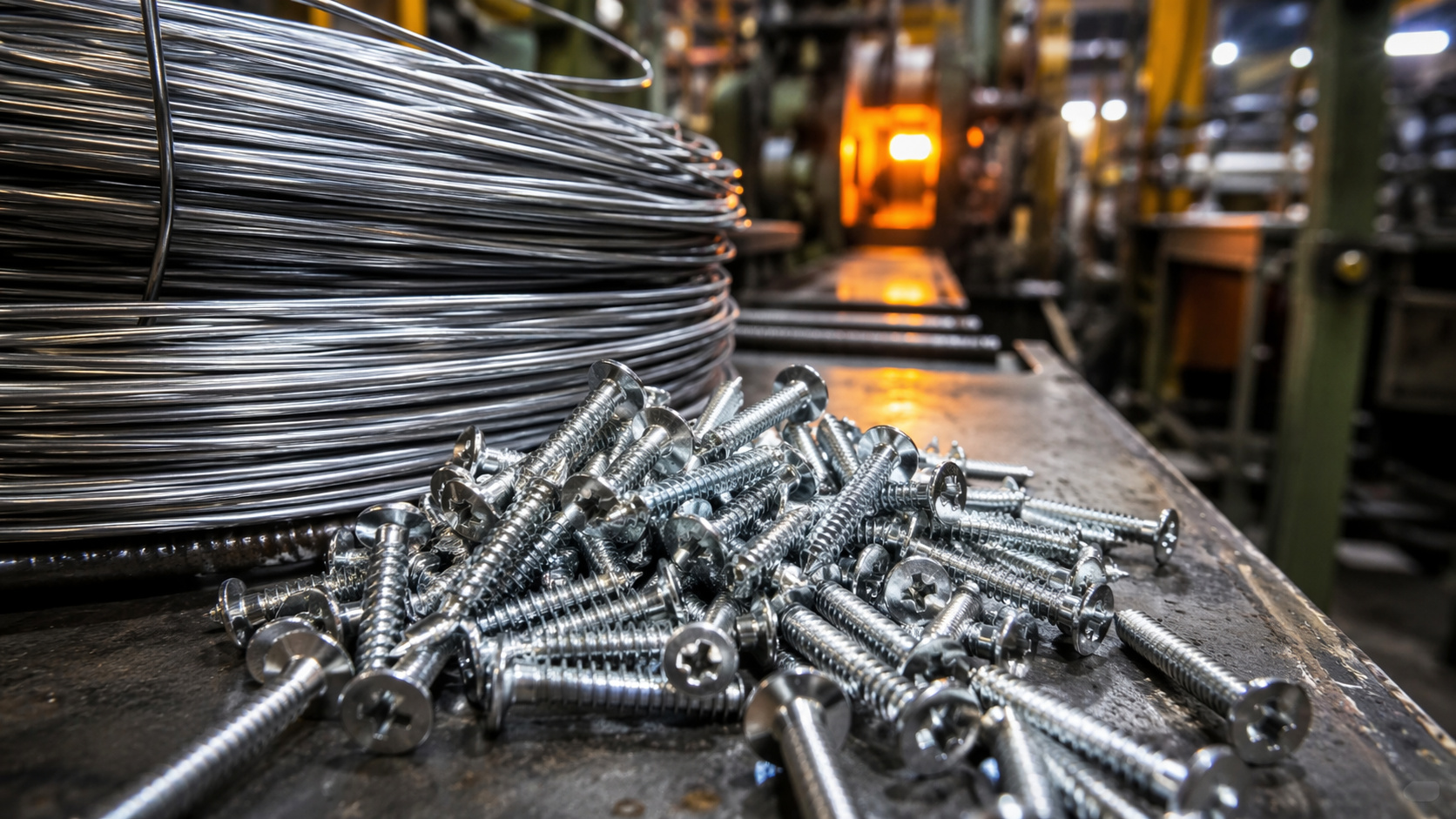
Little-known raw industrial process uses superheated steel, extreme force, and many strikes to transform 10 km wires into small metal pieces that hold the world together.
-
The production of the Porsche 911 reveals the process inside the German factory, with manual engine assembly, high-precision robots, and luxury finishing that goes far beyond the common automotive industry.

-
A country with only 9 million inhabitants transports 1.5 million passengers per year on night trains and dominates all of Europe: how Austria invested in what everyone else was abandoning and became the powerhouse of sleeper trains.

In the case of the HMS Queen Elizabeth, the model uses short takeoff and vertical landing aircraft. This eliminates the need for catapults, making the system more flexible and modern.
Additionally, the ship can operate helicopters for rescue, patrol, and anti-submarine missions.
Construction of the HMS Queen Elizabeth involved billions and years of work
The design of the HMS Queen Elizabeth officially began in 2009 at the Rosyth shipyard in Scotland. However, its conception was announced as early as 2007 as part of a strategic plan for British defense.
Initially, the budget was around £4 billion for two aircraft carriers. However, delays and changes raised the total cost to over £6 billion.
The construction was carried out in blocks by different British shipyards, which were later joined together. This method allowed for the accelerated assembly of a gigantic structure.

Dimensions and capacity impress on the British aircraft carrier
The HMS Queen Elizabeth is one of the largest aircraft carriers ever built in Europe. Here are some key data:
- Length: 280 meters
- Displacement: about 65,000 tons
- Speed: up to 25 knots (approximately 46 km/h)
- Range: about 10,000 nautical miles
- Crew: approximately 679 people
Additionally, the aircraft carrier can carry between 24 and 36 fighter jets and up to 14 helicopters. This makes it a highly versatile platform for military operations.
HMS Queen Elizabeth and its cutting-edge technology
The HMS Queen Elizabeth was designed with a focus on innovation. One of the highlights is the use of two “islands” in the superstructure — one for navigation and the other for flight control.
This system increases operational efficiency and ensures redundancy in case of failures. In other words, if one structure encounters problems, the other can take over its functions.
Additionally, the ship features advanced radars and automated defense systems, such as the Phalanx CIWS, used to intercept aerial threats.
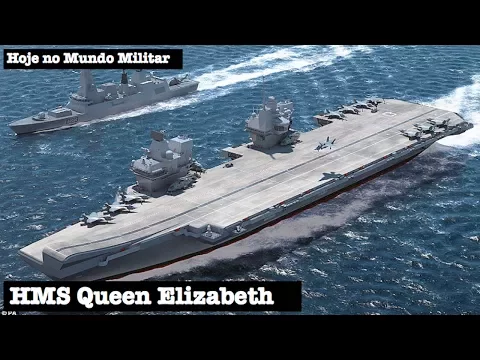

Operation of the aircraft carrier with F-35B fighters
The main highlight of the air wing of the HMS Queen Elizabeth is the F-35B Lightning II fighter. This model is capable of taking off from short runways and landing vertically, ideal for operations on aircraft carriers without catapults.
Additionally, Merlin helicopters are used for surveillance and anti-submarine missions. The ship can also operate heavy transport aircraft, such as the Chinook. This combination ensures flexibility for different types of missions.
Tests and initial operations of the HMS Queen Elizabeth
The first sea trials of the HMS Queen Elizabeth took place in 2017. During this period, the ship underwent performance, speed, and maneuverability evaluations.
Shortly after, it began operations with helicopters and later with F-35B fighters. These tests were crucial to validate the operational capability of the aircraft carrier.
Furthermore, the ship participated in military exercises with U.S. forces, reinforcing international cooperation.
Geopolitical importance
The HMS Queen Elizabeth is not just a military ship, but also a symbol of strategic power. Its presence in regions such as the Mediterranean and the Indo-Pacific demonstrates the United Kingdom’s ability to operate globally.

Therefore, the aircraft carrier plays a fundamental role in military diplomacy. It can be used both in combat operations and in humanitarian and international support missions.
Curiosities about the HMS Queen Elizabeth
Some facts make the HMS Queen Elizabeth even more interesting:
- It is three times larger than older British aircraft carriers
- It has the capacity to transport thousands of people in expanded operations
- It was named by Queen Elizabeth II in 2014
- It uses modular technology in construction
Additionally, the ship is considered one of the most advanced today.
The development of the HMS Queen Elizabeth marks a new phase in British naval history. With modern technology and high operational capacity, the aircraft carrier redefines the concept of power projection at sea.
As new technologies continue to emerge, the model already serves as a reference for future military vessels. Thus, the HMS Queen Elizabeth solidifies itself as one of the pillars of 21st-century naval strategy.
Source: Royal Navy






Seja o primeiro a reagir!