





 Portuguese
  English
  Spanish
  5 min of reading
  0 comments


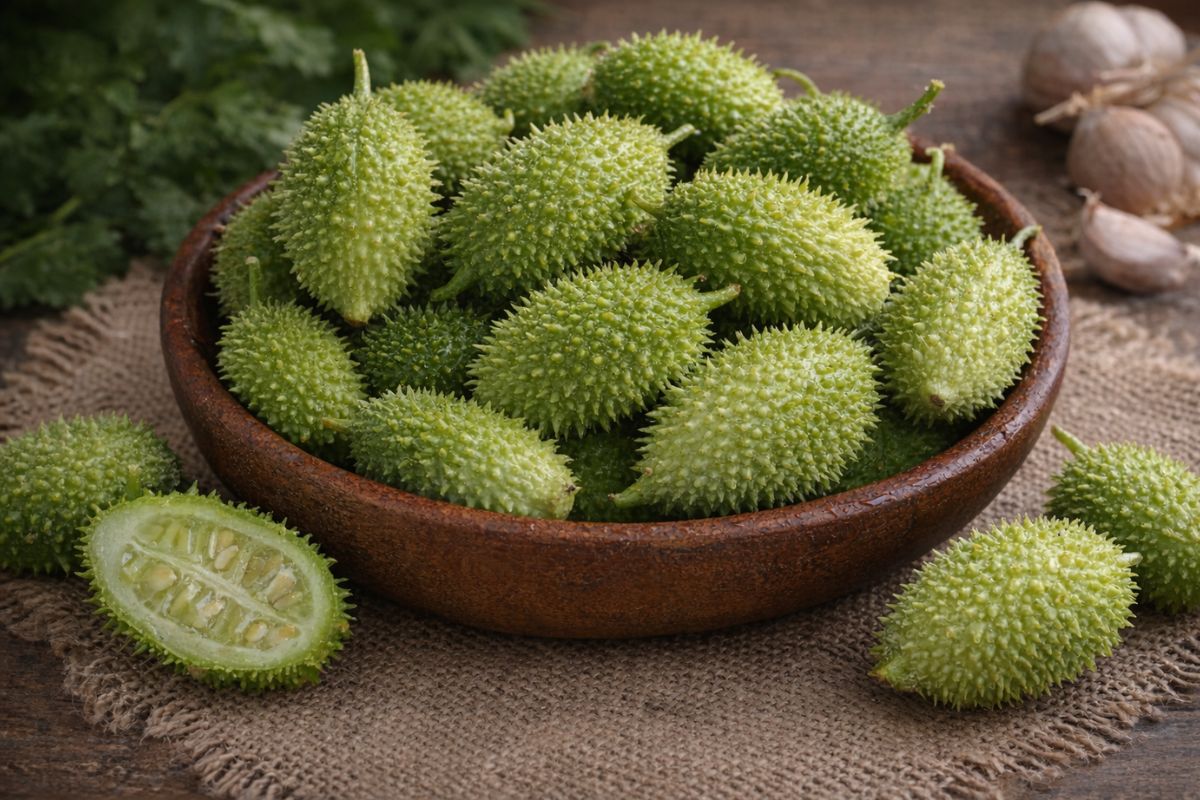
Maxixe is composed of 95% water, helps control blood sugar, strengthens bones and muscles with magnesium, potassium, and calcium, and yet remains one of the most underestimated and forgotten vegetables in Brazil, consumed by few and ignored by the majority.
There is a Brazilian vegetable that combines hydration, fiber, essential minerals, and antioxidant properties in a single small, inexpensive, and extremely versatile food in the kitchen. Maxixe (Cucumis anguria) belongs to the same family as cucumber, squash, and melon, but unlike these popular relatives, it continues to be ignored in much of the country. Of African origin, maxixe was brought to Brazil during the colonial period and has adapted perfectly to the tropical climate, being widely cultivated in the Northeast today. Its fruit is small, green, covered with soft spines, and has a firm pulp with a slightly sour taste.
Despite this nutritional richness, maxixe is still little consumed in many regions of Brazil, making it a kind of forgotten superfood. While vegetables like broccoli, kale, and spinach occupy the center of discussions about healthy eating, maxixe remains on the sidelines, known mainly by those who grew up in the Northeast or in families that preserve traditional recipes. What most people do not know is that this modest vegetable delivers benefits that many celebrated foods cannot gather in a single serving.
Maxixe is 95% water and hydrates the body like few foods can
One of the most striking characteristics of maxixe is its very high water content. Composed of approximately 95% water, it directly contributes to the hydration of the body, especially on hot days or for people who have difficulty drinking the recommended amount of liquids throughout the day.
-
Man surprises by building a boat made of ice capable of floating on water.

-
The longest-serving employee at Apple, who joined at a young age, witnessed the big tech nearly go bankrupt and today has accumulated millions in stock after decades of quiet investment within the company.

-
Measuring 15.3 meters in wingspan, the Russian fighter Sukhoi Su-35, weighing 34 tons, stays in the air and performs impossible maneuvers at 2,400 km/h.

-
At just 12 years old and still in the seventh grade of elementary school, Bernardo took the entrance exam for UERJ just to test his knowledge and was approved in Mathematics with over 80 medals in competitions on his resume.

It is the type of food that nourishes and hydrates at the same time, without adding significant calories to the diet.
This composition makes maxixe a natural ally for those seeking weight control. The combination of high water content and a good amount of fiber creates a feeling of fullness with few calories, which helps reduce total food intake in a meal without the person feeling hungry shortly afterward.
For those living in hot regions of Brazil, where maxixe is more easily found, including it on the plate is a practical and tasty way to keep the body hydrated.
The minerals in maxixe that strengthen bones, muscles, and the heart
Maxixe is not just water. It is a source of magnesium, potassium, and calcium, three essential minerals that support muscular, bone, and cardiovascular health.
The potassium present in maxixe helps regulate blood pressure, magnesium contributes to the proper functioning of muscles and the nervous system, and calcium strengthens the bone structure. These are nutrients that many people seek in supplements when they could find them in an accessible vegetable.
The presence of these minerals makes maxixe a particularly relevant food for people over 40, an age group where the loss of bone mass and cardiovascular problems begin to become more frequent.
Including maxixe regularly in the diet is a simple way to complement the intake of these nutrients without relying exclusively on other more expensive foods or supplementation. The vegetable delivers real benefits in a small serving at a very low cost.
How maxixe helps control blood sugar
For those living with diabetes or pre-diabetes, maxixe deserves special attention. The fibers present in the vegetable, combined with its low glycemic index, help control blood sugar levels after meals.
The fibers slow down the absorption of glucose, preventing spikes that are harmful for those who need to maintain stable blood sugar throughout the day.
Maxixe also has antioxidant properties, including vitamin C, which combat free radicals and strengthen the immune system. The premature aging of cells, chronic inflammation, and oxidation that contribute to degenerative diseases find in maxixe a silent but effective opponent.
A vegetable that controls sugar, protects cells, and also hydrates the body should be in many more dishes than it currently is.
How to prepare maxixe in the kitchen without complications
The spiny appearance of maxixe may deter those who have never cooked with it, but preparation is simpler than it seems.
The spines are soft and edible, so there is no need to peel the vegetable. Just wash it well under running water and, if desired, use a brush to remove excess. Maxixe can be sliced thinly and is ready to enter any recipe.
The most popular ways to prepare maxixe include sautéing with garlic and onion, stewing with sun-dried meat or charque, steaming for salads, and even in moquecas with coconut milk. Its slightly sour flavor pairs very well with olive oil, cilantro, bell peppers, and regional seasonings.
For those who have never tried it, the most accessible recipe is the simple sauté: 500 grams of sliced maxixe, garlic, onion, olive oil, salt, and black pepper, cooked over low heat for 10 to 15 minutes. It’s quick, inexpensive, and surprisingly tasty.
Why is maxixe so consumed in the Northeast and so ignored in the rest of Brazil
The answer lies in food culture and access. In the Northeast, maxixe has been part of culinary tradition for generations, present in family recipes, open markets, and everyday menus.
The plant’s adaptation to the semi-arid climate and the African cultural heritage that accompanied the vegetable since its arrival in Brazil explain why it has remained alive on Northeastern tables while it has almost disappeared from kitchens in other regions.
In the South and Southeast regions, maxixe rarely appears in supermarkets and is almost never mentioned in popular diets. Those who did not grow up eating maxixe will hardly find it along the way without looking for it. This commercial invisibility keeps a nutritionally powerful vegetable out of reach of millions of Brazilians who could benefit from it.
It is a loss that cannot be justified by taste, price, or difficulty of preparation. Maxixe is easy, cheap, and versatile. What is lacking is visibility.
Have you ever eaten maxixe or is it a complete stranger in your kitchen? If you know it, what is your favorite recipe? And if you have never tried it, do you feel like testing it? Let us know in the comments. Maxixe deserves to come out of obscurity and return to the center of the Brazilian plate.







Seja o primeiro a reagir!