





 Portuguese
  English
  Spanish
  4 min of reading
  0 comments


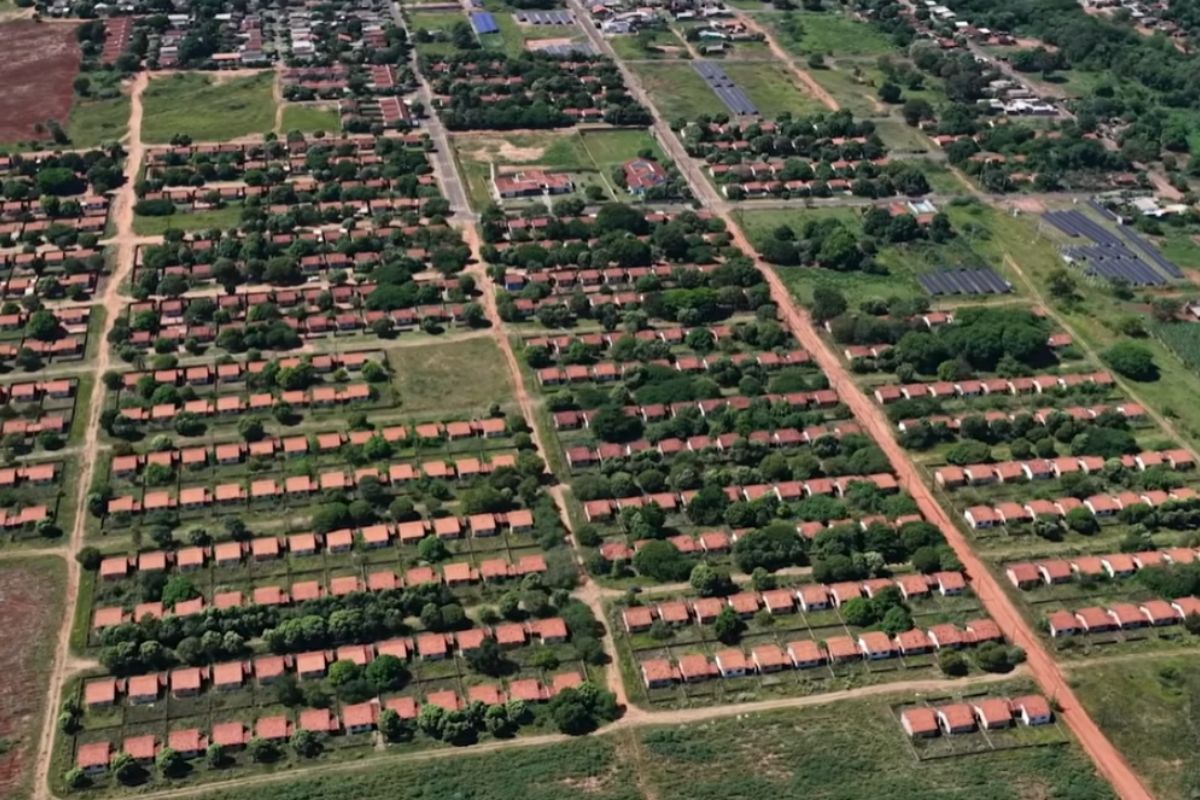
In the abandoned houses of Paraná City, the ghost town grew in the village linked to the Santa Terezinha plant when manual sugarcane cutting ended and the labor force was dismissed
In the video, a traveler enters Paraná City, in the northwest of Paraná, and comes across new houses in a row, on both sides of the street, with practically no residents in sight. The feeling is that the asphalt “disappears,” the road turns into dirt, and suddenly, a corridor of closed houses, broken windows, and open doors begins.
As he moves forward, the impression turns into shock: there are block after block of houses, many standardized, painted in different colors, but with the same shape. He decides to stop, walk on foot, and then launch a drone to understand the size of the place, because the scale of abandonment seems too large to be just a forgotten street.
The entrance that seemed like a detour and turned into a discovery

The account begins simply: he was traveling, guided by GPS, when the road changes and the area “throws” the car into the neighborhood.
-
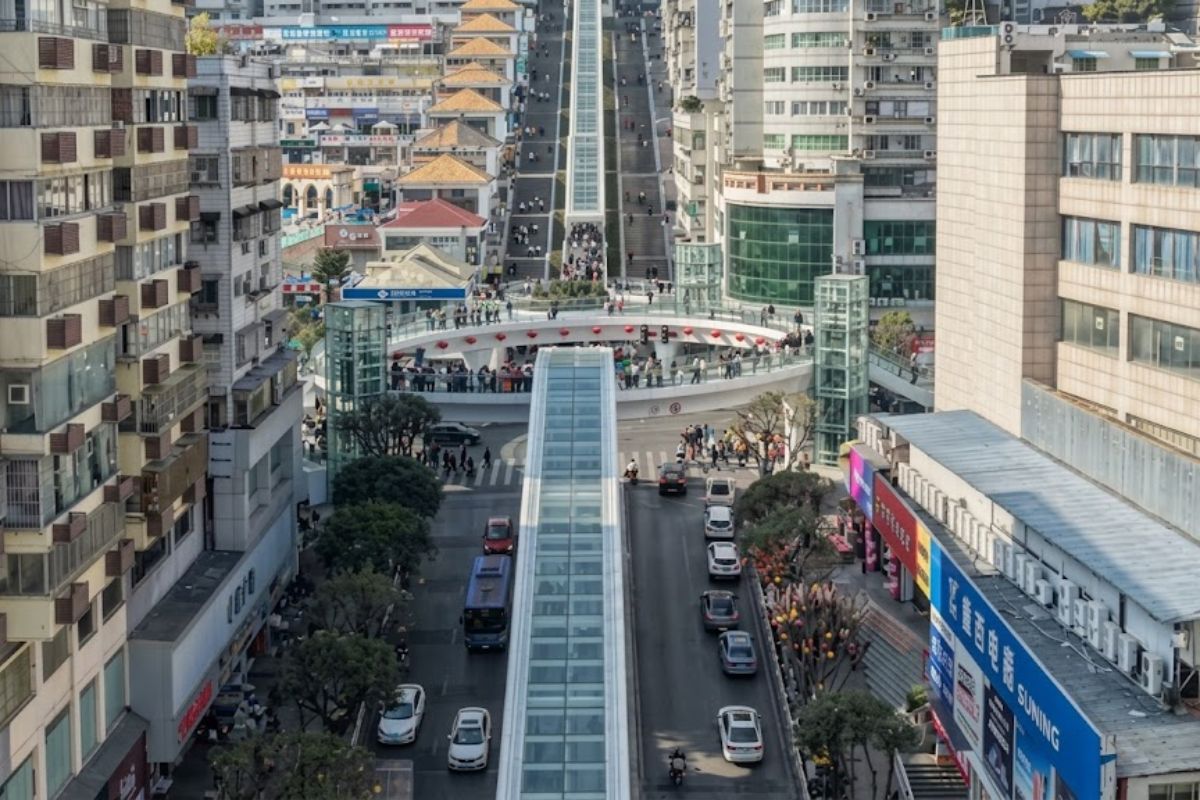
China has just inaugurated the world’s largest outdoor escalator, measuring 914 meters in length, with 21 connected escalators and a journey time of 20 minutes, transporting 9,000 people per day up the mountain in Wushan County.
-
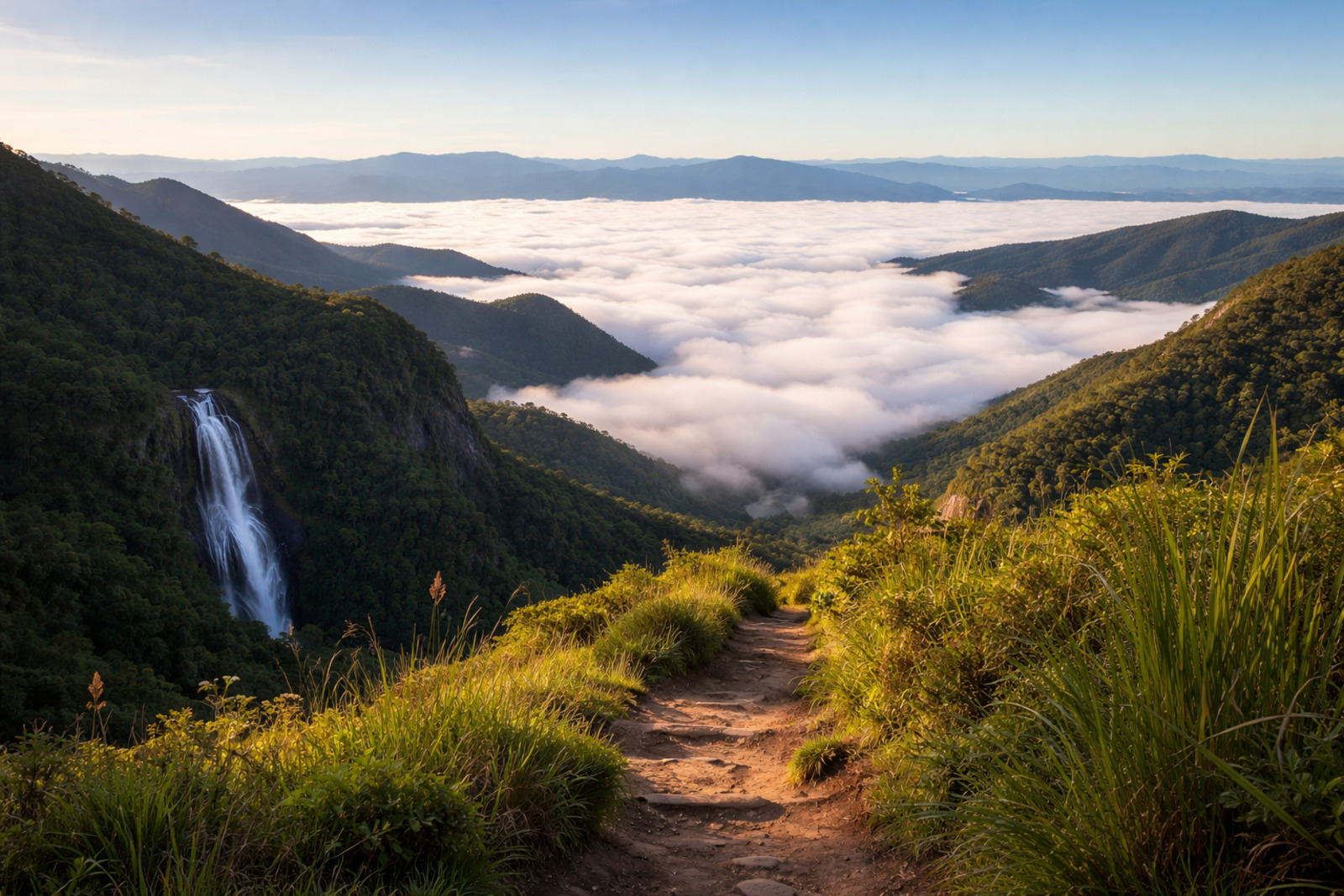
You don’t need to go far: just 3 hours from São Paulo, a city draws attention with waterfalls up to 60 meters, a historic trail, a peak over 2,000 meters, and even clouds below the trails.
-
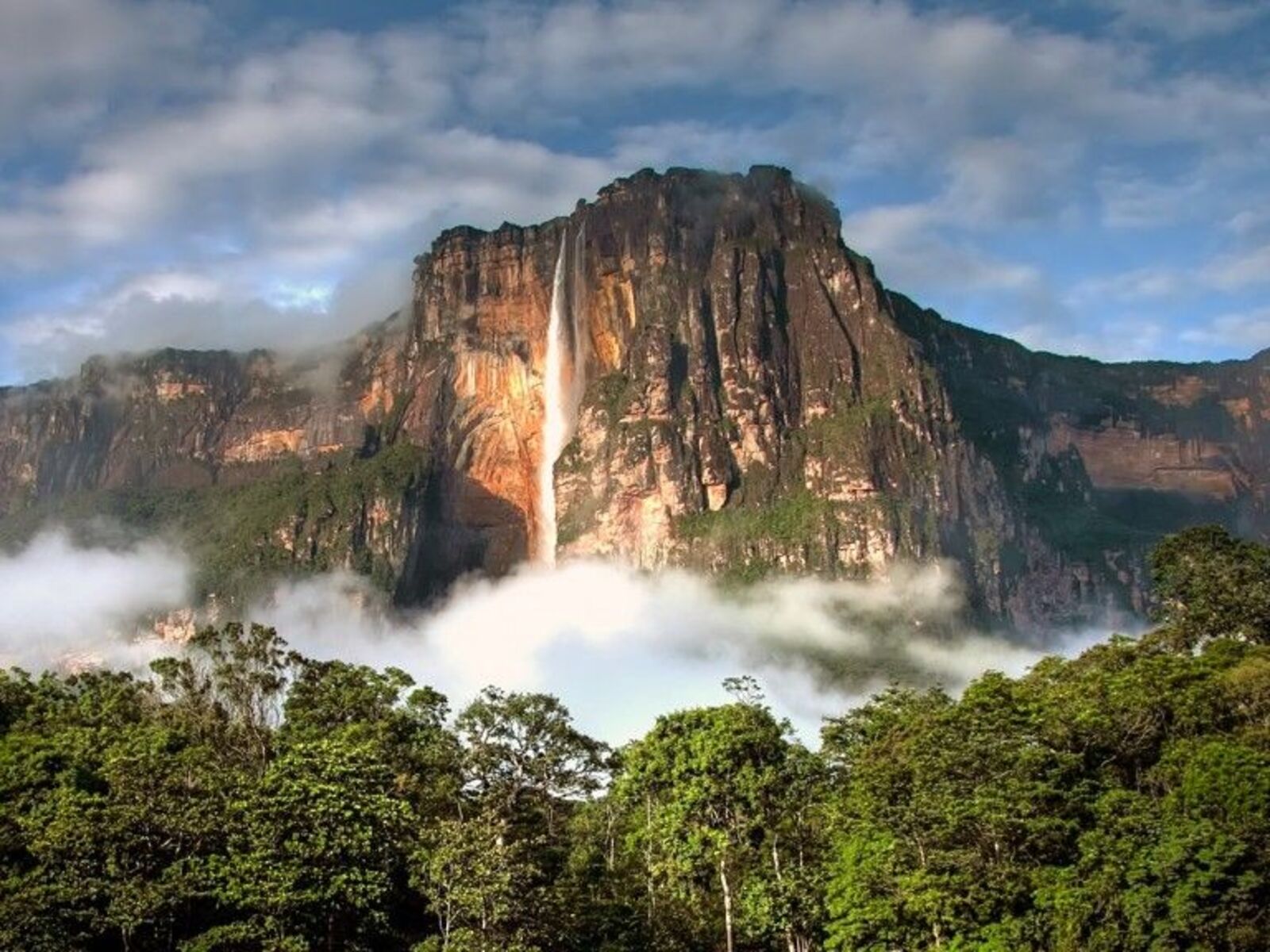
Brazil’s neighbor hides a giant of 979 meters: the world’s tallest waterfall is in Venezuela and is nearly 3 times taller than the Empire State Building.
-
At just 18 years old, a Brazilian public school student is hired by a multinational company and becomes a programming teacher while still in high school.

At first, there are still signs of life in some stretches, like cars in garages and houses that appear to have had recent maintenance, but this quickly diminishes.
The deeper he goes, the more the scene repeats: aligned houses, street after street, and no typical movement of an occupied neighborhood. The question arises constantly in the video: “what happened here?” and “is the whole city like this?”.
Houses inside: recent construction and signs of hasty departure

At one point, he enters one of the houses with a broken door and describes details that reinforce the idea of recent abandonment.
He notes plumbing in place, plastic ceiling, walls, and bricks that look new. The property, according to the description, has a large living room, dining area, three bedrooms, and a bathroom.
What stands out the most is that it is not just an empty structure. In another house, he finds pieces of bed, removed ceiling, and even clothes left on the floor, as if someone had left without completing the move. For him, this contrasts with the pattern of old ruins: the houses seem “good,” but without residents.
The math that doesn’t add up: block by block until reaching nearly a thousand

To try to understand the scale, he does a sample count. In a single block, he counts 13 houses on one side and 13 on the other, totaling 26 in that stretch.
From this, he concludes that the set could exceed 1,000 houses, considering the number of similar streets and alleys.
Later, however, the information that appears for his wife reduces the estimate and points to a more specific number: there would be about 900 houses. Still, the central point remains the same: it is an enormous volume of housing to be empty.
The reason pointed out in the video: the village linked to the Santa Terezinha plant
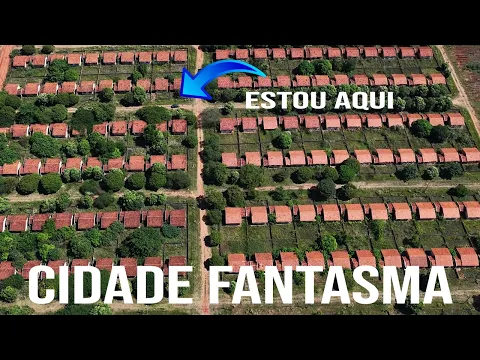

After searching for explanations and finding conflicting content, the most direct answer comes in the video itself, when his wife reads the information she managed to save: the land and the set of houses would be linked to a large alcohol and sugar plant, Santa Terezinha.
The version presented is that the houses were occupied by employees linked to manual sugarcane cutting. Over the years, the work with machetes would have been replaced by machines, reducing the need for manual labor. With the dismissals, the village became uninhabited and the houses remained in place.
Why did the houses remain empty even though they were new?
The video ends with questions that the traveler himself asks out loud, without pinning down answers beyond what he found: why didn’t they donate the houses, why didn’t they sell them, why did such a large set remain unused.
He also raises hypotheses, such as workers who could be from outside and returned to their hometown, or the lack of local opportunities to keep families there.
At the same time, there are signs that the neighborhood is not an area isolated by a gate: he mentions public lighting, electrical network, and the fact that it is within the city, as an urban extension. This reinforces the strangeness because it does not seem like a “forbidden” place, but rather a piece of the city that simply stopped.
If you were responsible for deciding the future of these houses in Paraná City, what would be the best solution: sell, rent, regularize for affordable housing, transform into another type of use, or leave it as it is?





Seja o primeiro a reagir!