





 Portuguese
  English
  Spanish
  3 min of reading
  0 comments



John Deere ends class action with agreement that releases diagnostic and offline reprogramming tools until the end of 2026 and reignites the fight for the right to repair
John Deere has agreed to pay $99 million to settle a class action in the United States. The lawsuit accused the company of monopolizing repairs of modern tractors, restricting access to diagnostic software and pushing farmers to authorized dealerships with high prices and wait times that could jeopardize the harvest.
The case goes beyond the field. It has become a symbol of what it means to “own” a machine in the software era, when the manufacturer controls the internal workings even after the sale and turns the owner into a user with permission.
Why tractors have become “computers on wheels”
A modern tractor combines GPS, sensors, telemetry, and proprietary software. Even though it is expensive, the farmer does not always act as a true owner, because certain maintenance and repair routines depend on tools and digital keys controlled by the manufacturer.
-
End of the bricklayers? The construction industry suffers from a labor shortage, and the causes go beyond Bolsa Família and Uber.

-
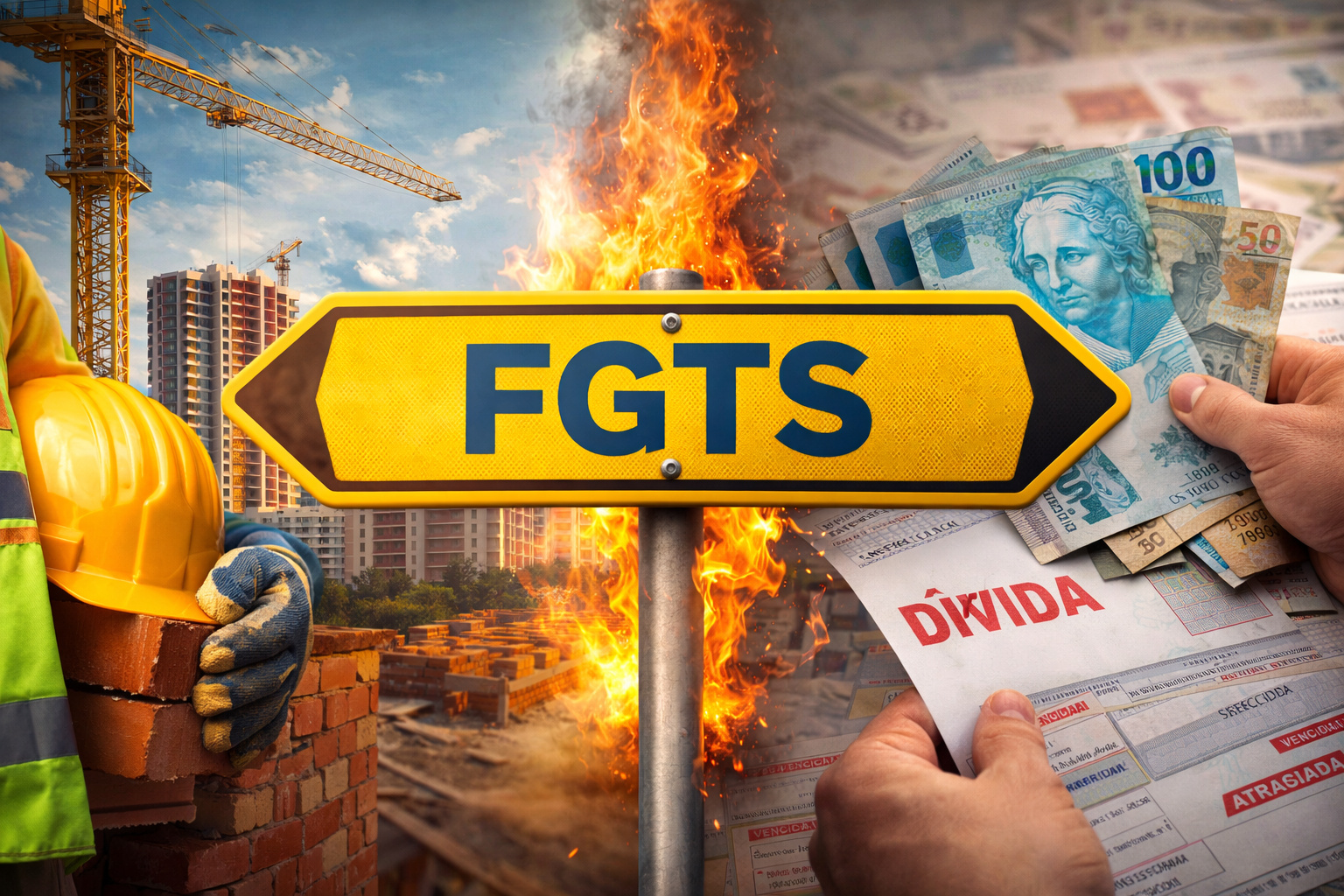
The construction sector opposes the release of R$ 7 billion from the FGTS for workers to pay off debts: the measure raises a risk alert in the market, threatens Minha Casa Minha Vida, housing credit, and mass layoffs in Brazil.
-
Mining company Vale and Chinese Shandong Shipping finalize the construction of the world’s first ocean-going ship powered by ethanol, a giant measuring 340 meters in length and with a capacity of 325 thousand tons.

-
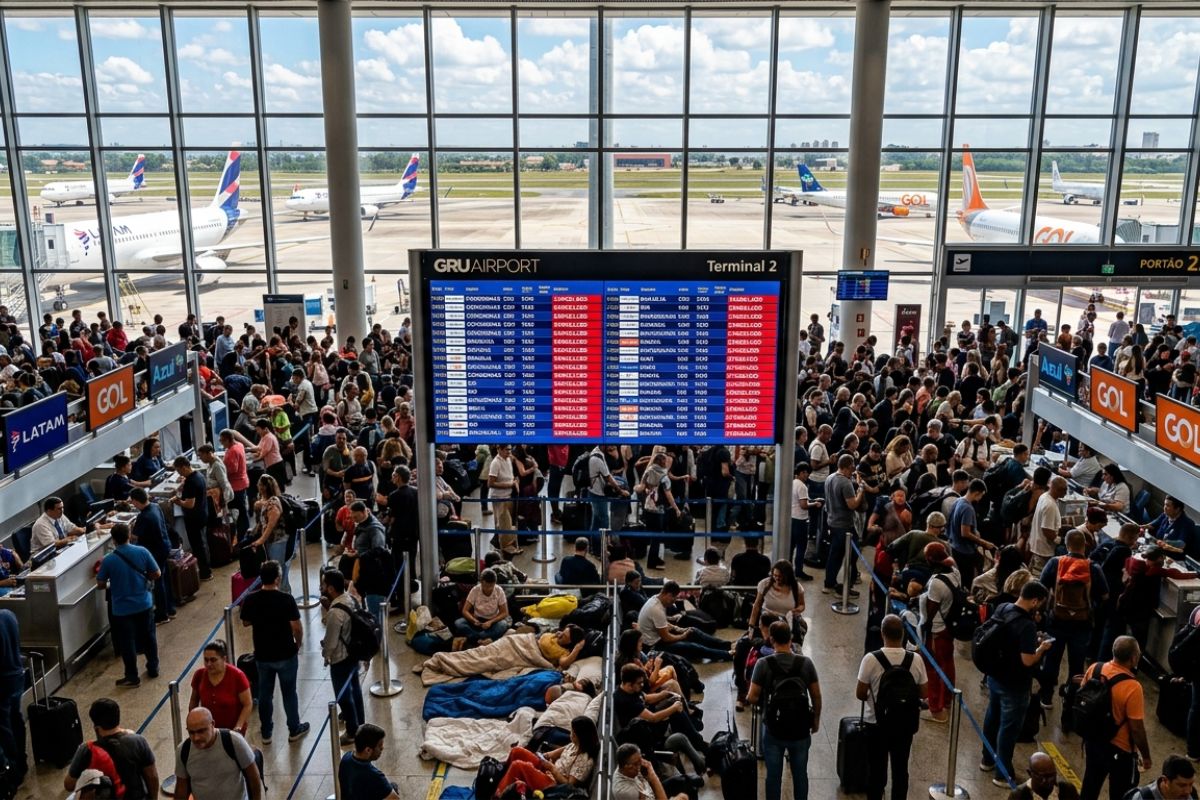
Airfare prices can rise by up to 30% — what are the government and Petrobras doing to prevent an even larger increase?

In practice, the farmers’ main criticism was straightforward: without access to diagnostics, the only option is to pay whatever the dealership charges and wait as long as they take, even when the repair is urgent.
What farmers claimed in the lawsuit
The lawsuit was filed in 2022. The main accusation is that John Deere intentionally restricted access to diagnostic software, forcing farmers to turn to dealerships with prices considered artificially high.
The company did not admit wrongdoing but accepted the settlement to end the dispute and proceed with commitments that address the most sensitive issue: access to tools and reprogramming.
What changes with the agreement until the end of 2026
According to the terms consulted, the company committed to three central points:
1) Create a $99 million fund to compensate affected individuals who paid for repairs since 2018
2) Make diagnostic tools available to farmers and independent shops, previously restricted to dealerships
3) Enable offline diagnostics and reprogramming before the end of 2026, expanding autonomy outside the network and outside the authorized counter
The number of $99 million and the real size of the loss
A value is pointed out “between the lines”: the amount of $99 million is one million below nine digits, which would reduce the psychological impact in headlines.
Still, the cited estimates are higher: the markup on repairs is said to have cost farmers between $190 million and $387 million, and total losses could reach $4.2 billion.
How much each farmer can receive from John Deere
The fund is expected to be distributed among about 200,000 farmers. The expectation is for a symbolic amount, equivalent to less than $500 per person.
In other words, the weight of the agreement is not in the individual check, but in the opening of tools and the precedent for the right to repair.
Right to repair: tractors, cell phones, cars, and everything with software
The discussion is not limited to agricultural machines. The case has become an example of a dispute that already involves phones, cars, appliances, and consoles: the right to repair what you bought.
The logic is the same: if the manufacturer blocks internal functioning through software, ownership becomes a “license to use”, and not real control of the product.
The story does not end here
There are two important caveats. The first: access to tools would be guaranteed for only ten years, and after that, nothing prevents the restriction from returning. The second: the company had already promised to improve access to repairs in 2023, but the plaintiffs say this was not fulfilled.
Additionally, the Federal Trade Commission (FTC) has also filed a lawsuit against the company for similar conduct patterns, indicating that the regulatory fight is likely to continue.
Do you think this agreement will really strengthen the right to repair, or will companies just adjust the rules and lock everything down again later?







Seja o primeiro a reagir!