Portuguese
  Spanish




High aviation kerosene pressures tariffs, while emergency actions partially reduce effects for the consumer
The increase in airfare in Brazil is directly related to the rise in the price of aviation kerosene (QAV). After the adjustment announced by Petrobras, the market began to project an increase in tariffs, although government and state measures have reduced part of this impact.
In practice, the trend is for an increase in fares, but at a lower level than initially estimated.
Fuel price increase pressures the airline sector
The main factor is the average adjustment of 55% in the price of QAV, announced by Petrobras on April 1st.
-
A person from Minas Gerais started as an intern at a technology company, left convinced they wouldn’t return, created their own consultancy, and came back as a partner before becoming president and increasing the revenue from R$ 25.6 million to over R$ 100 million.

-
Hurry: Wikipedia pays up to R$ 2,500 for those who write about Minas Gerais, contest entries end on July 10, 2026, and even beginners can “earn,” with prizes starting at R$ 200.

-
A city with 8,000 inhabitants will receive R$ 25 billion to host the largest single-stage pulp mill in the world, with a production of 3.5 million tons per year and a cost of R$ 45 million.
-
He left India for Oman in 1976, entered through the door of luxury finishes, and took Sobha to the premium real estate market in the Middle East.


The fuel represents about 40% of the total cost of airfares, making the sector sensitive to price fluctuations.
The increase is associated with the appreciation of the barrel of oil in the international market, influenced by geopolitical tensions in the Middle East, involving the United States, Israel, and Iran.
Projections indicate an increase in tariffs


According to Tiago Chagas, president of the National Civil Aviation Agency, the initial impact could result in an increase of:
20% to 30% in airfares
After the adoption of containment measures, the estimate was revised to:
10% to 12% effective increase
This indicates that the implemented actions have partially reduced the pressure on prices.
Measures adopted to contain the impact
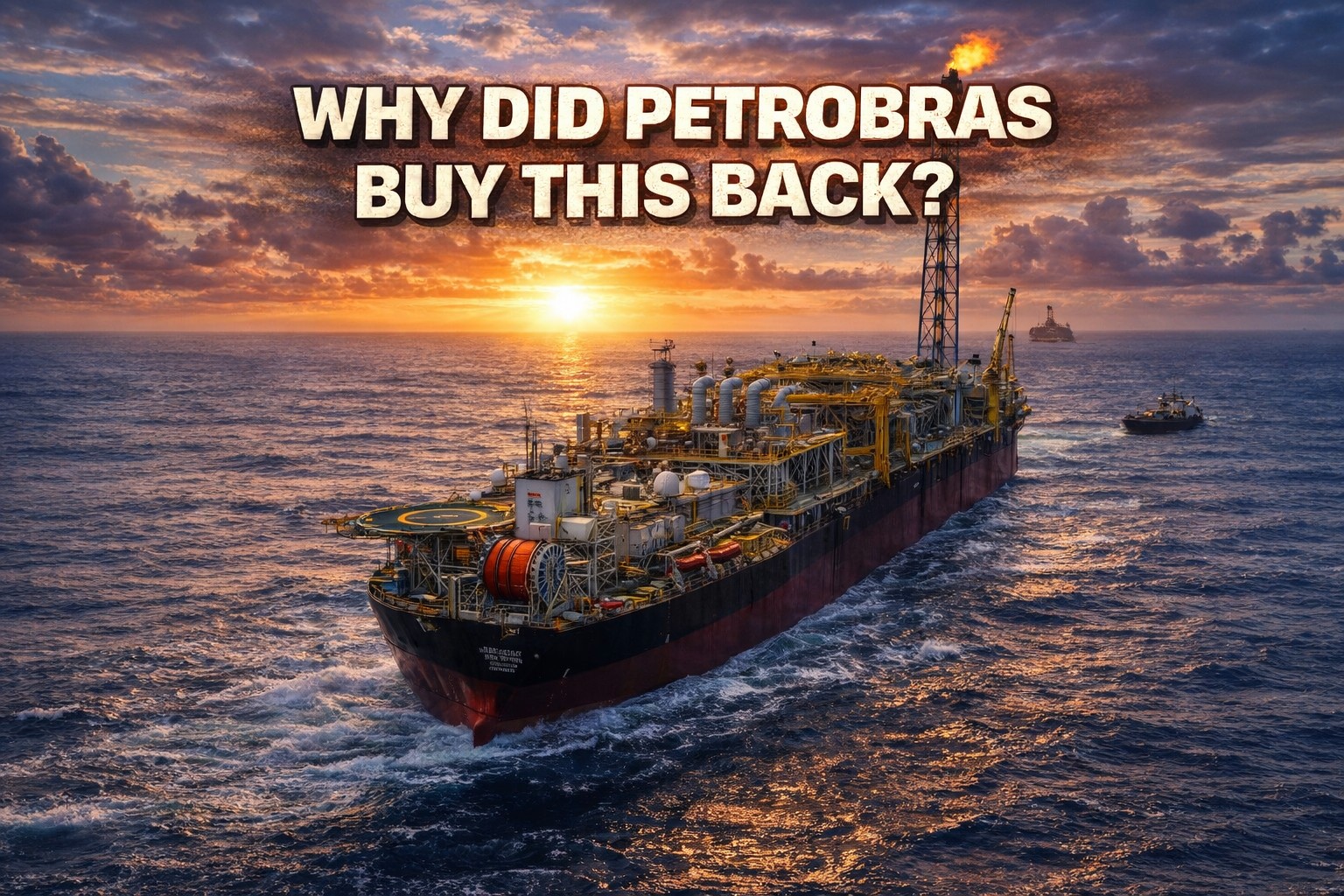
Petrobras opted to parcel the QAV adjustment, avoiding immediate full application.
Initially, an increase of 18% was passed on, with the remainder being distributed over six months.
The federal government also implemented complementary measures:
- Exemption from PIS and Cofins on QAV
- Creation of a credit line for airlines
These actions aim to reduce cost pressure on companies and mitigate the full pass-through to consumers.
Possible effects on the airline sector
Even with the measures, the increase in tariffs remains likely.
According to the president of ANAC, the actions were effective in reducing the impact, but do not eliminate the need for adjustment.
Moreover, the behavior of airlines may influence the scenario.
Among the possible responses from the sector are:
- Adjustments in flight offerings
- Review of less profitable routes
- Price adjustments according to demand
These factors may affect market dynamics in the coming months.
Context and implications
The adopted measures indicate an attempt to balance the financial sustainability of airlines with maintaining demand.
However, the scenario remains conditioned by the evolution of oil prices in the international market.
If cost pressures continue, new tariff adjustments may occur.
Now tell me:
Do you prefer this more technical style or do you want to maintain a light level of curiosity to perform better on Discover?