





 Portuguese
  English
  Spanish
  5 min of reading
  0 comments


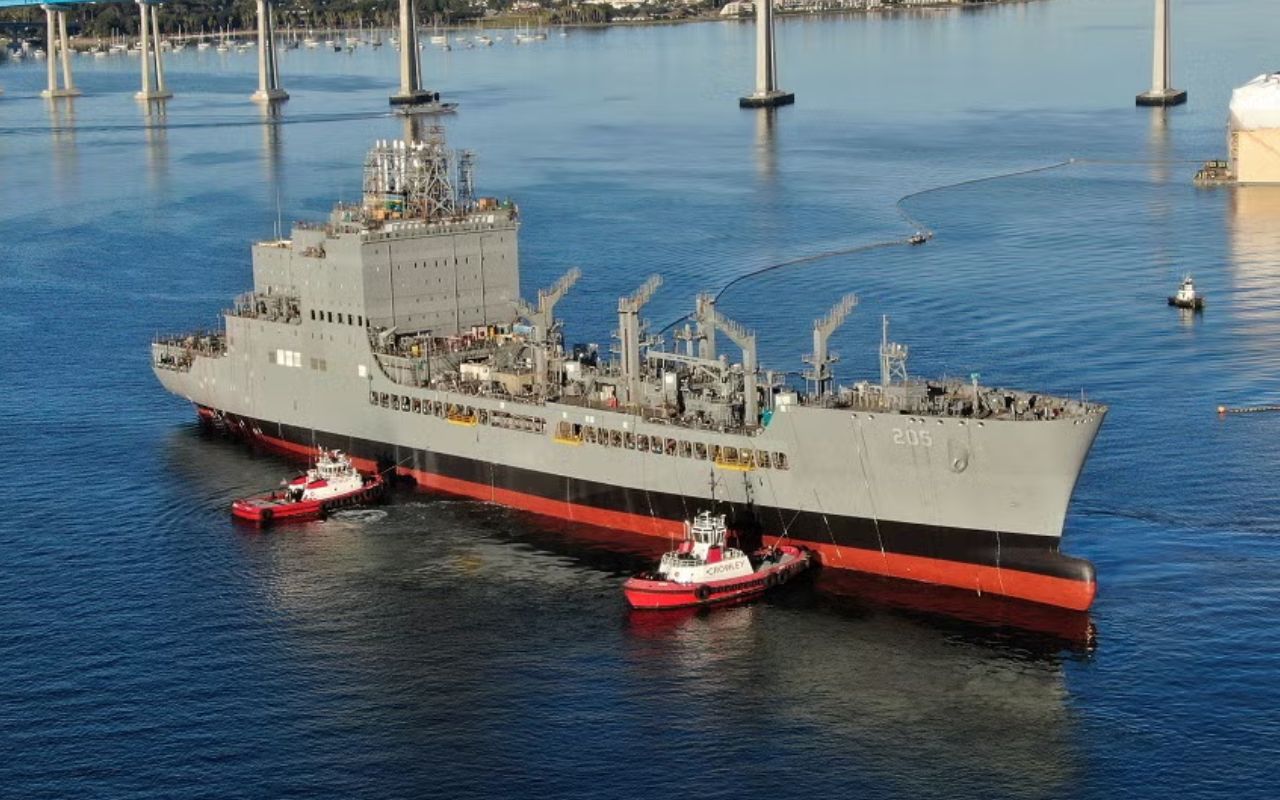
The John Lewis Ship Joins A New Generation Of Military Oilers Capable Of Carrying 156 Thousand Barrels Of Fuel And Supporting Naval Operations Around The World.
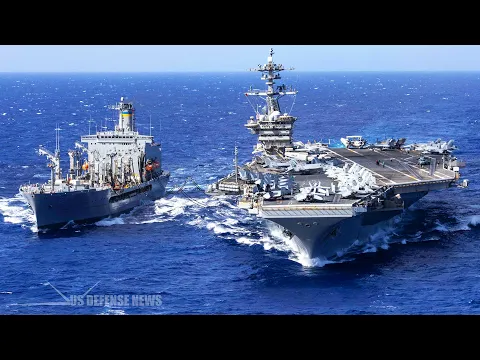
The John Lewis class of ships represents a new stage in modern naval logistics. Developed to refuel military vessels on the high seas, the massive tanker is designed to support aircraft carrier strike groups, amphibious forces, and other units of the United States Navy in global operations.
The vessel is part of a new class of logistics support ships whose construction officially began in 2018.
The goal of the project is to ensure that naval fleets can remain operational for long periods without needing to return to ports.
-
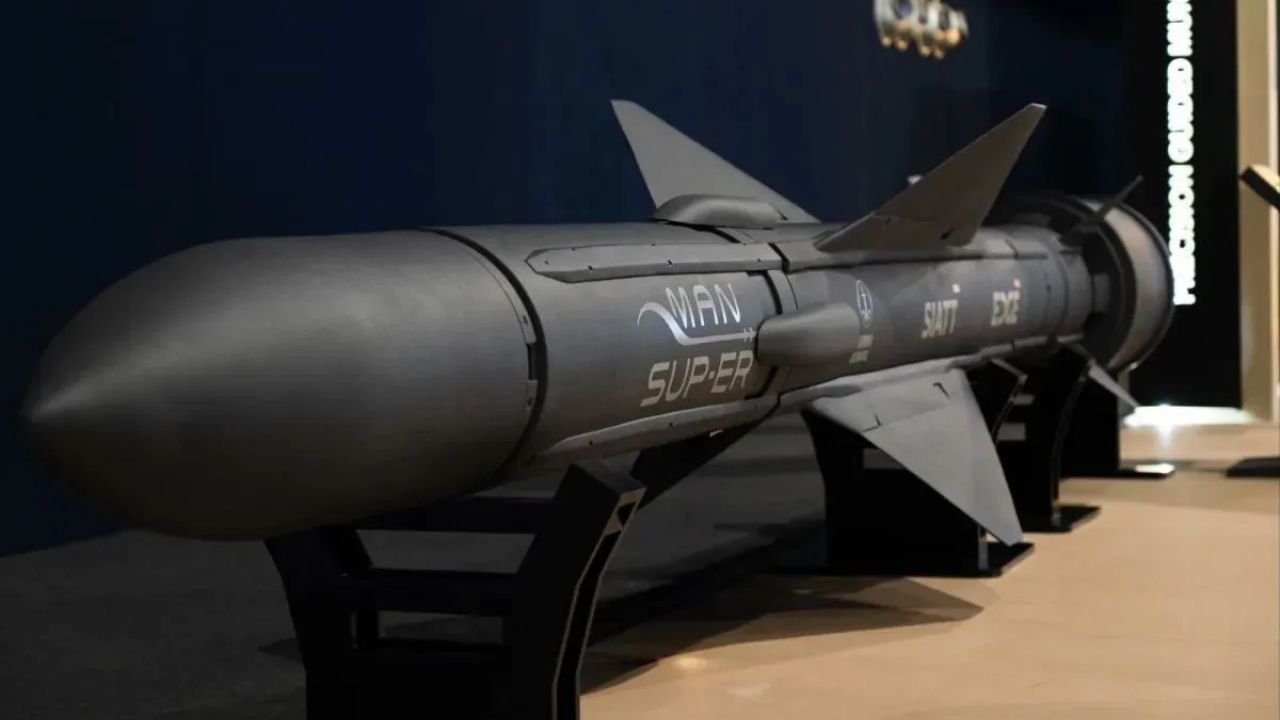
Brazil accelerates the evolution of the MANSUP missile, designing an air-surface version with a range exceeding 200 km, advanced guidance, and precision strike capability against land and naval targets, paving the way for a new generation of national armaments with global potential.
-
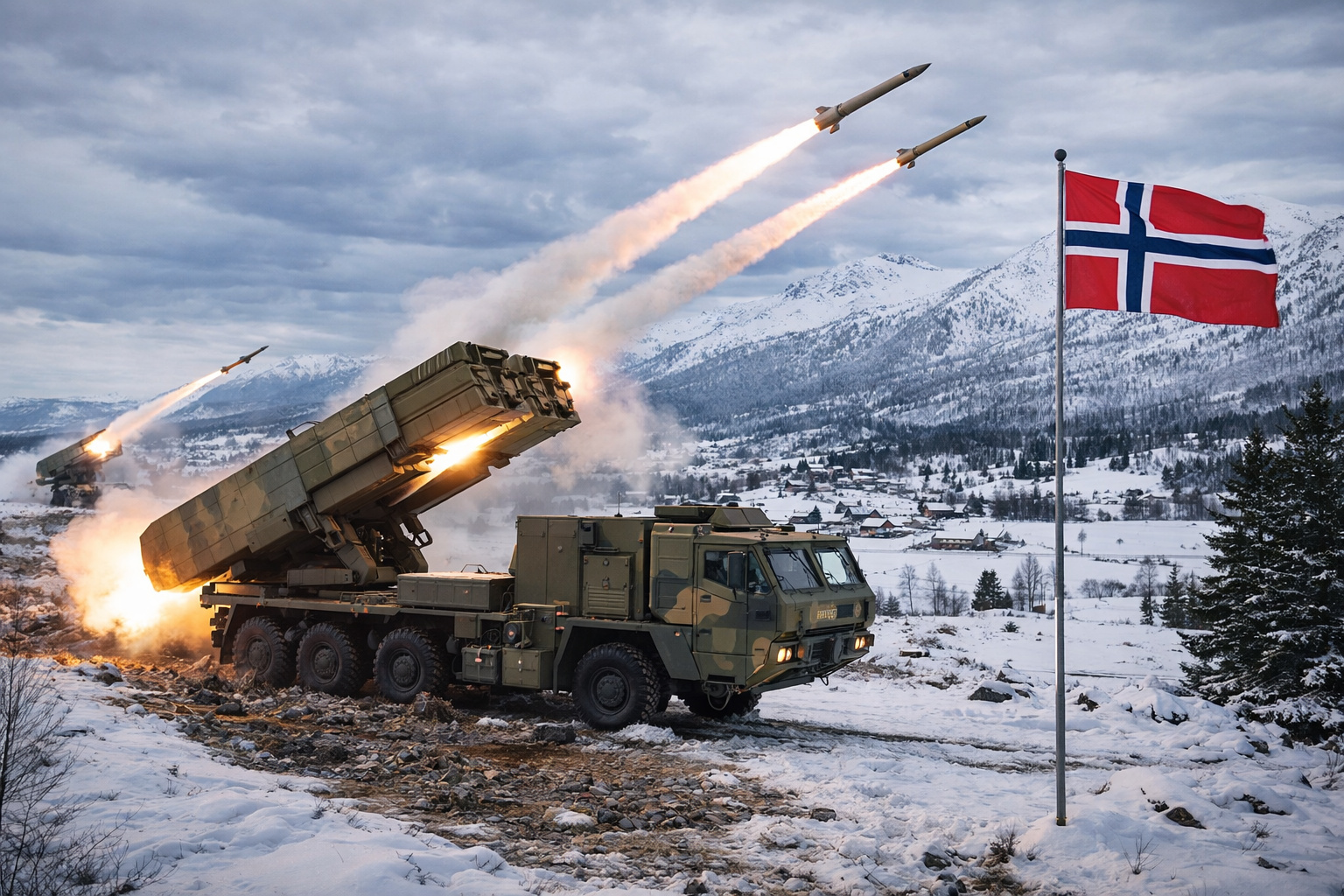
South Korea signs a $922 million deal with Norway, bringing Chunmoo launchers capable of firing guided missiles up to 290 km with an accuracy of 15 meters to Europe and turning the system into a key component of the new global race for precision artillery.
-
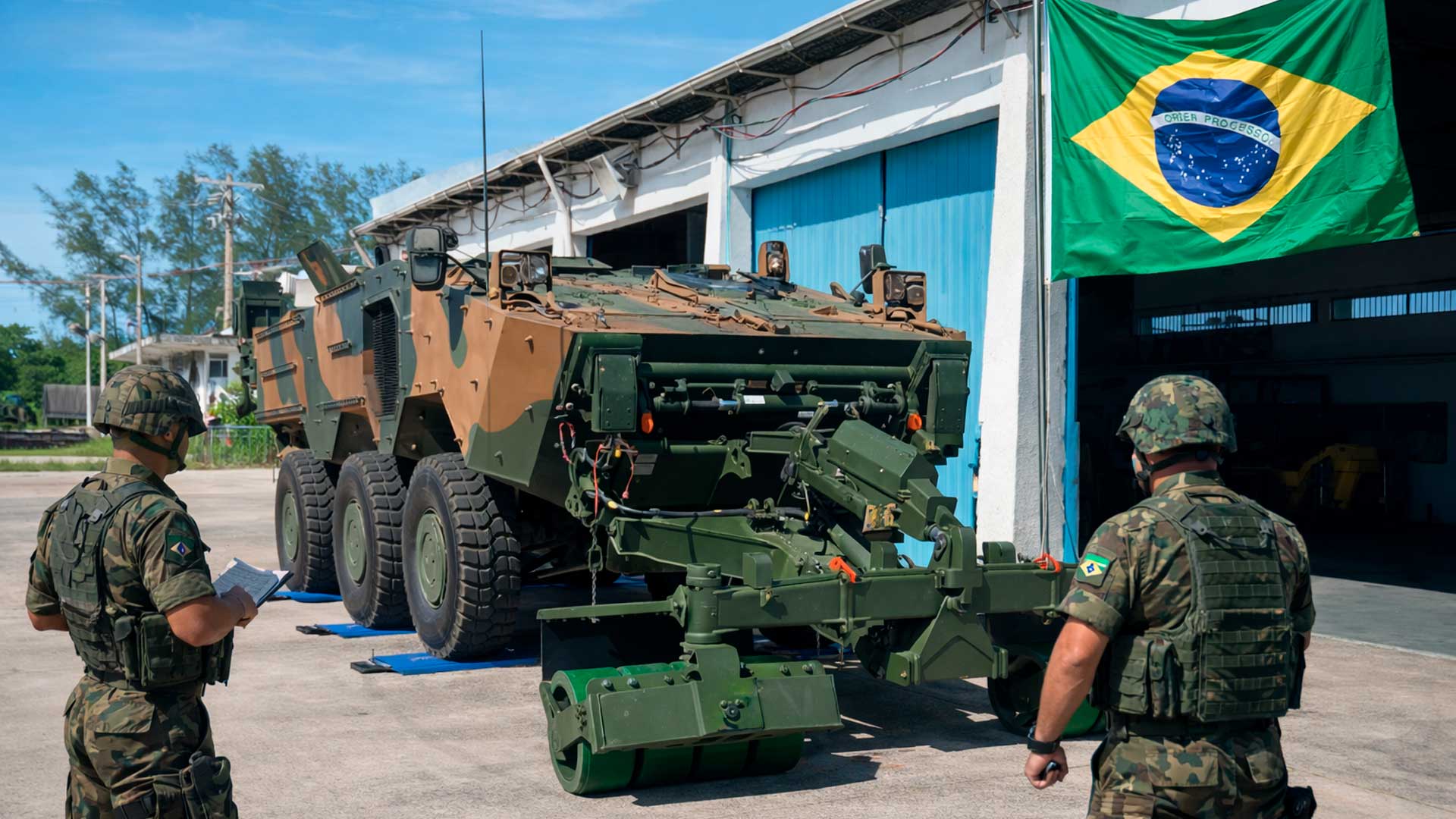
Brazil advances with decisive tests until June, the 6×6 Guarani armored vehicle with engineering equipment enters the most important phase and can enhance the operational capability of the Army.
-
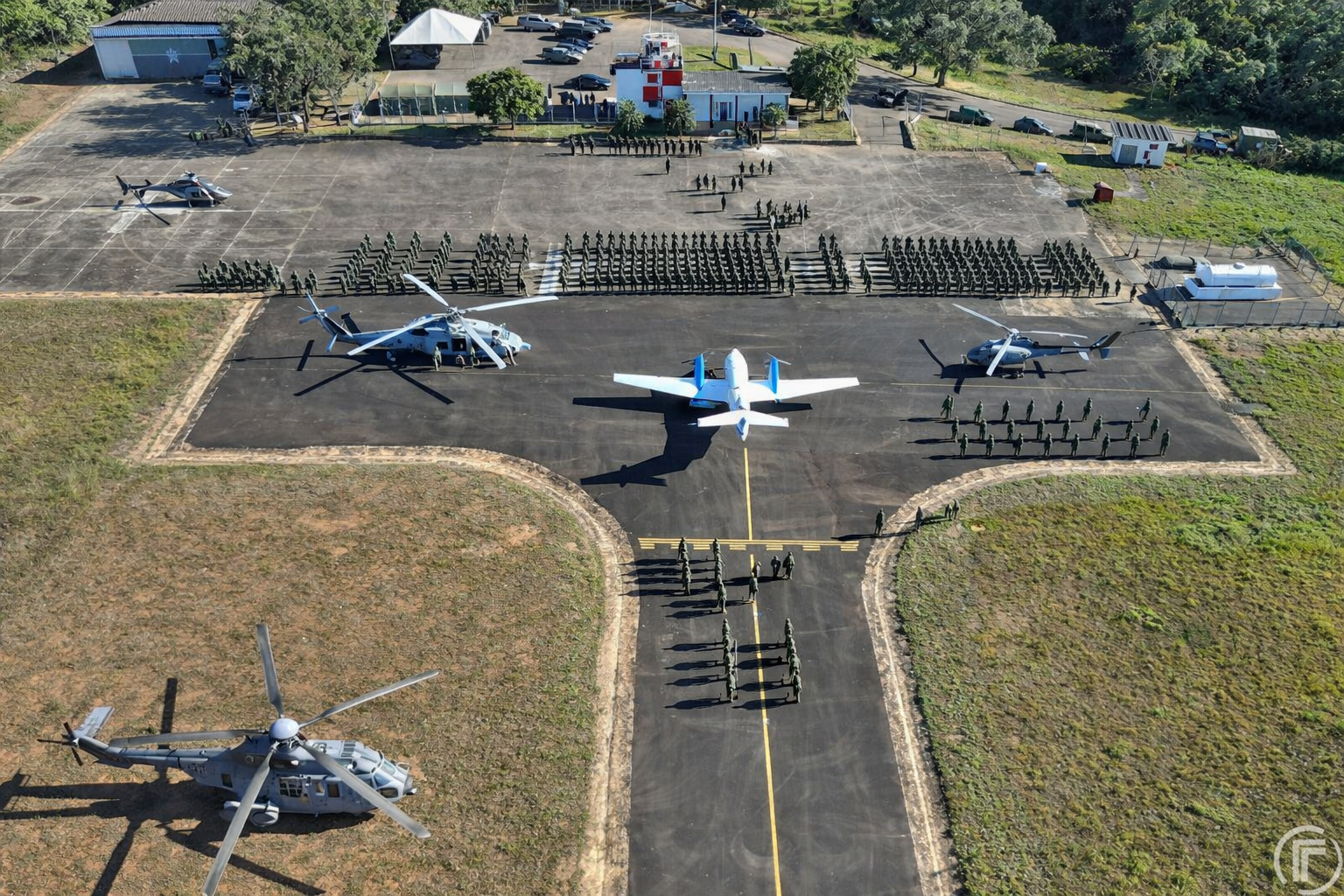
Furnas Airport is handed over to the Navy and becomes a strategic base with complete military operations, attack drones, and international mobilization at Furnas Lake.

Thus, the John Lewis ship plays a strategic role. It carries fuel, supplies, and dry cargo for combat ships, allowing military missions to continue even in remote regions of the planet.
John Lewis Class: Giant Ships Created To Keep Fleets Operating
The John Lewis class was planned to replace part of the older naval logistics infrastructure of the United States.
In total, the program plans for the construction of twenty tankers capable of accompanying naval groups in extended operations.
These ships are operated by the Military Sealift Command, which is responsible for providing logistical support to naval forces. In practice, they function as mobile refueling stations at sea.
Additionally, the new generation of vessels allows for underway replenishment, a process known as “replenishment at sea.” This way, warships can receive fuel and supplies without interrupting their missions.
Impressive Fuel And Cargo Capacity Of The John Lewis Ship
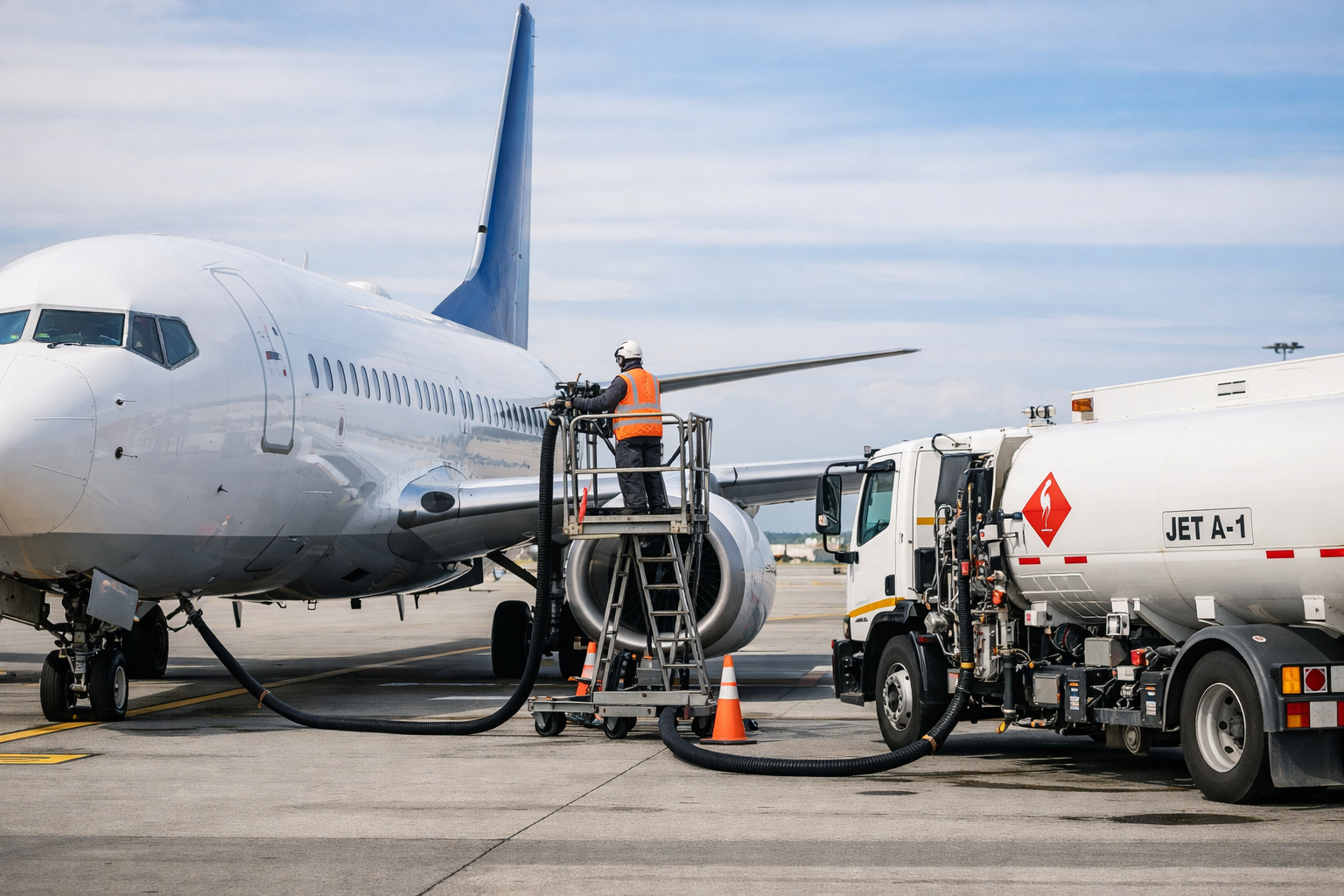
One of the most impressive aspects of the John Lewis class is its logistical capacity. Each vessel of this class can carry approximately 156 thousand barrels of fuel, a sufficient amount to refuel several military ships.
The design also expanded the capacity for dry cargo storage. This means that, besides fuel, the ships can carry food, equipment, and spare parts for the operating fleets.
To facilitate the process, there are transfer stations installed on both sides of the vessel. These stations allow fuel and supplies to be transferred simultaneously to different ships.

Security And Self-Defense Of The John Lewis Ship In Risky Environments
Although it is not a combat ship, the John Lewis ship has essential protection systems. The vessel was designed with a double hull, a structure that increases safety in case of collisions or hull damage.
Additionally, the ship has basic self-defense systems. Among them are crew-operated weapons and devices for protection against mines and torpedoes.
Another important feature is the AN/SLQ-25 Nixie torpedo decoy system. This equipment works by attracting enemy torpedoes away from the vessel, increasing the chances of survival in hostile scenarios.
Even with these resources, the John Lewis ship typically operates accompanied by military escorts when navigating in high-risk areas.
Construction Of The John Lewis Ship And Fleet Expansion
The project for the John Lewis ship began to take shape in 2016 when General Dynamics NASSCO received a contract to design and build the first ships of the class.
The construction of the first ship began in September 2018 at shipyards in the United States. Initially, the delivery was scheduled for 2020, but logistical delays and structural problems at the shipyard postponed the timeline.
As the program progressed, new contracts were signed. In 2024, General Dynamics was authorized to build eight more ships of the same class, with deliveries planned until 2035.
This investment demonstrates the strategic importance of the John Lewis ship for American naval logistics.
Origin Of The Name And Honors Related To The John Lewis Class
The John Lewis ship was named in honor of John Lewis, a leader of the civil rights movement in the United States and a former American congressman.
He stood out in the 1960s and beyond for his efforts in the fight against racial segregation and for the defense of civil rights. Lewis served as a representative in Congress until his death in 2020.
The class tradition follows this historical line. Several ships planned will be named after leaders and activists who marked the history of civil rights in the country.

However, a change occurred recently. One of the ships initially named Harvey Milk was renamed to honor Oscar V. Peterson, a military awarded the Medal of Honor.
Operational History Of The John Lewis Ship At Sea
The John Lewis ship was officially named in July 2021, exactly on the first anniversary of John Lewis’s death. After the ceremony, the vessel underwent intensive testing conducted by the United States Navy.
These tests evaluated everything from navigation systems to the efficiency of at-sea refueling equipment. Only after completing this stage was the ship incorporated into operational service.
In July 2022, the John Lewis ship officially entered service under the control of the Military Sealift Command.
A few months later, the vessel participated in a real rescue mission. While sailing near Mexico, the ship responded to a distress call from a sailor who had been adrift for five days.
The crew rescued the sailor, provided medical assistance, food, and clothing. He was then safely transported to the city of San Diego.
Dimensions And Technical Characteristics Of The John Lewis Ship
The John Lewis ship also impresses with its size and technical specifications. The vessel is approximately 227 meters long and 32 meters wide.
Its displacement is around 22,515 tons when empty. Despite this massive structure, the ship can reach speeds of up to 20 knots, equivalent to about 37 km/h.
The crew consists mainly of 99 civilian mariners from the Military Sealift Command, known as CIVMARS.
Combining modern technology, enormous fuel capacity, and a strategic role in naval logistics, the John Lewis ship has become one of the pillars of operational support for the United States Navy.







-

-

-

-

-

-

34 pessoas reagiram a isso.