





 Portuguese
  English
  Spanish
  3 min of reading


Seeking to Reduce Pollutant Emissions in the Maritime Sector, Northern Lights, a Joint Venture Formed by Shell, Equinor, and Total Will Start Using 100% Renewable Ships
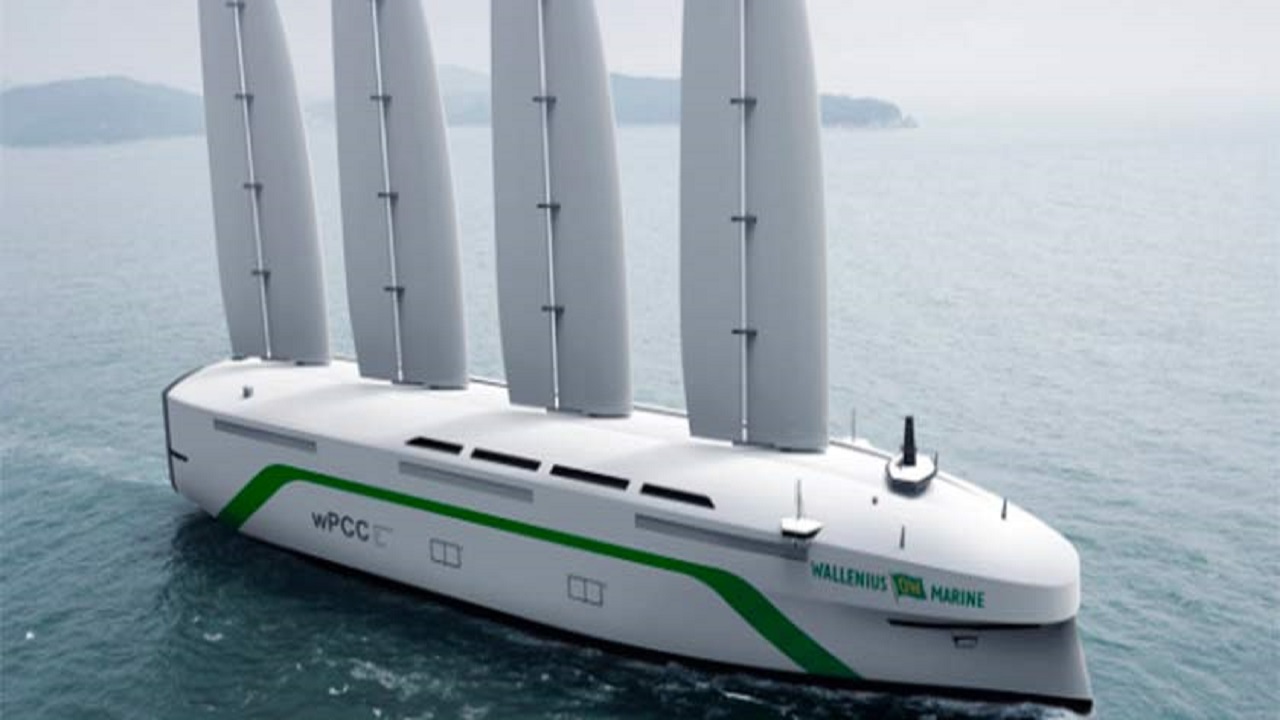
Northern Lights, a joint venture between Shell, Equinor, and Total, has ordered two LNG-powered CO2 ships, equipped with wind energy, from Dalian Shipbuilding Industry Co in China. Under the contract, the Chinese shipyard will build two ships with a capacity of 7,500 cubic meters and a length of 130 meters. The ships are designed to transport liquid CO2 with specially constructed pressurized cargo tanks.
Read Other Related News
Shell, Equinor, and Total Ships Will Be the First to Use Natural Gas and Wind Energy
The ships will use liquefied natural gas as their primary fuel, which will keep harmful emissions to the planet low. Additionally, the ships will be equipped with a propulsion system using wind energy and air lubrication technology, which is expected to reduce carbon intensity by about 34% compared to other conventional systems.
According to the CEO of the Joint Venture between Shell, Equinor, and Total, Borre Jacobsen, the use of the ships will allow for the development of a flexible and efficient infrastructure network for transporting CO2, which is captured by their industrial clients, keeping costs as low as possible to contribute to the scaling down of emissions.
-
Researchers discover a possible hydrogen deposit of up to 46 million tons beneath an ancient coal basin, and the volume could exceed half of the entire global production.

-
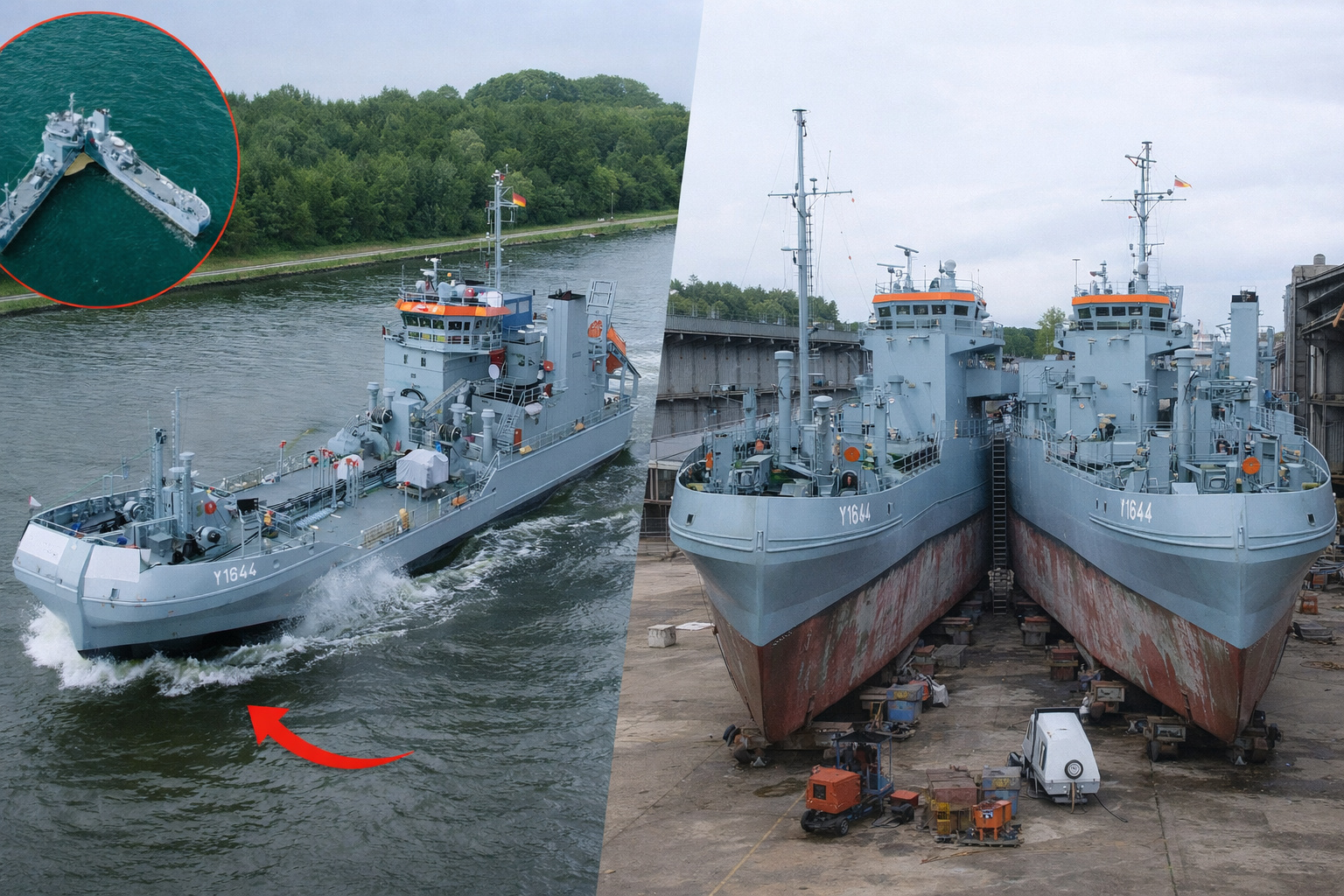
The German ship Bottsand splits its hull in two halves in the middle of the ocean to swallow spilled oil on the surface, separating the oil from the water inside a 790 cubic meter tank and then closing again. It is the only ship in the world factory-designed to split in half as part of normal operations, and the crew of six people who operate everything is civilian.
-
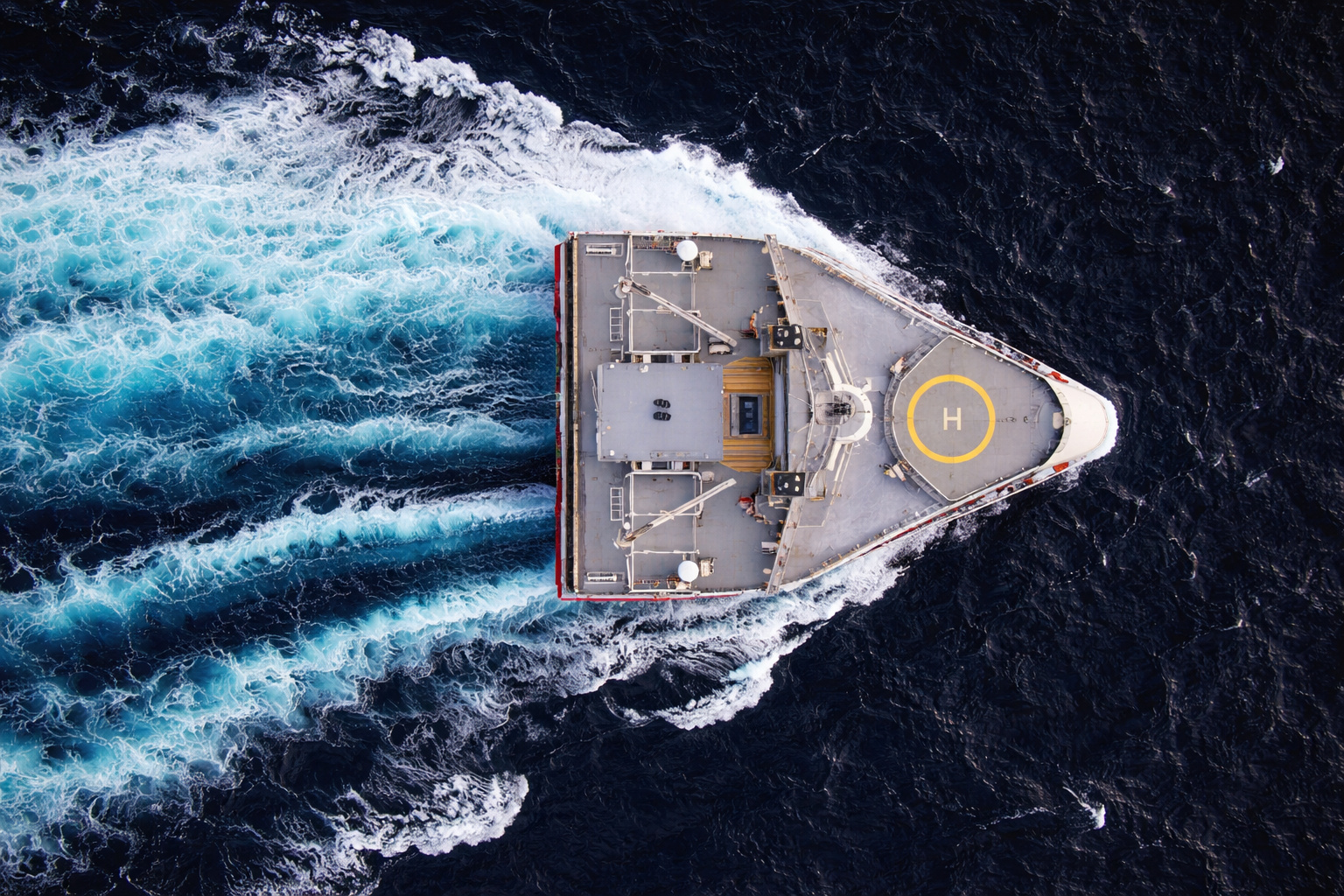
With almost 70 meters in width at the stern and a shape resembling a “giant slice of cheese,” the Ramform Titan tows up to 24 seismic cables to sweep the ocean floor in 3D and reveal oil reserves hidden beneath kilometers of sediment.
-
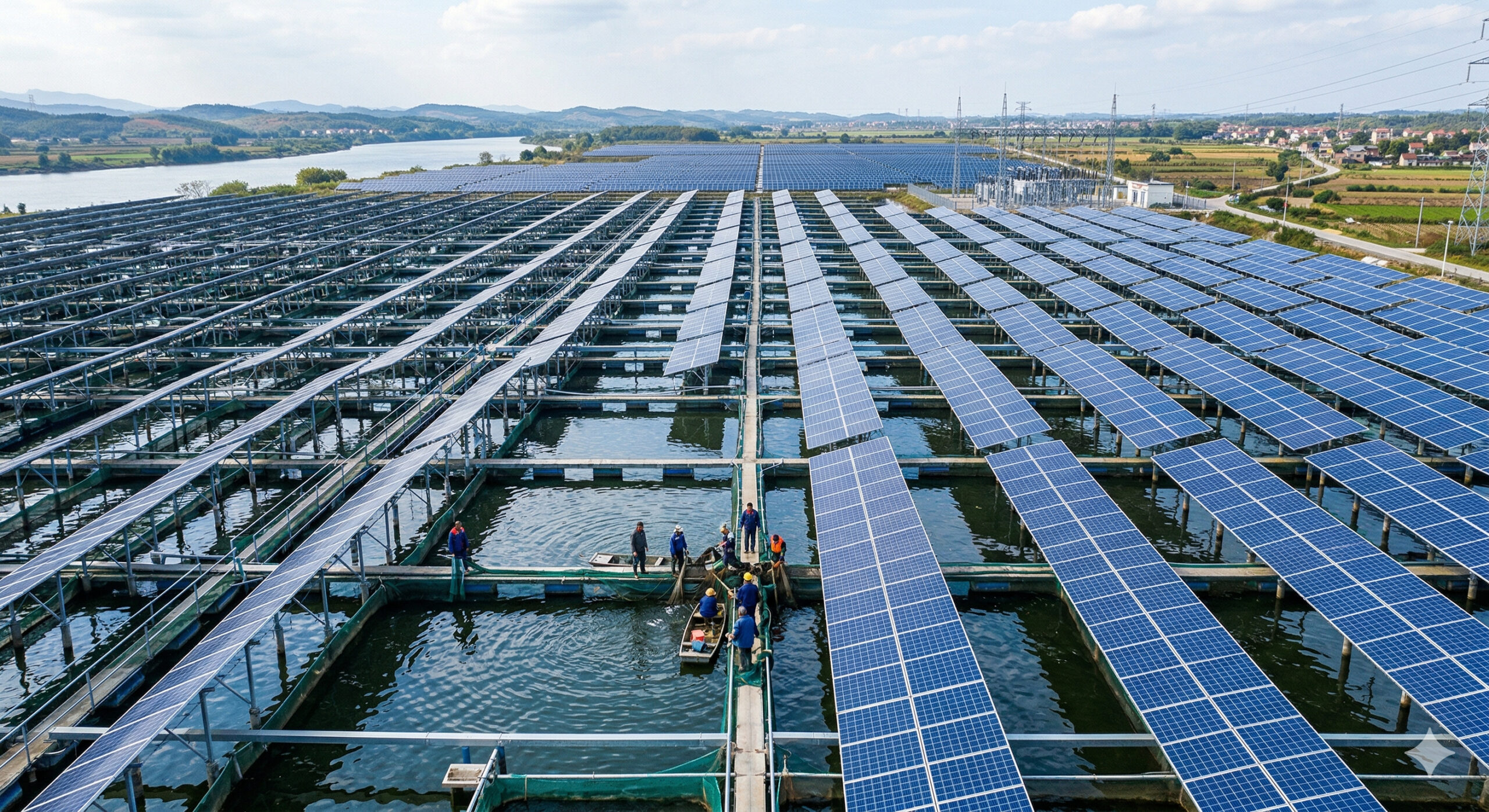
China bets on the Fishery-PV model and transforms fish farms into giant solar plants, covering ponds with panels that generate energy while utilizing the same space for large-scale aquaculture production.

Renewable Ships Will Transport CO2 to the Northern Lights Terminal
According to DSIC’s Marketing Director, Riqiang Hu, responding to the emission reduction strategy, the joint venture of Shell, Equinor, and Total worked alongside DSIC to create the selected technical solutions over the past two years.
The cooperation and efforts of both parties resulted in the awarding of contracts made today (11). When operational, the two LNG and wind energy-powered ships will carry captured and liquefied CO2 from European emitters and transport it to the Northern Lights receiving terminal in Oygarden, western Norway.
The volumes of CO2 will be accurately measured and reported throughout the value chain. These will be independently verified, and the necessary documentation provided to customs officials and regulators.
Natural Gas and Wind Energy-Powered Ships Will Be Delivered in 2024
The CO2 transport ships are scheduled for delivery in mid-2024 and are the first of their hybrid category, potentially setting a new standard for maritime CO2 transportation on coastal trade routes.
Through its cross-border CO2 transport and storage infrastructure, the Joint Venture is enabling the first large-scale CO2 capture and storage value chain, opening doors for cost reductions and the scaling of similar projects in the future.
In March of this year, the Norwegian government approved the development plan of the Joint Venture of Shell, Equinor, and Total, as part of the storage project for the Longship carbon capture and storage initiative.








Seja o primeiro a reagir!