





 Portuguese
  English
  Spanish
  3 min of reading
  0 comments


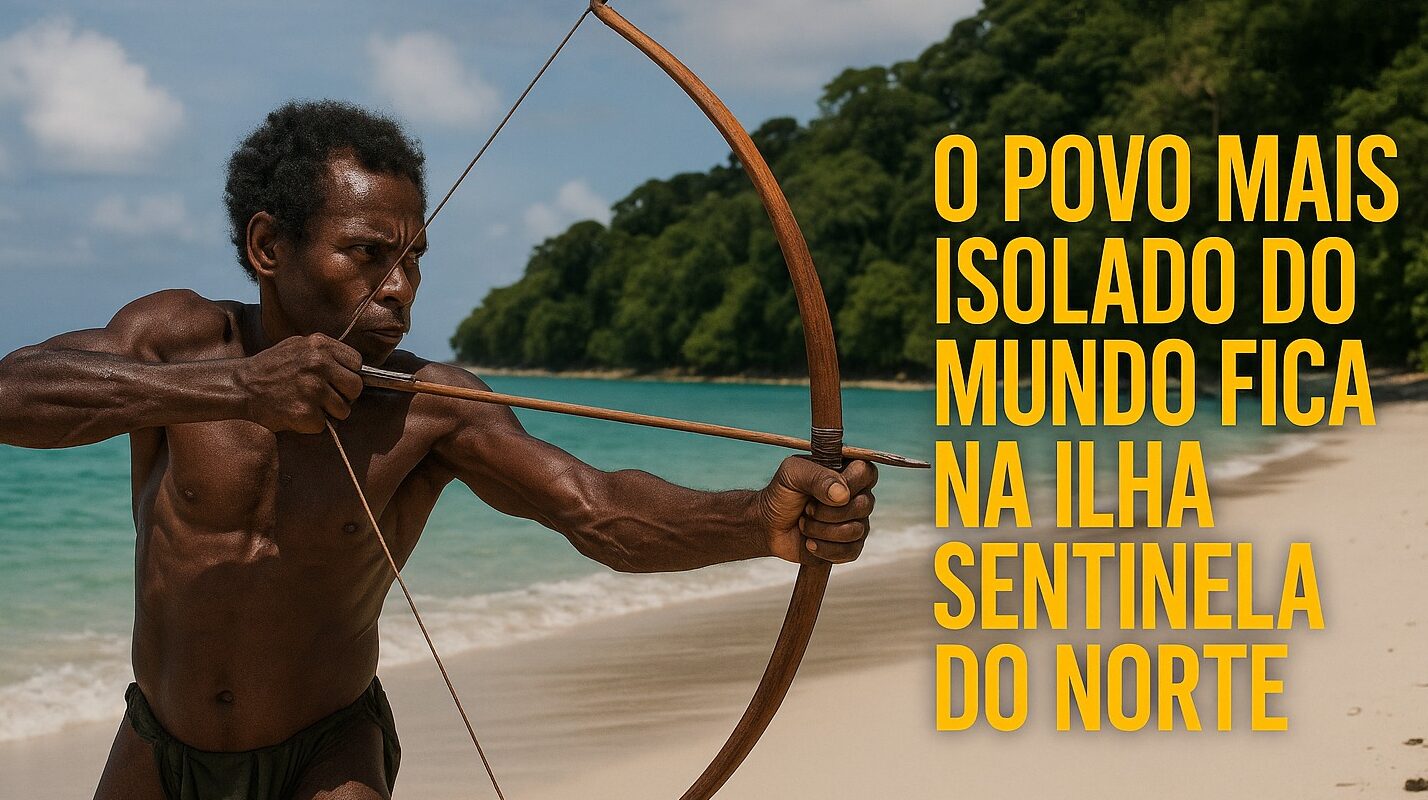
The Arrest of a Young American Who Tried to Enter North Sentinel Island Rekindles the Debate over the Limits of Contact with Isolated Peoples and the Preservation of One of the Last Untouched Societies on the Planet
This year, India returned to the spotlight by arresting Mykhailo Viktorovych Polyakov, a 24-year-old American accused of illegally invading North Sentinel Island. The location is considered one of the most protected and mysterious regions on the planet.
According to Indian authorities, the young man arrived with only a coconut and a can of soda, apparently as a friendly gesture.
However, his action violated laws that prohibit any contact with the local inhabitants, reigniting the global debate over the risks and limits of approaching isolated peoples.
-
A 68-year-old pizza delivery driver went off route to buy a soda that was missing from a visually impaired customer’s order, refused an extra tip, and now Dan Simpson has over R$ 546,000 in donations from people around the world who want to ensure he can retire peacefully on April 30.

-
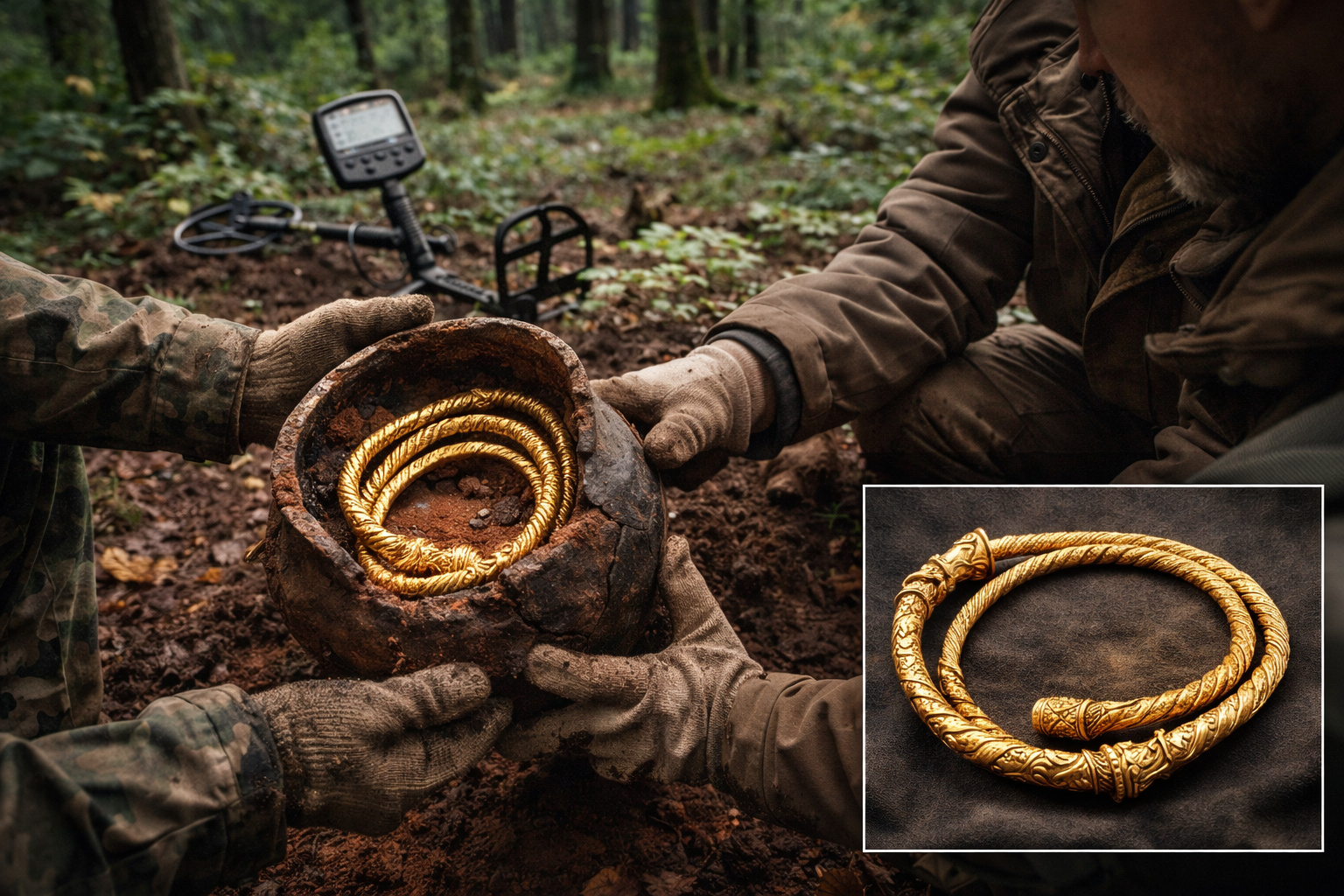
Amateur archaeologists were searching a forest in Poland with metal detectors when they found a ceramic pot buried for over 1,500 years. Inside was a pure gold necklace weighing 222 grams, folded to fit in the vessel, and when experts examined the piece, they discovered it was the first Gothic torque ever found in Polish territory.
-
Millions of people have been eating pomegranates for centuries without knowing that this ancient fruit contains punicalagins, which scientists are studying for their possible effects on memory and vascular health.

-
Argentina patrols the South Atlantic with ships built in France and monitors over 1.1 million km² with 87 m OPVs, a range of 7,500 miles, 360° radar, and a 30 mm cannon against illegal fishing in the 200-mile zone.

A Society That Lives Outside of Time
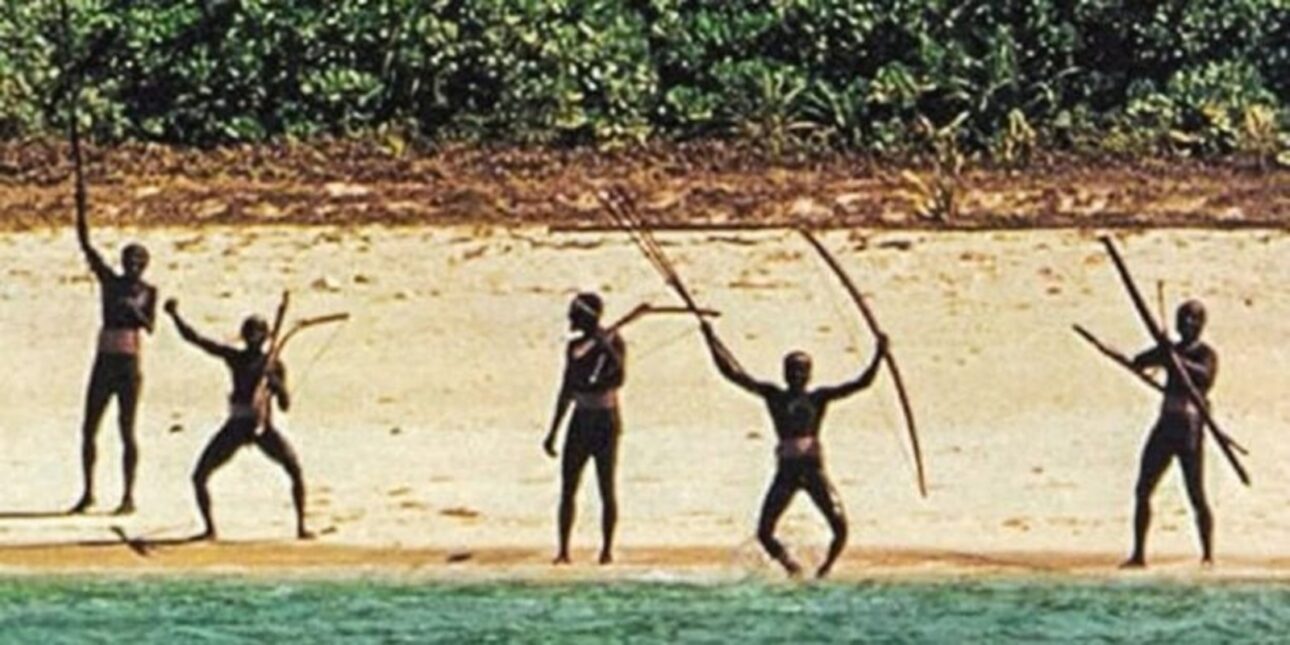
The Sentinels are recognized as the most isolated human group in the world. It is estimated that there are no more than two hundred individuals, distributed in small bands.
They hunt, fish, gather fruits, and use rudimentary tools made of wood, bones, and stones.
Interestingly, they also make use of metal scraps found in debris brought in by the sea, demonstrating adaptability without losing their traditional way of life.
Everything in their routine is geared toward self-sufficiency and harmonious coexistence with the rainforest that covers the island.
The Isolation Imposed by Geography and the Law
Located in the Indian archipelago of Andaman and Nicobar in the Indian Ocean, North Sentinel Island is about 59 square kilometers.
Since 1956, it has been protected by legislation that prohibits any human approach. No vessel may come within 9.26 kilometers of the coast, under penalty of detention.
The Indian Coast Guard constantly patrols the area, preventing tourists and fishermen from violating the restriction.
The measure aims to protect both the residents and those who venture near, as contact can be dangerous for both parties.
The Invisible Risk of Modern Diseases
The restrictions are not only cultural but also sanitary. Having never had contact with the outside world, the Sentinels do not possess immunity against simple diseases such as the flu and measles.
A common infection for us could become fatal for the entire community. Therefore, isolation is seen as a form of protection for the health and continuity of a group that has survived for millennia without outside interference.
Frustrated Attempts and Violent Encounters on North Sentinel
Over the decades, several attempts at contact have been made — almost all with tense outcomes.
In 1970, researchers left coconuts, bananas, and fish on the beach but were met with arrows. The same happened on other occasions, confirming the natives’ aversion to contact.
In 2022, three fishermen who approached the island mysteriously disappeared. Indian authorities believe they were killed, reinforcing the Sentinels’ determination to maintain their independence.
Ancient Knowledge in Harmony with Nature
Despite living in isolation, the Sentinels are not seen merely as a “lost people.” Anthropologists highlight their environmental wisdom and how they master the forest, rivers, and sea.
Their simple dwellings made of straw and wood and the social division among members ensure the group’s survival in a challenging ecosystem.
This knowledge passed down from generation to generation shows that there are other forms of civilization — and that technological dependence is not the only measure of progress.
North Sentinel: The Island That Resists Time
The Indian government maintains a policy of absolute isolation, considering the territory a human and ecological sanctuary. Interfering with this balance would jeopardize not only a unique culture but also a living part of human history.
The case of Polyakov reinforced this view. His attempt to approach, even if peaceful, endangered both his life and that of the natives.
North Sentinel Island remains, therefore, a symbol of cultural resistance and autonomy. A small piece of the planet where time seems to have stopped — and where the right to remain isolated is still respected.
With information from Tribuna de Minas.





Seja o primeiro a reagir!