





 Portuguese
  English
  Spanish
  4 min of reading
  11 comments


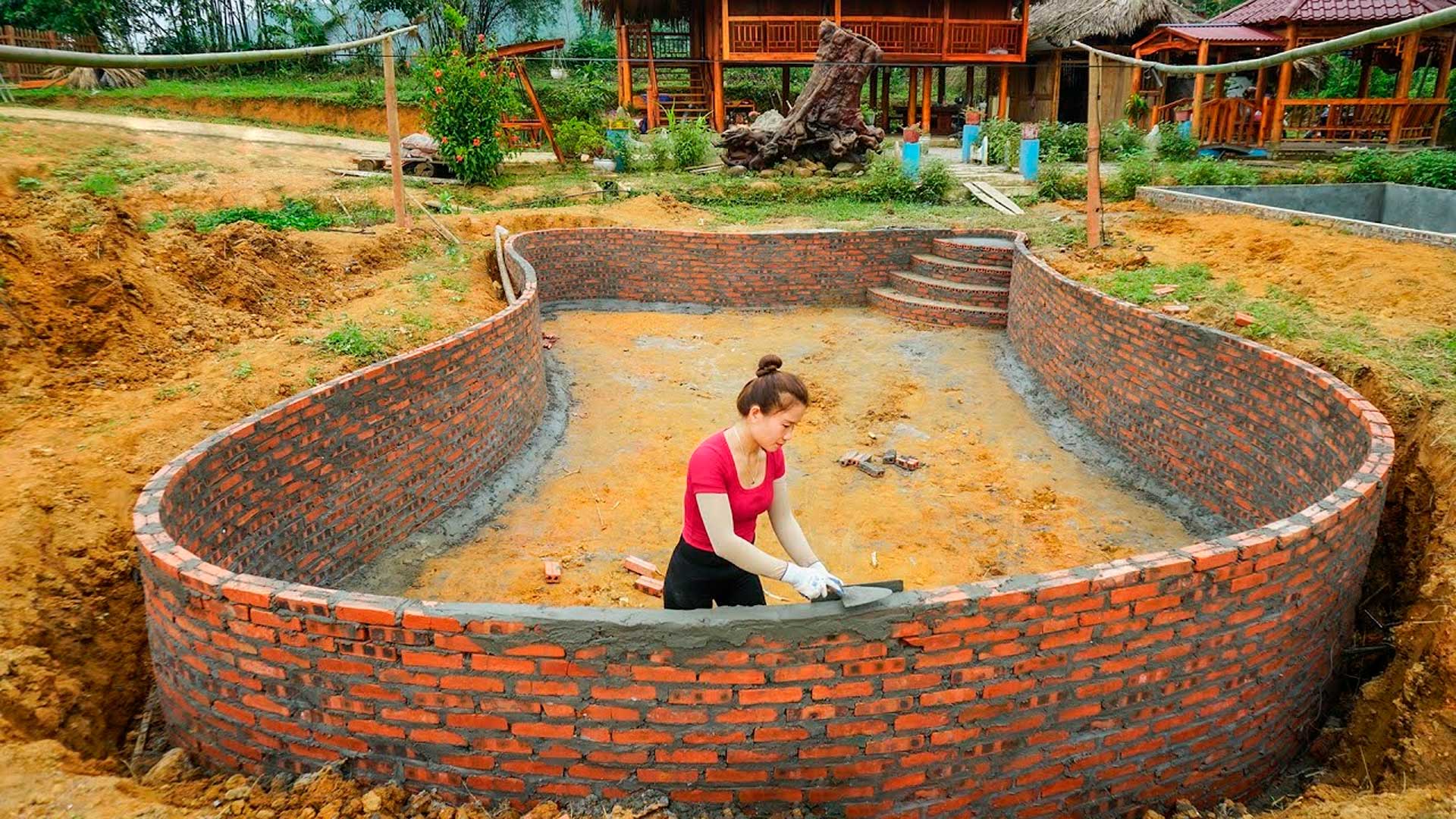


My Farm / Đào Channel Video Surpasses 2 Million Views By Showing a Hand-Made Masonry Pool in a Rural Area and Reignites the Safety Debate
The scene appears simple yet unusual. A young woman working alone at a steady pace to build a masonry pool using bricks, cement, and basic tools, without a team and without heavy machinery.
The footage, published on YouTube by the My Farm / Đào channel, has over 2.2 million views and has become a reference in construction, renovation, and DIY project communities.
The interest goes beyond the final result. What stands out is the series of technical decisions that often go unnoticed by those who only see the completed work, such as land preparation, compaction, concrete curing, and internal sealing.
-
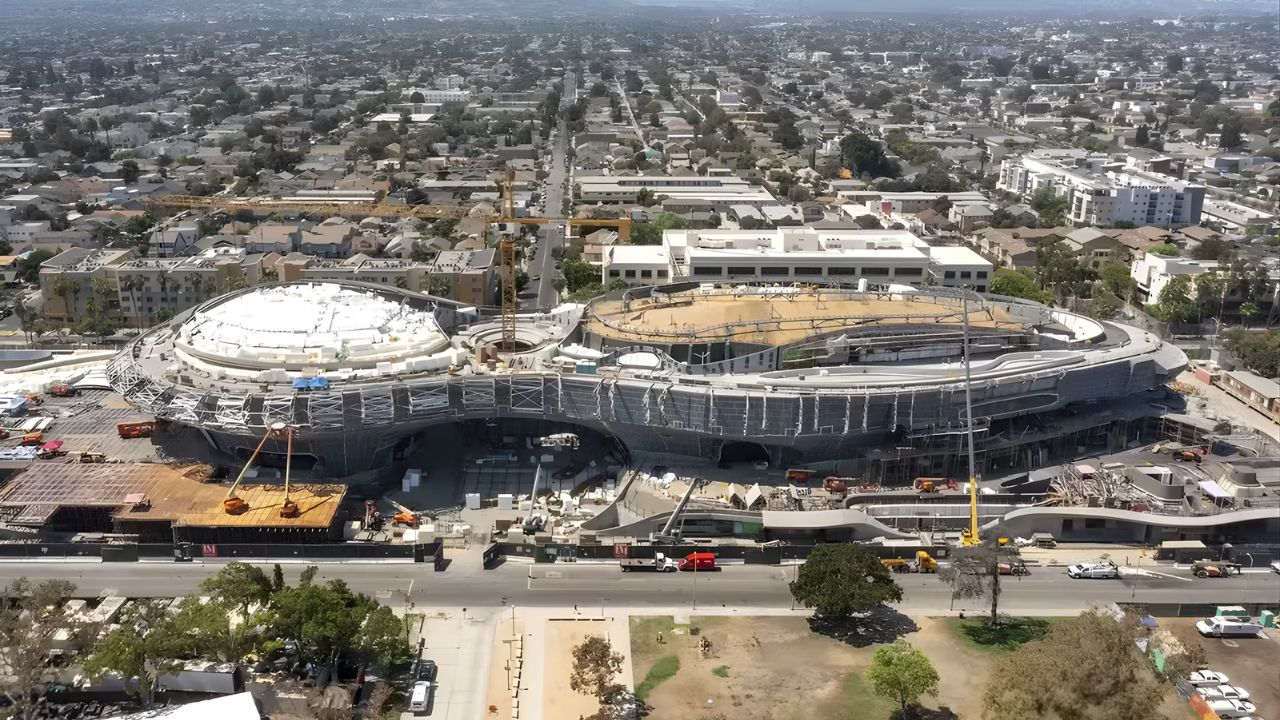
Created by George Lucas with over $1 billion, a futuristic museum in the shape of a spaceship with 1,500 curved panels is about to open in Los Angeles and will house one of the largest private collections of narrative art in the world.
-
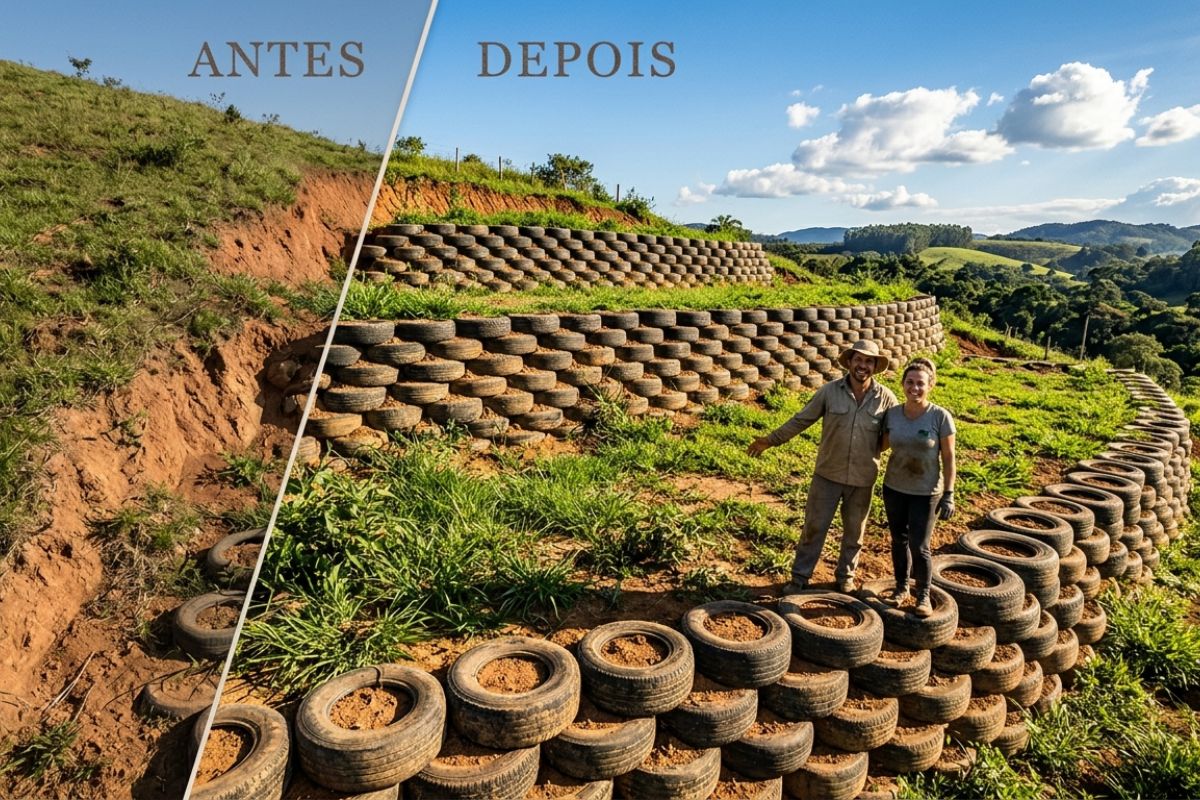
Couple shows how they built a retaining wall on their property using 400 old tires: sloped land turned into plateaus, tires are aligned, filled, and compacted with layers of soil, with grass helping in support and at almost zero cost.
-
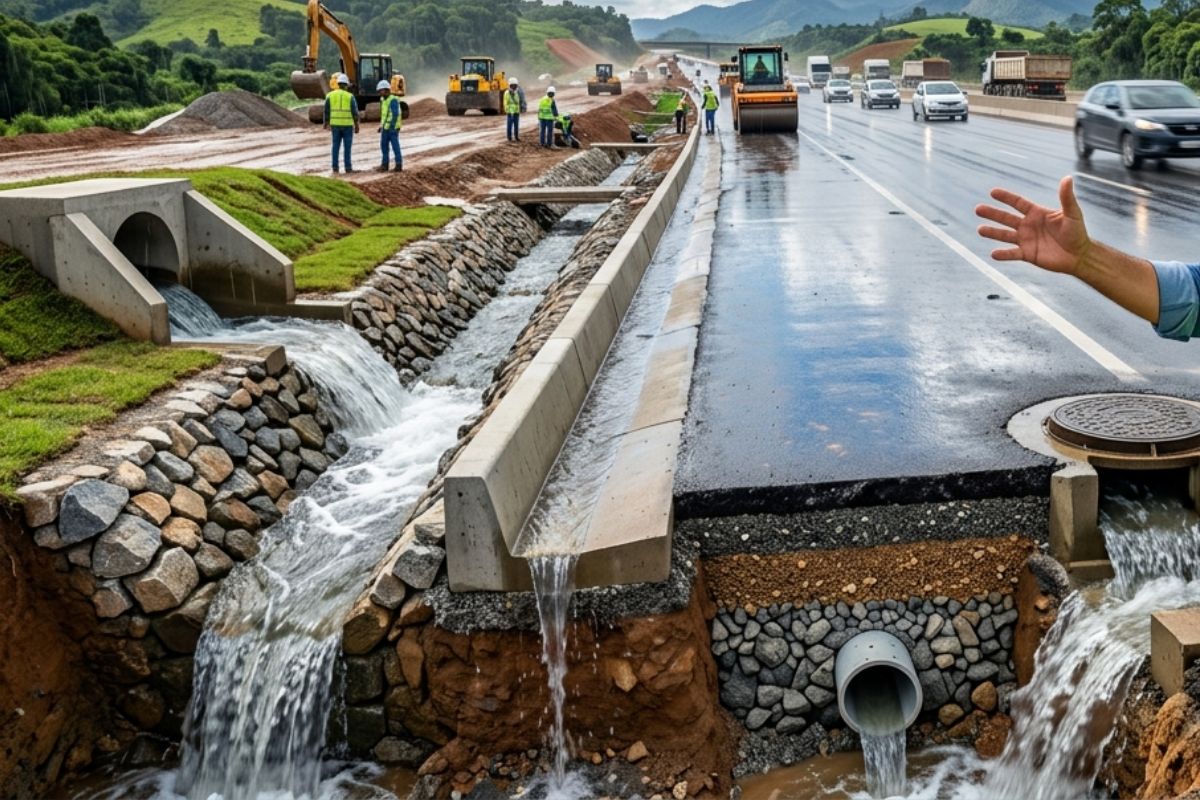
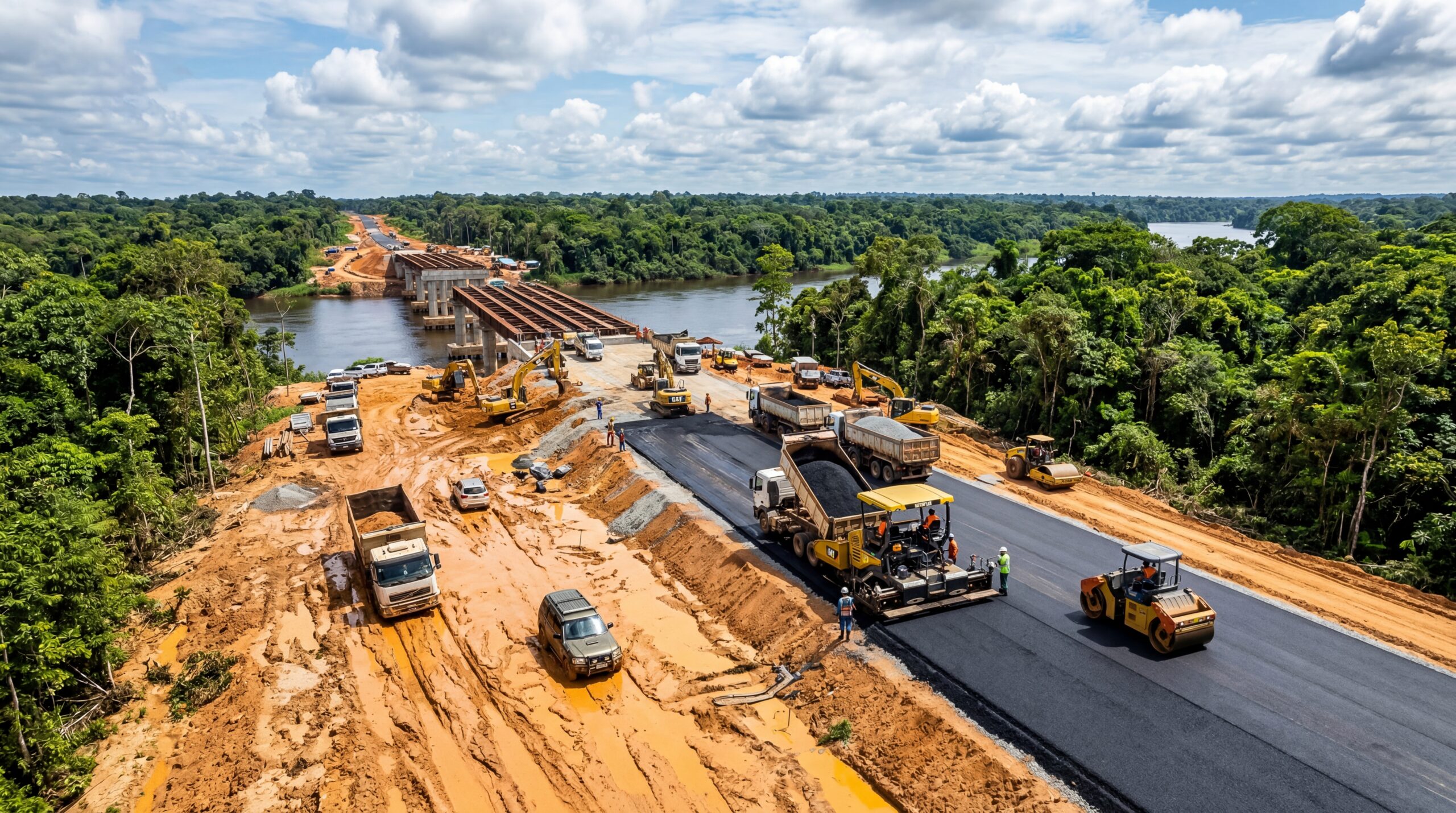
Engineer explains drainage during the rainy season: the difference between surface water and deep water, ditches, gutters, and water outlets on the road, as well as drains and drainage mattresses, to prevent erosion, aquaplaning, and flooding at the construction site today.
-
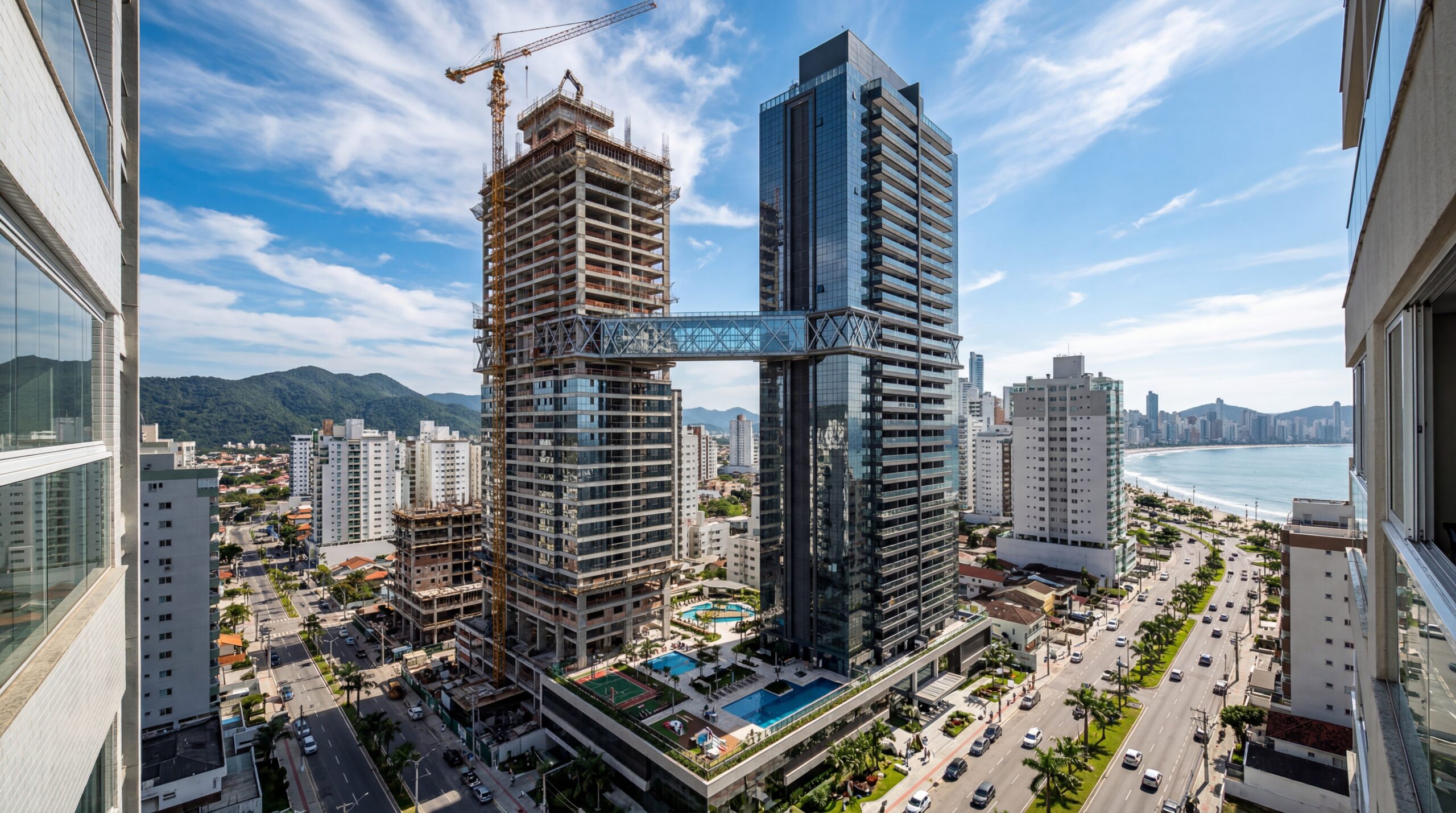
With 55 floors, 177 meters in height, a 15-meter walkway between the twin towers, ventilated facade, and 6,300 m² of leisure space, Ápice Towers already has one tower completed and another nearly at the top.


At the same time, the video’s popularity also fuels an old discussion in 2026. To what extent does the DIY autonomy inspire, and when does it become a structural risk and liability?
Brick and Cement Pool Built by One Person Reignites the Debate on Autonomy and Responsibility in Construction
The video fits into a type of content that is growing on social media. Stories of solo building in rural areas, with a tight budget and a focus on using common materials, such as brick and cement, gain traction for being replicable.
In the case of the My Farm / Đào channel, the content is presented as pool construction for heat adaptation and appears in reposts and collections of reference for DIY projects, which further expands distribution.
The issue is that a pool is not just a hole in the ground filled with water. It is a structure that must support load, ground movement, and, primarily, constant internal pressure, which explains why small mistakes can lead to cracks, leaks, and costly rework.
Soil Preparation and Proper Foundation Determine the Lifespan of the Masonry Pool
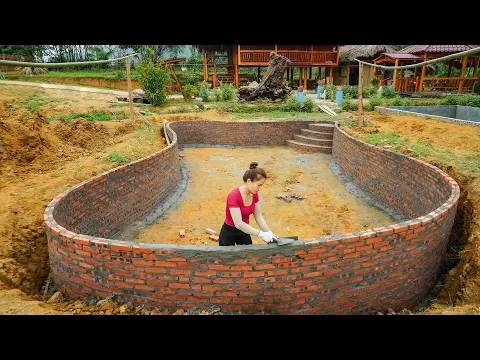

Among the most critical aspects is what happens before the first brick. Engineering manuals treat the removal of unsuitable material, including roots, vegetation, and topsoil, as a minimum requirement because organic matter decomposes and can create voids and settling over time.
In concrete base projects, the logic is straightforward. If the soil yields unevenly, the structure tends to crack, and a crack is the beginning of a leak.
Hence, when the video highlights the cleaning of the land, marking, excavation, and leveling of the bottom, it ends up showing, even without technical language, what professionals call a decisive step for durability.
Concrete Curing and Waterproofing Support the Structure When the Pool Fills and Pressure Increases
The pressure of the water is not abstract. In physics, it increases with depth and is described by the relationship P = ρgh, where pressure grows as the water column gets higher, which helps explain why out-of-plumb walls and weak mortar tend to fail first at the bottom.
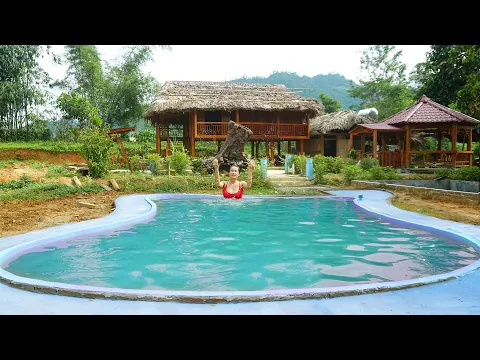
At this point, two stages come into play that the public often underestimates. The first is concrete curing, which involves maintaining humidity and temperature conditions to allow cement hydration and property gain.
Technical guides and industry references indicate curing practices that often consider a period of around 7 days as a general requirement in applications with Portland cement, varying according to environment and specification.
At the same time, it is common to measure concrete strength at 28 days as a standardized performance reference, which reinforces why filling a structure too soon can come at a cost later.
The second stage is sealing, which usually involves well-executed plastering and waterproofing systems suitable for the use. Without watertightness, water finds paths, increases permanent humidity in the surroundings, and accelerates the appearance of cracks and detachments, especially in brick and cement pools.
Finishing, Filling Test, and Safety Determine If the Project Becomes Leisure or a Headache
Another part that attracts attention in the content is the closure of the cycle. The gradual filling test, observed in reports of this type, serves as a practical check to identify leaks and weak points before the pool goes into daily use.

It is also at this stage that finishing details matter more than aesthetics. Rounded edges, surface regularity, drainage of the surroundings, and circulation area reduce the risk of falls and help preserve the coating and masonry against recurring infiltrations.
Even so, experts remind us that such construction may require professional assessment depending on the terrain, groundwater level, need for reinforcements, and local regulations. What seems simple in the video may not be safely replicated in another soil type, with different humidity, and with other materials.
In the end, the My Farm / Đào video becomes an ambiguous symbol in 2026. It is a portrait of discipline and autonomy, but also a reminder that a pool is a structural work requiring technical skill from start to finish.
If you saw a neighbor building a pool alone like this, would you call it courage or recklessness? Comment on what weighs more for you, the DIY inspiration or the risk of a project without a technical responsible party, and why.









Top demais amei
Mocinha você é uma benção parabéns 👏🏻👏🏻👏🏻👏🏻
Quem tem tempo **** longe