





 Portuguese
  English
  Spanish
  3 min of reading


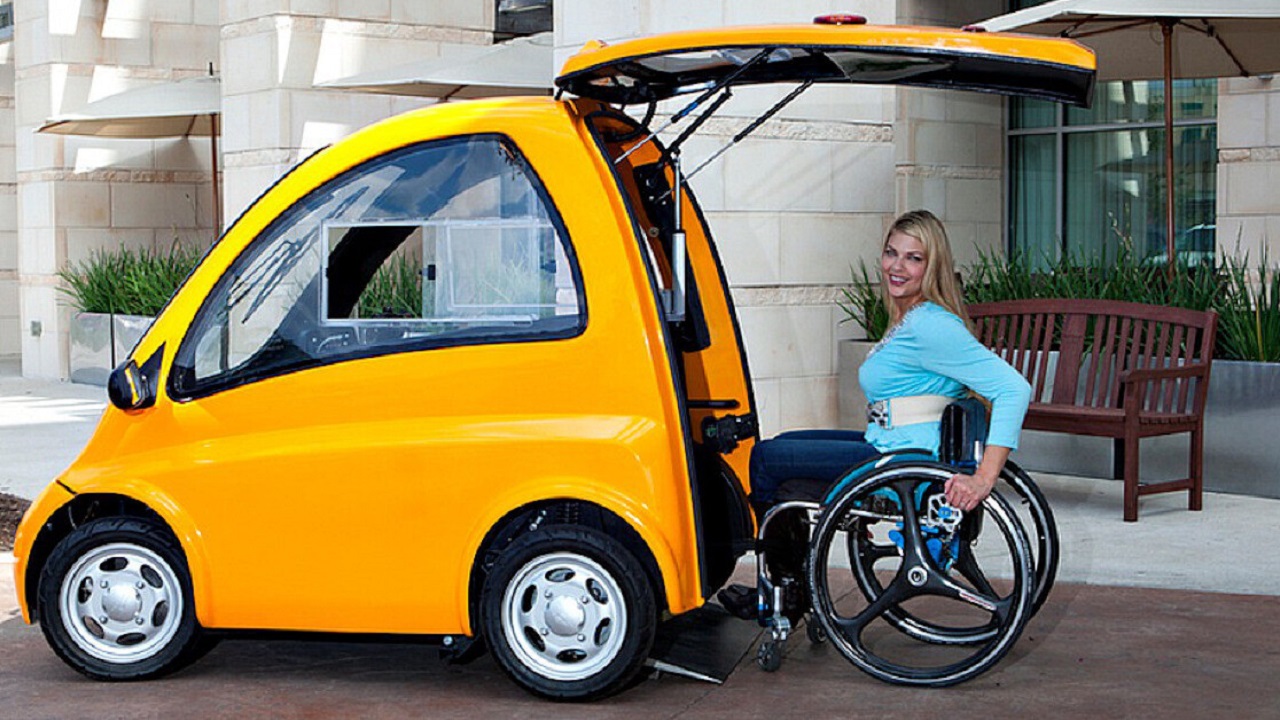
The Electric Vehicle Market Has Seen Incredible Growth In The Last Decade. There Were 7.2 Million Electric Cars On The Road In 2019, Despite Having Less Than 20,000 In Use Just Nine Years Earlier. New Models Are Emerging All The Time – And The Kenguru Is Easily One Of The Most Intriguing.
In an Innovative and Competitive Market, The Kenguru Manages To Stand Out From Other Electric Cars. It Is Not The Fastest Electric Car, Nor Does It Have The Longest Range, But It Has A Notable Claim To Fame. It Is The First Electric Car In The World Made Specifically For People With Disabilities (PWD). The Kenguru Has Only One Door, Which Takes Up The Entire Rear Panel Of The Vehicle. With The Click Of A Button, The Rear Panel Lifts And A Ramp Automatically Extends. When Drivers Turn On The Ignition, The Ramp Retracts And The Door Closes.
Kenguru, The First Electric Car For PWD


Instead Of The Traditional Steering Wheel And Pedals, The Kenguru Features A Handlebar, Similar To A Motorcycle. These Controls Have Buttons That Allow Drivers To Accelerate And Brake Without Using Their Feet. There Is Also A Wheelchair Locking Mechanism That Prevents The Car From Starting Until The Driver’s Wheelchair Is Securely In Place.
Accessible Vehicles For Wheelchairs Have Been Around For A While, But They Can Cost Between US$ 40,000 And US$ 100,000, Making Them Very Expensive For Many People. On The Other Hand, The Kenguru Costs Just US$ 25,000, And Users Can Get It Even Cheaper. As A Fully Electric Vehicle, It Is Eligible For Federal And State Tax Credits. The Kenguru Is Also So Small And Lightweight That It Classifies As A Electric Scooter. This Means You Do Not Need A Driver’s License To Operate It, Making It Even More Accessible.
-
The car stored for 38 years: when opening the barn door, what appears is breathtaking and looks like a scene from a movie!

-
Fiat works miracles in the Brazilian market, lowers the price of its 0 km hatch to R$ 69,990, reestablishes the model as the cheapest car in the country, and reignites the battle against Kwid and C3.
-
Chevette with cooking gas: How the gas cylinder ends up being used in cars clandestinely and why this makeshift solution can result in leaks, explosions, damaged engines, and seized vehicles.

-
Fiat launches the new 2027 Toro hybrid with 48V, 176 hp, an electric motor of 15.5 hp, a 0.85 kWh battery, up to 7% fuel savings, 8% fewer emissions, and possible exemption from IPVA.


Compared To Other Electric Cars, The Kenguru Is Not Particularly Fast Or Rich In Features. It Has A Maximum Speed Of 45km/h And A Range Of 110 KM. There Is Also No Space For Passengers And Storage Space Is Limited.
Kenguru Is A Highlight For Wheelchair Users
Although The Kenguru May Not Be Comparable To A Regular Car, It Does Exactly What It Should. It Offers People Who Use Wheelchairs An Economical And Accessible Way To Get Around The City. The
Transport Can Be A Considerable Barrier For Wheelchair Users, But The Kenguru Offers An Answer. The Kenguru Also Fully Charges With An Empty Battery In Just Eight Hours. As It Can Charge So Quickly, Its Limited Range Is Less Concerning. The Kenguru Also Has Other Models Available. A New Electric Car Costs An Average Of US$ 55,600, While The Electric Car For PWD Costs Less Than Half That Price.
The Electric Vehicle Market Is Becoming More Diverse
A Vehicle Like The Kenguru Is A Positive Sign For The Electric Car Market For PWDs. Electric Car Manufacturers Are Creating Products With A More Diverse Audience In Mind. There Is An Electric Car Suitable For Virtually Everyone.
As More Of These Niche Market Models Appear, Electric Cars As A Whole Will Be More Appealing. They Will Continue To Grow And Emissions Will Fall As A Result. The Kenguru May Be A Tiny Car, But It Represents A Big Step Forward In The Electric Mobility Market.









Seja o primeiro a reagir!