





 Portuguese
  English
  Spanish
  5 min of reading
  0 comments


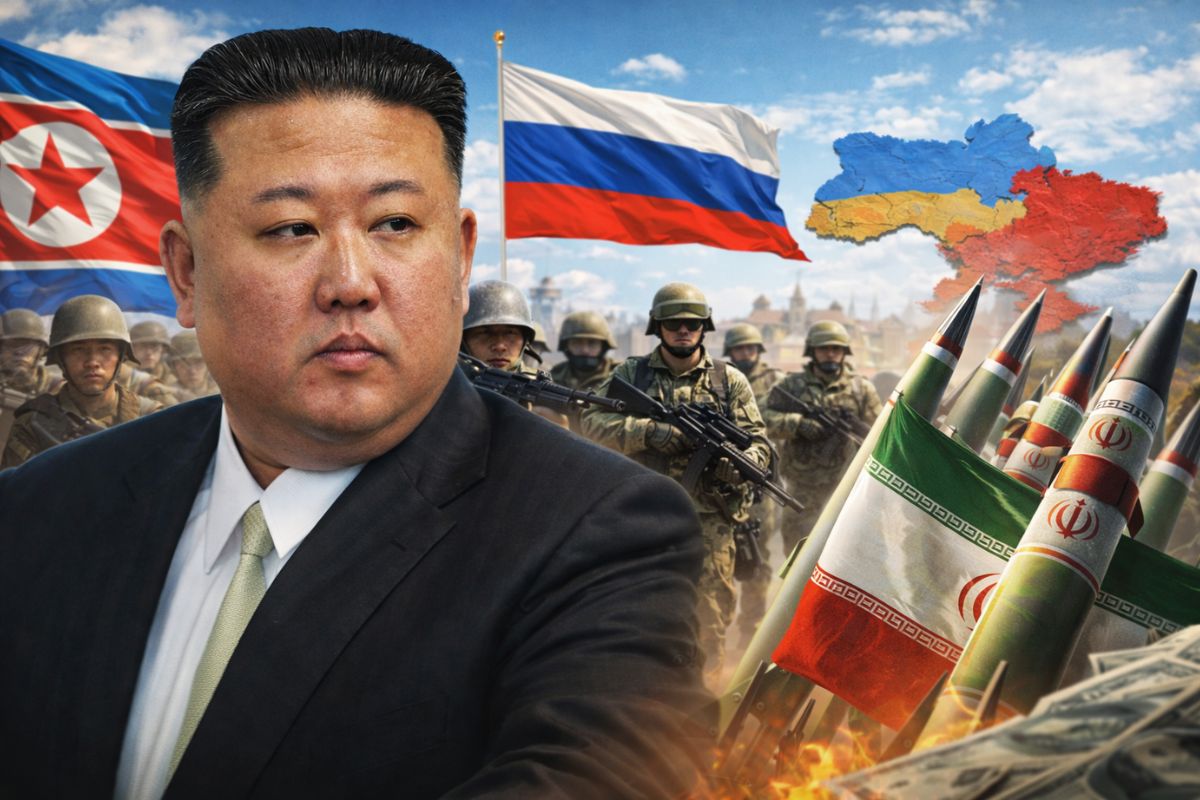
Kim Jong-un is playing on several boards at the same time, sending soldiers to Russia while distancing himself from Iran and avoiding criticizing Trump because North Korea wants to preserve the possibility of a new relationship with the United States after the war without giving up its historical alliances
According to information from Channel Record News, Kim Jong-un is engaging in a diplomatic game that few leaders would dare to attempt. On one hand, North Korea is sending ground troops to fight alongside Russia in Ukraine; North Korean soldiers have already been captured and killed by Ukrainians. On the other hand, Kim Jong-un refuses to send weapons or supplies to Iran, a long-time historical partner, and avoids any public criticism of American President Donald Trump. The strategy may seem contradictory, but it has a clear logic: to maintain old allies while keeping the door open for the United States.
According to the National Intelligence Service of South Korea, Kim Jong-un’s government has not sent weapons to Iran since the beginning of the conflict and has not even issued public condolences for the death of Iranian Supreme Leader Ali Khamenei. The Ministry of Foreign Affairs of North Korea has only issued two mild statements on the subject and continues a trend of avoiding direct criticism of Trump all while keeping infantry soldiers fighting in Ukraine alongside Russian forces. Kim Jong-un is trying to please everyone at the same time.
Why Kim Jong-un distanced himself from Iran without breaking with Russia
Kim Jong-un’s decision not to send weapons to Iran while maintaining active military support for Russia reveals a hierarchy of priorities.
-
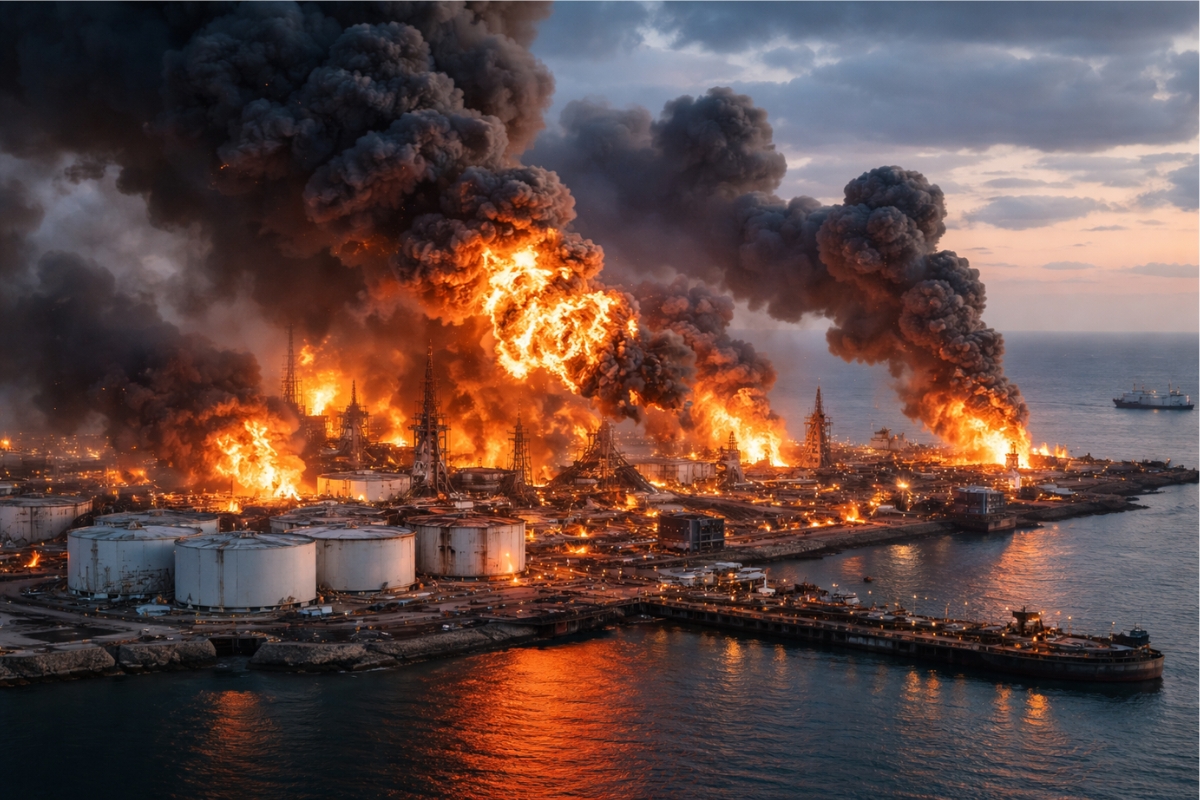
Trump says “An entire civilization will die tonight, never to return” while threatening Iran after more than 50 attacks on the country’s main oil terminal.
-
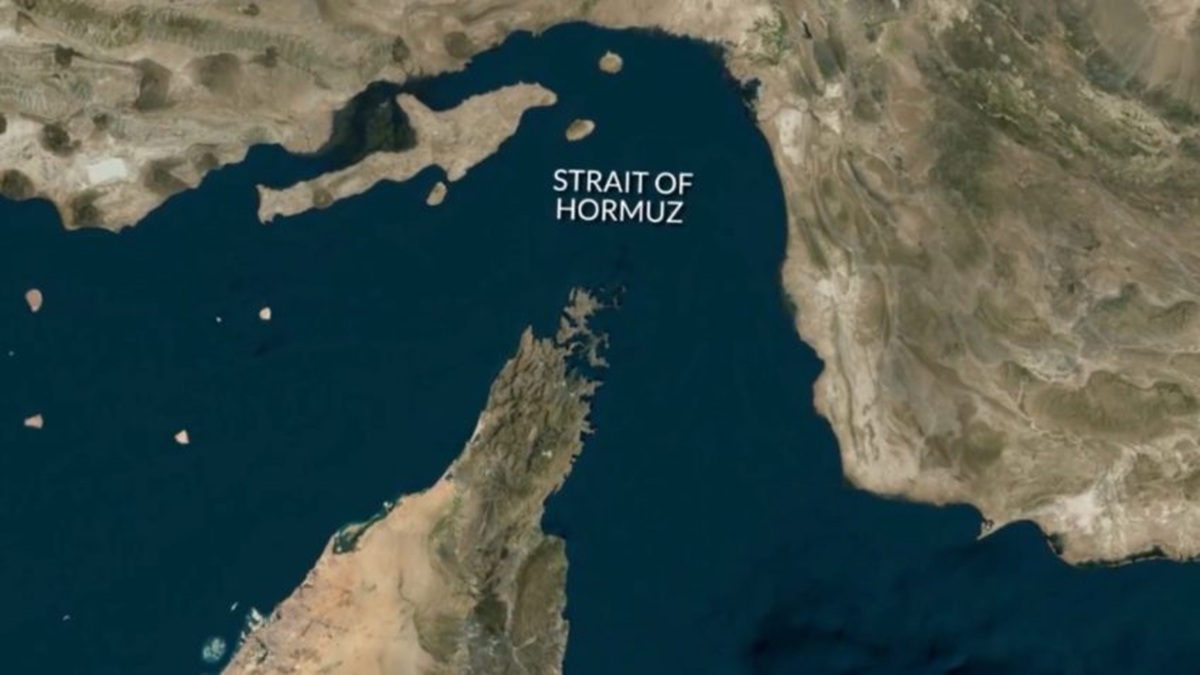
An independent Wall Street research firm claims to have sent an analyst to the Strait of Hormuz – and this is what he discovered.
-
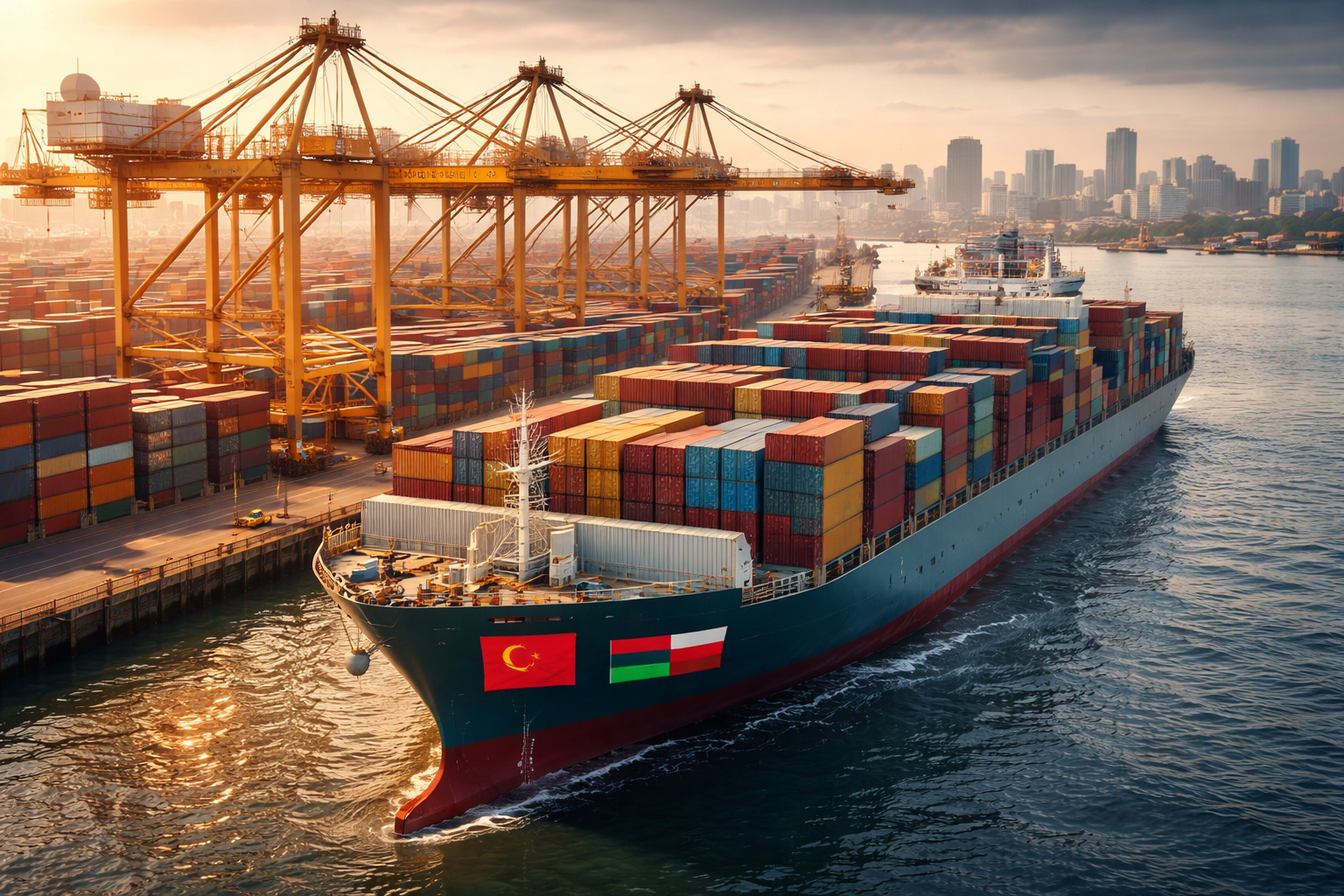
China signs unprecedented trade agreement with Kenya, paving the way for 98% of the country’s exports to enter tariff-free, a move that could reshape the economic axis of the largest economy in East Africa.
-
What is behind China’s silence on Iran? An expert shows how chaos in the Middle East could raise oil prices, benefit Putin, and give Beijing the perfect opportunity to grow without direct confrontation.
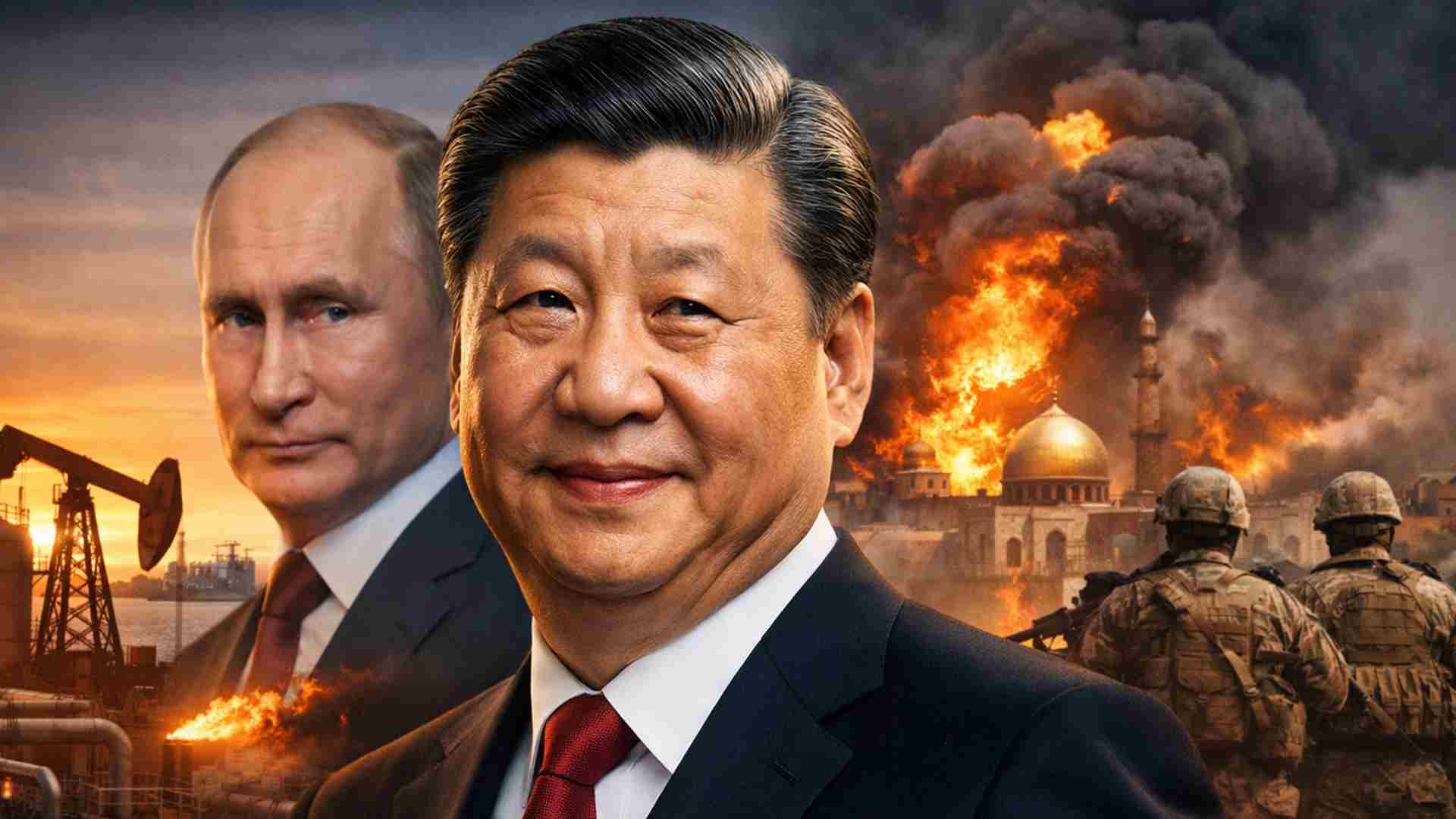
Russia is the main supplier of technology and strategic support for North Korea, a relationship that Kim Jong-un cannot afford to lose. Iran, although a historical partner, does not offer the same level of strategic return and, more importantly, maintaining active military ties with Tehran would undermine any attempt at rapprochement with Washington.
Kim Jong-un knows that the United States is in a declared war with Iran and that any military support to Tehran would be interpreted as direct hostility.
By distancing itself from Iran, North Korea sends a calculated signal: we are not allies of all your enemies. It is a diplomatic concession that costs relatively little to North Korea—it has never depended on Iran as it does on Russia or China—but could yield much if Trump decides to resume direct dialogue with Pyongyang.
The paradox of Kim Jong-un: troops in Ukraine and gestures to Trump
The most contradictory element of Kim Jong-un’s strategy is maintaining North Korean soldiers fighting in Ukraine alongside Russia while trying to preserve a relationship with the United States.
North Korean soldiers have already participated directly in combat; several have been captured by Ukrainians and others have been killed—there is no ambiguity about Kim Jong-un’s military involvement in the conflict.
Even so, Kim Jong-un bets that this does not preclude a future rapprochement with Trump. The logic, according to analysts, is that the United States treats Ukraine and the North Korean nuclear issue as separate dossiers.
Trump has publicly stated that he liked Kim Jong-un, that he talked to him, and that he intended to organize new meetings—statements that Pyongyang interpreted as a real opening.
For Kim Jong-un, keeping troops in Ukraine satisfies Russia without necessarily closing the door with Washington, as long as North Korea does not cross the line of directly arming American enemies.
The role of China in Kim Jong-un’s balance strategy
Kim Jong-un is not only playing with Russia, Iran, and the United States; China is always in the equation. Beijing is North Korea’s largest trading partner and its main economic backer, and any diplomatic move by Kim Jong-un needs to take into account the Chinese reaction.
China is preserving its own cautions in the global scenario and expects North Korea to do the same—no abrupt moves that destabilize the delicate balance of the region.
For Kim Jong-un, pleasing China means not getting too close to the United States to the point of appearing treacherous, but also not provoking Washington to the point of generating a new escalation of tensions on the Korean Peninsula.
It is a balancing act where Kim Jong-un tries to maintain minimally functional relations with all major powers simultaneously—something that requires constant calculation and risk tolerance. Keeping troops in Ukraine pleases Moscow and Beijing; distancing from Iran signals goodwill to Washington; and avoiding criticism of Trump keeps the possibility of direct diplomacy alive.
What Kim Jong-un really wants with this strategy
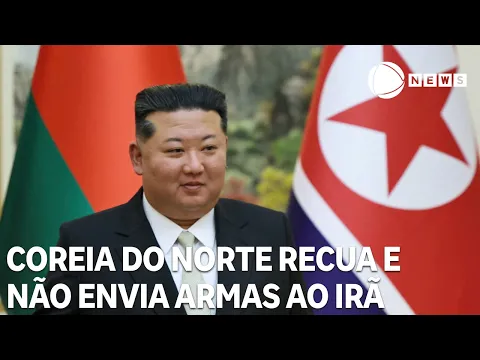

Kim Jong-un’s ultimate goal is clear: to preserve North Korea’s nuclear program without facing military pressure or devastating additional sanctions.
All the diplomatic maneuvering—troops in Russia, distancing from Iran, silence on Trump—serves this central purpose. If North Korea can keep channels open with the United States, the likelihood of military escalation on the peninsula decreases, and the regime gains time to consolidate its arsenal.
The question is whether Kim Jong-un can sustain this game in the long term. Pleasing everyone at the same time is a strategy that works until the moment when two allies demand exclusive loyalty, and with the war in Iran and the conflict in Ukraine dragging on, that moment may come sooner than Pyongyang would like.
For Kim Jong-un, the calculated risk is that the benefit of keeping doors open outweighs the cost of not closing any. But in geopolitics, those who try to please everyone often end up with no allies when they need them most.
What do you think of Kim Jong-un’s strategy? Can he maintain this balance, or will he be forced to choose a side?






Seja o primeiro a reagir!