





 Portuguese
  English
  Spanish
  4 min of reading
  4 comments


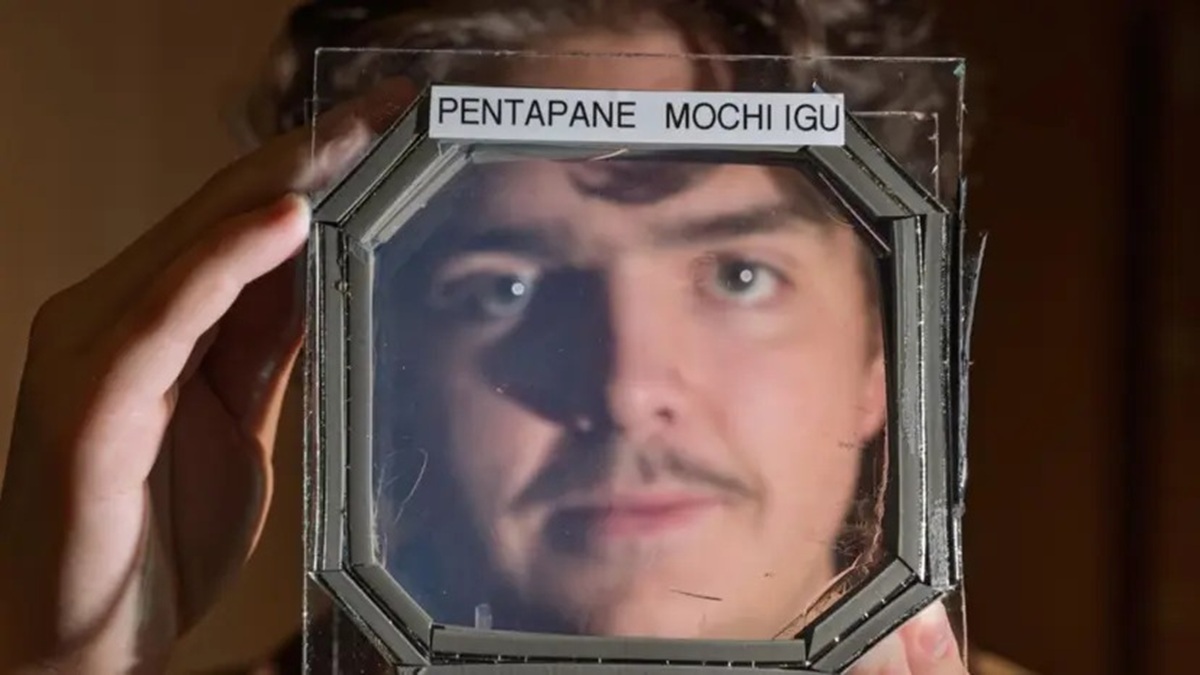


With Over 90% Air and Only 5 Mm Thick, the New Transparent Insulator Was Designed to Reduce Thermal Loss in Windows Without Compromising Natural Light Entry
A new thin and nearly invisible insulator, developed by the University of Colorado Boulder in the United States, was designed to increase energy efficiency in windows by blocking heat, with the potential for direct impact on the high energy consumption of the construction sector.
Researchers at the University of Colorado Boulder developed the Mesoporous Optically Transparent Thermal Insulator, known as MOCHI, a material applied to windows that blocks heat, maintains transparency, and can reduce energy waste in buildings, which are responsible for over 40% of commercial energy consumption in the U.S.
MOCHI emerges as a response to the global problem of energy waste in buildings, especially in commercial structures, which account for a large portion of the energy generated in the United States, according to data cited by the researchers involved in the project.
-
Humanoid robots have already arrived in hospitals and are pushing wheelchairs, arranging beds, and interacting with patients. This advancement marks the shift of artificial intelligence from the digital world to direct physical care for human beings.

-
5 mysteries of the Moon that the Artemis missions could finally solve
-
Goodbye common charger: users around the world are replacing the old item with this more compact, powerful, and efficient GaN model that charges a phone, tablet, and laptop at the same time.
-
New high-end condominium in Campo Grande comes under scrutiny for being too close to an archaeological site and may have construction affected.

Developed as a durable and nearly completely transparent material, the insulator can be produced in large panels or thin sheets, allowing direct application on the inner part of virtually any window without compromising visibility.
“Regardless of external temperatures, we want people to have comfortable temperatures inside their homes without needing to waste energy,” said Ivan Smalyukh, senior author of the study and physics professor at the University of Colorado Boulder, in a statement made on December 11.
Structure Inspired by Bubble Wrap and Enhancement of Aerogels
The researchers describe the structure of MOCHI as a high-tech version of bubble wrap, formed by a silicone gel made up of over 90% air distributed in extremely small pores.
These pores are often finer than a human hair and function as pockets of trapped air, responsible for creating a highly efficient thermal barrier even in very thin layers.
A single sheet with five millimeters of thickness uses these microbubbles to block heat so efficiently that it provides enough insulation to safely hold a flame in hand, according to the tests described.
The innovation represents a significant advancement over traditional aerogels, insulating materials known as frozen smoke due to the hazy appearance caused by the random distribution of air pockets.
NASA uses these older aerogels to keep Mars rovers heated; however, they lack the transparency needed for domestic applications, such as home windows or living rooms.
To overcome this limitation, the team led by Smalyukh carefully designed the manufacturing process, adjusting each step to achieve high transparency without compromising the thermal performance of the material.
Manufacturing Process and Heat Flow Blocking
The creation of MOCHI starts with mixing surfactants, special molecules, in a liquid solution, where these substances naturally cluster together to form thin filaments, in a process comparable to the separation of oil and vinegar.
The silicone molecules present in the solution adhere to the outer part of these surfactant filaments, forming the initial structure of the material before the final transformation stages.
Subsequently, the detergent molecules are removed and replaced with air through a series of processes, resulting in a silicone structure that forms a labyrinth of microscopic channels filled with air.
Normally, heat transfer occurs like in a game of billiards, with energetic molecules colliding with each other, but in the tiny air pockets of MOCHI, this movement is limited.
As there is not enough space for collisions between gas molecules, they bounce off the walls of the pores, a mechanism that effectively prevents the flow of heat through the material.
The result is an insulating layer that reflects only 0.2% of the incident light, keeping the view virtually unchanged, even with direct application over transparent surfaces like windows.
Future Applications and Production Challenges
Currently, MOCHI is produced only in thin sheets in a laboratory and is not yet available to consumers, but its potential goes beyond simply coating residential or commercial windows.
Engineers involved in the project envision the use of the material in devices capable of capturing solar heat and converting light into accessible and sustainable energy to heat water and indoor environments of buildings.
“Even on a somewhat cloudy day, you can still take advantage of a lot of energy and use it to heat water and the interior of your building,” explained Smalyukh while commenting on the future possibilities of the technology.
The manufacturing process of MOCHI is still considered time-consuming, although researchers assess that it could become more efficient with industrial adjustments and the use of relatively cheap materials, facilitating its scalability.
Whether in homes that lose heat in winter or in skyscrapers that accumulate excess heat in summer, MOCHI aims to solve poor thermal exchange in transparent surfaces, pointing towards a future of more energy-efficient windows.






Isso diz oque passa nas universidades dos Estados Unidos, enquanto aqui no Brasil ficam gastando seu tempo e nosso dinheiro pra enaltecer ditadores ****.
Enquanto isso seguimos estocando vento e saudando a mandioca.
Com um governo que aposte na ciência e tecnologia que não seja apenas de uso militar, a indústria americana pode ser revitalizada com inovações como essa. É um ótimo produto para exportação, o potencial de mercado no exterior é imenso.