





 Portuguese
  English
  Spanish
  5 min of reading
  0 comments



Learn How to Choose Between Conventional and Dry Cleaning, Considering Factors Such as Efficiency, Sustainability, and Care for Your Car’s Paint
The cleaning of the car goes far beyond automotive aesthetics; it is a crucial part of vehicle maintenance.
Keeping the car clean, both inside and out, not only improves its appearance but is also essential for preserving the proper functioning of parts and systems.
This is especially true in areas where dirt, salt air, or frequent rains are common.
-
Meta’s new smart glasses are not just for seeing; they use artificial intelligence, analyze your food, summarize messages, and can even change the way you work in professions like engineering.

-
According to an analysis by NASA, only one human-made structure is visible from space, and it is not the Great Wall of China or the Pyramids of Egypt.

-
After 377 years of history, the Brazilian Army will have its first female general: Colonel Claudia Cacho has been promoted to brigadier general by Lula and will receive the sword and command baton this Wednesday in Brasília.

-
A Mercado Livre customer opened their package and found 32 resumes of people looking for jobs crumpled as protective paper inside the box, exposing names, addresses, documents, and phone numbers of dozens of candidates.


The Importance of Regular Vehicle Cleaning
When we leave dirt accumulated on the body, wheels, and interior parts, we risk accelerating corrosion and damaging electrical components.
Furthermore, a dirty car can compromise the finish and even the safety of passengers. Did you know that the interior of a car can act as a greenhouse?
It retains heat and moisture, creating a perfect environment for the proliferation of bacteria, dust mites, and fungi.
This is especially concerning for people with allergies, respiratory problems, or small children.
Therefore, regular cleaning of surfaces such as the steering wheel, seats, and seat belts is essential to keep the air cleaner and reduce the risk of illnesses.
Have you thought about how many hours you spend inside your car?
Keeping that space clean is essential for your health and well-being.
Types of Washing: Conventional Versus Dry

When it comes time to take care of the car’s appearance, many drivers wonder which cleaning method is the most suitable.
The conventional wash, which uses water and soap, is the most well-known and still predominates in car washes in Brazil.
However, dry washing is becoming a popular alternative, being more practical and sustainable for many.
The conventional wash consists of the abundant use of water, automotive soap, sponges, and cloths, followed by rinsing and drying.
This method is recommended for very dirty vehicles, such as those that encounter mud or accumulated dust.
However, this type of washing can consume between 200 and 300 liters of water at a time, which raises concerns about the environmental impact of this practice.
On the other hand, dry washing is a more modern and ecological technique.
Instead of water, it uses a compound of biodegradable chemicals applied directly to the dirty surface.
These products form a film that envelopes the dirt, making it easier to remove with microfiber cloths, without the need for rinsing.
This method is ideal for light dirt, urban dust, or superficial stains and can be done at home, provided you have the right materials.
Advantages and Disadvantages of Each Method
Dry washing attracts many drivers who live in urban areas or have little time available.
Since it does not require infrastructure such as hoses, buckets, or systems for draining dirty water, it can be done even inside covered garages.
However, this method is not recommended for vehicles with mud or very stuck dirt, as the friction can cause micro-scratches in the paint if the cloth is not changed frequently or is contaminated.
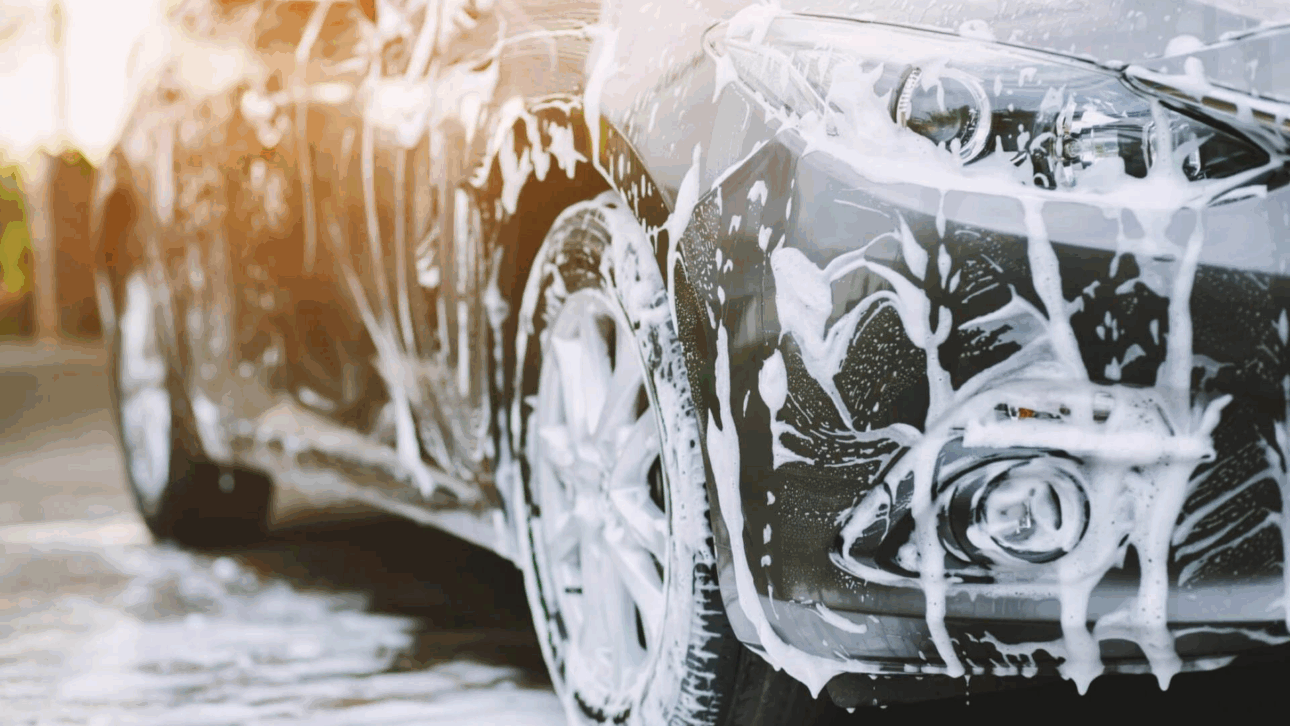
The conventional wash, in turn, offers a more complete feeling of cleanliness and can include additional services, such as waxing, polishing, or engine cleaning.
This can provide a more refined and lasting finish.
But have you ever stopped to think about how the choice of method can impact the durability of your car’s paint?
The prices of both methods vary according to the complexity of the service and the size of the vehicle.
However, it is essential to consider the environmental impact of each choice.
Excessive water usage and improper disposal of water contaminated with oil, soap, and debris can worsen water pollution in urban areas.
Cost-Effectiveness and Maintenance of Automotive Aesthetics
The cost-effectiveness of each method depends on the driver’s profile.
For those who drive little and keep their car clean regularly, dry washing may be more economical, especially if done at home.
Kits with specific products have good yield and last for several washes.
Furthermore, dry washing tends to leave the car looking shiny and protected against dust for longer.
However, it requires technical attention to avoid marks and stains.
On the other hand, drivers who frequently encounter dirt roads or areas with mud may benefit more from conventional washing.
Although this method incurs an additional cost of water and chemicals, it offers more effective cleaning.
In addition, conventional washing allows the driver to have more control over the sanitization of the vehicle, ensuring that all areas are properly cleaned.
This is especially important for those who care about preserving automotive aesthetics.
Care for Paint and Durability
Another factor to consider is the durability of the paint.
The frequent use of high-pressure water during conventional washing can wear down the varnish over time, especially if inappropriate detergents are used.
In dry washing, the risk is lower, as long as the products are certified and the cloths remain clean.
It is advisable to avoid washing under strong sunlight, as this can cause stains or drying of the bodywork, regardless of the method chosen.
Additionally, it is important to remember that the quality of the products used and the application technique are determinants in the final result of the cleaning.
The Ideal Choice for Your Car
The choice between conventional washing or dry may depend on various factors such as location, time availability, and environmental awareness.
In regions with water scarcity or during dry periods, dry washing is a more responsible option.
In places that have adequate infrastructure and available car washes, conventional washing is still preferred by many drivers.
Both methods are effective when done correctly, but each adapts better to specific contexts. So, which method do you think fits better into your routine?
Do you prefer the convenience of dry washing or the complete cleanliness feeling from conventional washing?
If you have experiences or tips about cleaning your car, feel free to leave a comment!
Your opinion is important and can help other drivers make the best choice when taking care of their vehicle.
Together, let’s promote a more conscious and informed approach to automotive cleaning!








Seja o primeiro a reagir!