





 Portuguese
  English
  Spanish
  5 min of reading
  0 comments


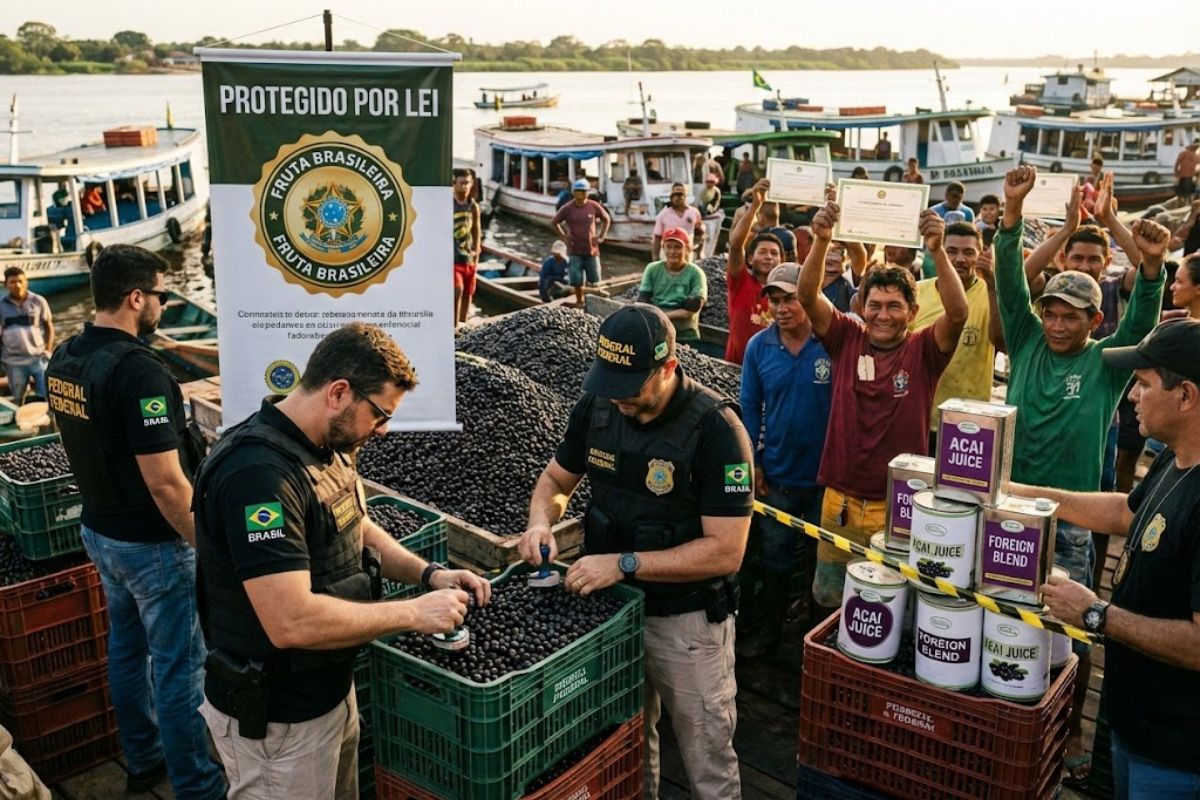
Published on the 8th, Law No. 15,330 of 2026 recognizes açaí as a national fruit, reduces space for biopiracy, and reinforces sovereignty over food, cosmetic, handcrafted, and energy uses, following a patent case in Japan in 2003 canceled in 2007 and expands protection of the Amazon and communities
In Brazil, açaí has been officially recognized as a national fruit with Law No. 15,330 of 2026, published on the 8th in the Official Gazette of the Union.
The measure aims to protect the Amazon.
It seeks to close loopholes for biopiracy.
-
The noise law will no longer be in effect at 10 PM starting in June with a new rule valid during the 2026 World Cup.

-
The Chamber opens a debate on driver’s licenses at 16 years old as part of a reform that includes around 270 proposals to change the Brazilian Traffic Code and may redesign rules for licensing, enforcement, and circulation in the country.

-
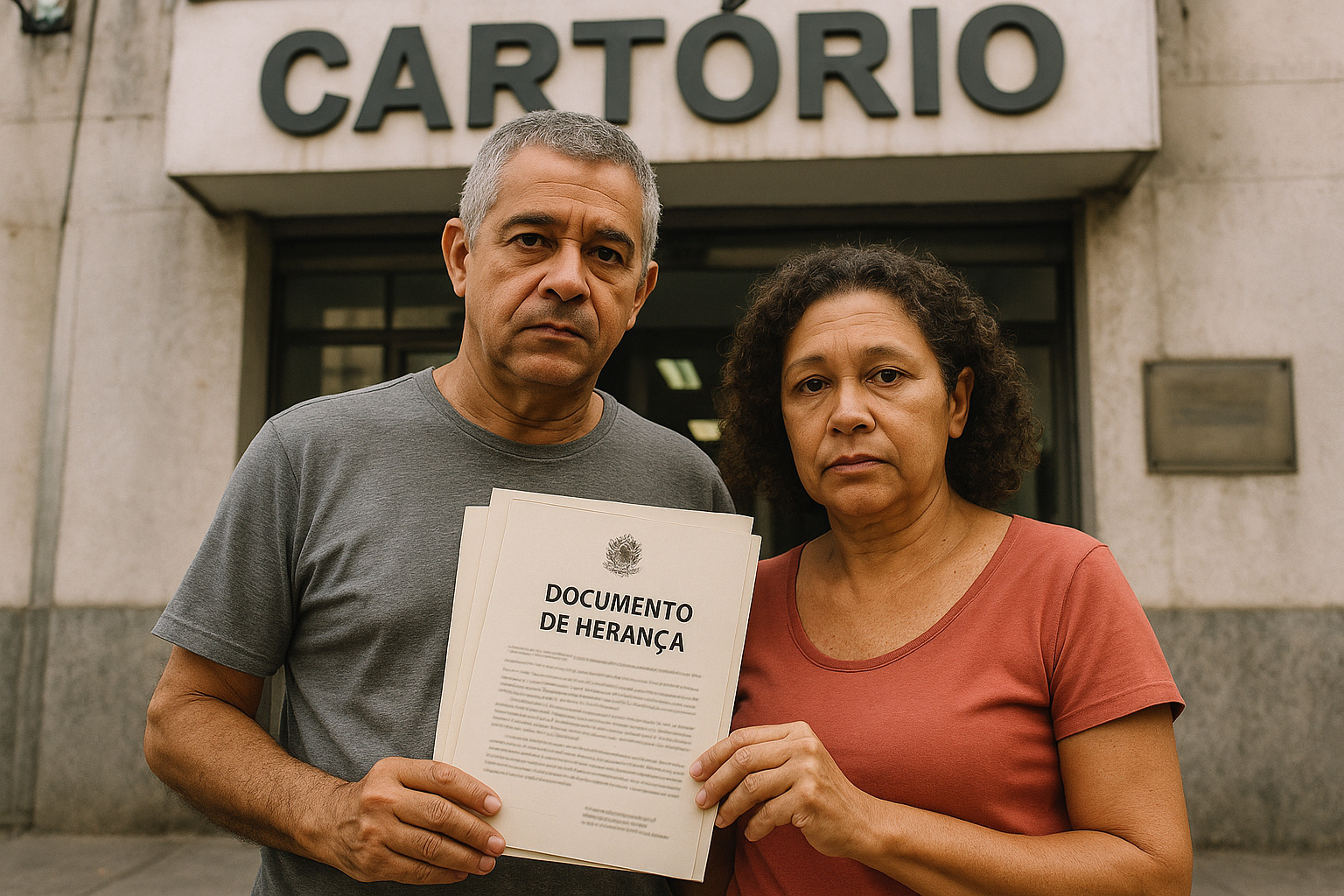
The new Civil Code could revolutionize marriages in Brazil with “express divorce” and changes that could exclude spouses from inheritance.
-
Banco do Brasil sues famous influencer for million-dollar debt and intensifies debate on delinquency, risks of seizure, and direct impact on Gkay’s credibility.


This topic already had an emblematic case involving an international patent in 2003.
This patent was canceled in 2007.
The new rule comes from a long legislative path.
It started in the Senate with PLS 2/2011, from former senator Flexa Ribeiro.
It was approved in the House in 2011.
It then proceeded to the Chamber as PL 2.787/2011.
It was voted on at the end of last year.
It consolidated in 2026 a formal recognition.
This recognition reinforces sovereignty over one of the most well-known symbols of the country.
What Changes With the Law That Recognizes Açaí As a National Fruit
The recognition of açaí as a national fruit establishes a legal milestone in Brazil.
It reinforces that the product is part of the country’s heritage.
Especially due to its Amazonian origin.
And the chain of uses already consolidated in traditional communities and in the industry.
In practice, the measure is seen as a tool to <strong deter attempts of unauthorized appropriation abroad.
It reduces space for registrations and initiatives that attempt to turn a Brazilian symbol into exclusive property outside the country.
The focus is to prevent the history of international patents from repeating itself.
The Case That Triggered the Alert: Patent in Japan in 2003 and Cancellation in 2007
One of the most emblematic episodes involving açaí occurred in 2003.
A Japanese company even patented the product.
The registration was canceled in 2007.
The cancellation occurred following action from the Brazilian government.
This history helped consolidate the perception of risk.
When an item of great cultural and economic value gains international popularity.
It also becomes a target for commercial control disputes.
The 2026 law emerges as a direct response to this vulnerability.
Where Açaí Is Grown and Why the Amazon Is at the Center of Protection
Açaí is typical of the Amazônia region.
It is the fruit of the açaí palm.
It is part of the daily lives of communities that live and produce in the Brazilian Amazon.
By recognizing the fruit as national, Brazil reinforces a formal bond between the product and its territory of origin.
Beyond the cultural symbol, there is an economic and social component.
Açaí supports local production chains.
Traditional values.
Uses that support activities in Amazonian areas.
This makes legal protection relevant also for those who live directly from this production.
Uses of Açaí: Food, Cosmetics, Crafts, Energy, Heart of Palm, and Traditional Application
Açaí has diverse uses.
The law is part of a context in which the product goes beyond basic consumption.
The pulp is widely consumed as food.
It is also used by the cosmetics industry.
This increases the fruit’s value in the market.
The seeds are utilized in crafts.
And as a source of energy, as a substitute for wood.
This connects açaí to more sustainable resource use practices.
From the stem, heart of palm is extracted.
The roots have traditional use as a vermifuge.
This multiplicity helps explain why açaí has become a target of international interest.
Path of the Law: From PLS 2/2011 to Voting in the Chamber at the End of Last Year
The 2026 norm did not arise abruptly.
It originated from a bill in the Senate.
PLS 2/2011.
Authored by former senator Flexa Ribeiro (PA).
The project was approved by the Senate in 2011.
It formalized the first step of recognition.
Later, the text proceeded to the Chamber of Deputies.
It started to be processed as PL 2.787/2011.
It was voted at the end of last year.
Thus, the recognition consolidates in Law No. 15,330 of 2026.
Published on the 8th.
Closing a legislative cycle that began in 2011.
Relation with Law 11,675 of 2008 and the Precedent of Cupuaçu
The approved text amended Law 11,675 of 2008.
This law already recognized cupuaçu as a national fruit.
This detail positions açaí within a similar strategy.
Using legal recognition to reinforce Brazilian identity.
And reduce loopholes for unauthorized appropriations.
By placing açaí within this same protective framework, Brazil expands the scope of formal defense instruments for Amazonian products with cultural and economic relevance.
Reality Check: What Is Confirmed and What Has Not Been Detailed
It is confirmed that açaí was recognized as a national fruit by Law No. 15,330 of 2026.
It was published on the 8th.
The expectation is to deter biopiracy.
The chronological milestones are also confirmed.
Patent in Japan in 2003.
Cancellation in 2007.
Origin of the project in PLS 2/2011.
Approval in the Senate in 2011.
Processing in the Chamber as PL 2.787/2011.
Voting at the end of last year.
No additional operational details have been provided.
Such as specific oversight procedures.
Sanctions.
Agencies responsible for implementation.
Or technical rules regarding patents.
Therefore, any description beyond these points would not be precise.
What is available is the legal recognition and the declared objective of protection.
What the New Law Represents for Traditional Communities and National Sovereignty
By recognizing açaí as a national fruit, the law reinforces that the product belongs to Brazil.
It is linked to the Amazon.
And to the communities that historically produce and use its derivatives.
This type of protection tends to strengthen symbolic and political value.
Especially when there are precedents of international dispute.
It also creates a framework for future discussions.
About sovereignty.
Production chain.
And preservation.
Açaí ceases to be just a popular product.
It gains a formal national recognition seal.
With institutional weight in the debate on biopiracy.
Do you believe that recognizing açaí as a national fruit in 2026 is enough to prevent new patent attempts abroad, or does Brazil still need tougher measures to protect Amazon products?










Seja o primeiro a reagir!