





 Portuguese
  English
  Spanish
  3 min of reading
  0 comments



Pre-Salt Auction Raises R$ 8.8 Billion with Oil Areas in Mero and Atapu, Below the Federal Government’s Initial Expectation.
The auction of pre-salt areas held this Thursday (4) secured a billion-dollar revenue, but did not achieve the expected result from the federal government. With a revenue of R$ 8.8 billion, the event fell short of the official forecast of R$ 10.2 billion, an amount considered strategic for the fiscal balance of 2025.
The episode reignites the debate about the early use of oil revenues to close public accounts.
Organized by PPSA (Pré-Sal Petróleo S.A), the auction involved portions of fields already in production and attracted limited interest from the market.
-
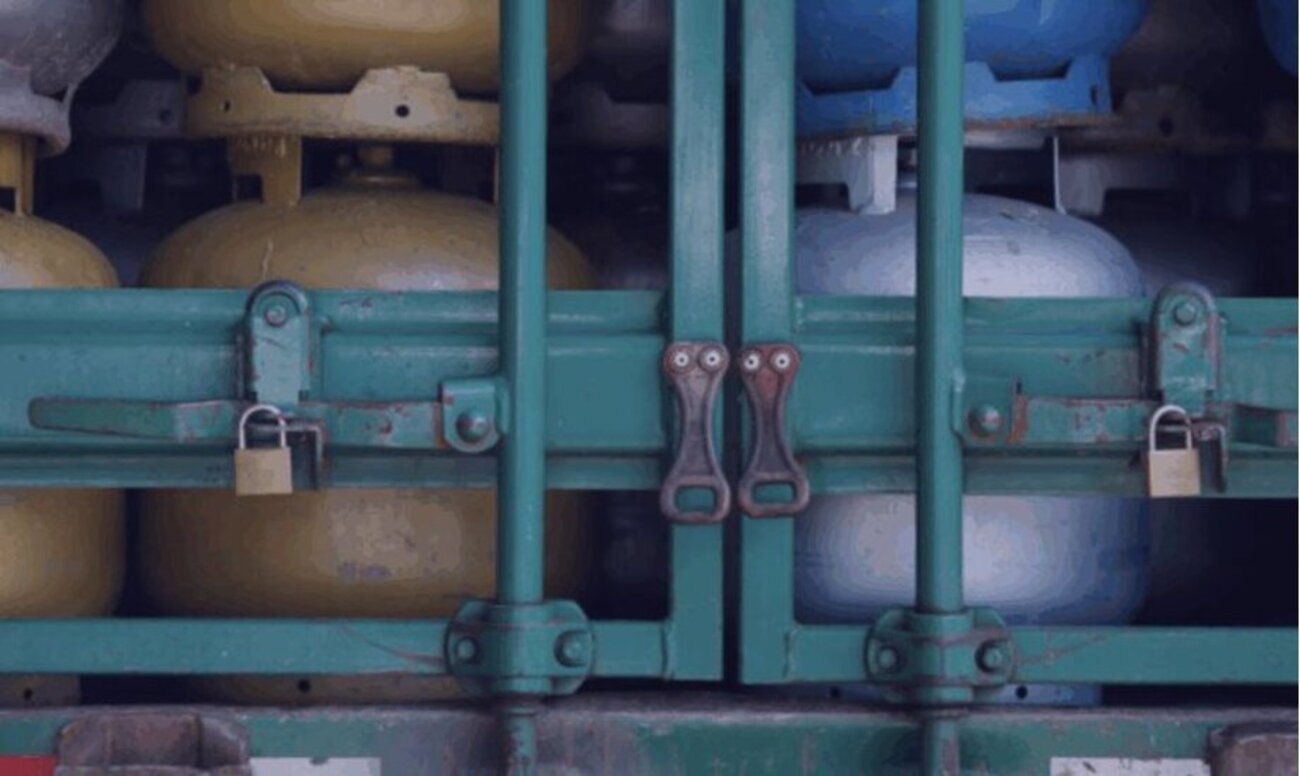
Petrobras evaluates suspension of sales to distributors and considers canceling the cooking gas auction following guidelines from the Federal Government.
-
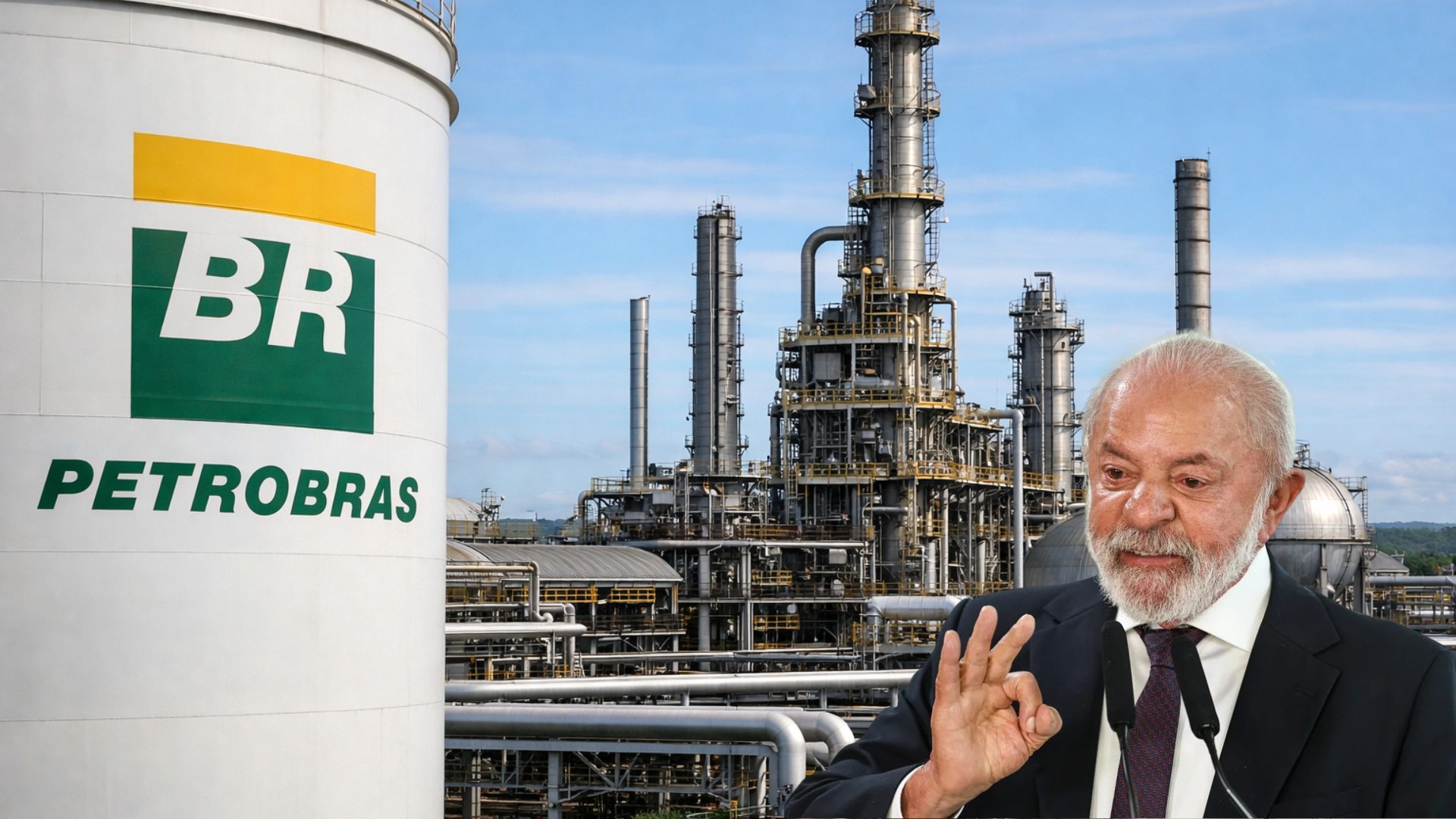
Lula reveals a masterstroke by Petrobras to undo a deal made by Bolsonaro, which involves the return of an important refinery that currently produces less than half of what was expected and makes Brazil dependent on international diesel.
-
A study confirms that the natural gas sector will reduce greenhouse gas emissions in Brazil by 0.5% and accelerate the energy transition by 2026.

-
Petrobras implements a severe adjustment and confirms a 55% increase in the price of aviation kerosene with a proposal for installment payments for the companies.


Petrobras and Shell Concentrated Offers in the Pre-Salt Auction
The competition had limited participation. A consortium formed by Petrobras and Shell was the only one to submit proposals and secured areas in two relevant pre-salt fields: Mero and Atapu. The Tupi field, one of the most traditional oil-producing fields in the country, received no bids.
In Mero, the submitted bid was R$ 7.8 billion, surpassing the minimum amount set at R$ 7.6 billion. In Atapu, the offer reached R$ 1 billion, above the floor of R$ 863 million defined in the announcement.
The absence of competition and the lack of proposals for Tupi helped explain the difference between the revenue obtained and the amount projected by the government.
Small Percentages Were at Stake in the Oil Fields
Although the amounts are significant, the auctioned areas correspond to relatively small portions of the fields. In Mero, only 3.5% of the deposit was at stake. In Atapu, the percentage was 0.9%. In Tupi, where there were no bidders, the lot represented 0.8%.
Even with small fractions, the assets are considered strategic due to their high productivity and the significant volumes of oil already proven in the areas.
TCU Authorization Came with Warnings
One day before the auction, on Wednesday (3), the TCU (Tribunal de Contas da União) authorized the event’s execution. However, the approval came with important criticisms and caveats regarding the government’s decision.
According to the tribunal, there was no thorough assessment of whether the auction would, in fact, be the best alternative to bolster the Union’s cash flow. According to the TCU, “the decision was made based on the urgent need to secure resources to help meet fiscal targets.”
The agency also highlighted risks associated with the anticipation of oil revenues, pointing to possible long-term value losses for the Union.
In addition to the criticism regarding the lack of comparative studies, the TCU drew attention to the implicit cost of the operation. According to the tribunal, there is a “potential loss of value for the Union, as there is an implicit cost in the decision to advance these revenues, in addition to the absence of analysis of other options by the Executive Branch.”
The warning amplifies the debate on the recurrent use of oil assets as a short-term instrument for fiscal adjustment, especially in a scenario of pressure on public accounts.
Meanwhile, the government continues to rely on the oil sector as a significant source of revenue, even though the auction result fell short of initial expectations.








Seja o primeiro a reagir!