





 Portuguese
  English
  Spanish
  4 min of reading
  0 comments


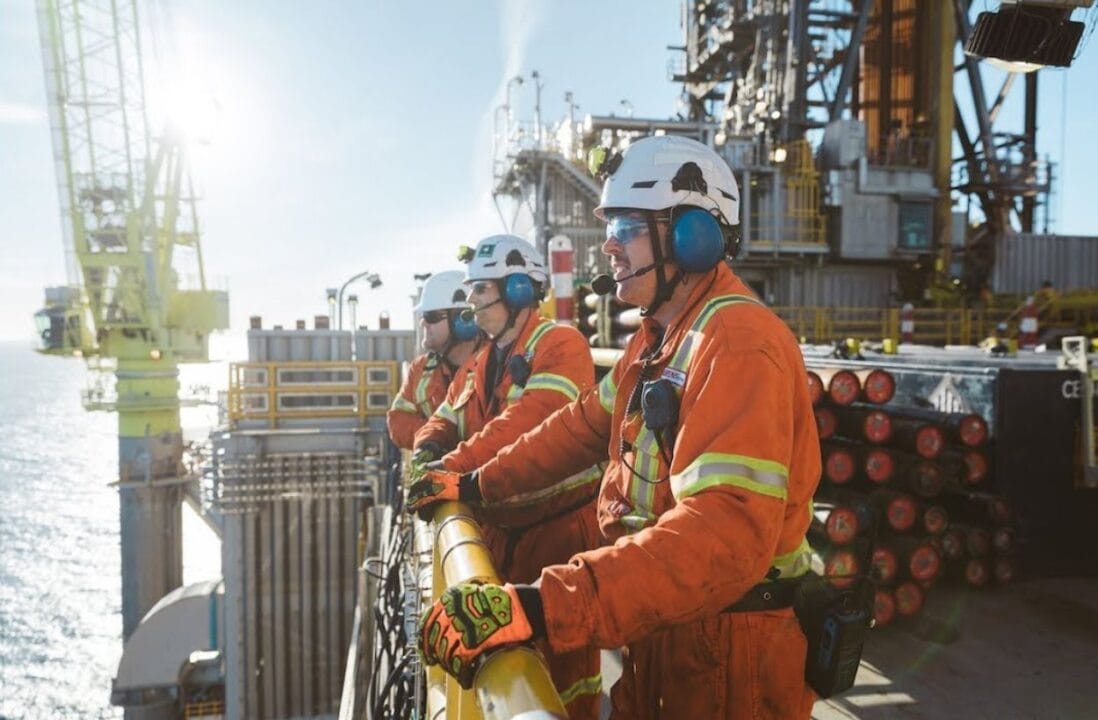
This New Year Opens Doors for Growth in the Offshore Sector, with Expectation of Surpassing the Number of Hires in 2023, See How to Work Aboard in 2024.
In 2024, the offshore sector is booming, and the opportunities to work aboard have never been so promising. With the growing demand for qualified professionals, understanding how to navigate this market has become crucial.
The strategy to stand out involves more than just qualifications through courses; perseverance in the search for job openings is essential, updating and sending resumes daily. The digital world has transformed recruitment methods, and now, more than ever, persistence and the use of digital platforms like Telegram and WhatsApp, as well as keeping an eye on offshore job openings here at CPG, are fundamental to accessing critical opportunities.
Understanding the Offshore Market Landscape Is Vital


In addition to technical training, understanding the offshore market landscape is vital. With the sector hotter in 2024 than in previous years, job opportunities are abundant, covering a variety of roles from scaffolders to electricians.
-
Ocyan & Mota-Engil consortium opens offshore position with a 14×14 schedule for those who want to work onboard in Macaé (RJ) as Offshore Nurse.
-
Future profession with immediate earnings: Specialist reveals how a solar energy technician earns R$ 8,000 per month by taking advantage of the explosion in demand across the entire country.

-
Work from 8:30 AM to 5:30 PM with a 1-hour break at Sicredi as a Customer Service Assistant and receive a salary + benefits such as life insurance, dental plan, partnerships, Gympass, and much more in job openings across various states.

-
Subsea7 has job openings: the company has offshore and onshore positions available in 2026 for operators, pilots, supervisors, engineers, and much more.

The project for 2024 aims to not only inform but also connect viewers with experienced professionals through live broadcasts, allowing for direct and enlightening dialogue about the sector. This interactive approach promises to enrich the understanding of interested parties, facilitating the path for those aspiring to an offshore career.
How to Work Aboard in 2024?
Invest in relevant courses for the offshore sector, such as safety, maritime operations, and specific techniques in your area of interest (for example, scaffolder, boilermaker, electrician). Consistently send out resumes and use digital platforms and professional social networks to connect with companies and recruiters in the sector.
Participate in events, seminars, and forums related to the offshore industry to network and learn more about job opportunities. Stay updated on the offshore sector, especially regarding demands and technological changes that may influence hiring.
Take advantage of online platforms, such as Telegram (ACCESS HERE), to receive updates and access information about available vacancies. With the rise of online selections, be ready for video interviews and virtual tests. Show that you are prepared for the challenges of working aboard, including availability for travel and the ability to adapt to different cultures and work environments.
Professions to Work Aboard in 2024
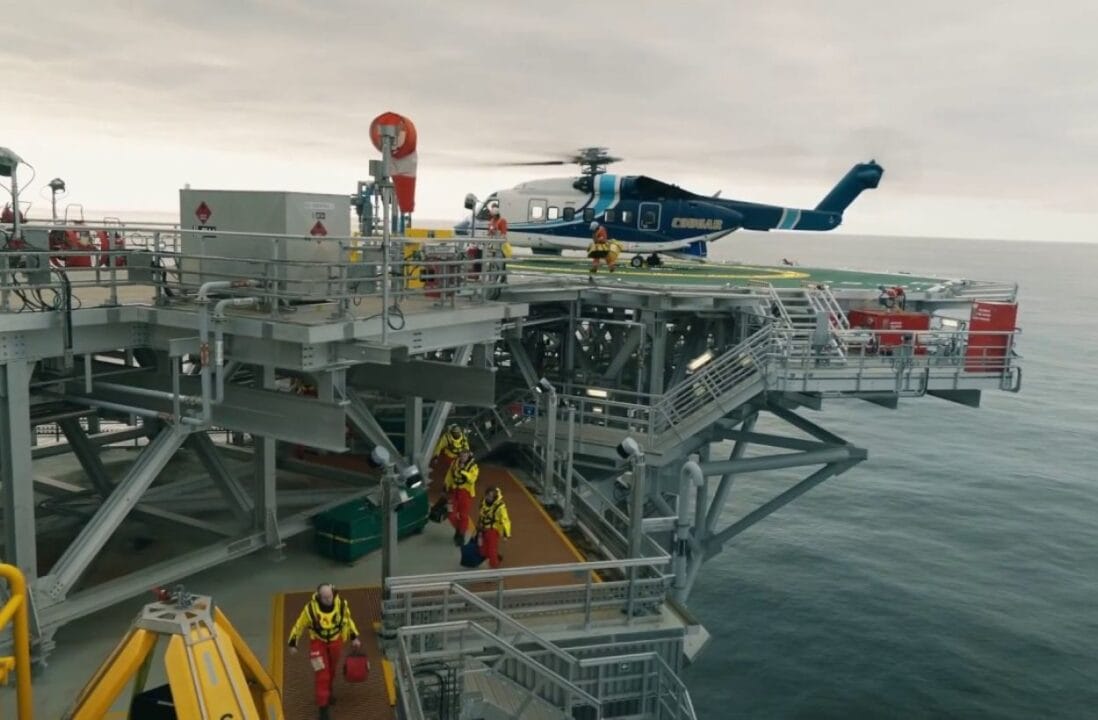
In 2024, the scenario for those wishing to work aboard appears promising, with the continuous expansion of the offshore sector. The demand for qualified professionals in various fields is on the rise, driven by the growth of exploration and production activities in oil and gas, as well as the development of innovative maritime projects.
In this context, several professions for working aboard in 2024 stand out as essential to meet the operational and technical needs of platforms and vessels. Knowing these professions and the required competencies can be the first step for anyone seeking a promising and challenging career in the maritime environment in 2024.
Maintenance Technician: Professionals with skills in mechanical, electrical, and instrumentation maintenance are essential to ensure the operation and safety of equipment on board.
Platform Operator: Responsible for the safe operation of oil and gas production facilities, including process monitoring and preventive maintenance.
Petroleum Engineer: Engineers specialized in exploration, production, and drilling of oil and gas are crucial for the development and optimization of offshore operations.
Scaffolder: Professionals trained to assemble and disassemble scaffold structures, essential for the safe execution of work at heights and in hard-to-reach areas.
Boilermaker: Specialists in manufacturing, assembling, and repairing large metal structures and piping, fundamental for the infrastructure of platforms.
Electrician: Responsible for electrical maintenance on board, ensuring the continuous operation of power, communication, and safety systems.
Coating Inspector: Professionals who ensure the quality and integrity of coatings and paints applied to offshore structures, protecting them against corrosion and other damage.
ROV Operator (Remotely Operated Vehicle): Specialists in controlling ROVs for inspection, maintenance, and repair of underwater structures.
Deckhand: They operate and maintain the external areas of the vessel, including mooring, loading, and unloading.
Health and Safety at Work Professional (SST): Specialists in implementing health and safety policies and procedures, conducting training and monitoring work environments to prevent accidents and occupational diseases.







Seja o primeiro a reagir!