






 Portuguese
  Spanish
  3 min of reading
  0 comments


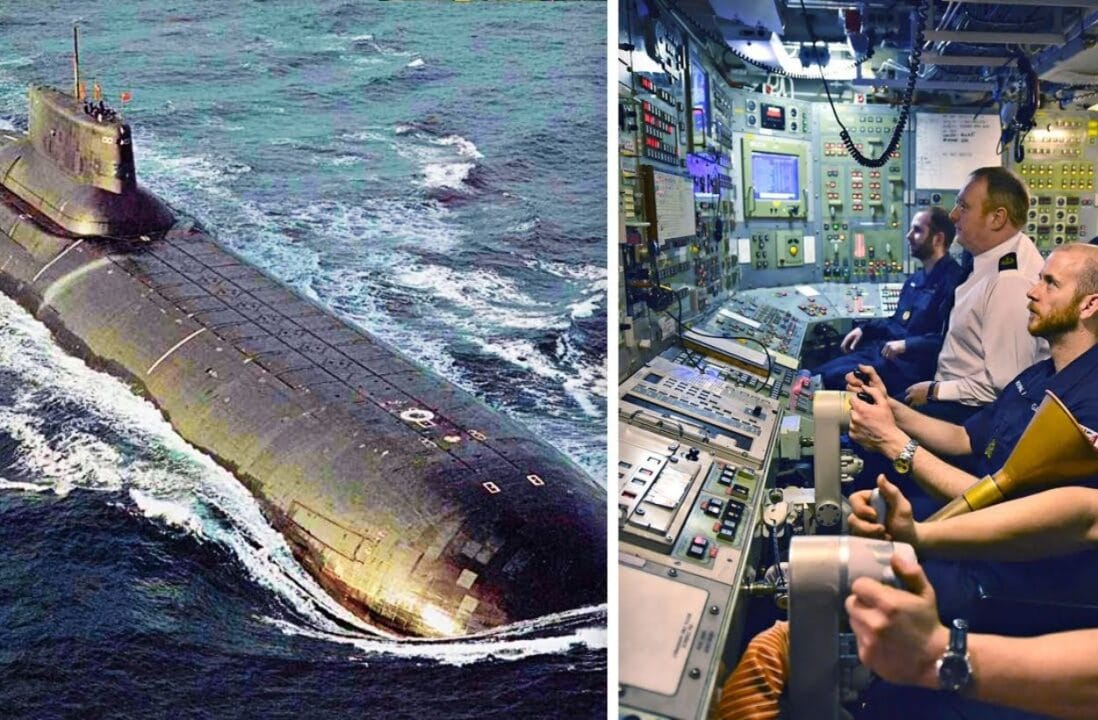
The Typhoon Class Includes Not Only The Largest Submarine Ever Built But A Great Maritime Engineering Feat, Armed With Nuclear Capabilities And Designed To Dominate The Ocean Depths In Global Strategic Missions.
The emergence of large submarines like the Typhoon Class was driven by the need to strengthen defense and dominance at sea. In the era of globalization, securing trade routes and maritime borders has become paramount. The Typhoon Class not only meets these strategic requirements but also empowers reconnaissance missions, gathering vital information for national security.
Developed by the Soviet Union during the Cold War, the Typhoon Class was the response to the U.S. nuclear submarine program. Designed to carry intercontinental ballistic missiles, each of these leviathans can carry 20 missiles with nuclear warheads, reaching targets thousands of kilometers away. Measuring an impressive 175 meters in length and displacing over 48 thousand tons, these submarines are true underwater fortresses, capable of operating submerged for up to 120 days, extending to 300 days in special conditions.
Challenges And Legacy Of Naval Engineering With The Typhoon Class
Building the world’s largest submarine presented significant technical and logistical challenges. The Typhoon Class required advances in materials resistant to hydrostatic pressure, corrosion, and self-sufficient life support systems. Even after the end of the Cold War, Typhoon Class submarines remain relevant, with some still in service and undergoing upgrades to face contemporary security challenges.
-
Without a mansion, without high investment, and without a traditional classroom, a teacher living in a 22 m² house taught students to build a 9 m² studio apartment with the equivalent of R$10,000.

-
Without her own home and pressured by rent, a 25-year-old bought a small 15-meter boat, gradually renovated the interior by herself, transformed the interior with paint, new flooring, a larger bathroom, and started living on the canals, paying much less per month.
-
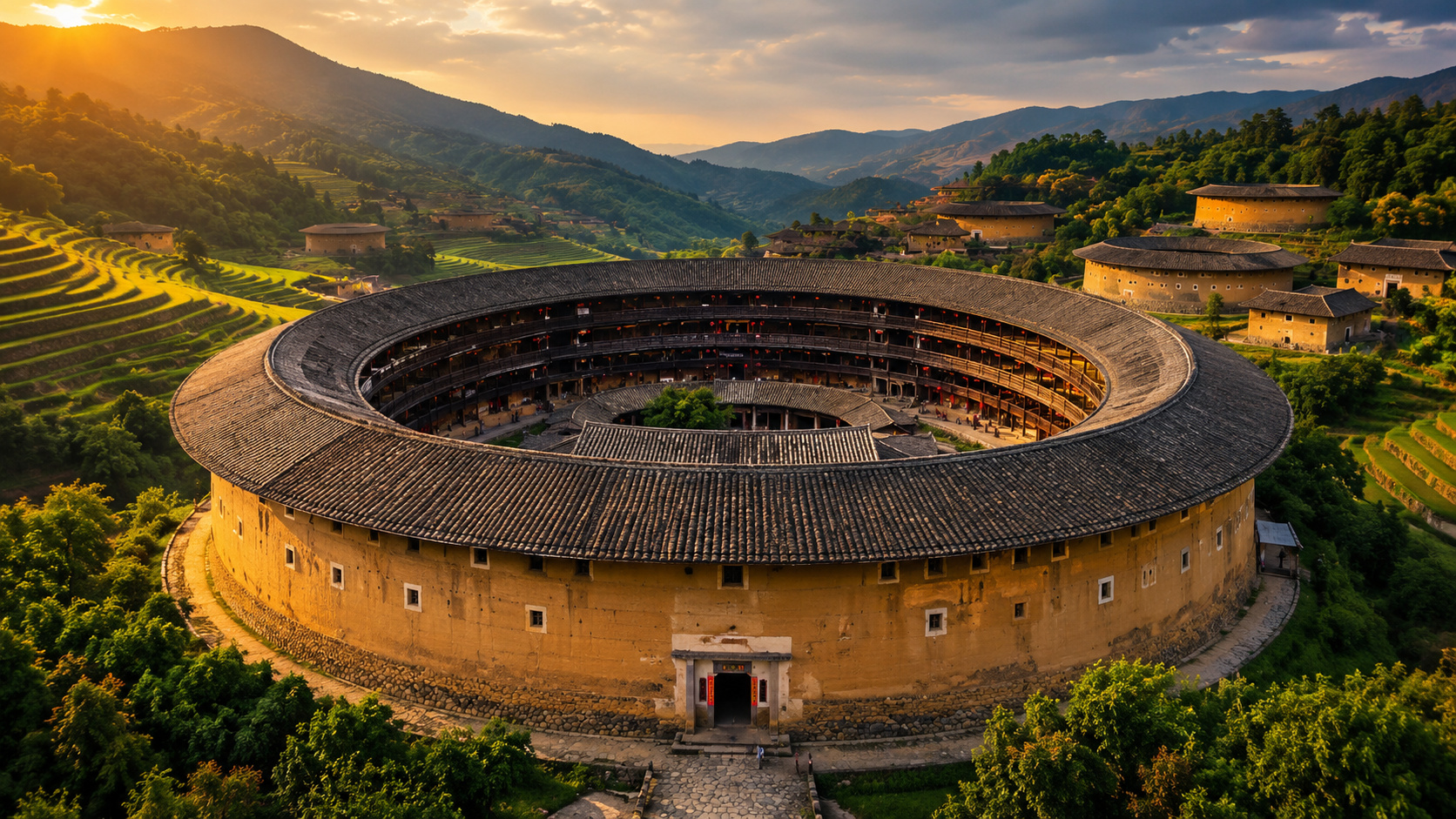
Long before sustainable construction became a trend, China built earthen fortresses with multiple floors, a central courtyard, and the capacity to house up to 800 people living in a community.
-
He got tired of renting, bought an old school bus, removed the seats, modified the roof, reinforced everything with steel, and created a two-story mobile home that looks small on the outside but houses two bedrooms inside.



The impact of the Typhoon Class on the global stage is undeniable, symbolizing Russia’s military power and technological prowess. The construction of these colossal submarines required massive investments in research, development, and innovation, justified by the strategic and security benefits they provide.
The Typhoon Class And Its Submarines
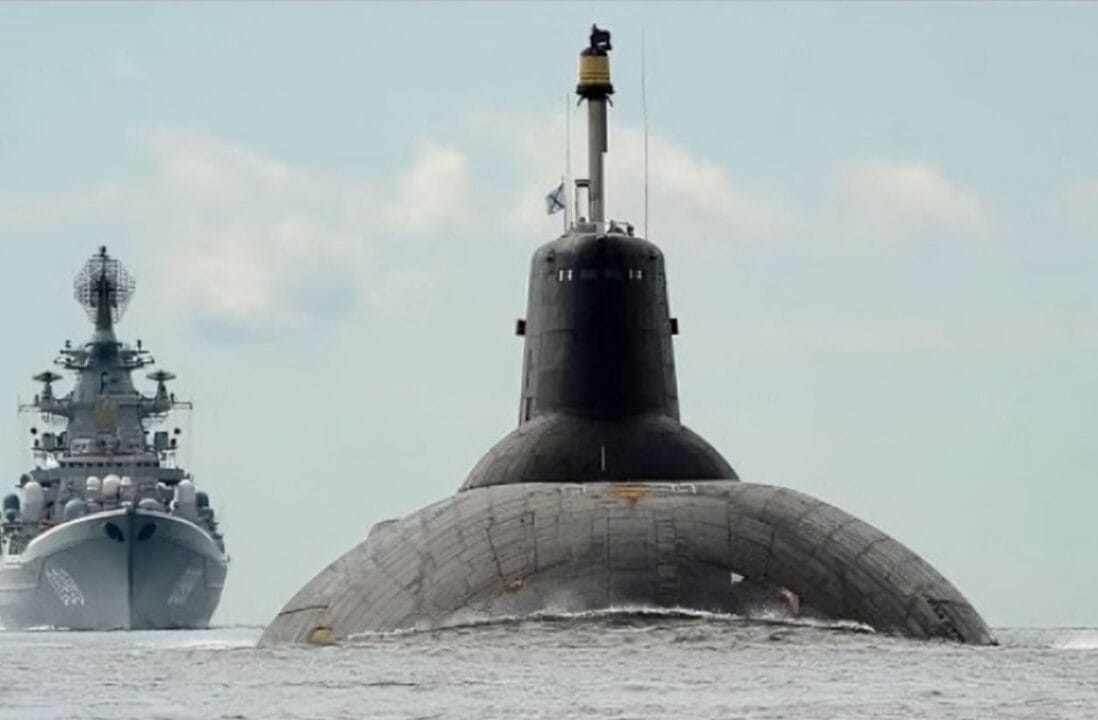
The Typhoon Class, also known as Project 941 Akula, represented a milestone in naval engineering, with six submarines that became the largest and most imposing ever built, displacing 48,000 tons each. Developed to strengthen Soviet naval presence during the Cold War, these colossi were armed to carry ballistic missiles with nuclear warheads, representing a peak in the nuclear submarine arms race.
- TK-208 Dmitriy Donskoy: The first of the series, the Dmitriy Donskoy launched in 1979 and commissioned in 1981, led the class until its retirement in February 2023.
- TK-202: Details of its career are less known, with scant information about its current state.
- TK-12 Simbirsk and TK-13: Both were decommissioned and subsequently dismantled.
- TK-17 Arkhangelsk and TK-20 Severstal: Remained in reserve before being slated for dismantling.
Although originally named by numbers, some submarines received proper names post-Soviet Union. The Dmitriy Donskoy stood out for testing the Bulava missile, marking its longevity until 2023.
Design And Capabilities
The Typhoon Class was conceived to surpass the U.S. Ohio class, carrying 20 RSM-52 missiles with MIRV warheads. Its unique design, featuring multiple hulls, ensured exceptional robustness and safety, increasing survivability under adverse conditions.
With a speed of up to 27 knots submerged and the ability to operate under ice, these submarines could remain submerged for 120 days, showcasing unique features like retractable hydroplanes and an advanced stern rudder.
Decommissioning Of The Submarines
The service life of the Typhoon Class submarines ended with the retirement of the Dmitriy Donskoy in 2023. The class served the Soviet and Russian navies, demonstrating technological and military prowess. Despite discussions about possible modernization, most were retired in the 1990s and 2000s, with the Dmitriy Donskoy closing the legacy of this impressive class of submarines.


-

-

3 people reacted to this.