





 Portuguese
  English
  Spanish
  4 min of reading
  0 comments


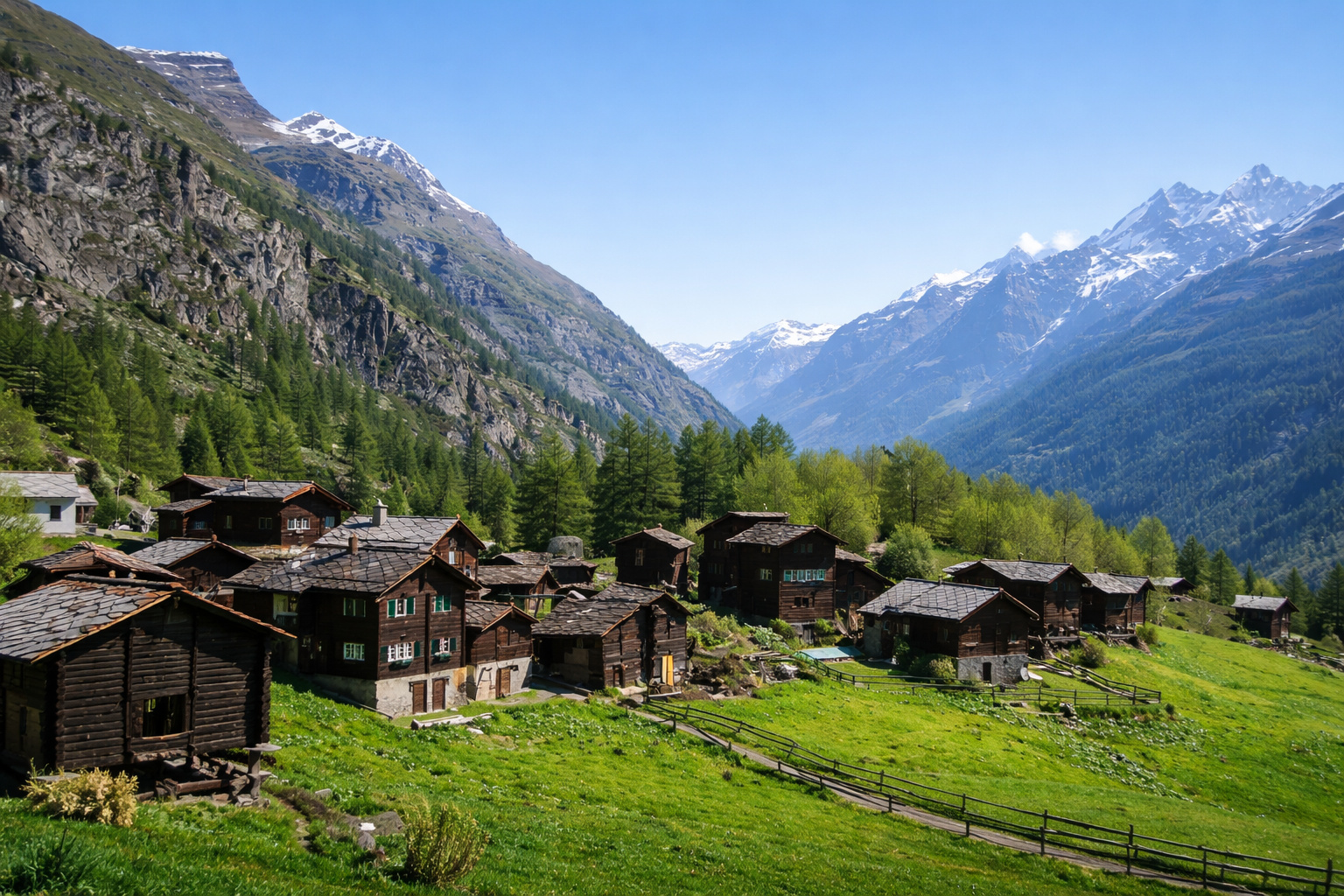
Away From Cities, The Urban Rhythm And Modern Comfort, Those Who Live In The Swiss Mountains Face Severe Winter, High Costs, Extreme Planning And A Routine Shaped By Nature And Centuries-Old Traditions
The day hasn’t even dawned when the routine begins in the Swiss mountains. While the valley remains silent, residents are already up, attentive to the weather, household organization, and essential tasks. Living in the Alps doesn’t allow for carelessness. Every action needs to be planned in advance, especially as winter approaches and temperatures drop drastically.
Contrary to the widely promoted tourist image, real life in the Swiss mountains requires constant discipline. Small houses, often made of wood, need to be kept organized at all times. During frequent movements, any object out of place can fall, break, or cause damage. Organization stops being a choice and becomes a basic rule of survival.
The report traveled through alpine villages throughout 2023 and 2024, closely observing how residents adapt to isolation, intense cold, and the limitations imposed by the terrain. In areas where the soil is not very fertile and access is restricted, living well depends on rigorous planning and respect for the seasons.
-
Luciano Hang revealed that Havan’s air fleet has already accumulated more than 20,000 landings, 10,000 flight hours, and 6 million kilometers traveled, and he says that without the planes, the company would never have grown so quickly.

-
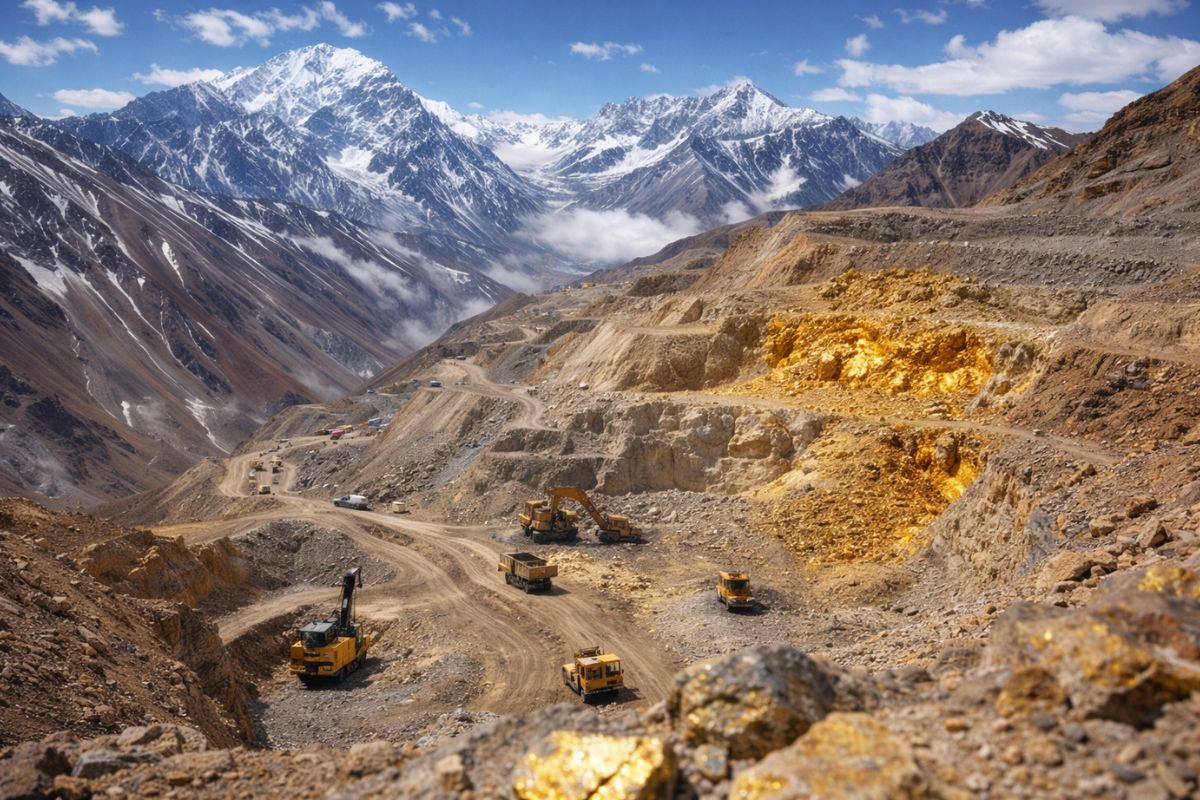
A historical discovery in the Andes Mountains reveals a gold deposit valued at 770 billion reais hidden over 4,000 meters above sea level on the border between Chile and Argentina, and the whole world is watching.
-
With just joint compound, white glue, and pigment, you can make a homemade paint that yields double the conventional amount, saves up to 70%, and leaves the wall with a finish that no one would believe wasn’t store-bought paint.

-
Home environment can influence the brain, mood, and well-being: studies indicate an increase of up to 15% in productivity, a reduction of 12% in stress with plants, and a direct impact of the circadian rhythm on the 24 hours of the day.


Life Begins Early And Winter Sets The Rhythm For Everything
Before the movement of trains and cable cars increases, residents are already attentive to the day. In the mountains, winter is not just a season, but a determining factor in the annual routine. During the warmer months, families stock up on firewood for heating, hay for the cattle, and enough food to withstand long periods of snow.
According to observations made in alpine villages, cattle remain loose only during the summer. When the cold arrives, the animals are brought into covered areas and fed exclusively with hay stored months earlier. The same applies to homes, which need to be prepared for weeks of isolation.
Transport also reflects this adaptation. In elevated regions, cable cars and trains serve not only tourism. They are essential for supplying entire communities, delivering food, boxes, and materials to villages accessible only by tracks or aerial tramways.
Alpine Villages, Preserved Tradition And Geographical Isolation
Upon arriving at Lauterbrunnen, in the heart of the Alps, the landscape immediately impresses. The village is known as the valley of 72 waterfalls, with waterfalls scattered across rocky cliffs that surround the entire region. Despite a constant flow of visitors, local life follows its own rhythm, based on traditions passed down through generations.
Flower-filled houses, wooden chalets, gardens in backyards, and animals integrated into daily life reveal a culture deeply connected to nature. In areas further away from the main street, silence dominates. The most frequent sound is that of bells tied around the necks of cows, helping residents locate the animals in the rugged terrain.
Historical records indicate that, in 1911, the writer J. R. R. Tolkien passed through the region during a trip to Switzerland. The village is said to have inspired the creation of the elves’ village in The Lord of the Rings, reinforcing the almost unreal character of the landscape.
Confidence, High Cost Of Living And Everyday Choices
One aspect that stands out in the alpine rural areas is the culture of trust. Small sales points operate without attendants. Products are displayed with indicated prices, and payment is made in boxes or card machines, without direct supervision. The system, according to residents, has been functioning for decades.
On the other hand, the cost of living is cited as the main challenge. Even by Swiss standards, alpine villages are expensive. In 2024, simple meals in small villages cost up to three times more than in larger cities. Therefore, cooking at home has become a common practice, even among travelers.
Living in the Swiss mountains means accepting isolation, intense cold, and high prices in exchange for unique landscapes, safety, and environmental quality. For those who choose to stay there, the routine demands constant adaptation, meticulous planning, and absolute respect for the rhythm of nature.
To what extent is isolation a conscious choice, and when does it become a way of life that is impossible to abandon?






-

-

-

-

-

-

47 pessoas reagiram a isso.