





 Portuguese
  English
  Spanish
  4 min of reading
  0 comments


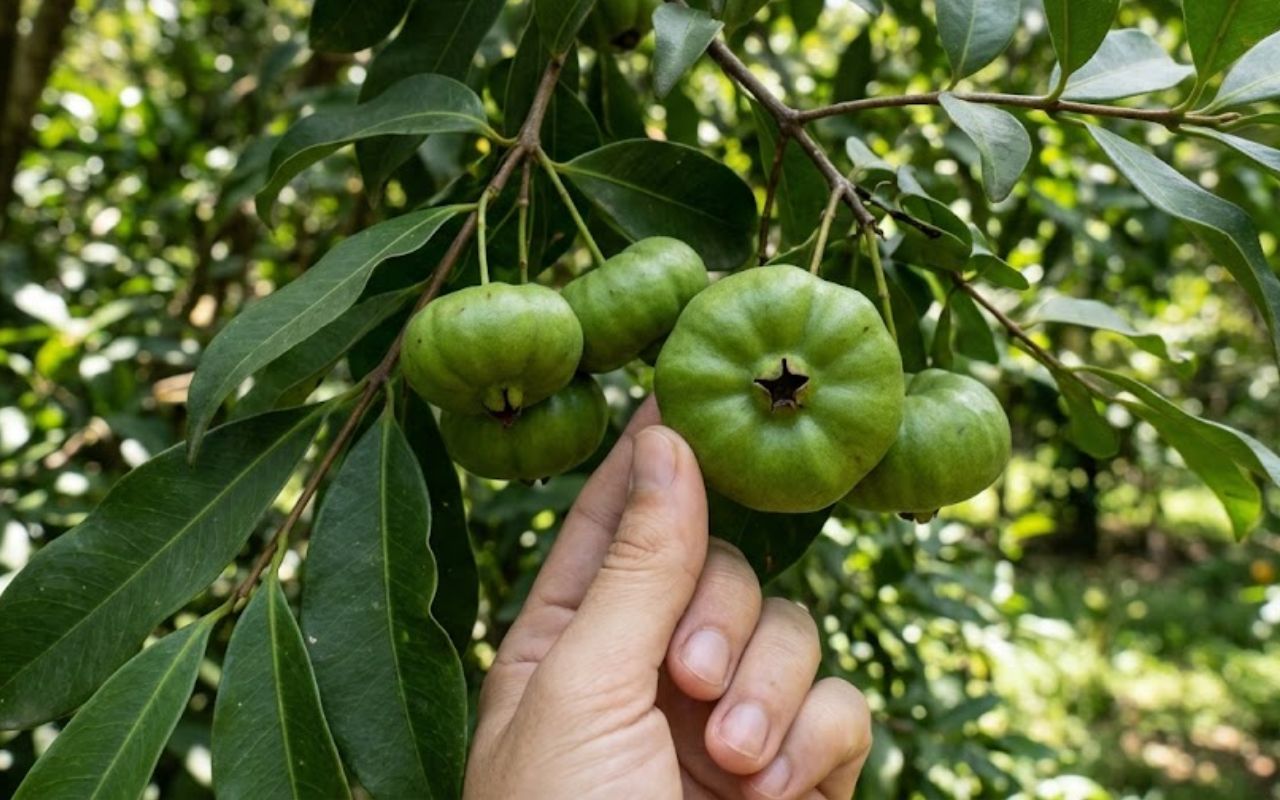
The cambuci, a typical fruit of the Atlantic Forest, stands out in cuisine and environmental preservation. See benefits, cultivation, and curiosities.
The cambuci, a native fruit of the Atlantic Forest, is gaining prominence in Brazil by uniting gastronomy, sustainability, and cultural rescue. Mainly found in the Southeast, especially in regions of the Serra do Mar, it is being valued again after years of neglect.
This movement has occurred in recent years, driven by chefs, producers, and environmental initiatives.
Moreover, the growing interest can be explained by the fruit’s culinary potential and its role in preserving biodiversity.
-
Nazi submarine U-864, sunk during World War II with 65 tons of mercury, is back in the spotlight and exposes a growing environmental risk on the seabed of Norway as the government faces an urgent technical decision.

-
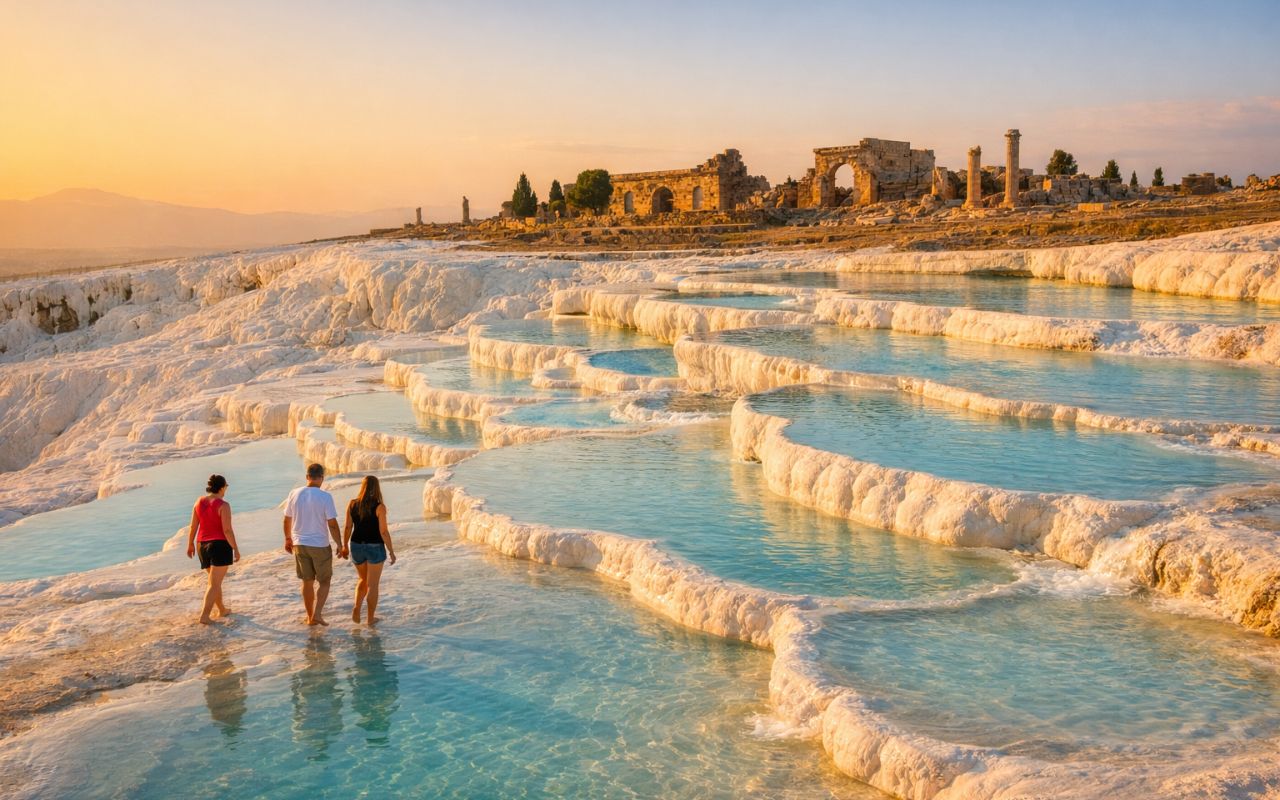
It seems like something out of a movie: “Cotton Castle” in Turkey, formed by minerals over the centuries, features thermal pools, ancient history, and one of the most surreal landscapes in the world / discover Pamukkale.
-
Psychology states that the rarest mental strength today is not resilience or determination, but rather the ability to cope with uncertainty without immediately seeking distractions, explanations, or the opinion of someone else.

-
Bavarian archaeologists unearthed a medieval skeleton that had an articulated iron hand in place of its left arm, and the discovery reveals that doctors were already creating sophisticated prosthetics over 500 years ago.

Origin of the cambuci and its connection to the Atlantic Forest
The cambuci is a typical fruit of the Atlantic Forest, belonging to the species Campomanesia phaea. Historically, it was abundant in regions such as the interior of São Paulo, to the point of naming neighborhoods in the capital.
Its name originates from the Tupi-Guarani, “kãmu-si”, which means “water pot”. This directly refers to the peculiar shape of the fruit, resembling a flattened container.
Additionally, the cambuci was part of the diet of indigenous peoples, bandeirantes, and drovers. Therefore, its history is deeply linked to the cultural and economic formation of Brazil.
Characteristics of the fruit that stand out
Visually, the cambuci stands out among other fruits of the Atlantic Forest. It has a flattened shape, with small lobes, and retains its green color even when ripe.
Its pulp is juicy, with an acidic and slightly astringent flavor. Therefore, consuming it raw is not the most common.

Meanwhile, the tree can reach up to 8 meters in height, with shiny leaves and white flowers. Thus, besides producing fruit, it also has ornamental value in landscaping projects.
How to cultivate cambuci?
Cultivating cambuci is an interesting alternative for both production and environmental recovery. The fruit adapts better to regions with a subtropical or humid tropical climate.
The ideal soil should be rich in organic matter, well-drained, and slightly acidic. Additionally, watering needs to be regular, maintaining moisture without waterlogging.
Planting can be done by seeds or seedlings. However, grafted seedlings tend to accelerate fruiting.
Production generally occurs between February and April. Thus, with the correct care, cambuci becomes a viable option for backyards and reforestation areas.
Cambuci in cuisine: versatility that conquers chefs
In gastronomy, cambuci stands out for its versatility. Despite its acidic flavor, it is widely used in different preparations.
Among the most common options are juices, jams, ice creams, liqueurs, and sauces. Additionally, the fruit pairs well with meats and savory dishes.
According to Gabriel Menezes, president of the Auá Institute, “the infusion of Cambuci in cachaça is the most popular tradition of using the fruit. However, in the last 10 years, new forms of processing have begun, such as in the production of jam, juice, teas, cakes, savory snacks, liqueurs, sparkling wines, salad and meat sauces, cookies, and savory snacks. There are over 450 items produced today.”
Meanwhile, contemporary chefs continue to explore new possibilities, elevating cambuci to a new level in Brazilian cuisine.
Benefits of cambuci for health
Besides its distinctive flavor, cambuci also stands out as a nutritious fruit. It is rich in vitamin C, contributing to strengthening the immune system.
Additionally, it contains antioxidant compounds that help combat free radicals. Thus, its consumption can aid in preventing premature aging. On the other hand, its fiber content also supports the functioning of the digestive system.
See this study on the potential for preventing chronic diseases from the fruit.
Festivals value cambuci and the culture of the Atlantic Forest
The rescue of cambuci also involves cultural events. Festivals held in cities of the Serra do Mar, such as Paranapiacaba and São Bernardo, celebrate the fruit annually.
These festivals usually take place between March and April, during the harvest period. During the events, the public can taste various products made with cambuci.
Additionally, there are fairs, workshops, and educational activities. Therefore, these gatherings strengthen the local economy and encourage sustainable cultivation.
Preservation and economic importance of cambuci
The cambuci was once threatened with extinction due to the advance of deforestation in the Atlantic Forest. However, sustainable cultivation initiatives have helped to reverse this scenario.
Currently, the fruit represents an important source of income for small producers. Additionally, its cultivation reduces extractivism and contributes to environmental conservation.


According to experts, strengthening the cambuci production chain helps create a sustainable agricultural model. Thus, the fruit ceases to be merely a cultural symbol and becomes an economic asset as well.
Read this study on the importance of cambuci
The cambuci, an emblematic fruit of the Atlantic Forest, encompasses unique characteristics that go beyond taste. It represents tradition, biodiversity, and new economic opportunities.
Therefore, whether in cultivation, cuisine, or environmental preservation, cambuci solidifies as a symbol of Brazil’s natural wealth.
With information from CASACOR








Seja o primeiro a reagir!