Portuguese
 Spanish


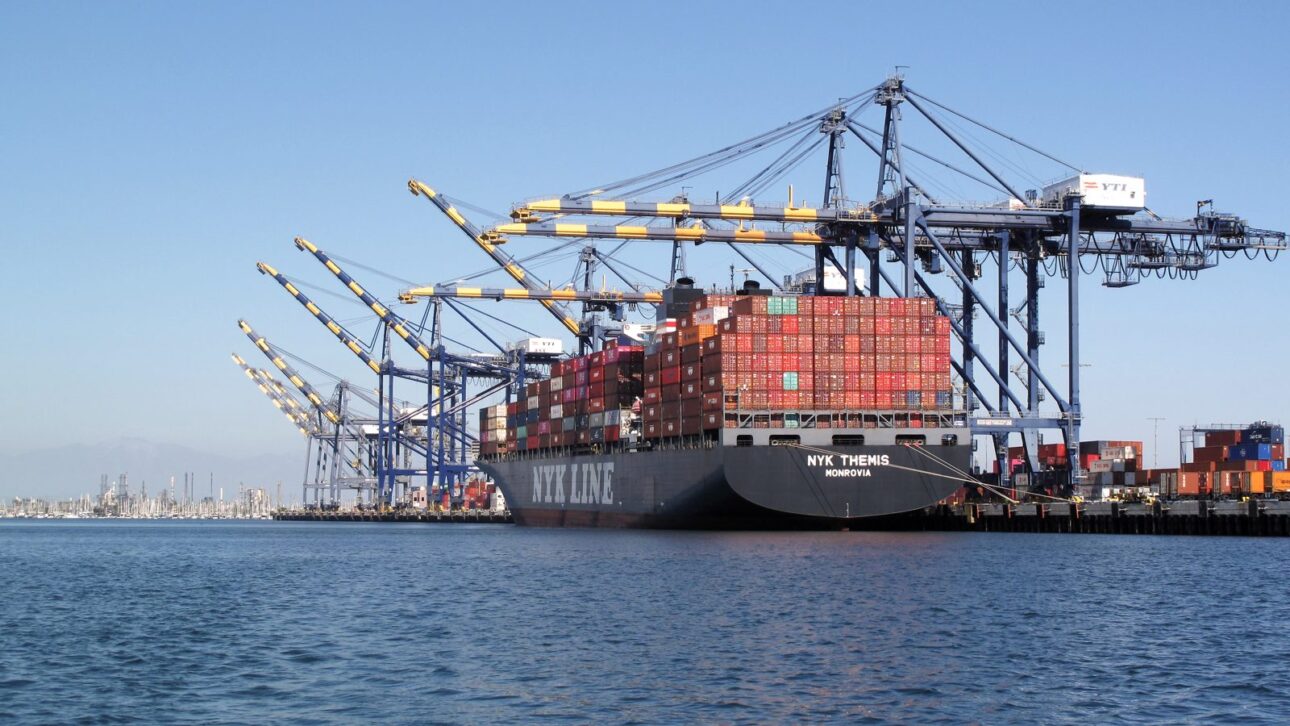

Los Angeles and Long Beach ports avoided a strike on Saturday, Nov. 21, 2026: employers’ association PMA and union Local 26 reached a tentative agreement for 250 watchmen at six terminals, which handle 85% of Long Beach cargo and 33% of Los Angeles cargo
The ports of Los Angeles and Long Beach, in California, avoided a strike on Saturday, Nov. 21, 2026. Employers’ association PMA and the ILWU Local 26 union reached a tentative agreement covering 250 watchmen.
The agreement was reported Saturday, Nov. 21, by MyNewsLA, citing Reuters. On Friday, Nov. 20, maritime news site gCaptain reported that more than 110 U.S. business associations had called for an agreement.
The watchmen work at six container terminals. According to PMA figures, those terminals handle about 85% of Long Beach cargo and also 33% of Los Angeles cargo.
-
Bridge over the Várzea River on PR-427 closed from Nov. 23 to Nov. 30, with detours via BR-476 and BR-116

-
Salvador-Itaparica Bridge, a R$11.6 billion project, now has 22 offshore piles driven for the concrete plant supporting the 682-meter central span of the 12.4-kilometer crossing in the Bay of All Saints
-
WEG to transport a 190-ton load from Jaraguá do Sul to Itajaí Port on Tuesday, Nov. 24, starting at 9 a.m., via the BR-280 and BR-101 under escort, marking the first of five giant machines
-
Brazil’s Postal Workers Set Strike for 10 p.m. on Nov. 26, Eve of Black Friday; 36 Unions Join Walkout, Threatening Nationwide Delivery Delays


The effects described by the sources extend across the U.S. economy. A strike threatened year-end deliveries, factories, U.S. exports, and the country’s network of trucks, trains, and warehouses.
Tentative agreement reached Saturday, after contract expired
The watchmen’s previous contract expired at 12:01 a.m. Saturday, Nov. 21, Pacific time. Local 26 had already authorized a strike, and PMA warned that a work stoppage could begin at that time.
Talks resumed Friday, Nov. 20, with a federal mediator. Two days earlier, PMA had said the union was showing “little or no movement” on proposals.
The Pacific Maritime Association (PMA) announced the agreement in a post on X, published in English on Saturday.
The post’s title is “PMA Statement on Negotiations with ILWU Local 26 at the Ports of LA and Long Beach.”
The main passage says that on Nov. 21, PMA and Local 26 reached a tentative agreement on a new contract for about 250 watchmen at the two ports.
The agreement still must be ratified by Local 26 members. Until the vote, the current contract is extended, according to the Reuters report republished by gCaptain.
In its statement, PMA thanked the Federal Mediation and Conciliation Service, the U.S. Department of Labor, and Local 26’s bargaining committee. FreightWaves reported the information.
PMA said the agreement provides greater certainty for the ports, cargo owners, supply chain workers, and regional and national economies.
Who are Local 26’s 250 watchmen?
Watchmen are unarmed security guards. They check documents and credentials at terminal gates, patrol the grounds and report security problems.
Local 26 represents about 2% of the ILWU workforce at the two ports. The group is small, but it works at terminals that handle more than half of the cargo moving through the port complex.
Watchmen’s leverage comes from the picket line. Thousands of dockworkers, cargo checkers and foremen, covered by separate contracts, could honor Local 26’s picket line.
In that scenario, cargo operations would stop at the affected terminals. The PMA, the Pacific Maritime Association, said it expected those workers to honor the picket line, which would extend the shutdown beyond Local 26.
Freightos, a freight-booking platform, addressed the impasse in an English-language video published on November 4. At the time, the negotiating deadline was 5 p.m. Wednesday Pacific time.
In the video’s description, Freightos explains that watchmen walking off the job, or a broader strike involving other ILWU members, could disrupt container flows.
That would happen just as retailers rush to move year-end inventory off the docks.


Why six terminals matter so much in Long Beach
The six terminals covered by the dispute are located at the two ports. They handle about 85% of cargo in Long Beach and 33% in Los Angeles.

In 2025, the six terminals handled about 6.2 million containers. The figure comes from an analysis by economist John Martin, cited by the PMA and published by gCaptain on November 18.
The same analysis links cargo moving through these terminals to nearly 4.2 million U.S. jobs, including direct and indirect positions.
Economic activity associated with that cargo reached US$885 billion in 2025. That figure is not an estimate of losses from the strike.
The PMA warned, however, that losses would mount quickly if ships could not unload and containers already at the terminals could not leave.
Agreement’s impact extends across the U.S. supply chain
Coverage of the dispute has focused on its impact within the United States. The most frequently cited concern is getting goods to stores ahead of the year-end holidays.
Business groups also pointed to risks for factories that depend on imported parts and for U.S. exports.
The joint statement said a prolonged shutdown would spread beyond the docks, affecting trucks, railroads, warehouses and distribution centers across the country.
Delays would not end when the strike did. The groups said it would take weeks or months to clear the container backlog after operations resumed.
gCaptain also described risks to truck and rail traffic, as well as to imports and exports, with congestion extending beyond the port area.
More than 110 business groups called for an agreement
On Friday, the 20th, more than 110 U.S. business groups issued a joint statement. They urged employers and the union to negotiate in good faith and keep cargo moving.
The statement was signed by the National Retail Federation (NRF), the U.S. Chamber of Commerce, the National Association of Manufacturers and the American Trucking Associations.
More than 100 other organizations also joined. They represent retailers, manufacturers, agricultural producers and logistics companies.
The groups noted that the two ports were already facing congestion because import volumes were near record levels. They said a strike would put year-end shipments at risk.
The fruit trade publication Fresh Fruit Portal reported on November 9, citing Reuters, that the two ports had set an all-time cargo record in September.
The PMA’s offer before the agreement
The last offer the PMA made public before the agreement included a one-time bonus of US$3,200 per union member.
The raises would increase full-time watchmen’s average annual earnings from more than US$170,000 to US$198,000.
The proposal kept health insurance fully employer-paid for active workers and retirees. The PMA values the benefit at more than US$62,000 a year.
Retirement benefits would rise to as much as US$93,200 a year for the most senior watchmen.
These figures come from the offer the PMA presented before the final round of negotiations.
The union did not immediately respond to Reuters’ request for comment, which was sent outside business hours. FreightWaves also contacted Local 26.
More than a year of negotiations and repeated extensions
The watchmen’s previous contract expired in July 2025. Since then, they have worked under extensions while the parties negotiated with help from the Federal Mediation and Conciliation Service.
In late October, Local 26 members authorized a strike. After that, the deadline was postponed more than once.
On November 4, the PMA posted a statement on X, in English, about one of those extensions.
In translation, the PMA and Local 26 agreed to extend the contract until midnight on Friday, November 6, Pacific time.
The same statement said negotiations would continue on Friday with help from federal mediators.
On Friday, November 6, the contract was extended again, this time through November 20, with additional rounds of talks scheduled during that period.
PMA also announced the decision in English on X: the association and Local 26 agreed to extend the contract through November 20, with additional talks scheduled during that period.
At the end of its statement, PMA said it remained committed to reaching a fair agreement at the negotiating table.
Tuesday, November 17, talks ended with little progress. The union indicated it would not accept another extension.
The sides returned to the negotiating table on Friday, November 20, for a final attempt. The tentative agreement was reached the following day.
Port complex figures
Los Angeles and Long Beach sit side by side on San Pedro Bay in Southern California.

The Los Angeles and Long Beach ports form the country’s busiest container complex and its busiest cargo hubs.
The complex is the country’s busiest trade gateway.
On November 11, Freightos published another video in English about the case, shortly after the deadline was extended to November 20.
In the description, the company says the terminals were still dealing with rail delays, with containers sitting for more than a week. Freightos said this left the remaining year-end cargo vulnerable.

Next step is a vote by the watchmen
The tentative agreement now depends on ratification by Local 26 members. Until the vote, the current contract remains extended.
The watchmen’s dispute is separate from the broader West Coast contract, which covers ILWU dockworkers and cargo checkers. That larger agreement runs through 2028.
If ratified, the 250 watchmen will have a new contract after more than a year of negotiations. Until then, the agreement still depends on a vote by Local 26 members.