





 Portuguese
  English
  Spanish
  4 min of reading
  0 comments


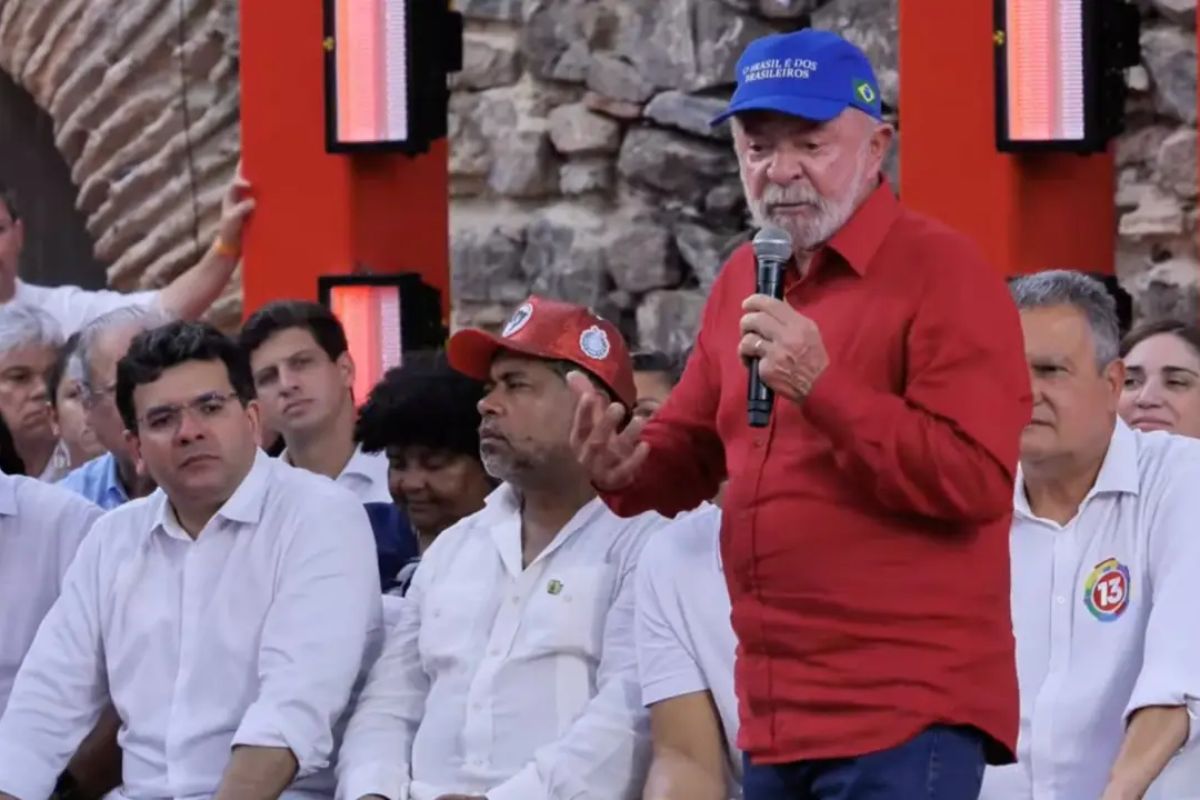
In The Speech, Lula Combined Regional Solidarity, Geopolitical Criticism, And An Electoral Message By Stating That Brazil Will Not Accept External Tutelage, While Defending That The Venezuelan Crisis Should Be Resolved Internally And Thanking Cooperation With Beijing, Amid Growing Diplomatic Tensions Involving Washington And Interests Over Rare Earths In South America.
Lula placed foreign policy at the center of the debate by defending Cuba and Venezuela, thanking the partnership with China, and criticizing U.S. pressures on South American countries. According to Veja, in a speech delivered in Salvador on Saturday (7), the president associated national sovereignty, strategic resources, and diplomatic autonomy in a single public message.
At the same time, the speech had a second axis, focused on the internal scenario. Lula stated that his “peace and love” phase is over and described the pre-electoral period as a tough battle between truth and lies, signaling a change in tone. The speech also included self-criticism and a call for political repositioning from the grassroots.
Sovereignty, External Pressure, And The Rare Earths Axis
The most sensitive part of the speech was the criticism of what Lula described as Washington’s pressure on South American governments to restrict relations with China, especially in the field of strategic natural resources.
-
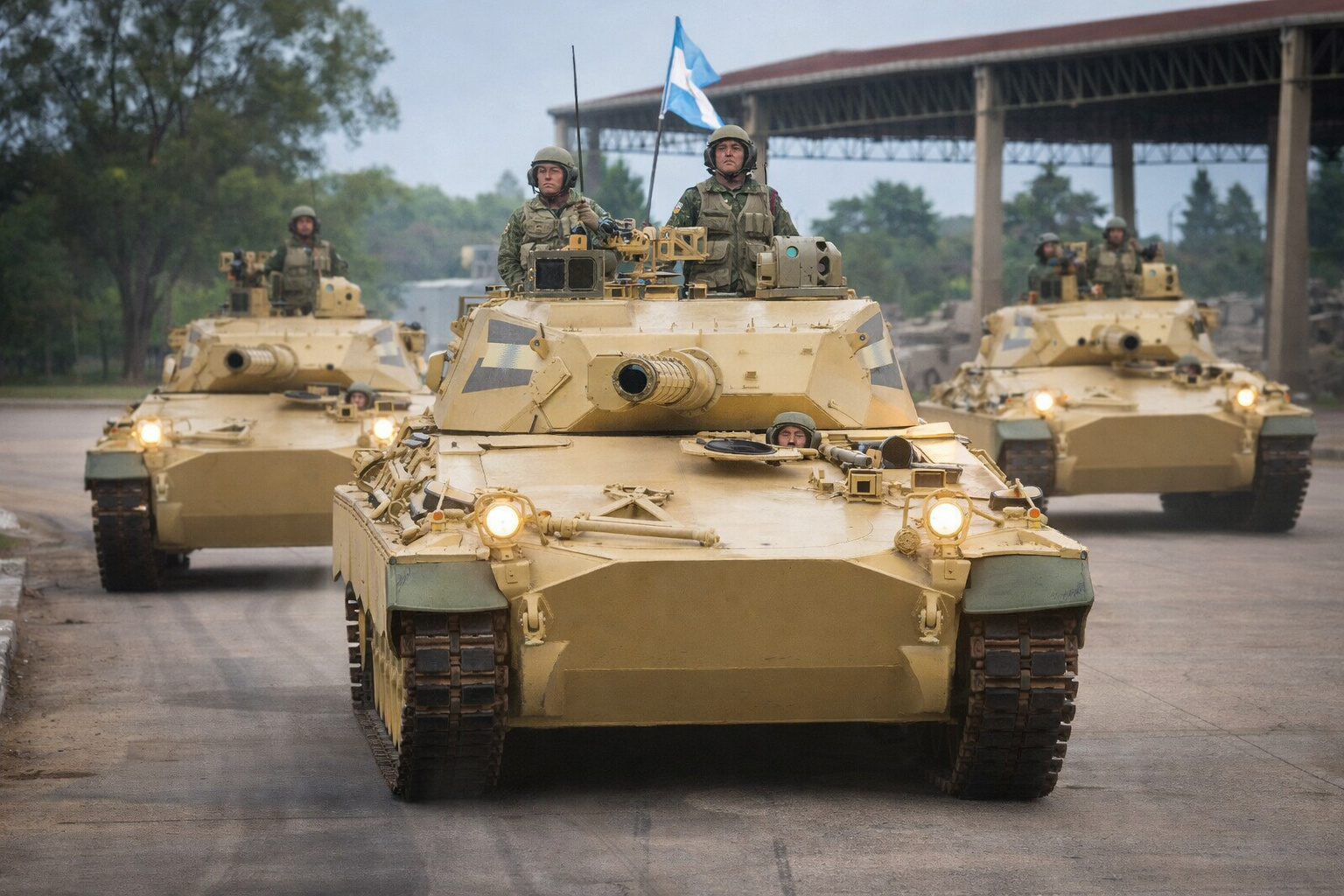
While no other country manufactures tanks in Latin America, Argentina activates the TAM 2C-A2 and raises a curiosity about the technological lag in the region.
-
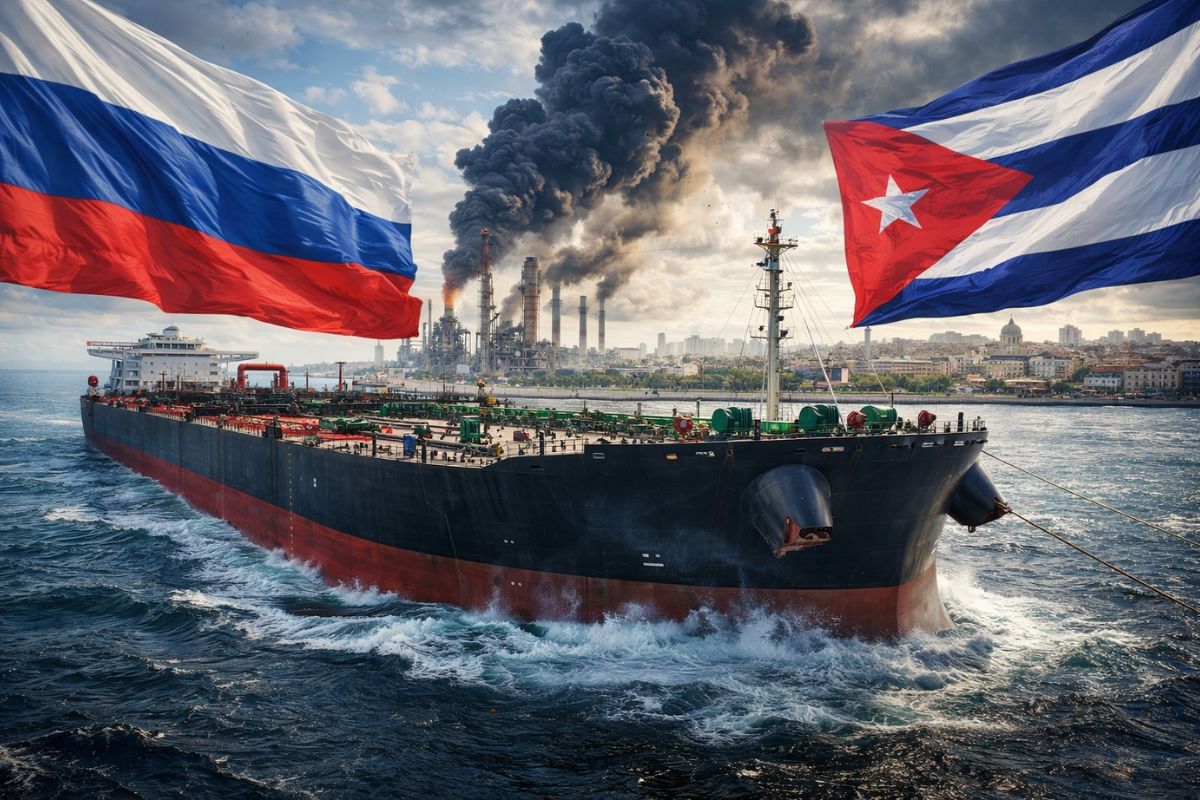
A Russian ship with 730,000 barrels of oil has just arrived in Cuba while Mexico negotiates fuel sales through private companies: the communist island is desperately seeking alternatives after losing its supply from Venezuela due to American military action.
-
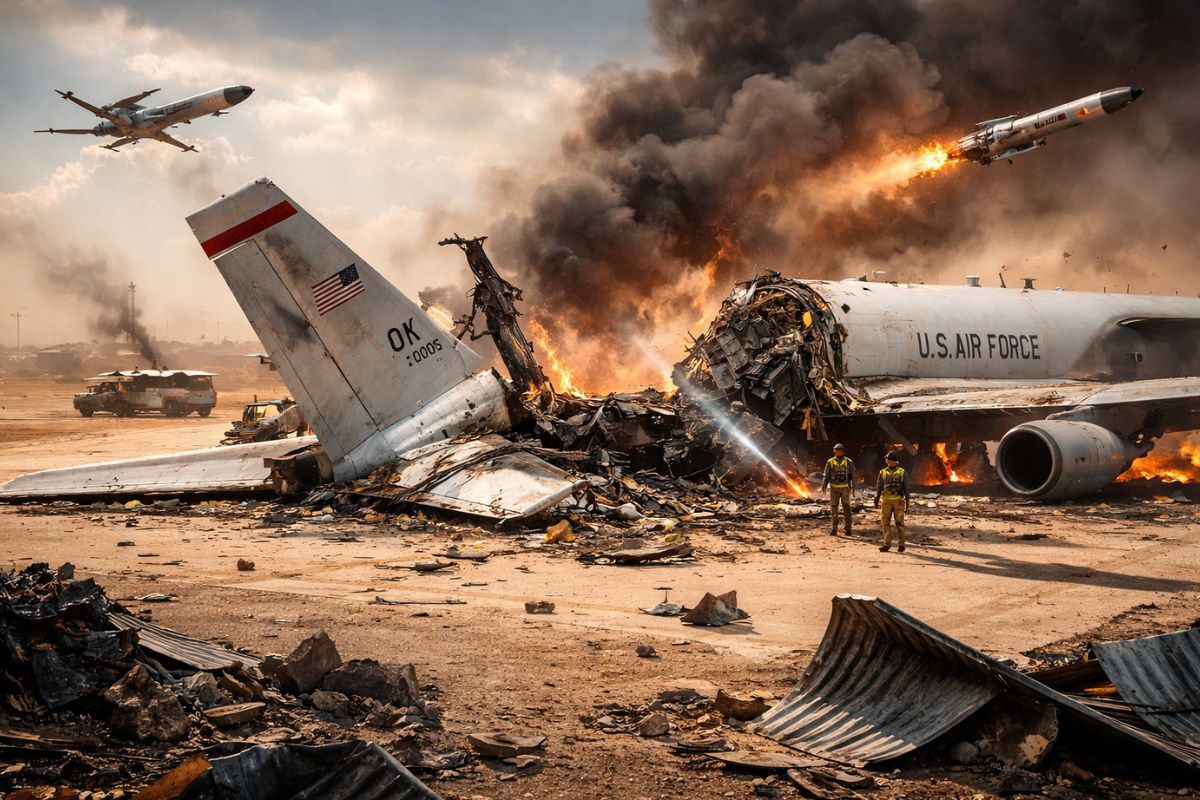
Iranian drones and missiles destroyed a 270 million dollar American spy plane in Saudi Arabia, splitting the E-3 Sentry aircraft in half and injuring 12 military personnel in an attack that exposes the vulnerability of U.S. bases in the Persian Gulf.
-
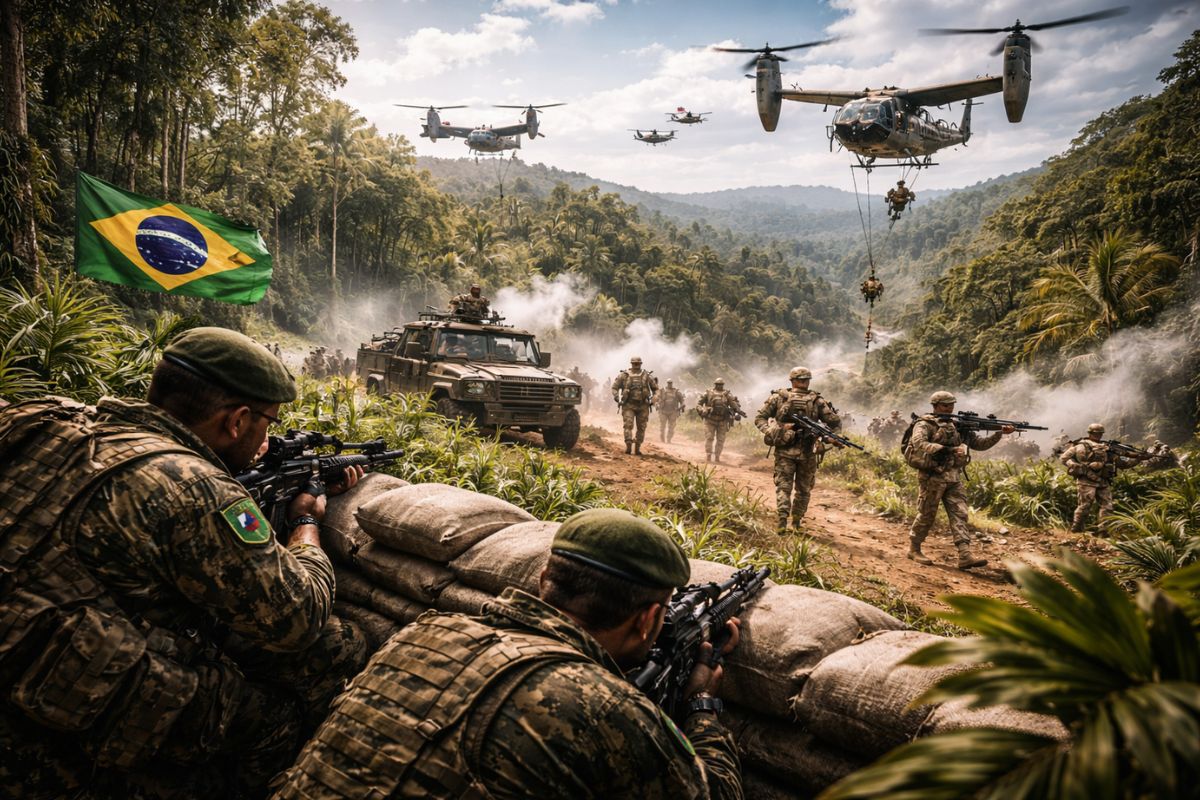
If the USA were to go to war with Brazil, Washington’s greatest fear would not be the attack itself, but facing a vast territory, prolonged resistance, and a costly, chaotic, and unpredictable occupation.
By mentioning rare earths, the president introduced a topic that is both technical and geopolitical: those who control critical inputs tend to influence industrial chains, technology, and international bargaining.
Even without directly mentioning Donald Trump when discussing China, the political reference was clear throughout the speech. The central message was that Brazil wants to maintain relations with different power centers without accepting external tutelage.
The word “sovereignty” appears as the axis connecting diplomacy, economy, and political decision, transforming a specific speech into a broader positioning about the country’s place in the region.
Cuba And Venezuela As A Test Of Non-Intervention
In the part dedicated to Cuba, Lula defended solidarity with the Cuban people and classified the situation as a result of U.S. pressure. The tone was one of political and humanitarian alignment, but also of strategic affirmation: by choosing this topic, the president reaffirms that Brazil intends to position itself on hemispheric issues with its own voice, even under diplomatic strain.
Regarding Venezuela, the approach taken was straightforward: the Venezuelan problem must be resolved by the Venezuelan people themselves. In doing so, Lula recovers the principle of non-intervention as the foundation of his argument. In practical terms, the speech answers the “who decides” and “why” of the regional impasse: for the president, the legitimacy of political solutions must arise internally, not from external imposition.
This formulation also resonates with domestic policy. By defending the autonomy of other countries to determine their paths, Lula projects the idea that national decisions cannot be conditioned by external interests onto Brazil. It is a narrative that seeks to unify foreign policy and internal debate around the same concept of independence.
From “Peace And Love” To The Dispute Between Truth And Lies
When Lula says that his “peace and love” version is over, the message shifts from being merely diplomatic to clearly electoral. The phrase marks a turn in language: less rhetorical conciliation and more narrative confrontation, with the election on the horizon. By talking about a “war” between truth and lies, he raises the tone and redefines the political field of dispute for the coming months.
In self-criticism, Lula also asked the grassroots to retake programmatic references and read the party manifesto, arguing that his camp cannot repeat the paths of wear and tear observed in right-wing parties. This point addresses the “how much” of the speech in terms of reach: it was not just a talk about international relations, but a political orientation for organization, identity, and narrative discipline of the group itself.
As a whole, the speech combines three simultaneous layers: regional positioning, tension with the United States, and groundwork for internal dispute. The strength of the speech lies precisely in this overlap: each external phrase also speaks to the domestic electorate, and each internal message seeks support from a larger geopolitical narrative.
Lula’s speech brought together support for Cuba and Venezuela, appreciation for the partnership with China, criticism of U.S. pressure, and an explicit change in posture in the national political confrontation.
The result is a speech that mixes diplomacy, sovereignty, and electoral strategy in a single key of public communication.





-

Uma pessoa reagiu a isso.