





 Portuguese
  English
  Spanish
 5 min of reading
  0 comments


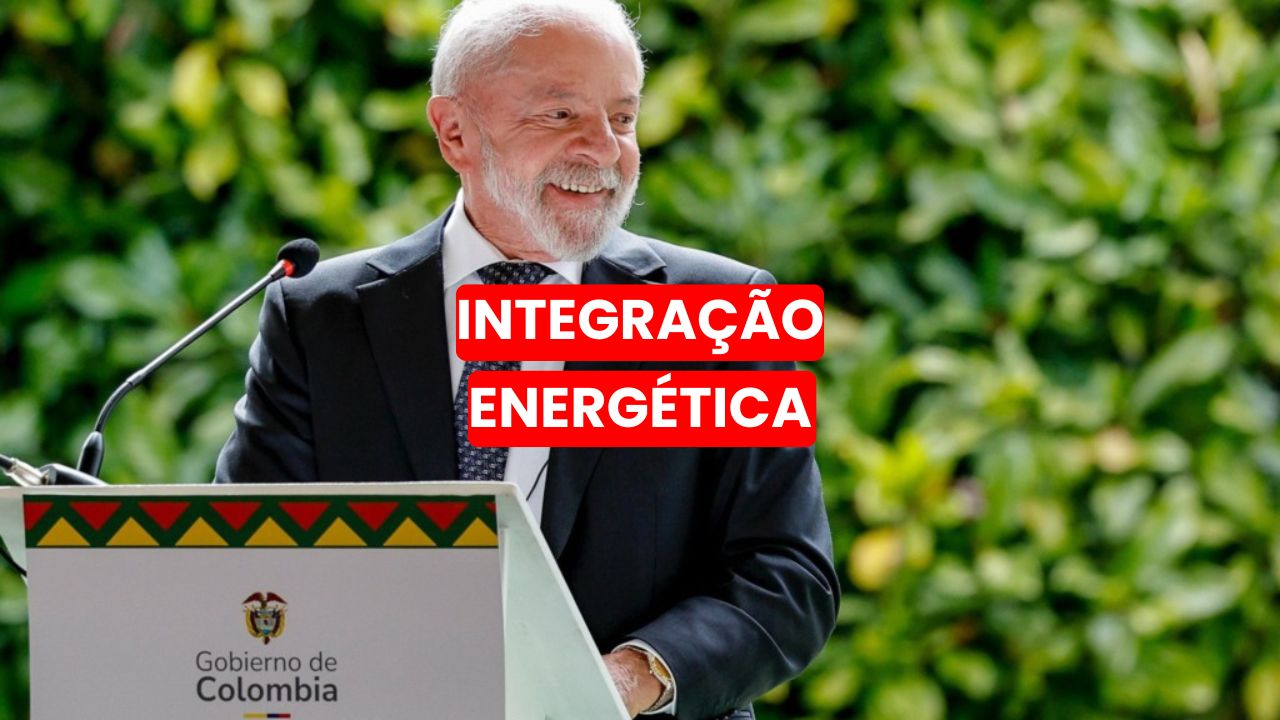
Lula and Silveira Advocate for Energy Integration Between South America and the Caribbean by Connecting Roraima to the SIN via the Manaus-Boa Vista Power Line
During the inauguration ceremony of the Manaus-Boa Vista Power Line, held on September 10, 2025, President Luiz Inácio Lula da Silva and the Minister of Mines and Energy, Alexandre Silveira, emphasized the importance of enhancing energy integration among South American countries and with the Caribbean.
The event marked the definitive connection of the state of Roraima to the National Interconnected System (SIN), ending decades of energy isolation and opening new possibilities for regional cooperation.
Lula’s Strategy for Energy Integration
The defense of energy integration made by Lula and Silveira goes beyond electrical infrastructure. It is a geopolitical strategy aimed at transforming South America and the Caribbean into protagonists of the global energy transition.
-
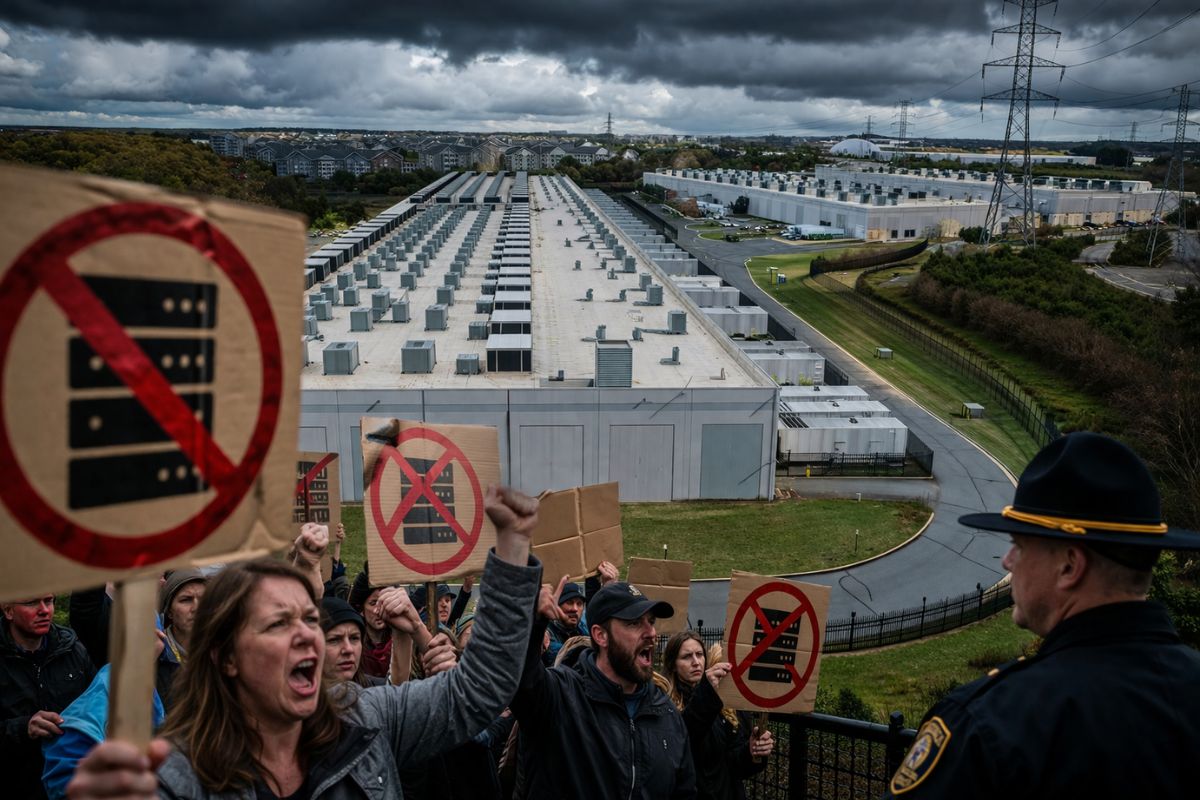
Big techs plan US$ 635 billion in AI data centers by 2026, but the crisis in the Middle East threatens investments, and Brazil is betting on natural gas to attract megacomplexes of up to 1,500 MW in Rio de Janeiro, Rio Grande do Sul, and Paraná.
-
Sustainable progress in the Southeast: ARSESP opens public consultation for biomethane and accelerates decarbonization projects of the energy matrix in São Paulo.
-
The end of an era? Brazil and global powers accelerate investments in technology and infrastructure to solidify the transition away from fossil fuels.
-
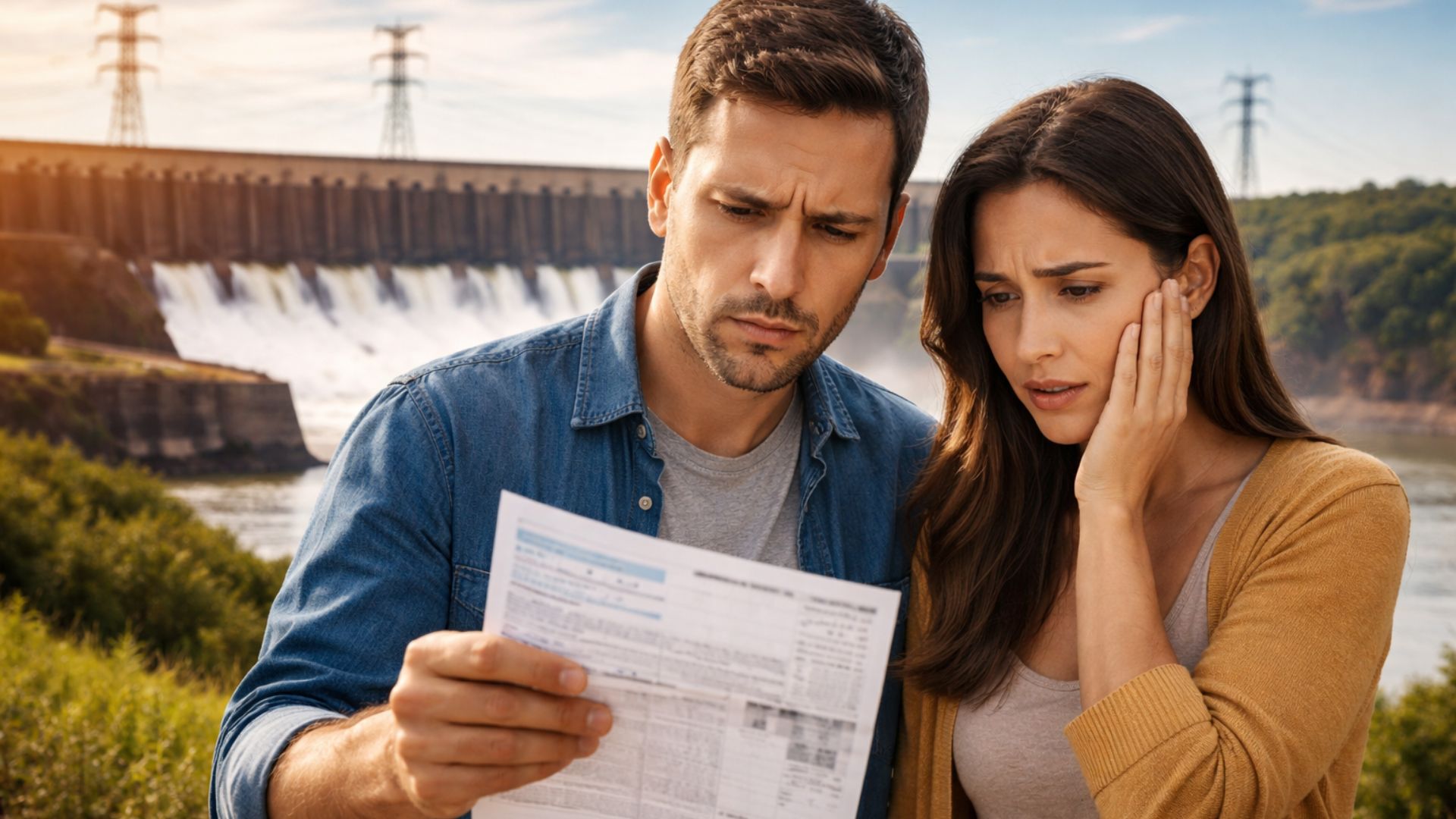
Brazilians paid R$ 18 billion more for energy from the Itaipu plant, reflecting a direct impact on tariffs and generating discussions about costs, transparency, and balance in the national electricity sector.
According to the president’s statements, the Brazilian SIN is a model for the world and that, with cooperation among neighboring countries, it is possible to interconnect the hydropower potential of the region, making it a sustainable energy powerhouse.
The president claimed that few countries have a system like ours. When South American leaders realize this, it will be possible to connect the entire hydropower potential of the region into a large integrated network.
The president’s remarks reinforce the view that energy integration can be a vector for economic development, social inclusion, and environmental sustainability.
Manaus-Boa Vista Power Line: Connecting Roraima to the SIN
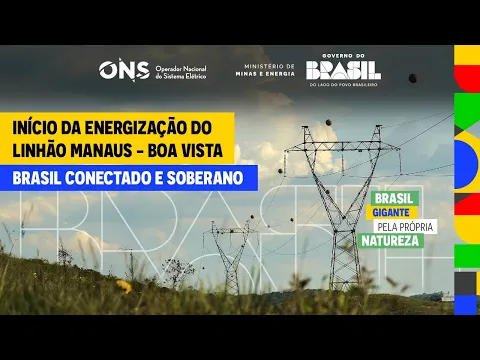
The inauguration of the Manaus-Boa Vista Power Line represents a historic milestone for Brazil. Roraima was the only Brazilian state still outside the National Interconnected System, relying exclusively on diesel thermoelectric generation. With the new transmission line, the state will receive clean and reliable energy, reducing costs and environmental impacts.
According to Minister Alexandre Silveira, the connection to the SIN will allow for a savings of R$ 45 million per month on the Fuel Consumption Account (CCC), which subsidizes diesel generation in isolated systems. Furthermore, it strengthens national energy infrastructure and paves the way for future international connections.

South America and the Caribbean: Potential for Energy Cooperation
The proposal by Lula and Silveira goes beyond Brazilian borders. South America and the Caribbean have vast natural resources and installed capacity for renewable energy generation, especially hydropower and solar energy.
Integration among these countries can ensure energy security, reduce costs, and accelerate the decarbonization of the regional energy matrix.
Silveira pointed out that Brazil has already helped supply Argentina with energy exports in critical moments. He also highlighted that the new power line could, in the future, enable the import of energy from Venezuela, which has the Guri Hydroelectric Plant with a capacity of 8 GW.
National Interconnected System: A Model for Regional Cooperation
The National Interconnected System (SIN) is one of the largest electric power transmission networks in the world. It connects almost all Brazilian states, allowing for energy exchange between regions with different generation and consumption profiles. This flexibility is essential to ensure stability and efficiency in supply.
The entry of Roraima into the SIN represents not only a technical advancement but also a symbolic step towards full integration of the national territory. With this expansion, Brazil reinforces its ability to lead energy cooperation initiatives with neighboring countries.
Economic and Social Benefits of Lula’s Strategy
Energy integration among South American and Caribbean countries can generate significant benefits:
- Reduction of operational costs: sharing of infrastructure and energy resources.
- Energy security: greater stability in energy supply.
- Regional development: attracting investments and creating jobs.
- Sustainability: decreasing dependence on fossil fuels.
- Social inclusion: access to quality energy in remote areas.
These benefits reinforce the importance of public policies aimed at regional cooperation and modernization of the energy matrix.
Energy Transition and Sustainability in South America
With the COP30 scheduled for November 2025 in Belém (PA), Brazil positions itself as a leader in the global energy transition. The connection of Roraima to the SIN is a concrete example of how public policies can promote sustainability, inclusion, and development.
Lula stressed that the replacement of diesel generation with clean sources is an essential step for the country to cease being considered “in development” and to take on a leading role internationally. He also highlighted the potential for trade with the Caribbean, driven by the new energy and telecommunications infrastructure in the North region.
Technological Innovation and Small Nuclear Reactors
In addition to physical integration through transmission lines, the future of energy in South America and the Caribbean involves technological innovation. Silveira mentioned small nuclear reactors as a possible solution for isolated systems, providing clean and safe energy in hard-to-reach locations.
The digitization of the electric grid, the use of artificial intelligence for demand management, and the expansion of renewable sources such as solar and wind energy are also trends that will shape the sector in the coming years. Brazil, with its expertise and installed capacity, can lead this modernization process.
Connectivity and Regional Development
The connection of Roraima to the SIN is not just energetic. The installation of new fiber optic cables in the North region creates conditions for investments in technology, education, and commerce. Lula highlighted that Roraima is now fully integrated with the rest of Brazil, without any more physical or digital barriers.
This multidimensional integration is essential for sustainable development and for including historically marginalized populations. In this context, energy becomes a vector for social transformation.
South America and the Caribbean: Paths to a Sustainable Future
The advocacy for energy integration made by Lula and Silveira on September 10, 2025 represents a strategic and transformative vision for the future of South America and the Caribbean. The inauguration of the Manaus-Boa Vista Power Line and the connection of Roraima to the National Interconnected System are concrete milestones of this vision.
With regional cooperation, investments in infrastructure, and technological innovation, South America and the Caribbean can become leaders in the global energy transition. Brazil, with its experience and installed capacity, plays a central role in this process.
Energy integration is not just a technical issue — it is a historic opportunity to build a fairer, more sustainable, and prosperous future for all countries in the region.



Seja o primeiro a reagir!