





 Portuguese
  English
  Spanish
  4 min of reading
  1 comment


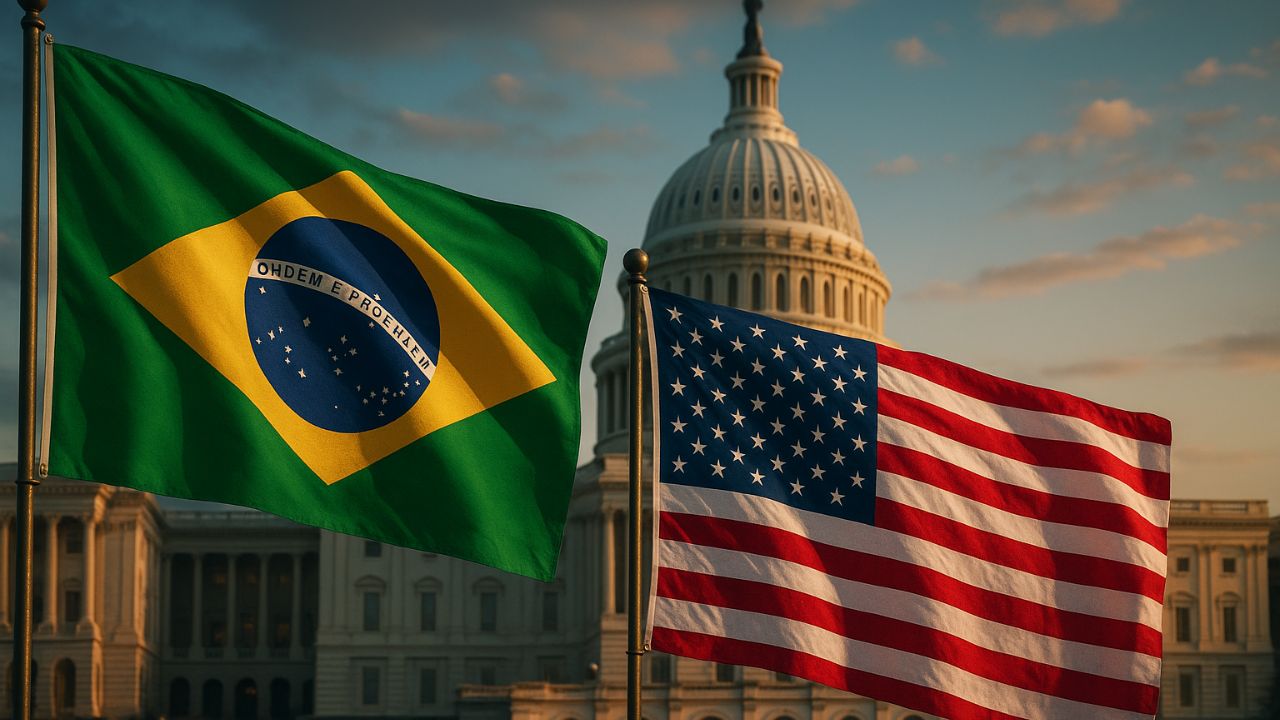


Meeting in Washington Between Mauro Vieira and Marco Rubio Will Seek Solutions for the Surcharges Imposed on Brazilian Products; Date Not Yet Set
The Ministry of Foreign Affairs, the Itamaraty, confirmed the holding of a future in-person meeting between the Brazilian Foreign Minister, Mauro Vieira, and the United States Secretary of State, Marco Rubio. The meeting, which will take place in Washington, aims to follow up on negotiations regarding the additional tariffs applied to Brazilian products exported to the U.S. market. This diplomatic advancement comes after a video conference between Lula and Trump. The information was disclosed by Agência Brasil after a phone dialogue between the two representatives on this Thursday (9).
The conversation was described by Itamaraty as “very positive” and established that the technical teams from both governments will meet beforehand to address economic and trade issues. This diplomatic advancement occurs days after a video conference between Presidents Luiz Inácio Lula da Silva and Donald Trump, which marked the beginning of a new phase in bilateral dialogue to resolve the trade impasse.
The Diplomatic Path to Unlock Trade According to Itamaraty
The arrangement for the in-person meeting represents a fundamental step in the search for a negotiated solution. According to Itamaraty‘s statement, the invitation came directly from Secretary of State Marco Rubio, who invited Mauro Vieira to join the Brazilian delegation in Washington. The goal is to discuss the priority topics of the bilateral relationship, particularly the reversal of what has been called the “tarifaço.” According to Agência Brasil, the rapprochement has intensified following the conversation between Lula and Trump last Monday (6).
-
Weak dollar or strong real? The American currency plummets for the third day, approaching R$ 5 and surprising the market with global inflation and tensions in the Middle East that continue to create global uncertainty.

-
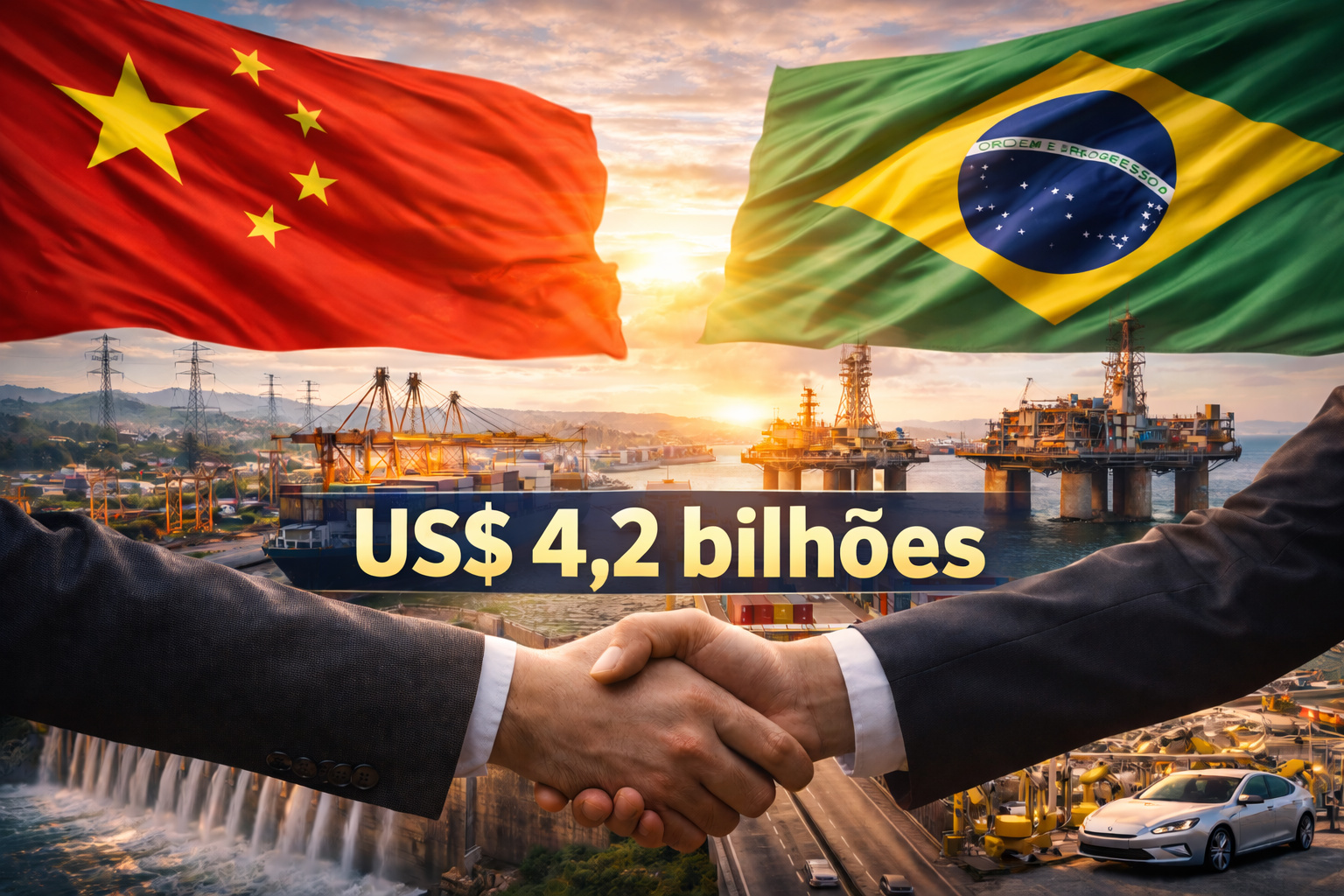
China’s investments in Brazil in factories, energy, oil, electric cars, and new industrial projects double to $4.2 billion, making the country the 3rd largest global destination for Chinese capital.
-
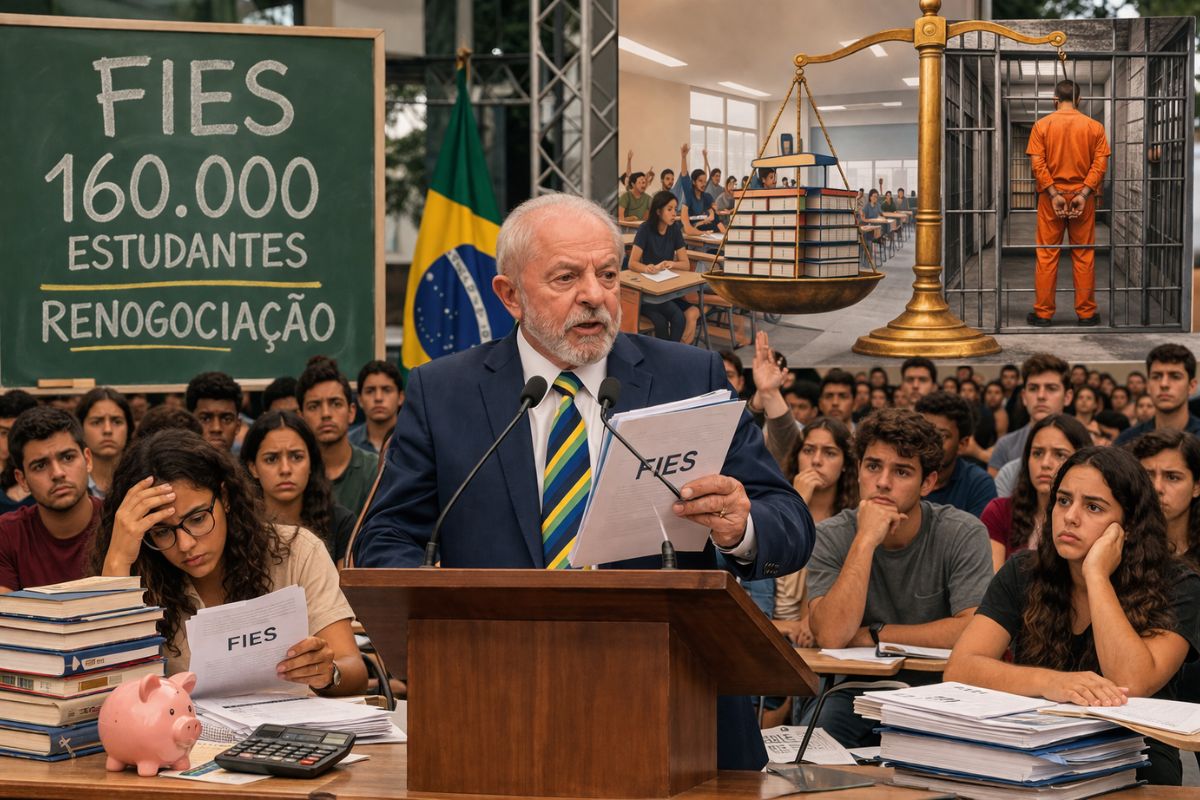
Lula announced that 160,000 students in debt with FIES will be included in the federal government’s renegotiation package and compared the cost of an inmate to that of a student by saying that Brazil invests in criminals when it does not invest in education.
-
Young people are leaving college in the United States and competing for jobs in construction with salaries of R$ 500,000 per year.
On that occasion, the two heads of state exchanged phone contacts to establish a direct line of communication and agreed to meet in person soon. The U.S. president designated Marco Rubio, his main name in diplomacy, to lead the negotiations on the U.S. side. This movement indicates the importance both governments place on resolving the trade dispute, which directly affects strategic sectors of the Brazilian economy.
Brazil’s Arguments Against the ‘Tarifaço’
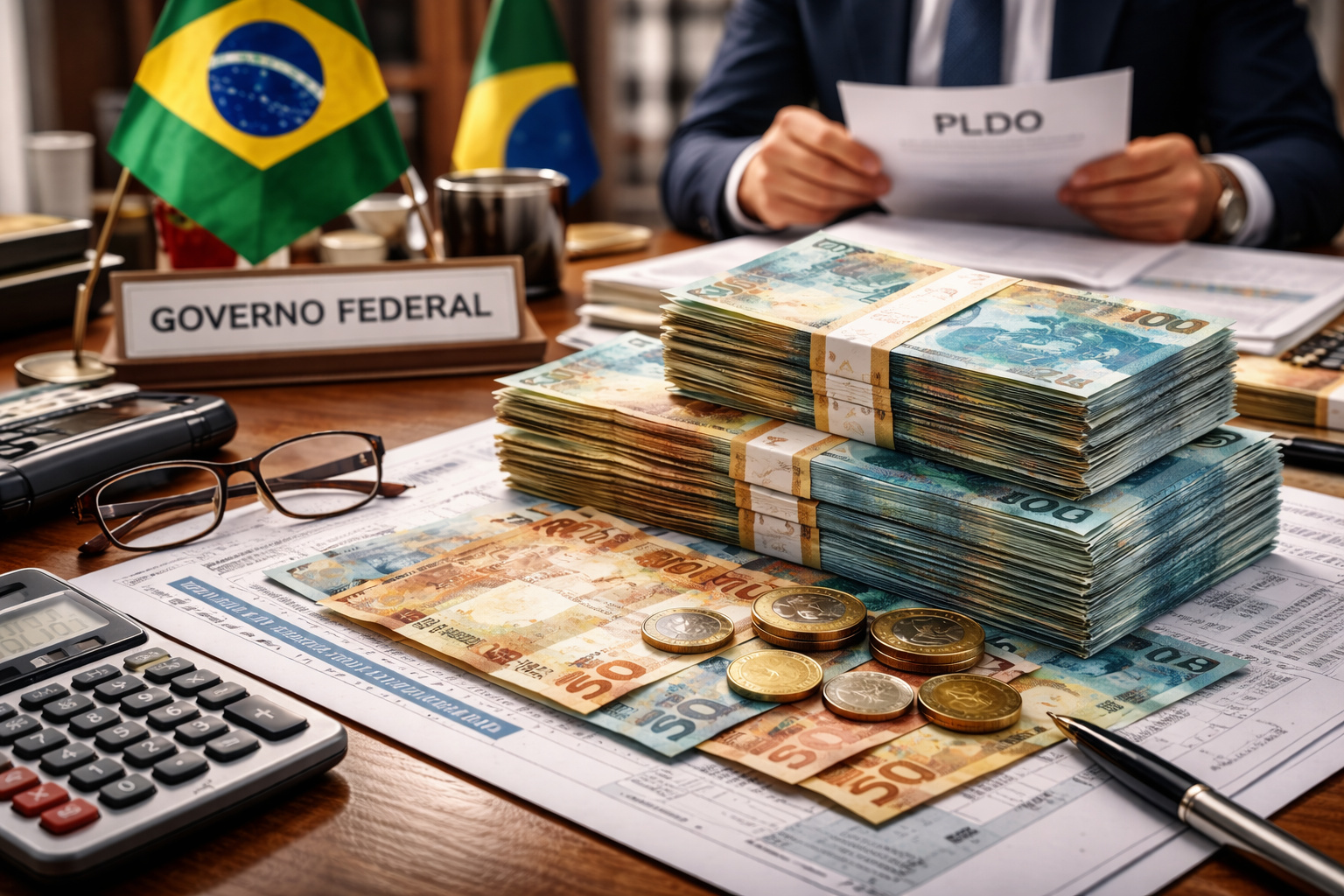
The Brazilian government, through the Ministry of Finance, has already prepared its line of argumentation to present to U.S. authorities. Minister Fernando Haddad stated that Brazil will use “the best economic arguments” to reverse the surcharges. The main argument, according to the minister, is that the measure is, in practice, increasing the cost of living for the American consumer by taxing products that are part of their consumption basket.
In addition, Haddad emphasized a crucial point: the United States already has a trade surplus with Brazil, which, in theory, weakens the justification for imposing tariff barriers. The minister also highlighted the vast investment opportunities that Brazil offers, especially in the areas of ecological transformation, exploration of rare earths and critical minerals, and the production of clean energy, such as wind and solar. Agência Brasil reported that these points will be central in the negotiation table.
Understand the Origin and Impact of the Tariffs
The surcharges imposed on Brazil are part of a broader trade policy from the White House, initiated by President Donald Trump to, according to him, reverse the loss of competitiveness of the American industry to China. On April 2, customs barriers were announced against trade partners, with rates varying according to the U.S. deficit with each country. Initially, due to having a surplus with Brazil, Washington applied the lowest rate of 10%.
However, on August 6, an additional tariff of 40% came into effect, cited as a retaliation against Brazilian decisions that, in Trump’s view, would harm large American technology companies (the “big techs”). The measure was also associated with a response to the trial of former President Jair Bolsonaro. Important products such as coffee, fruits, and meats were directly affected, although about 700 items, including orange juice, fuels, minerals, and aircraft, were exempt from the initial taxation.
Do you agree with this change in tariff policy? Do you think this impacts the Brazilian market significantly? Leave your opinion in the comments, we want to hear from those who experience this in practice.







I must say this article is extremely well written, insightful, and packed with valuable knowledge that shows the author’s deep expertise on the subject, and I truly appreciate the time and effort that has gone into creating such high-quality content because it is not only helpful but also inspiring for readers like me who are always looking for trustworthy resources online. Keep up the good work and write more. i am a follower.