





 Portuguese
  English
  Spanish
  4 min of reading
  0 comments


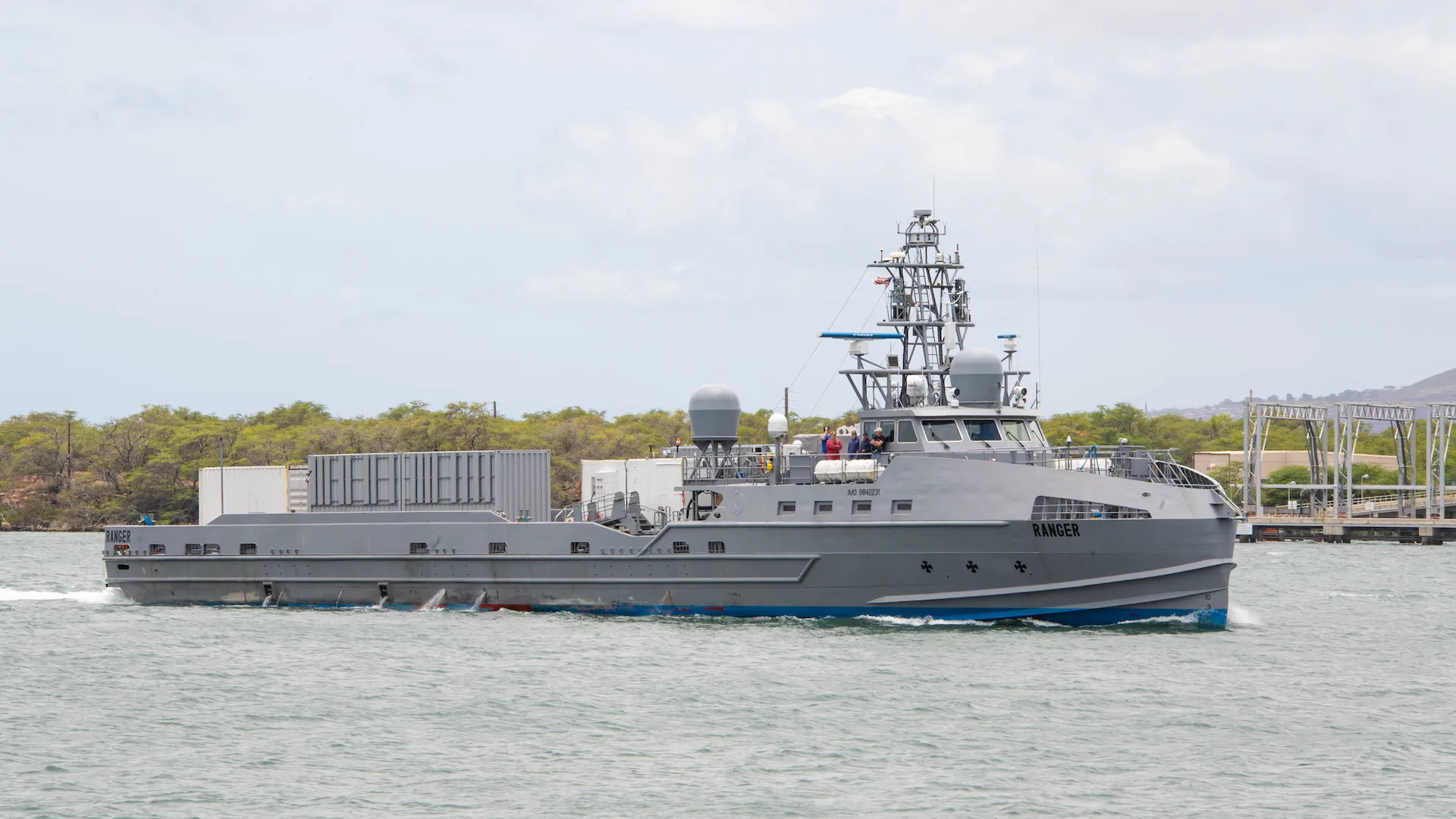
With Up to 90 M, 2,000 T and Months of Autonomy Without Crew, the LUSV Ushers in the Era of Large Autonomous Warships and Expands the Naval Power of the USA.
The United States Navy is moving toward a structural shift in how it projects power at sea. At the heart of this transformation is the Large Unmanned Surface Vessel (LUSV), a large unmanned surface ship designed to operate for weeks or months in open water, deploy sensors, and carry weapons in a distributed manner. The goal is not to replace destroyers or cruisers, but to multiply the range and resilience of the fleet in a high-intensity conflict scenario over long distances.
Why a Large Ship Without Sailors
The logic behind the LUSV stems from a simple observation: crewed platforms are expensive, complex to maintain, and vulnerable when concentrated. By distributing sensors and missiles across multiple autonomous platforms, the Navy reduces the risk of catastrophic losses and increases saturation and persistence capabilities.
The LUSV is envisioned as a “floating magazine”—a ship that carries weapons and sensors to support crewed units, keeping humans in remote control of critical decisions.
-
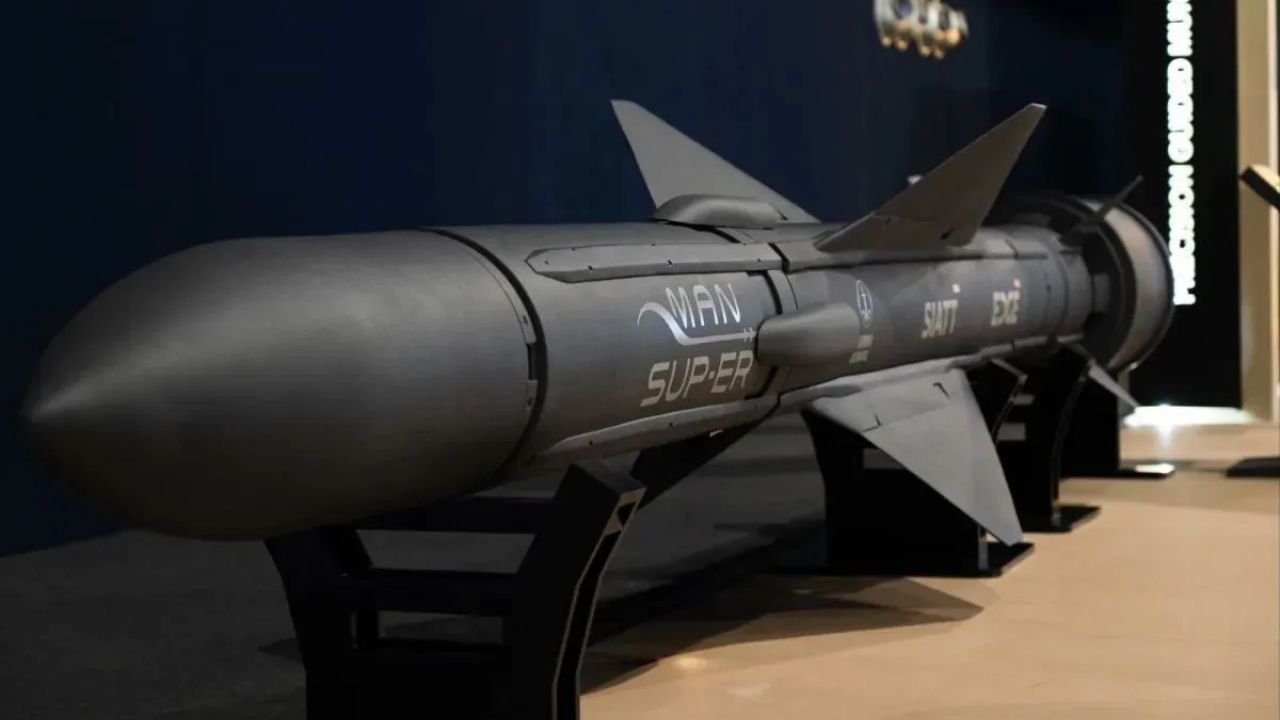
Brazil accelerates the evolution of the MANSUP missile, designing an air-surface version with a range exceeding 200 km, advanced guidance, and precision strike capability against land and naval targets, paving the way for a new generation of national armaments with global potential.
-
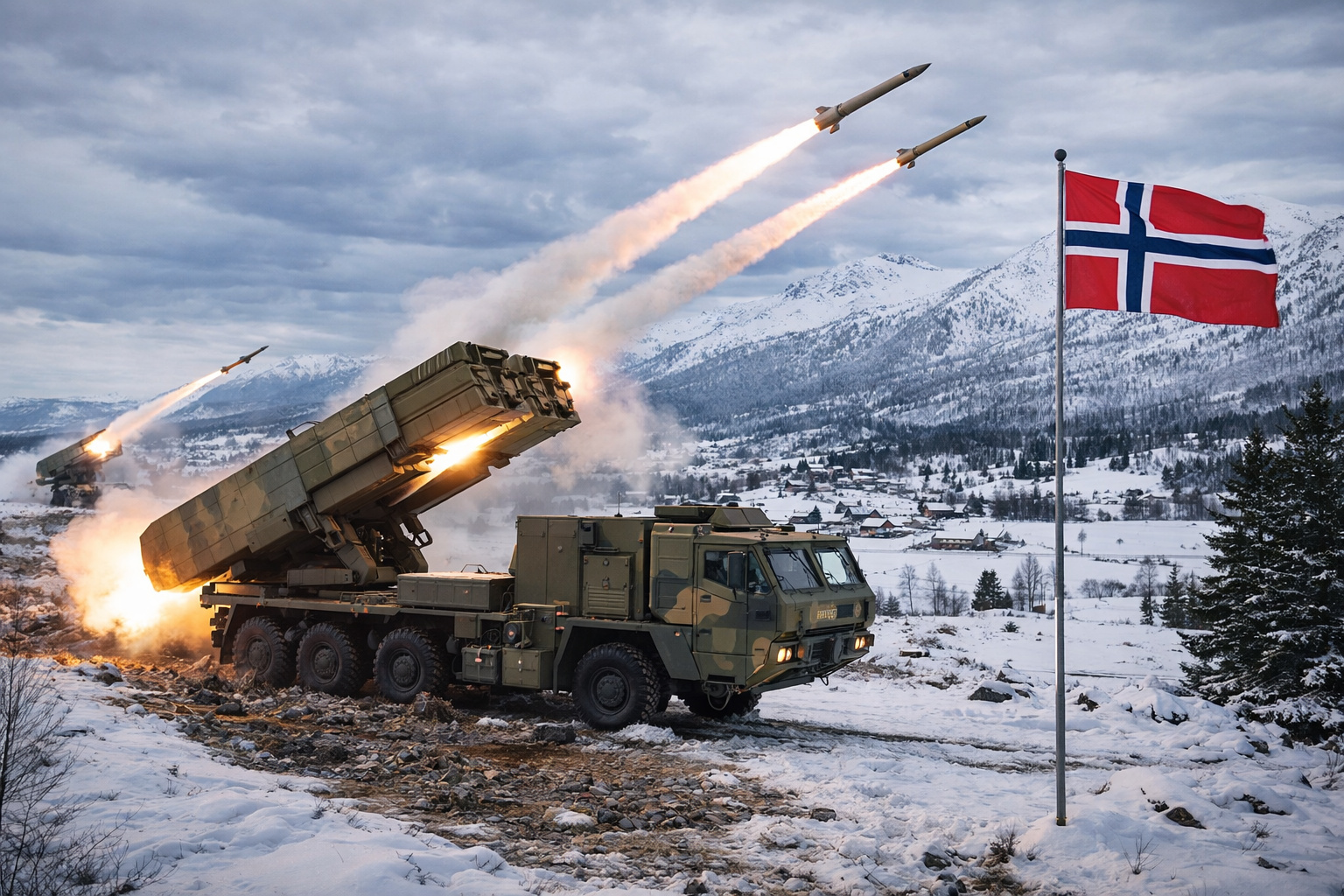
South Korea signs a $922 million deal with Norway, bringing Chunmoo launchers capable of firing guided missiles up to 290 km with an accuracy of 15 meters to Europe and turning the system into a key component of the new global race for precision artillery.
-
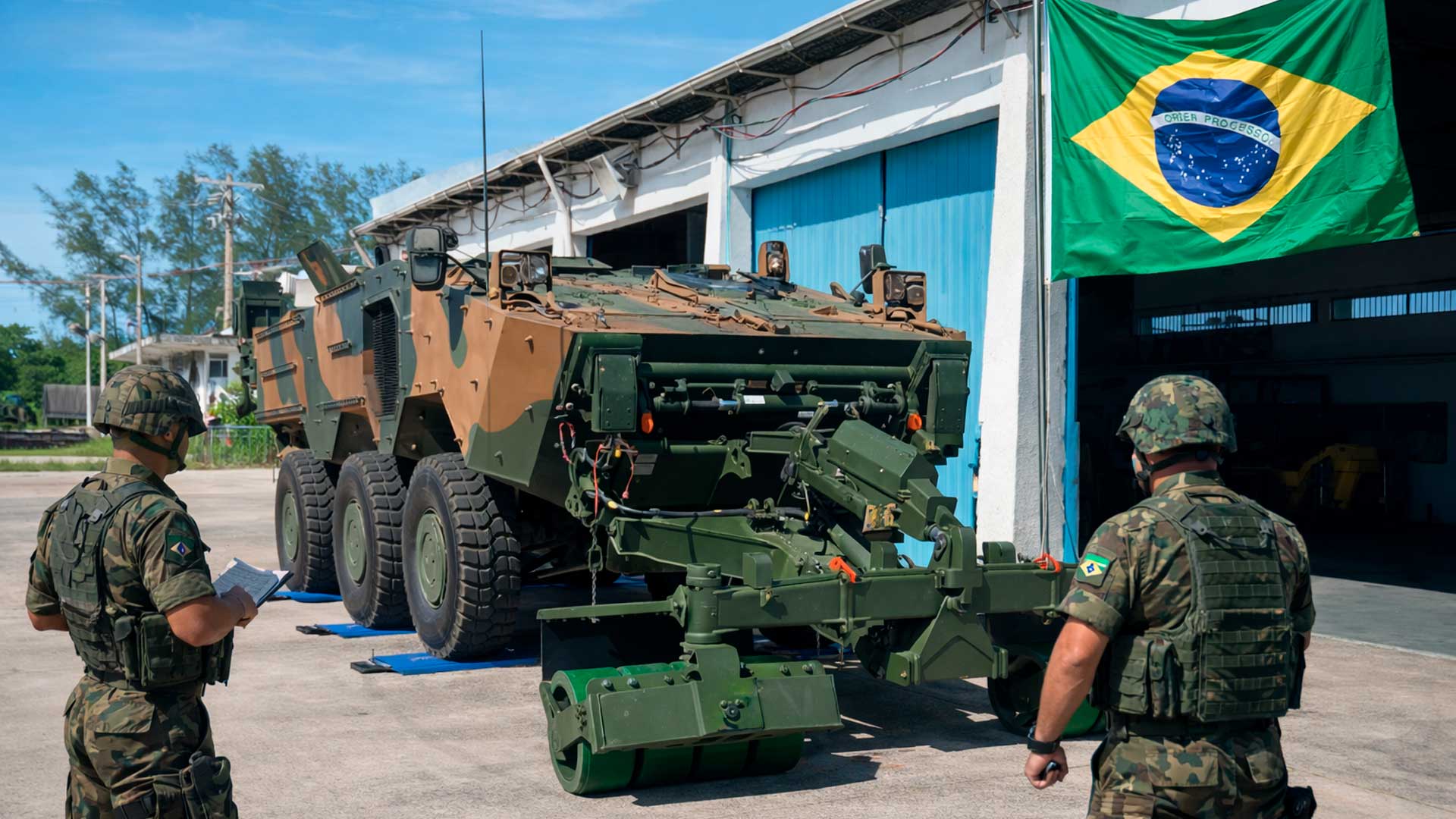
Brazil advances with decisive tests until June, the 6×6 Guarani armored vehicle with engineering equipment enters the most important phase and can enhance the operational capability of the Army.
-
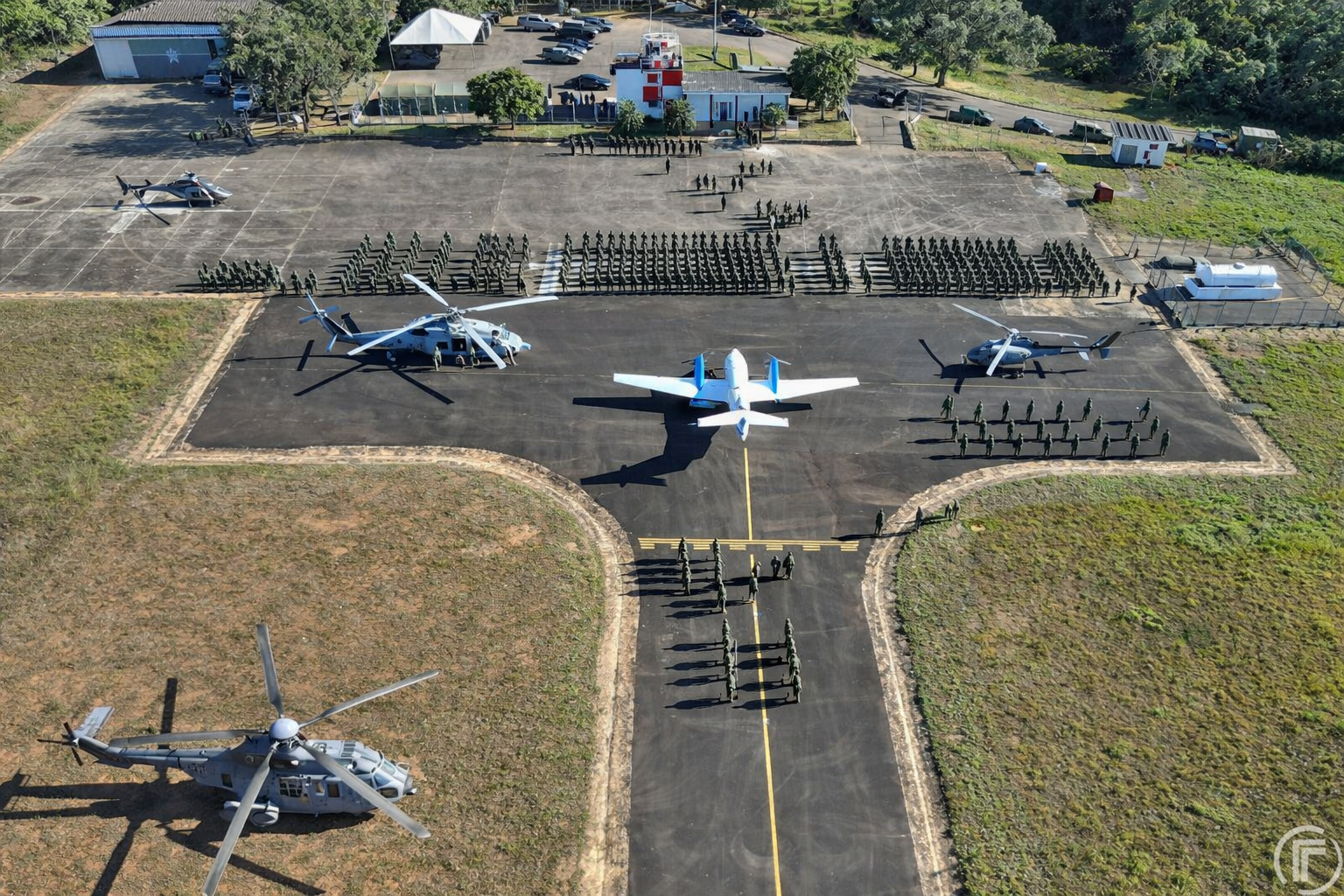
Furnas Airport is handed over to the Navy and becomes a strategic base with complete military operations, attack drones, and international mobilization at Furnas Lake.

Dimensions and Architecture Designed for the Ocean
The disclosed requirements indicate a hull length between 60 and 90 meters, with a displacement of 1,000 to 2,000 tons, comparable in size to a corvette.
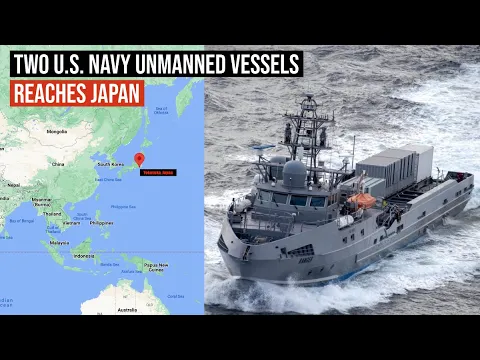

This size is not incidental: it allows for ocean stability, space for fuel, robust power generation, and modular payloads. The design prioritizes autonomy, reduced maintenance, and systems integration, without cabins, kitchens, or living areas on board.
The LUSV is specified for prolonged missions, crossing large ocean basins and remaining on station for extended periods. This requires:
- efficient and reliable propulsion;
- redundancy of critical systems;
- remote diagnostics and recovery capabilities;
- fully automated route and collision planning.
Autonomy is not just navigation; it is logistical and operational autonomy, with mission routines designed to minimize human interventions.
Modular Payloads and the Role as a “Force Multiplier”
The central concept of the LUSV is modularity. Instead of a fixed set of weapons, the ship can receive different payloads as needed: surveillance sensors, electronic warfare systems, anti-submarine systems, or missile launchers.
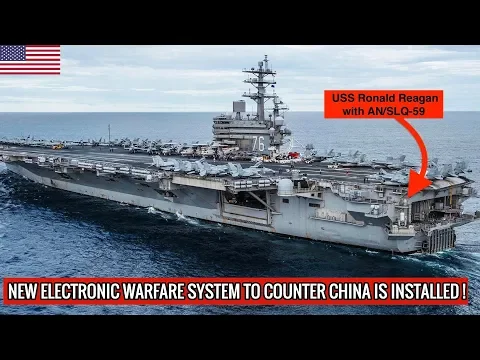
Thus, a crewed destroyer ends up operating supported by platforms that expand its detection range and its stock of weapons, without requiring more crew members.
The LUSV is designed for the concept of Distributed Maritime Operations (DMO). In practice, this means operating in a network with crewed ships, aircraft, and other unmanned systems. The idea is to spread capabilities, confuse the adversary, and maintain initiative even under attacks on bases and ports. The LUSV does not “act alone” in combat; it executes, while humans supervise and command.
Despite being unmanned, the LUSV is not a “out-of-control” system. The Navy emphasizes the human-in-the-loop model: decisions about force employment remain with human operators, who monitor and authorize actions from afar.
The advance lies in autonomous navigation, system management, and persistence at sea, reducing the human load without relinquishing control.
Technical and Political Challenges
The program faced scrutiny regarding security, reliability, and rules of engagement. Tests focused on engines, power generation, autonomous navigation, and structural resilience. Meanwhile, there were debates in Congress about costs, timelines, and integration with other USVs. These adjustments explain why the LUSV evolved in phases, with refined requirements before large-scale acquisition.
Why the LUSV Matters Now
In a scenario of competition among great powers, with vast theaters like the Pacific, the ability to maintain a persistent and dispersed presence is crucial.
The LUSV offers just that: ocean range, persistence, and distributed firepower, without proportionately increasing human risk. It is a direct response to the need to operate far from bases and under constant threat.
If testing and integration proceed as planned, the LUSV will mark the transition of USVs from experiments to structural components of the fleet. It is not just a new ship; it is a new way to organize naval power, in which large unmanned platforms cease to be an exception and become central to maritime deterrence.









-

-

-

-

-

-

56 pessoas reagiram a isso.