





 Portuguese
  English
  Spanish
  3 min of reading
  0 comments



The Decision of the Ministry of Industry and Information Technology Imposes Mandatory Mechanical Requirements on Doors, Redefines Design Priorities, Responds to Registered Failures in Rescues After Accidents, and Forces Global Manufacturers to Rethink Platforms Targeted at the Largest Automotive Market in the World
China has announced new vehicle safety rules prohibiting fully electric door handles starting January 1, 2027, affecting global manufacturers, various models sold in the country, and design standards in the world’s largest automotive market.
New Rule and Central Goal
The regulation was defined by the Ministry of Industry and Information Technology and establishes that doors must have external and internal mechanical release, operating without electric power.
The measure responds to incidents in serious accidents when emergency teams were unable to access occupants because electrical systems completely failed during the rescue.
-
Less than a Tera TSI, up to 710 km of range and charging in 9 minutes: the new BYD Song Ultra expands the Chinese brand’s bet on increasingly faster, more technological, and competitively priced electric SUVs.

-
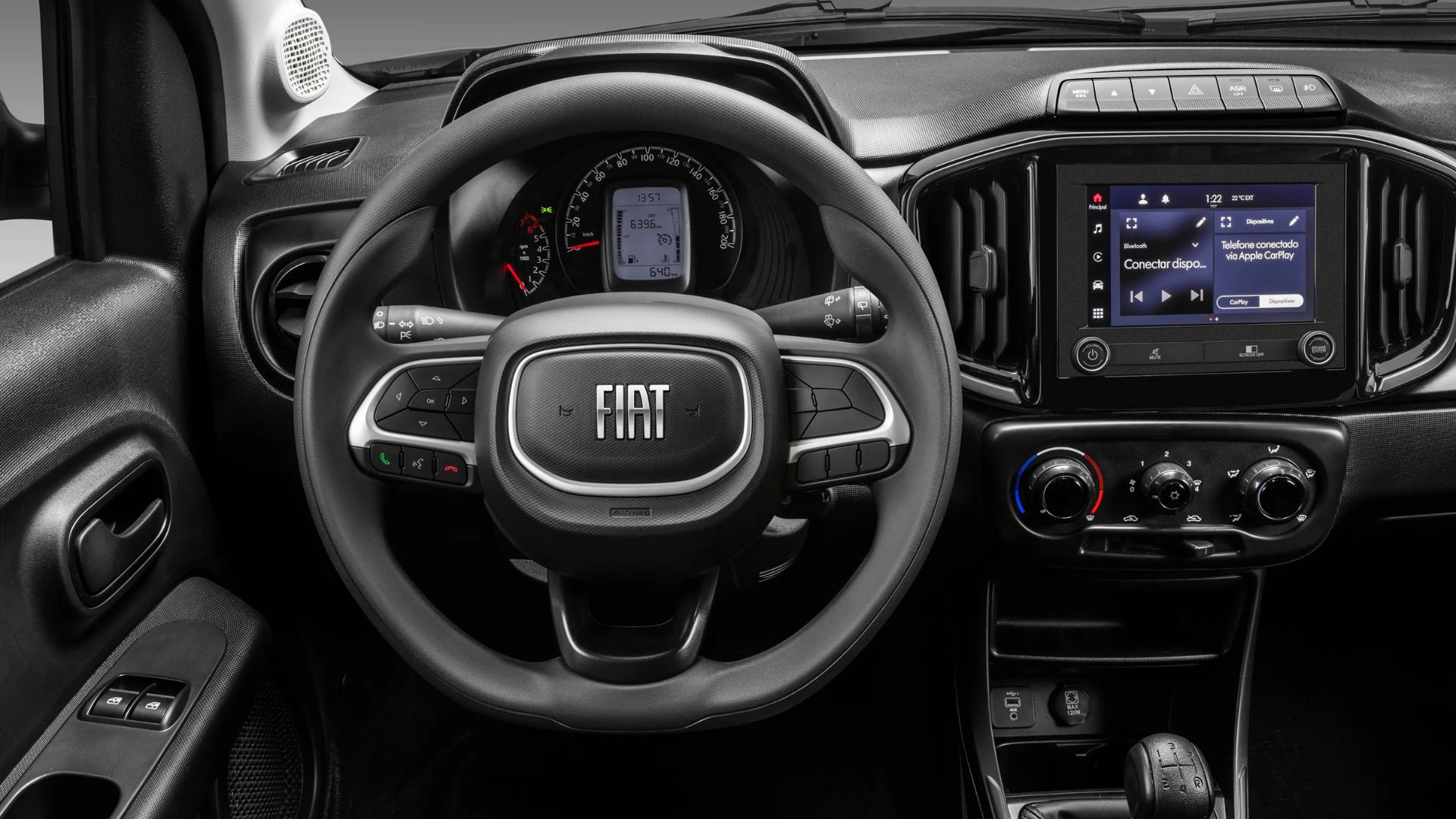
With a 1.0 engine producing 75 hp and costing less than R$ 70,000, Fiat’s car returns to the podium as the cheapest in the country; a temporary promotion for the 2026 Like version reduces the price of the Fiat Mobi.
-
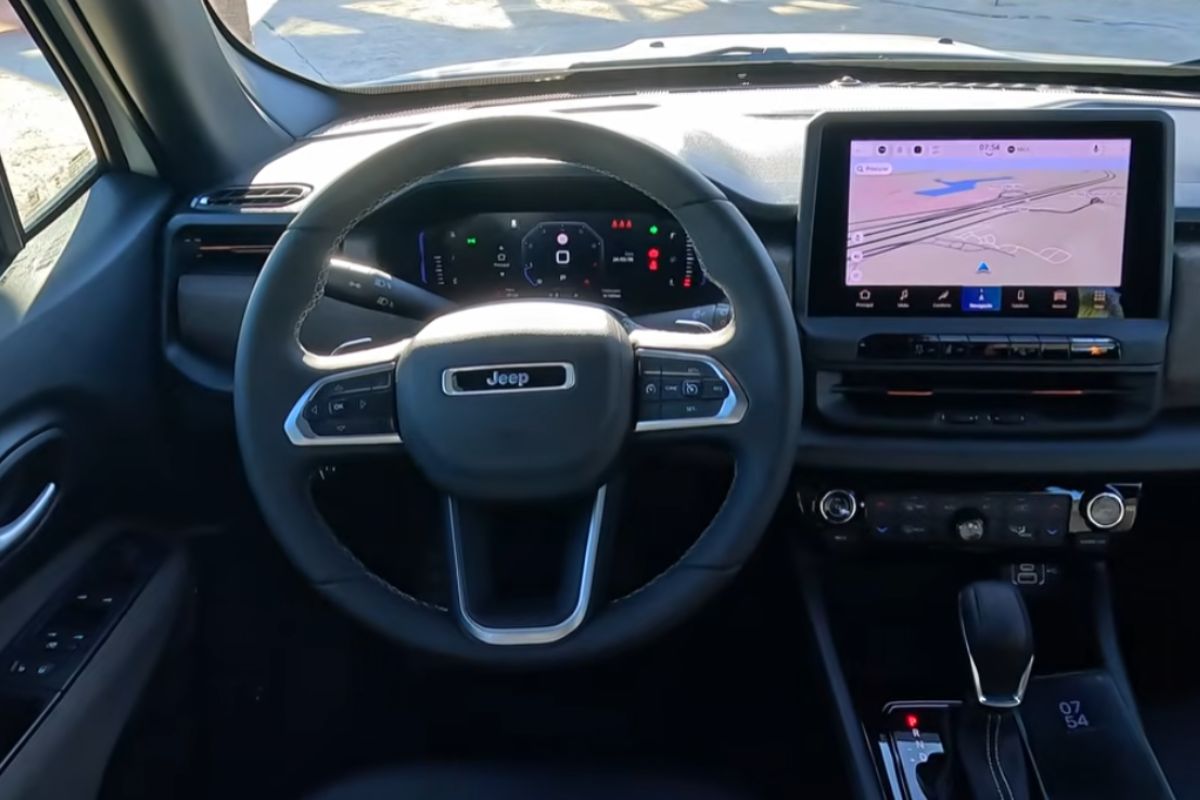
With a mild hybrid system of 48 V, 176 hp and a price of R$ 175,990 in the Sahara version, the new Jeep Renegade changes mostly on the inside, improves slightly in fuel consumption, and remains almost the same car.
-
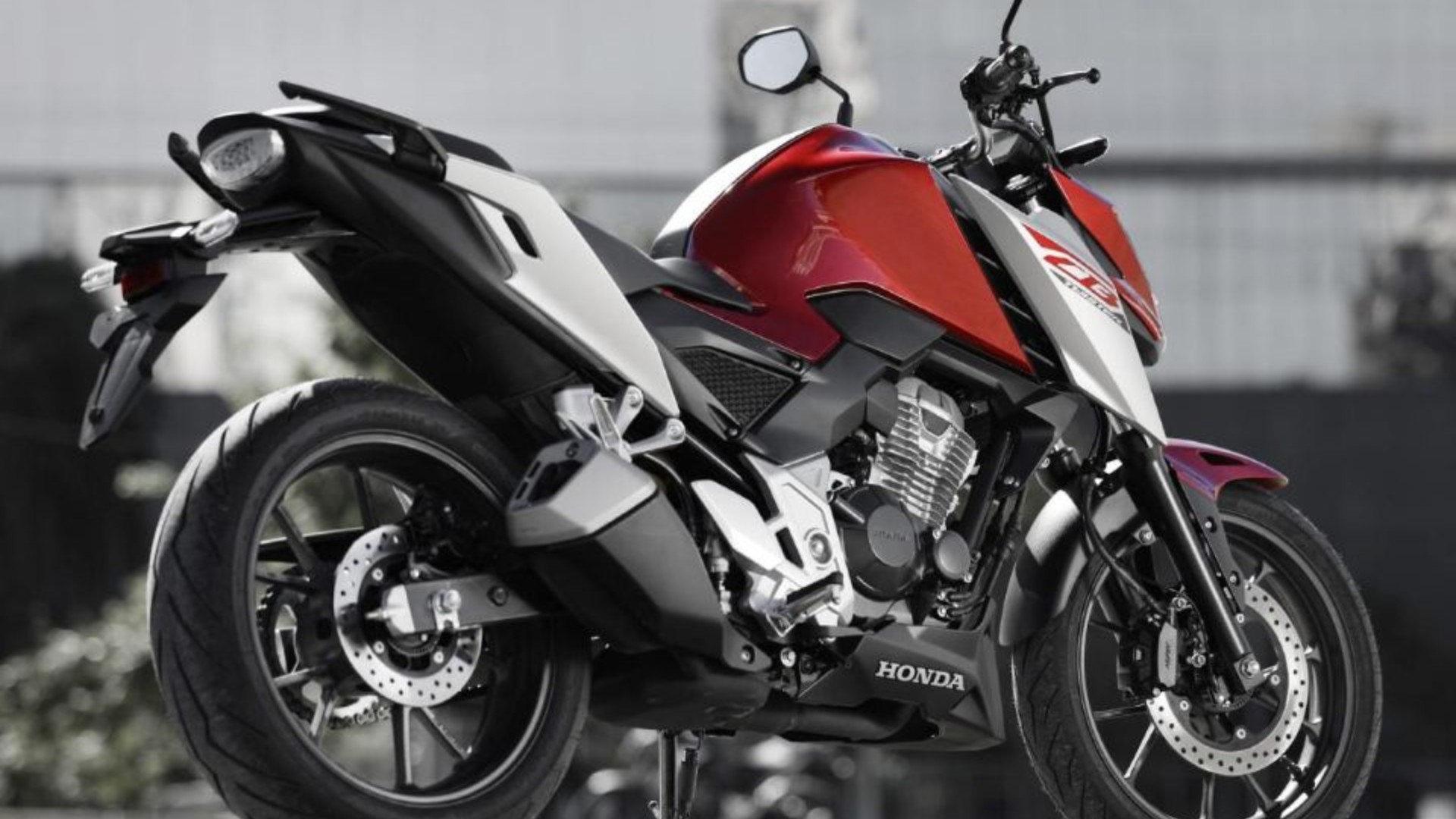
With a 293.5 cm³ engine and a range of up to 400 km with a 14.1-liter tank, the Honda CB 300F Twister 2026 has up to 24.7 hp, an initial price of R$ 25,150, and already exceeds R$ 29,000 in the Fipe Table.

According to the guidelines, the mechanical release must function reliably and immediately, even in the event of a total power failure of the vehicle.
As a result, purely electric systems are no longer accepted, altering a recent design trend focused on smooth surfaces and visual integration.
Direct Impact on Automotive Design
The so-called pop-out door handles, activated by sensors or buttons, are the main ones affected by the prohibition announced to take effect in 2027.
Models with door handles integrated into the body remain allowed, as long as they can be opened mechanically by pushing or pulling manually, without relying on electronics.
The decisive criterion now becomes independent functionality, placing safety and reliability above purely aesthetic design choices.
This change reduces the margin for complex solutions and prioritizes simple mechanisms, considered more predictable in critical emergency situations.
Models and Brands Affected
Among the affected vehicles are the Tesla Model S and the Tesla Model X, both with electrically extending door handles.
Also on the list are models from Mercedes-Benz, such as the S-Class, the EQS, and the EQS SUV.
BMW is impacted with the 7 Series and the i7, as well as top-of-the-line vehicles from Audi.
Brands like Range Rover, Range Rover Velar, and the Jaguar I-Pace also currently utilize embedded door handles.
In the Chinese market, several electric vehicles from BYD, as well as models from Nio, Xpeng, and Xiaomi, widely adopt these systems today.
Technical Failures and Costs
In addition to safety, authorities considered the vulnerability of these door handles to cold, humidity, and dirt, according to recurring observations in the Chinese market.
Designs with motors, seals, and software present more points of failure, increasing manufacturing and maintenance costs by requiring complete unit replacement.
Mechanical solutions are seen as more robust, durable, and predictable, reducing operational risks and costs over the vehicle’s lifetime.
Global Effects of the Decision
As China concentrates sales and production, manufacturers need to adapt global platforms to avoid different solutions per market, enhancing industrial efficiency.
Many manufacturers have already begun integrating additional mechanical releases, which must now become standard in new vehicles sold in the country.
The regulation is likely to influence future designs outside of China, as standardizing components reduces complexity, costs, and regulatory risks.
As a precursor, the rule signals a structural change, in which rescue and reliability requirements begin to guide technical choices in the global automotive sector.
With information from Motor1.UOL.







Seja o primeiro a reagir!