





 Portuguese
  English
  Spanish
  5 min of reading
  0 comments


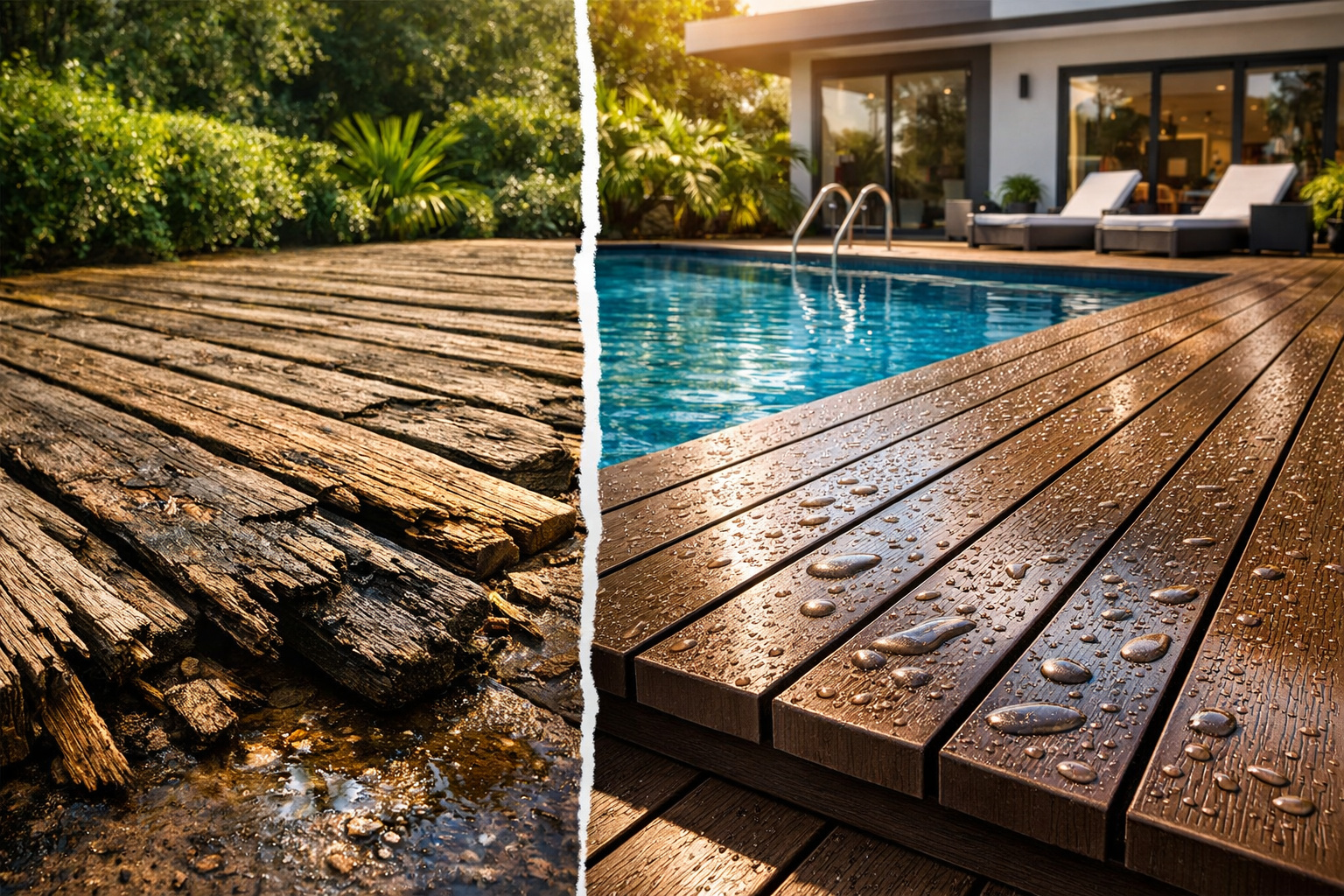
Plastic Wood Made From Recycled Waste Can Last Over 30 Years Without Rotting, Withstanding Rain and Intense Sun, and Is Replacing Natural Wood in Decks, Fences, and Outdoor Areas.
For decades, natural wood was practically the only option for building decks, fences, pergolas, and other outdoor structures. The material has always offered beauty and strength, but it also brought well-known problems: rotting, termite attacks, constant need for varnish, and frequent replacement of parts. In recent years, however, an alternative began to gain space in residential, urban, and industrial projects: plastic wood, a material made from recycled waste such as PET bottles, plastic packaging, and other repurposed polymers.
This technology combines recycled plastic with structural additives to create profiles that mimic wood but with significant advantages. The result is a material capable of withstanding rain, intense sun, and insect attacks, with durability that can exceed 30 years of use in outdoor environments.
Today, plastic wood is already found in pool decks, urban walkways, park benches, rural fences, and even complete landscaping structures.
-
China completes the most critical section under the Yangtze River with the intelligent tunneling machine Linghang, excavating 11.32 continuous kilometers at depths of up to 89 meters and transforming the Chongming-Taicang tunnel into a landmark that redefines the scale of high-speed rail engineering in the 21st century.

-
The government of São Paulo surprises South America with a plan to transform the famous Ibirapuera with underground shops, air conditioning, and a 25-year concession in a billion-dollar project that expands the audience, alters a protected area, and provokes an immediate reaction.

-
With a lifespan of up to 60 years and a cost up to 30% higher than conventional concrete, self-healing concrete is already being used in Brazil to eliminate leaks, reduce maintenance, and is changing the real cost of construction projects.

-
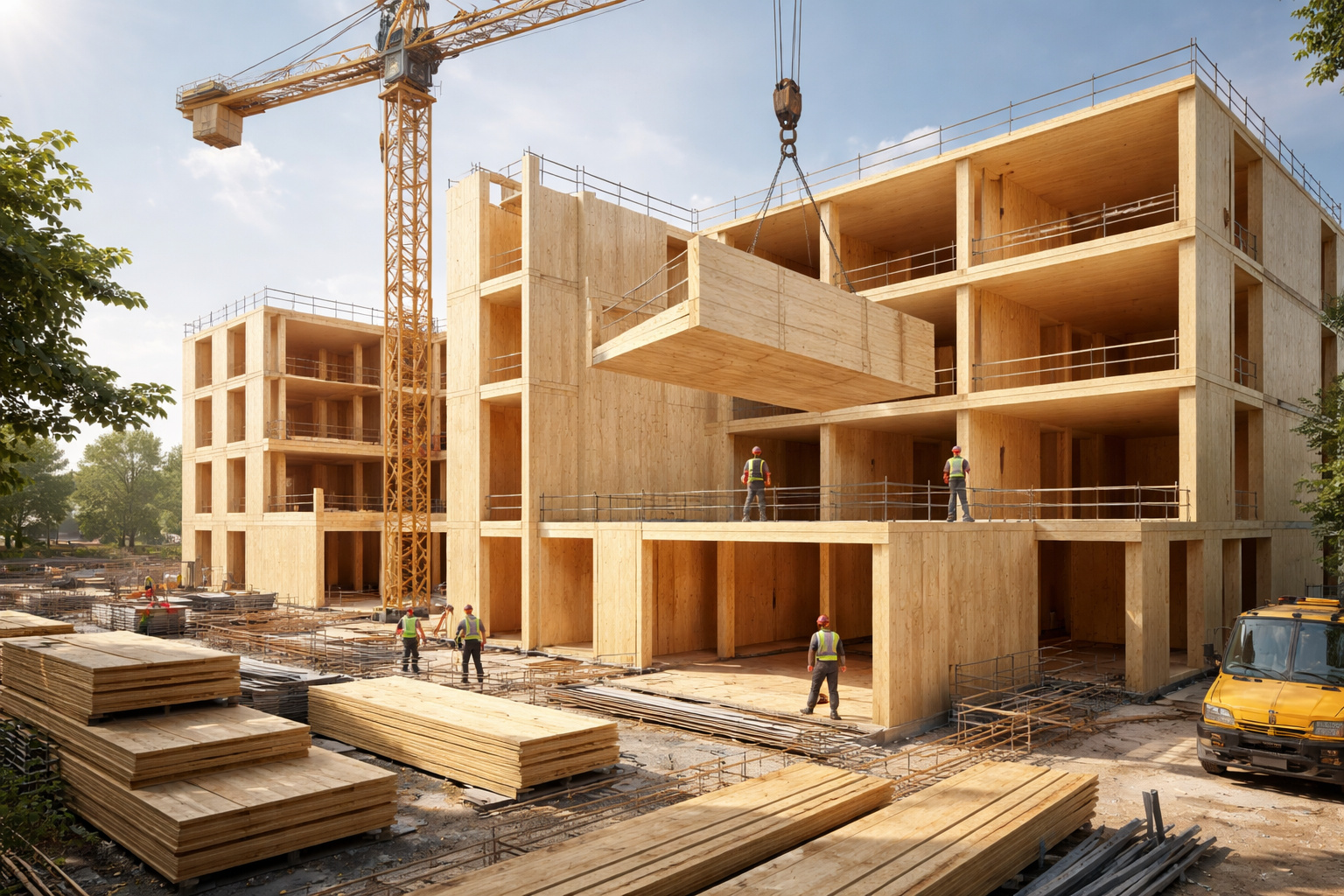
Engineered wood CLT challenges steel and concrete and promises construction that is up to 2x faster with a lower environmental impact in modern civil engineering.
What Is Plastic Wood and How Is It Produced
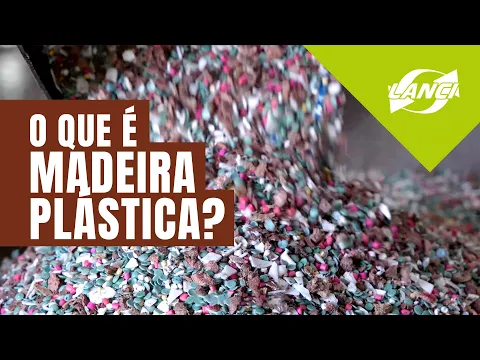
Plastic wood is a structural material produced from recycled plastic waste. The most common waste materials used include:
- plastic bags
- industrial packaging
- PET bottles
- polyethylene and polypropylene waste
These materials undergo an industrial process that involves shredding, cleaning, melting, and extrusion.
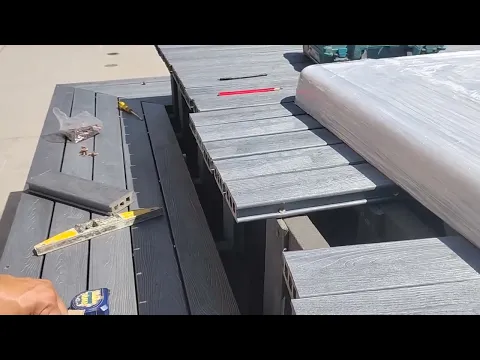

During manufacturing, the plastic is melted and molded into solid profiles that resemble wooden boards. In some cases, plant or mineral fibers are also added to the mixture to increase mechanical strength.
The result is pieces that can be used in applications similar to those of natural wood. Among the most common products made with plastic wood are:
- deck boards
- posts and stakes
- park benches
- fences and panels
- walkways and external structures
This process transforms materials that would end up in landfills or oceans into durable structural components.
Why Plastic Wood Does Not Rot
One of the main advantages of this material is its resistance to moisture. Natural wood has organic fibers that absorb water. Over time, this moisture creates ideal conditions for fungi, bacteria, and insects that degrade the structure of the wood.
Plastic wood, on the other hand, does not have these natural fibers. This means that the material:
- does not absorb water
- does not rot
- does not create structural fungi
Furthermore, the surface of the material prevents water from penetrating the pieces. This feature makes plastic wood especially suitable for environments such as:
- pool areas
- decks exposed to rain
- gardens
- coastal regions
In many of these locations, traditional wood would require constant maintenance.
Resistance to Sun and Climatic Variations
Another common problem with natural wood is degradation caused by sun exposure. Ultraviolet radiation can cause:
- cracks
- discoloration
- loss of strength
Plastic wood, on the other hand, receives stabilizing additives during manufacturing. These additives help protect the material against solar radiation and sudden temperature changes.
Therefore, the material can remain exposed to the external environment for decades without suffering significant structural deformations. This resistance explains why plastic wood has begun to be used in urban infrastructure projects.
Durability That Can Exceed Three Decades
The durability of plastic wood is one of the reasons for its growth in the construction market. While natural wood structures may need replacement after a few years, depending on climate exposure, plastic wood profiles can remain functional for much longer.
Studies and manufacturers indicate that the material can achieve more than 30 years of useful life, especially when installed correctly. This durability occurs because the material has three important characteristics:
moisture resistance, insect resistance, and structural stability.
Without these degradation factors, the pieces remain stable for much longer.
Where Plastic Wood Is Already Used
With advances in recycling technology, the use of this material has rapidly expanded. Today it appears in various types of applications. Among the most common are:
- pool decks
- walkways in parks
- fences and stakes
- urban benches
- garden structures
- external cladding
In coastal cities, for example, plastic wood has become an interesting solution for walkways near the sea. This is because the material also withstands the action of salt and moisture.
Reduction of Maintenance Compared to Natural Wood
Another noteworthy factor is maintenance. Structures made with natural wood frequently require:
- varnish
- waterproofing agents
- termite treatments
- periodic sanding
These cares are necessary to avoid deterioration. Plastic wood drastically reduces this need. In most cases, maintenance involves only periodic cleaning with water and soap. This is because the material does not have organic fibers that can deteriorate.
Environmental Benefits of Using Recycled Plastic
In addition to structural advantages, plastic wood also has a relevant environmental aspect. Much of the material used in production comes from plastic waste that would otherwise be discarded.

These wastes include products that would normally take hundreds of years to decompose in nature. By transforming this material into durable structural components, technology helps reduce the volume of discarded plastic.
In many urban projects, the use of plastic wood also replaces wood harvested from forests. This helps reduce the pressure on natural resources.
Limitations and Care in Use
Despite the advantages, plastic wood also has limitations. The material may behave differently from natural wood in some aspects. Among them:
- greater thermal expansion in very hot environments
- need for proper spacing during installation
- lower structural rigidity in some applications
For this reason, larger structural projects need to consider the technical specifications of the material. In applications such as decks and fences, however, these limitations rarely pose a problem when the system is installed correctly.
A Solution That Is Growing in the Construction Sector
With the advancement of recycling technologies and growing environmental concerns, plastic wood is gaining ground in construction and landscaping projects.
The combination of durability, climate resistance, and repurposing of waste makes the material an interesting alternative for many outdoor applications.
Therefore, decks, fences, and structures made with this type of material are starting to appear more frequently in gardens, condominiums, and public areas.










Seja o primeiro a reagir!