





 Portuguese
  English
  Spanish
  6 min of reading
  0 comments


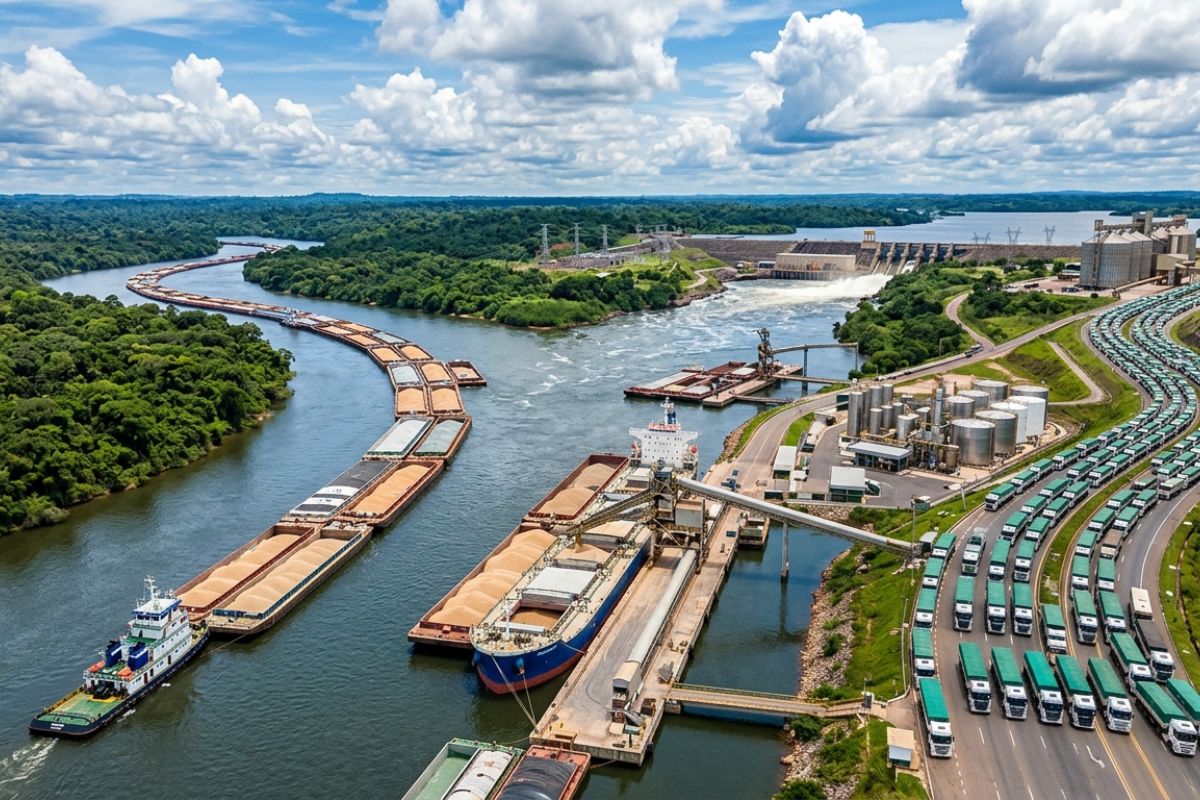
From largest Brazilian grain producer to logistics corridor operator in the North Arc, the Maggi Group built a fluvial fleet, road fleet, biodiesel terminals, and hydroelectric plants to cut dependence on third parties and accelerate transportation
The Maggi Group became known for the green ocean of soybeans in Mato Grosso, but today what sustains the size of the operation goes far beyond the fields. The company trades nearly 20 million tons of soybeans, corn, and cotton per year and has transformed logistics into a pillar as strategic as production.
Behind the scenes, the Maggi Group built its own machinery to take the grain from the field to the world. There are 212 vessels in the Amazon, over 1,100 trucks, port terminals from Amazonas to Guarujá, six hydroelectric plants, biodiesel for its own fleet, and the expansion of the North Arc, all to gain speed, reduce costs, and avoid bottlenecks.
From Paraná to Mato Grosso: the origin of the Maggi Group before the logistics boom

The story begins with André Antônio Maggi, who was born in 1927 and migrated to Paraná in the 1950s, following the movement of many producers from the South at the time.
-
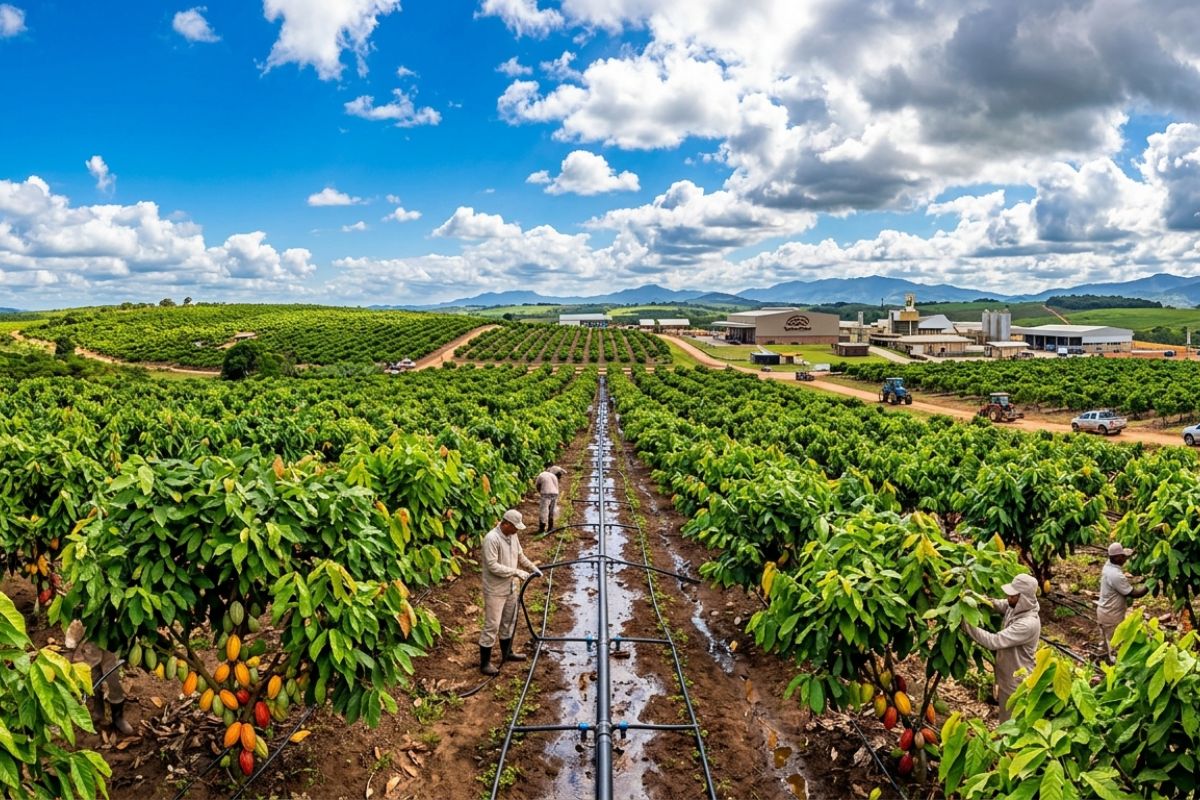
Cacau Show reveals its own cocoa farm in Linhares with automated irrigation and full sun cultivation, producing up to 6 times more per plant and aims to invest R$ 1 billion by 2034 in Brazil.
-
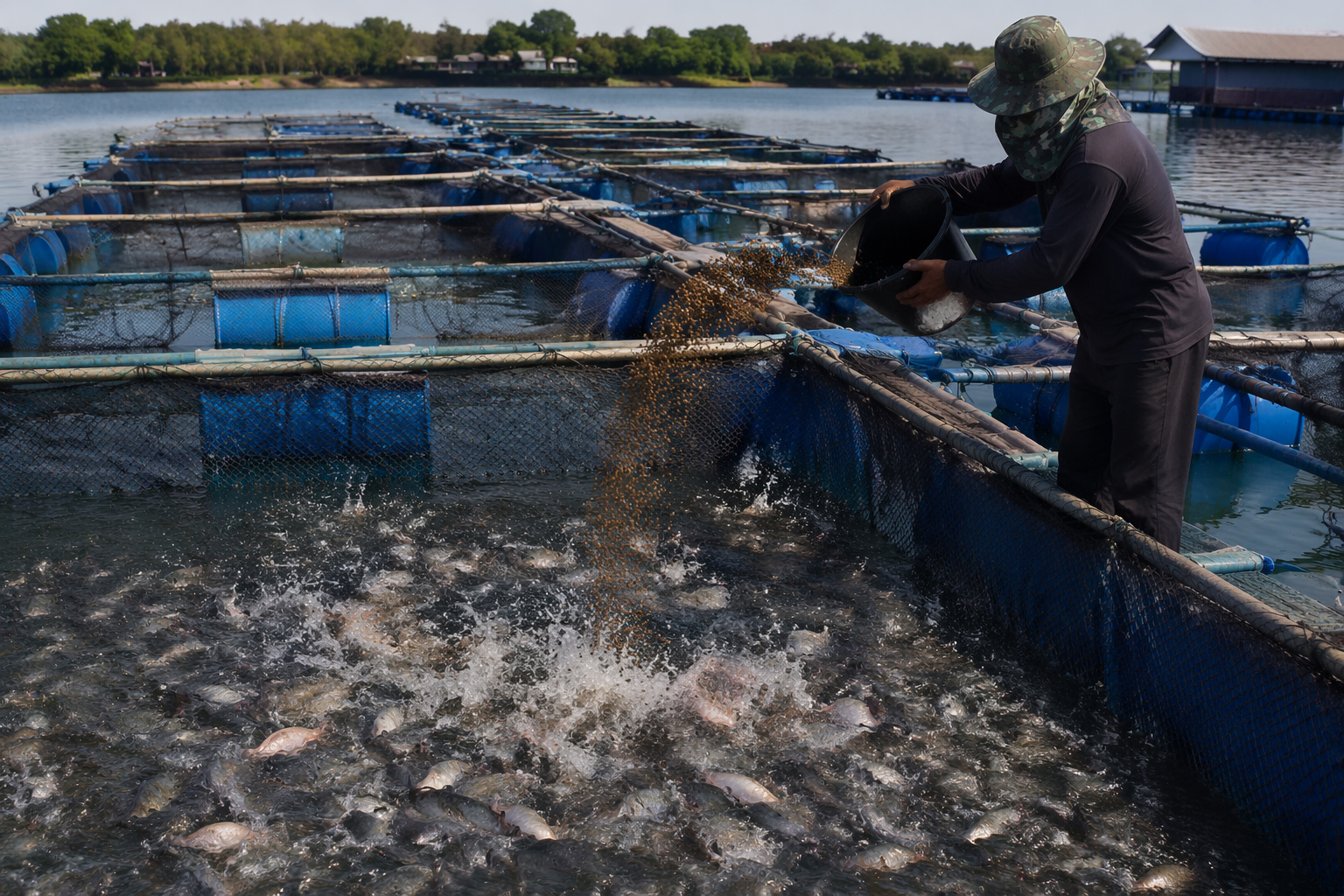
Without soy, there is no fish on the plate: the hidden link that supports global aquaculture and can affect the price of the fillet that reaches your table.
-
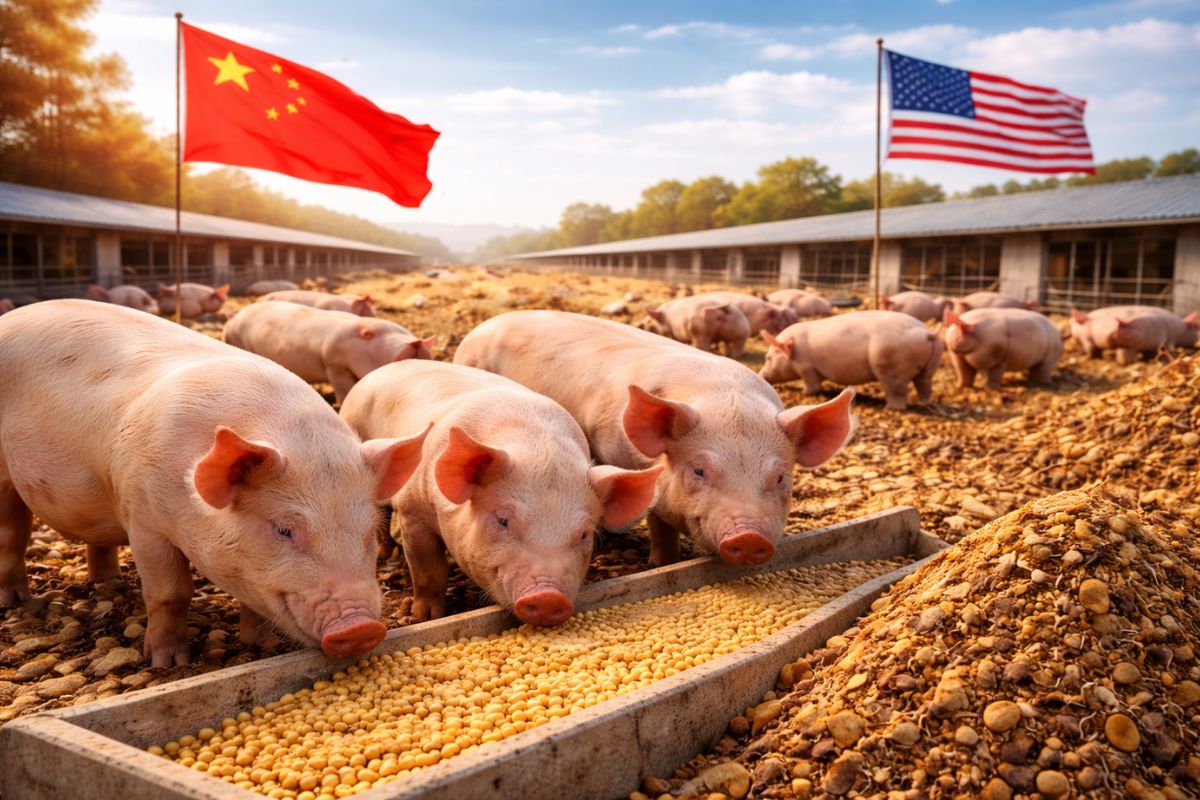
China is replacing soybeans with fermented feed in pig diets, and this silent shift is already generating 6 billion dollars and could take billions away from Brazil and the United States in the coming years.
-
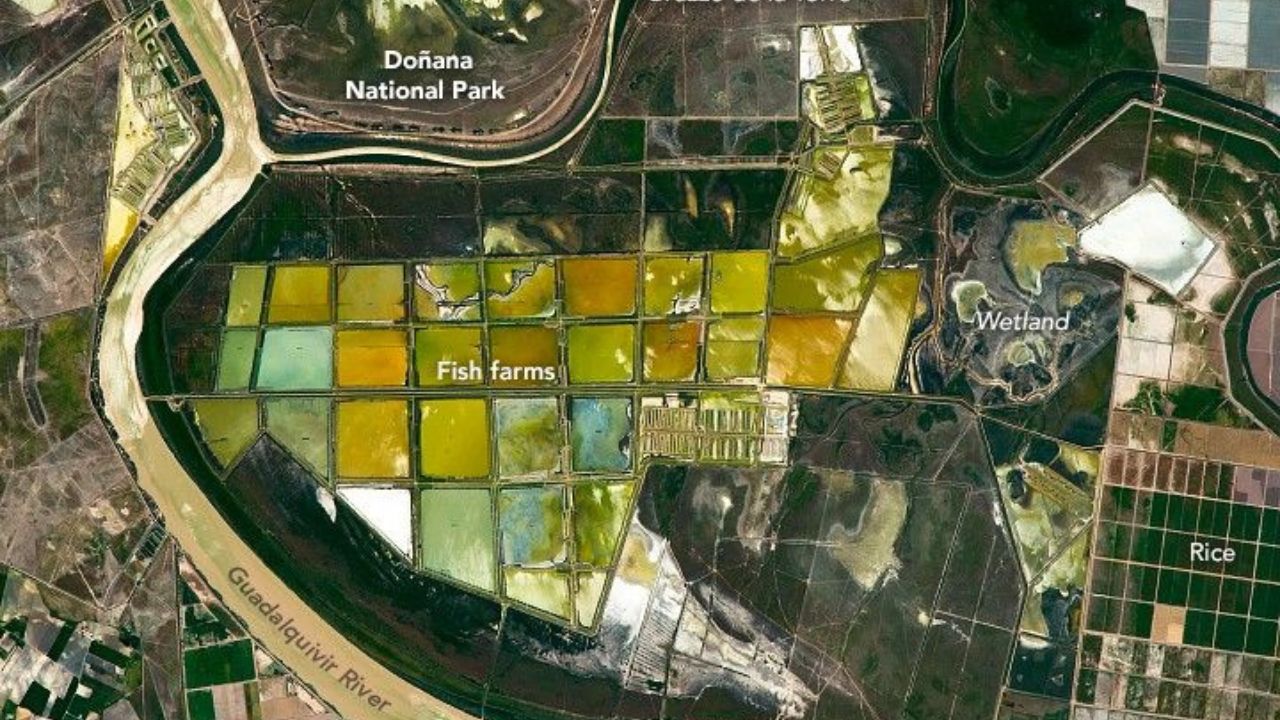
More than 36,000 hectares of rice fields and aquaculture farms have transformed the Guadalquivir delta into a geometric grid visible from space, where channels, dikes, and tides operate one of the largest agro-hydraulic systems in Europe in southern Spain.
In 1977, he founded Sementes Maggi in São Miguel do Iguaçu, in the interior of Paraná, in a small operation producing and selling soybean seeds.
The game-changing step comes when André looks at the map and sees a huge agricultural frontier in the center of Brazil. In 1979, he buys the first farm in Mato Grosso, in Itiquira, when the cerrado still had almost nonexistent infrastructure, but cheap and flat land.
From the 1980s onwards, growth accelerates, expanding to Chapadão dos Parecis and creating a productive base in isolated regions.
The Maggi Group reaches a point where the very construction of a city enters the equation: Sapezal is founded and later becomes a municipality, driven by soybeans.
This path helps to understand the logic of the Maggi Group: when infrastructure does not exist, the company tends to create what is lacking for the operation to function.
The turning point: strong production, weak logistics, and freight eating into margins
In the 1990s, production at scale was already set up in Mato Grosso, but the big problem was simple and expensive: the nearest port was Santos, over 2,000 km away, and freight became a bottleneck.
The text reinforces a structural point about Brazil: a large part of the country’s cargo travels by road, which weighs on logistics costs.
In practice, Brazilian soy can be very competitive to produce, but loses competitiveness on the road. And the Maggi Group realizes this early: waiting for the government meant accepting years of delays in construction and paving, while tons needed to leave the warehouse.
North Arc born in the river: the Maggi Group turns the map “upside down”
In 1997, the Maggi Group does something that did not exist on a commercial scale in the country: it places barges loaded with soybeans on the Madeira River, creating a route from Porto Velho to Itacoatiara, in Amazonas, and then a direct exit to the Atlantic. The company builds the Itacoatiara terminal, buys the first barges, and inaugurates the corridor.
The logic was mathematical: to move a huge volume by truck would require many rodotrens, while the convoy of barges descends the river with concentrated cargo.
The bet on the waterway reduces costs, shortens routes, and accelerates exports, especially to Europe and, later, to meet the main buyer in volume, China.
Over time, the route ceases to be “alternative” and becomes a reference. Other companies enter, new terminals emerge, and the set of ports above the 16th parallel begins to be called the North Arc.
The text points out the evolution of the weight of the North Arc, going from 8% of soybean and corn exports in 2010 to 40% of national grain exports, and reports that in 2023 the movement of the North Arc surpassed that of all other ports in Brazil combined.
212 vessels in the Amazon: the fluvial fleet of the Maggi Group becomes the backbone
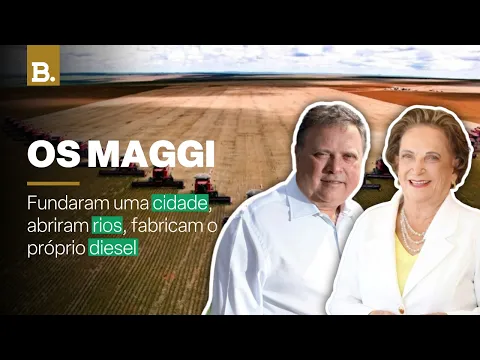

Today, the fluvial fleet of the Maggi Group totals 212 vessels, including barges, pushers, and support boats, making about 160 trips per year and transporting 8 million tons.
The operation grows with support structure and cargo capacity, with improvements in the terminal and logistics that go beyond the grain.
A strategic point appears when reverse logistics comes into play: fertilizers arrive by waterway and continue by truck to the farms, while the grain makes the opposite journey. The idea is that the truck does not return empty, reducing costs and improving efficiency.
Truckers’ strike and the quick response: from zero to over 1,100 trucks

Until 2018, the Maggi Group had no trucks and relied entirely on third parties for the stretch from the farm to the river. When the truckers’ strike paralyzed Brazil for 11 days, the company felt the direct impact: blocked roads, diesel running out, skyrocketing freight costs, and soybeans rotting in the warehouse.
The response came with the decision to internalize road transport. In 2019, the Maggi Group buys 300 trucks at once and continues to expand in the following years.
The text describes how the fleet goes from zero to over 1,100 trucks in 6 years, operating in strategic bases and logistics corridors. The goal is to cut dependence on third parties at the most critical moment of the harvest.
Own biodiesel: the fuel becomes part of chain control

With the fleet growing, diesel becomes a heavy expense. The Maggi Group then builds a biodiesel factory in Lucas do Rio Verde, with a cited capacity of 337 million liters per year. The fuel comes from the oil of the soybeans crushed at the plant next door, forming an internal cycle.
The text describes that some of the trucks run exclusively on pure biodiesel and calls this operation the largest road fleet in the global agro powered by pure biodiesel.
The logic is integrated: soy feeds the factory, which produces oil, which becomes biodiesel, which fuels trucks, which take soybeans to the river, where barges transport them to the port.
Hydroelectric plants and energy: six plants to reduce risk and provide predictability
The infrastructure package of the Maggi Group does not stop at transport and fuel. In Sapezal, the company operates six small hydroelectric plants on the Juruena River, within the region where it maintains farms.
The text mentions a total installed capacity close to 92 MW and operation from an automated control center, with a dedicated team.
The logic is consistent with the rest of the strategy: own energy means less vulnerability to costs and instability, especially in operations that depend on harvest windows and continuous rhythm.
Ports, warehouses, and new corridors: the infrastructure spreads out
In addition to the Madeira corridor and new waterway routes, the Maggi Group expands its presence in terminals and storage structures.
The text cites terminals in different states, participation in port operations, and a network of 40 warehouses across the country, with a capacity of 2.7 million tons.
The expansion also includes the opening of new waterway corridors and investments in terminals that shorten road stretches and increase the river stretch. The design is always the same: reduce road where it is expensive and increase waterway where it is more efficient.
What the Maggi Group really “sold” by stopping being just soy
The central point is not that the Maggi Group abandoned soy. It is that the company started investing heavily in what connects the land to the world.
The text summarizes the change clearly: a significant part of the investment in the last decade was not in land, but in logistics infrastructure, energy, and inputs, with professional management and vertical integration to reduce dependence on third parties at every link.
In the end, the Maggi Group creates a kind of “own drainage system” for agriculture, with a fluvial fleet, road fleet, terminals, biodiesel, energy, and storage, to sustain volume, reduce bottlenecks, and save time.
Do you think this model of the Maggi Group, of building its own infrastructure from the field to the port, is the future of Brazilian agriculture or is it a viable path only for giants?





Seja o primeiro a reagir!