





 Portuguese
  English
  Spanish
  5 min of reading
  0 comments


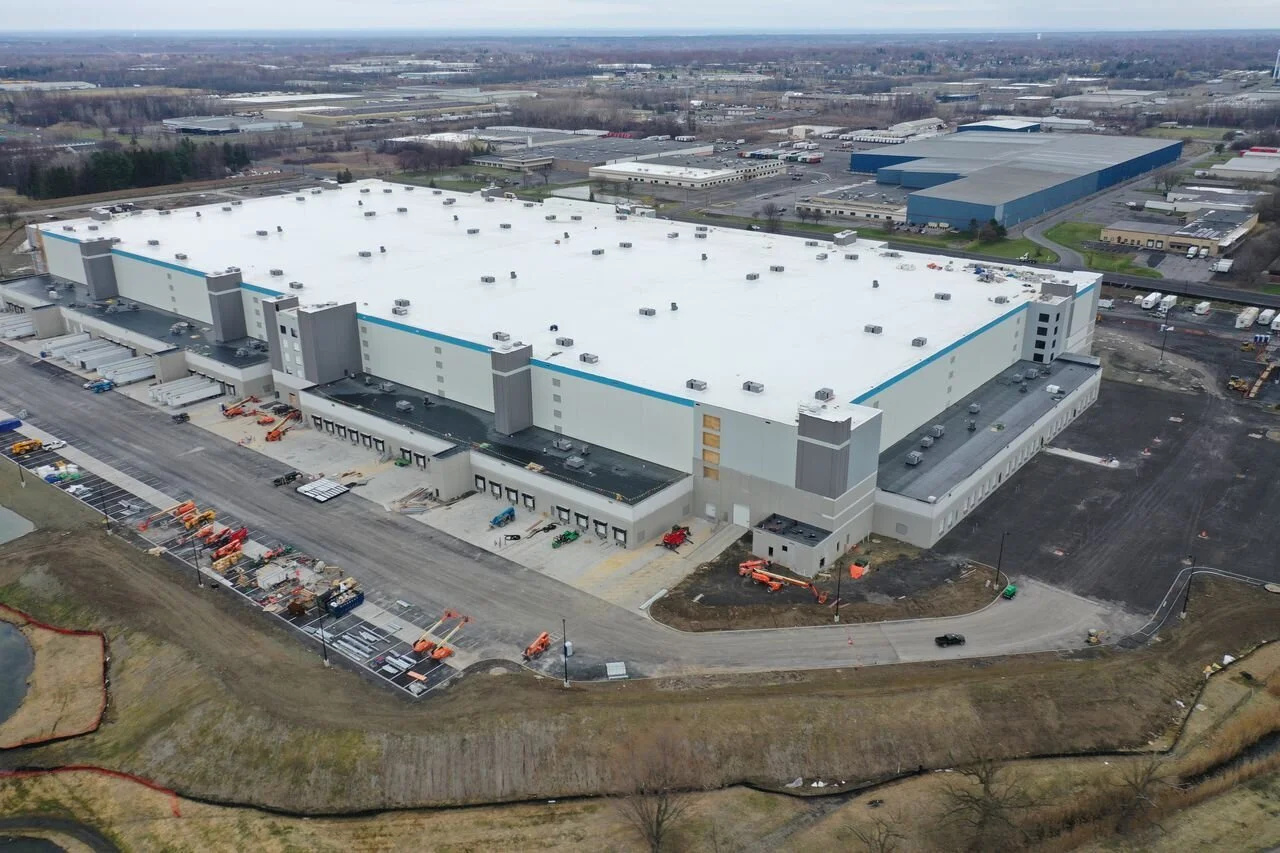
Largest Amazon Distribution Center Is in Tennessee: 350 Thousand m², 18 km of Conveyor Belts and More Than 1 Million Packages Processed Per Day in a Logistical Colossus. Meet the Amazon Fulfillment Center
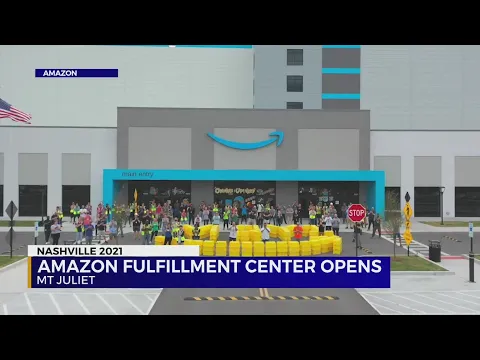
In the heart of the United States, in the state of Tennessee, stands one of the largest colossi of global logistics: the Amazon Fulfillment Center in Mount Juliet, considered the largest distribution center of the company in built area. With an impressive 350 thousand m² — equivalent to 50 official soccer fields —, this facility functions as a pulsating heart of e-commerce, processing more than 1 million packages daily. Inside, a web of technology, autonomous robots, and conveyor systems totaling 18 km in length ensure that orders placed in seconds on a mobile screen reach the customer’s door in record time.
This center is more than a warehouse: it is a demonstration of the power of logistics automation and a symbol of how Amazon built a billion-dollar empire based on delivery efficiency.
Impressive Dimensions
The Fulfillment Center in Mount Juliet was inaugurated in 2021, during the pandemic, as part of Amazon’s strategy to quickly expand its logistics network in light of the surge in online orders. From the beginning, its size drew attention.
-
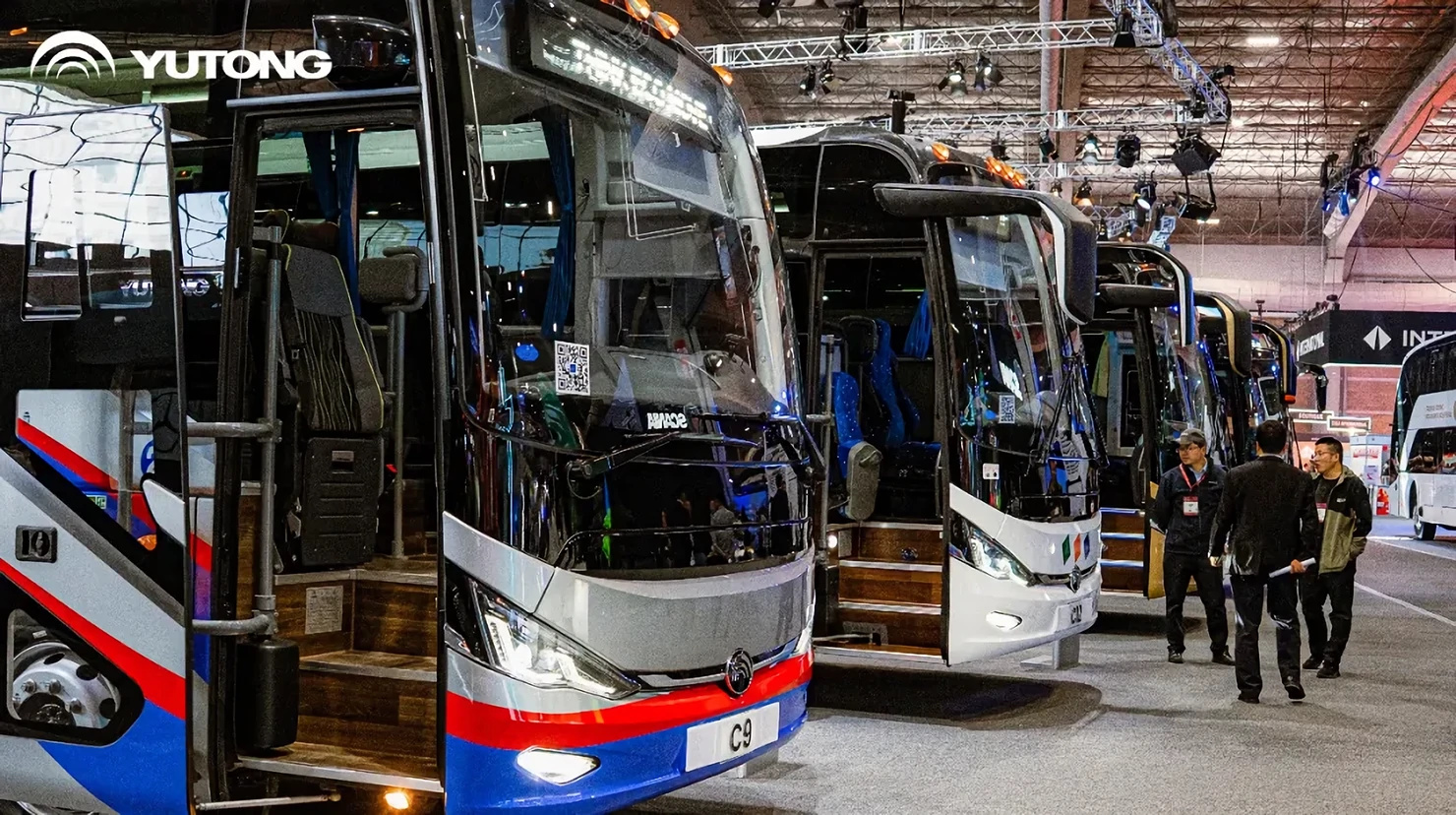
China advances into Mexico’s transportation with an electric bus that has a range of up to 530 km, bringing a complete line to the country in 2026 and transforming its partnership with Yutong into one of the most strategic in Latin American mobility.
-
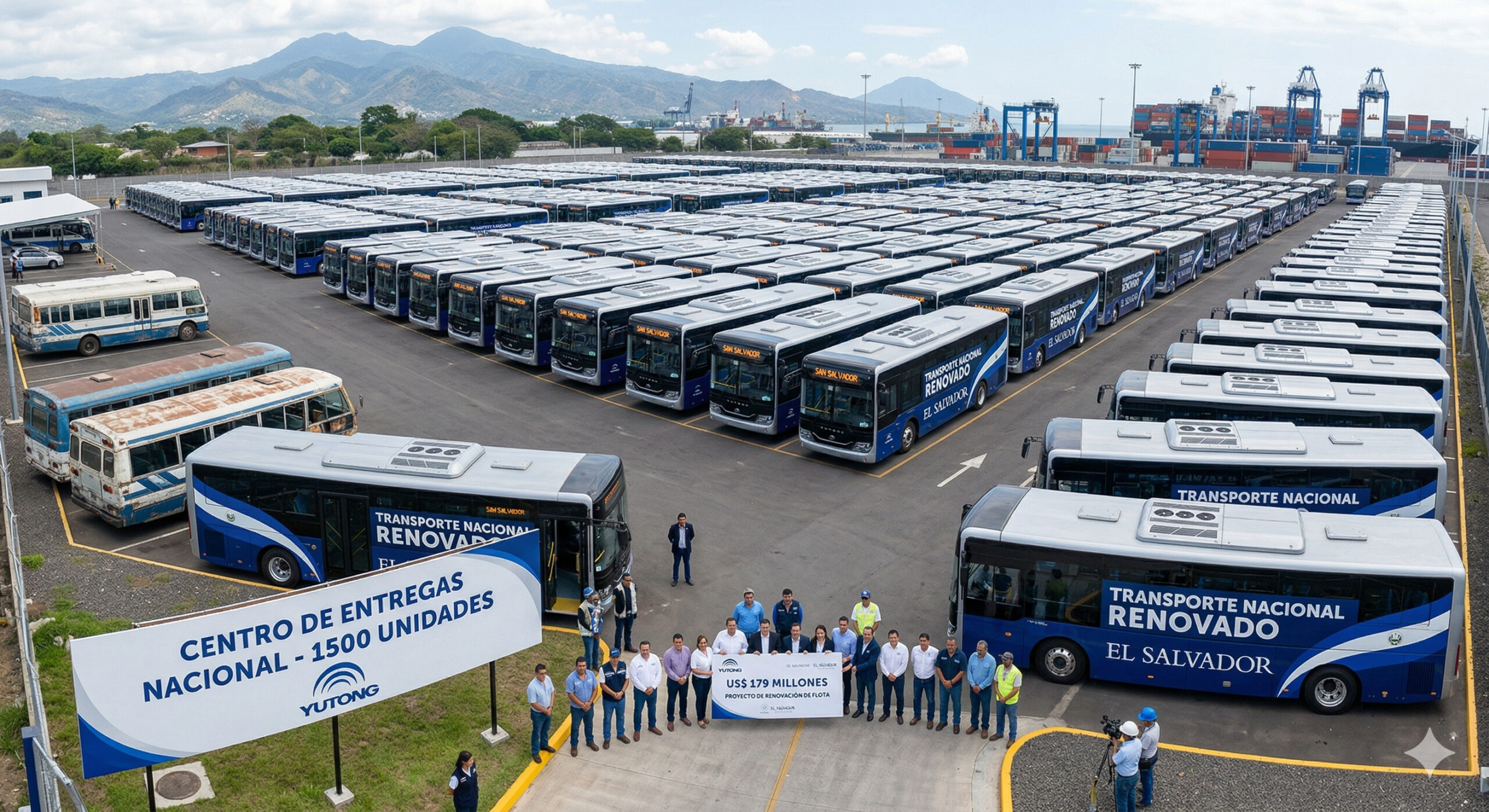
With 1,500 new buses financed by an international agreement, El Salvador is preparing the largest renewal in the history of its public transportation, a plan of $179 million with vehicles from the Chinese company Yutong that could replace practically the entire fleet of the country.
-
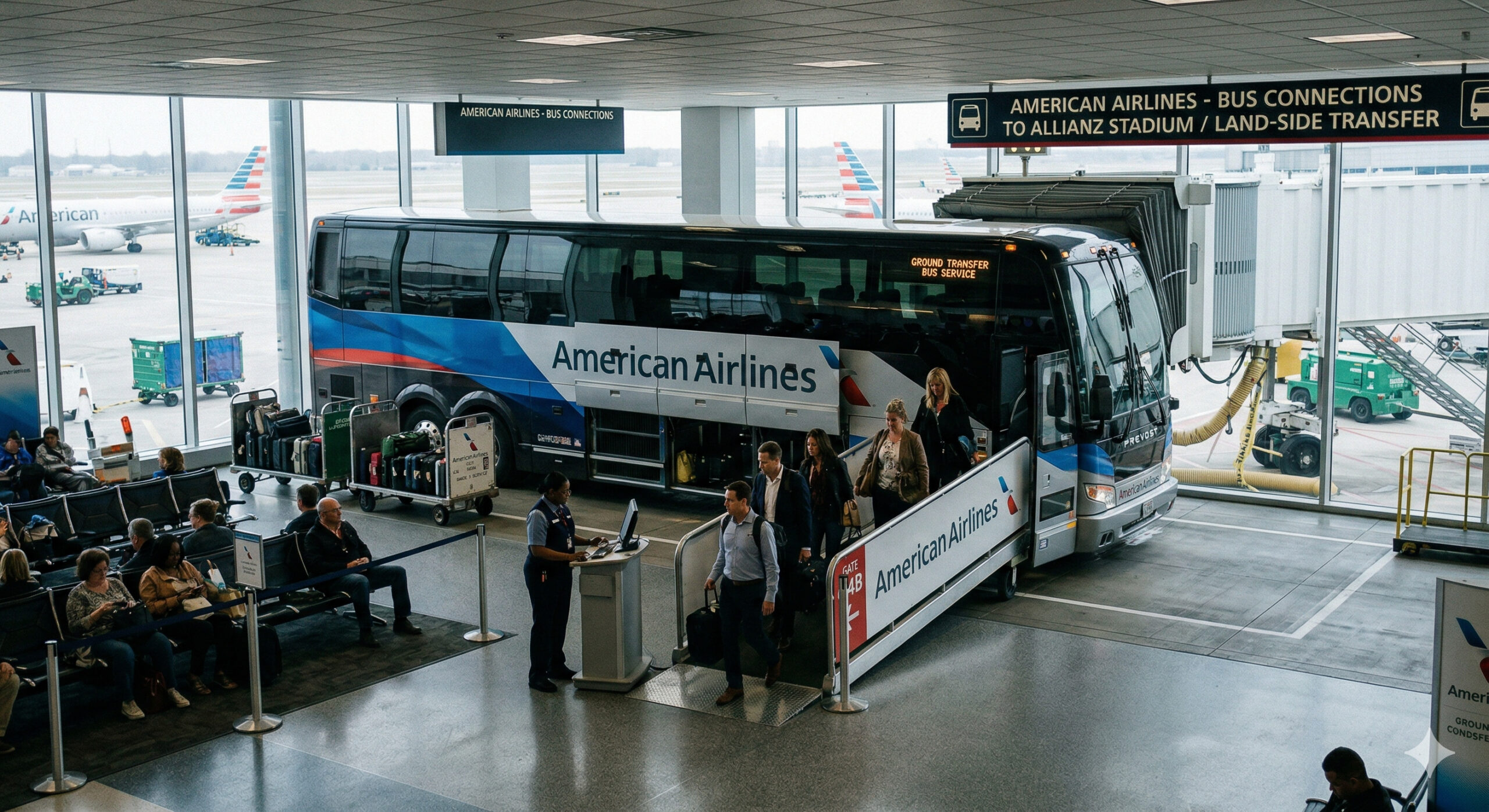
American Airlines starts selling trips as if they were flights, with check-in and baggage check at the airport, but on short routes, passengers board luxury buses connecting cities to major hubs in the U.S.
-
São Paulo surprises the world with a colossal railway network project that promises over 1,000 km of tracks, R$ 194 billion in investments, and 40 projects connecting the capital to the interior with fast and sustainable trains.

- Total Area: 350 thousand m², distributed across five floors.
- Comparison: the space is equivalent to 50 soccer fields or 70 times the size of Maracanã.
- Height: each floor has a high ceiling to accommodate mobile robots, gigantic shelves, and conveyor systems.
- Storage: millions of items from different categories are arranged on shelves that reach dozens of meters in height.
- Automated Conveyor Belts: 18 km, connecting all areas, from receiving to dispatch.
With this infrastructure, the center positions itself as a true automated city, operating 24 hours a day, seven days a week.
Robots That Never Sleep
One of the major differentiators of the mega warehouse is the use of Kiva Systems robots — technology acquired by Amazon in 2012 for US$ 775 million.
These small autonomous vehicles navigate the aisles bringing entire shelves to employees, who remain at fixed stations.
The process eliminates the need for operators to walk kilometers a day searching for products. Instead, they only need to wait for the robots to bring the right items at the right time.
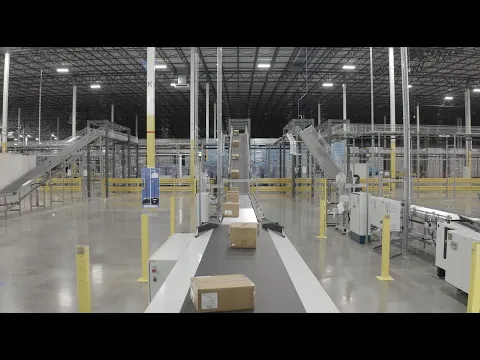
Estimates indicate that more than 3,000 robots operate simultaneously in this center, reducing order picking time by up to 60% and ensuring near-total accuracy in product selection.
In addition to Kiva, there are robotic arms capable of lifting heavy boxes, artificial vision systems that identify labels at high speed, and artificial intelligence software that organizes the flow of goods according to daily demand.
The Gear That Moves Millions of Packages
The flow inside the Fulfillment Center is a spectacle of logistical engineering:
- Receiving: trucks arrive continuously bringing products from suppliers.
- Storage: robots take items to mobile shelves, digitally cataloged.
- Order Picking: when a customer makes a purchase, the robots bring the items to the employees.
- Packaging: automatic machines calculate the exact size of the box and cut cardboard to measure, reducing waste.
- Shipping: conveyor belts take packages to trucks, which head to regional last-mile centers.
The capacity is so high that, during peak periods like Black Friday or Prime Day, this single center can process more than 1.2 million orders in 24 hours.
Economic and Social Impact
The construction of the center boosted the Tennessee economy, generating thousands of direct and indirect jobs. It is estimated that over 3,500 people work in staggered shifts, in addition to temporary contracts during peak demand periods.
But the impact goes beyond job creation. The Fulfillment Center has established Mount Juliet as a strategic logistics hub, attracting carriers, technology startups, and service providers in the area. The increase in municipal and state revenue also reinforced the project’s importance.
Energy and Sustainability
Despite its colossal size, Amazon seeks to align its operation with the commitment to be carbon neutral by 2040.
- Energy: part of the electricity is supplied by solar farms that Amazon maintains in Tennessee.
- Smart Packaging: machines cut boxes to size, reducing cardboard usage by up to 25%.
- Green Logistics: the company has been increasing the use of electric trucks for last-mile deliveries, although still on a pilot scale.
The goal is for centers like the one in Mount Juliet to become benchmarks not only in efficiency but also in sustainability.
Global Comparisons
Even being the largest area of Amazon, the Mount Juliet center is part of an impressive network:
- United States: more than 110 fulfillment centers distributed across the country.
- Europe: large units in Tilbury (United Kingdom) and Dortmund (Germany).
- Brazil: Amazon already has warehouses in São Paulo, Cajamar, and other strategic locations, but none come close to American scale.
While a Brazilian center has an average of 100 thousand m², the one in Tennessee triples that number.
The Secret of Amazon’s Success
For experts, the secret behind Amazon’s meteoric growth is not just the marketplace, but rather the logistical engineering.
Centers like the one in Mount Juliet are designed to minimize delivery times, ensuring that customers receive their products within 24 hours or even on the same day.
This level of efficiency is sustained by:
- Large-Scale Robotic Automation.
- Predictive Systems that anticipate purchases based on artificial intelligence.
- Integrated Transportation Network, with trucks, planes (Amazon Air), and fleets of local partners.
Amazon has already announced plans to further expand its network of mega fulfillment centers, with new units planned for states like Illinois and California.
The goal is to double its logistical capacity by 2030, allowing it to handle an even greater volume of orders in less time.
Experts believe the next step will be to integrate even more artificial intelligence and advanced robotics, with autonomous arms capable of packing orders without human intervention and drones responsible for part of the delivery.
A ‘Heart’ of Steel and Data
The Fulfillment Center in Mount Juliet is not just the largest Amazon warehouse: it is a portrait of the digital age, where technology allows millions of orders to be processed almost in real time.
It shows how e-commerce has moved from mere convenience to becoming a global economic force, sustained by robots, algorithms, and warehouses that resemble futuristic cities.
If in the past, commerce depended on ports and fairs, today it relies on colossi like this, where each packed box carries not just a product, but the machinery of one of the largest companies on the planet.








-

Uma pessoa reagiu a isso.