





 Portuguese
  English
  Spanish
  4 min of reading
  0 comments


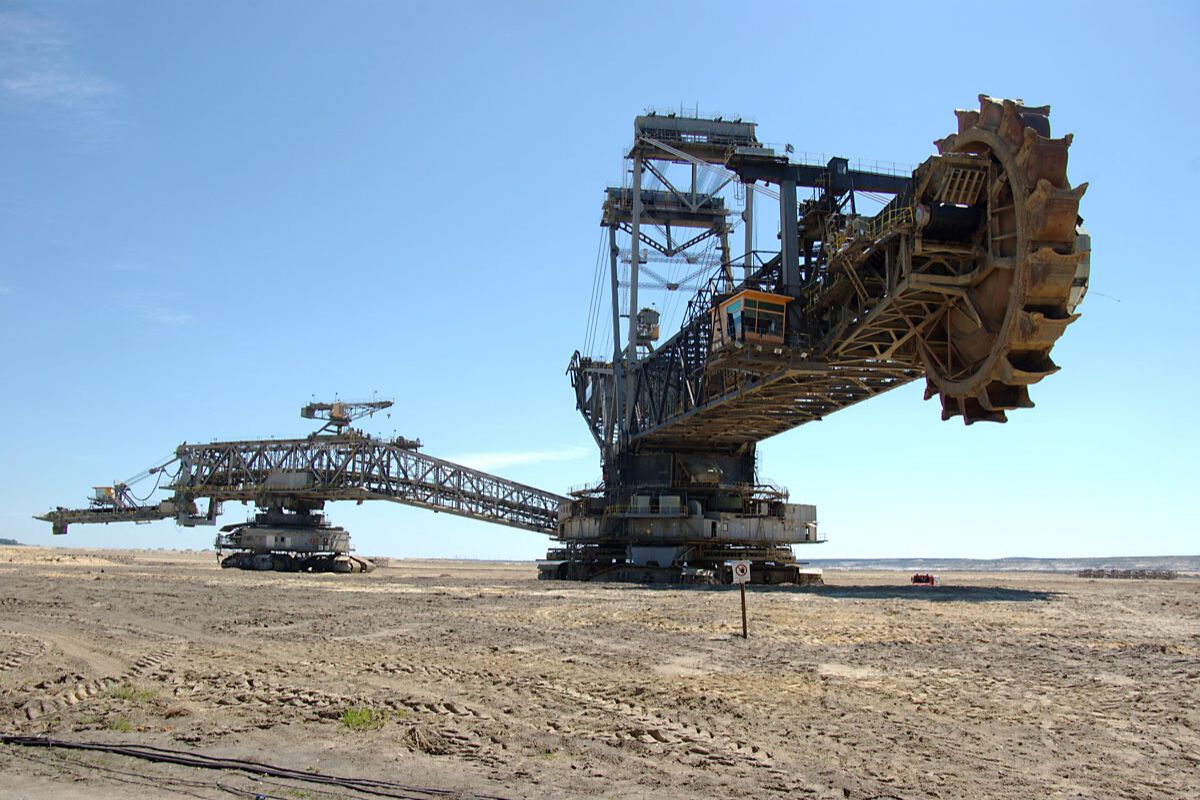
The Bagger 293, Built for Open-Pit Mining in Germany, Operates at the Hambach Mine and Shows How Far the Industry Can Go When Scale Is Prioritized
The Bagger 293 is described as the largest and heaviest machine ever built by humans, dedicated to a single task: extracting lignite, the so-called brown coal, at the Hambach mines in Germany. The very existence of this machine has become a living reminder of what industrial engineering can achieve when pushed to the extreme.
Built between 1990 and 1995 in Leipzig by the German company TAKRAF, a subsidiary of the MAN Group, the Bagger 293 is still in operation and belongs to RWE Power AG. It is not just large: it is a complete industrial system in motion, with numbers so extraordinary that they seem fictional, but they are part of the routine of open-pit mining.
The Machine That Became the Benchmark for Scale in Mining
The Bagger 293, also known as MAN TAKRAF RB293, is a bucket-wheel excavator, with a giant toothed wheel at one end, designed for open-pit mining.
-
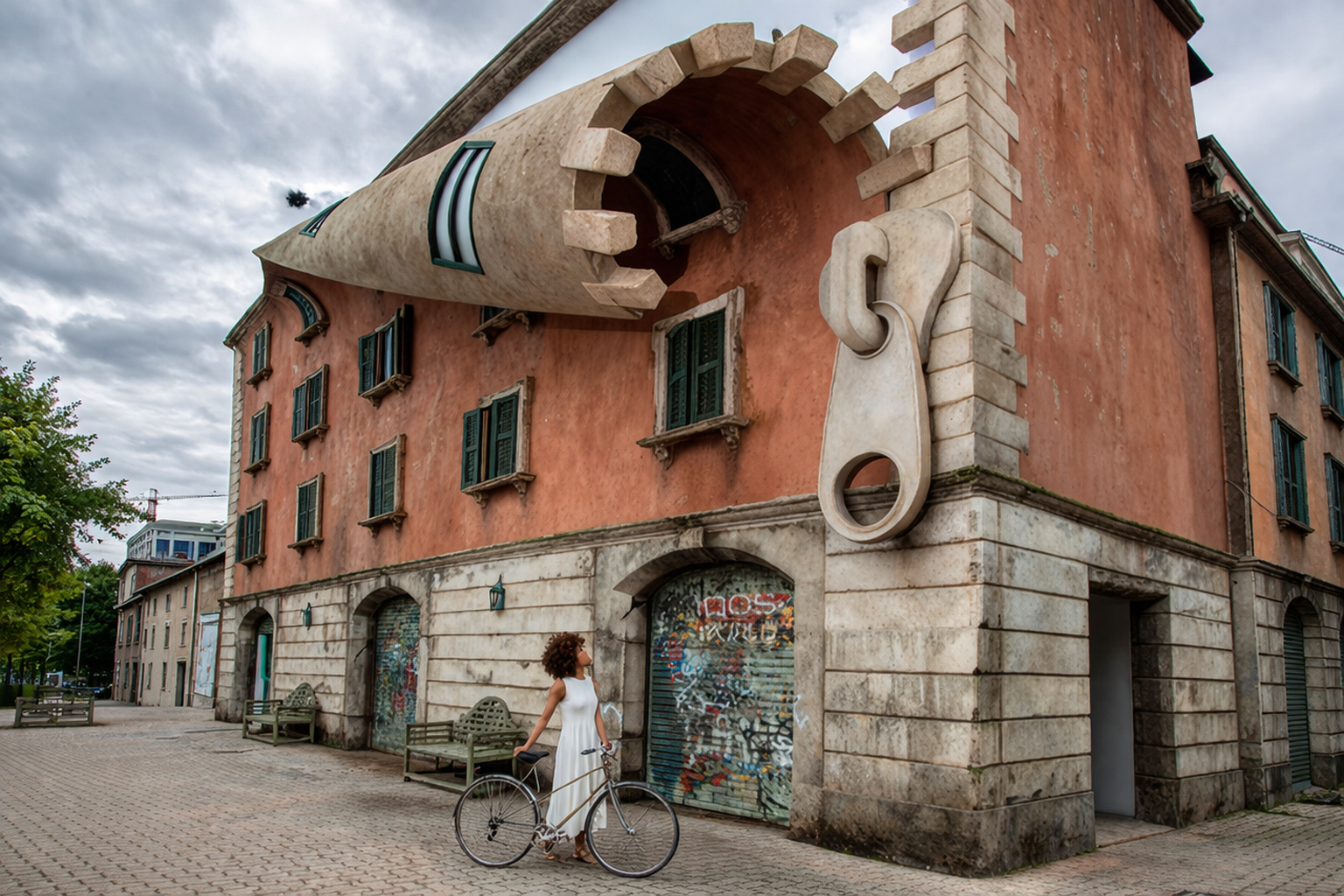
With a façade that resembles a giant zipper, the building in Milan creates a sense of strangeness, featuring lighting that transforms engineering and attracts the attention of residents and tourists.
-
The Brazilian city has 319 crooked buildings built on sandy soil without proper deep foundations, houses the largest beach garden in the world, with over 5 km, and is still considered the birthplace of surfing — meet Santos, in São Paulo.

-
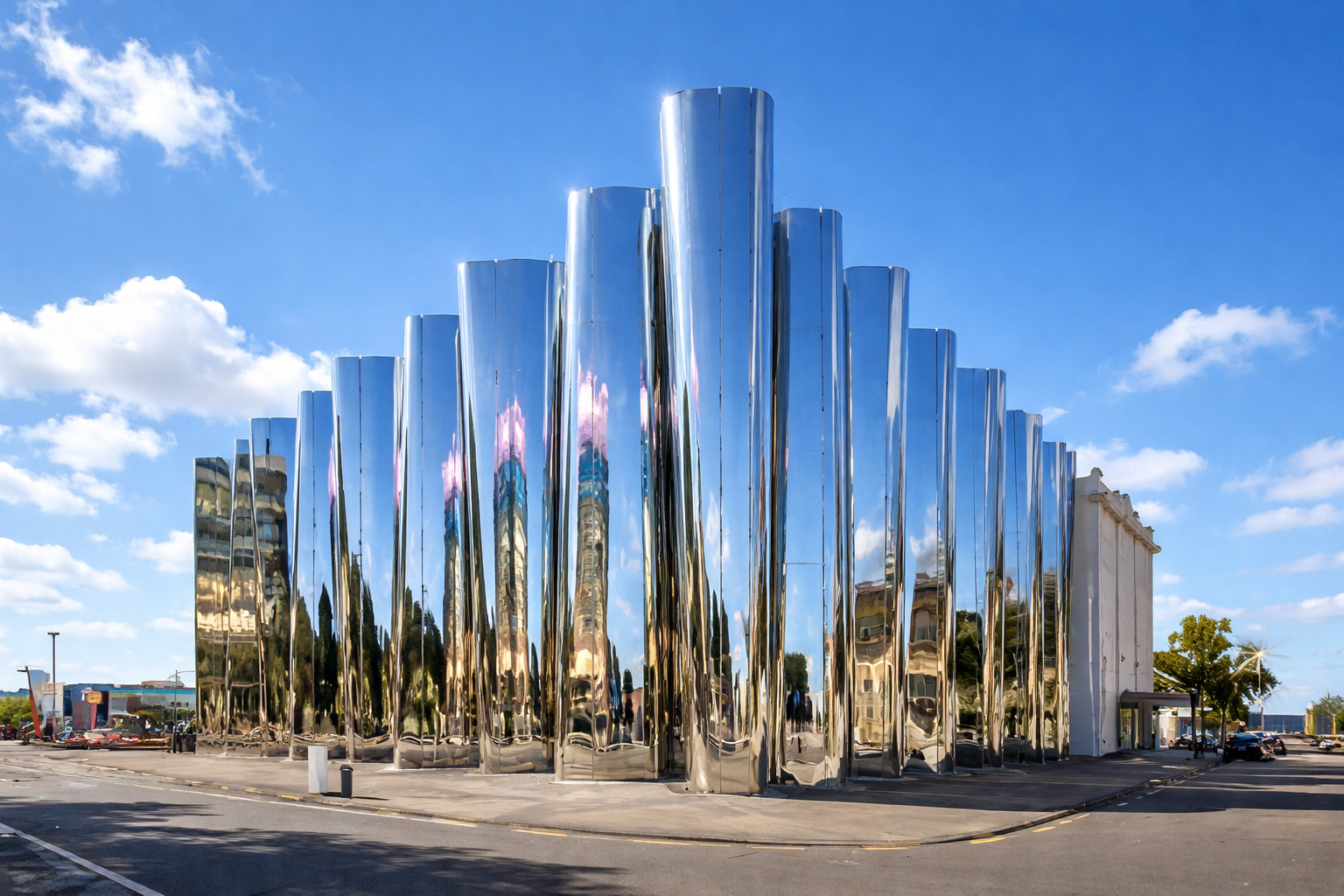
New Zealand builds a shimmering building that vibrates, featuring a 62-seat cinema, moving sculptures, and an environment where sound, light, and energy are felt in the body.
-
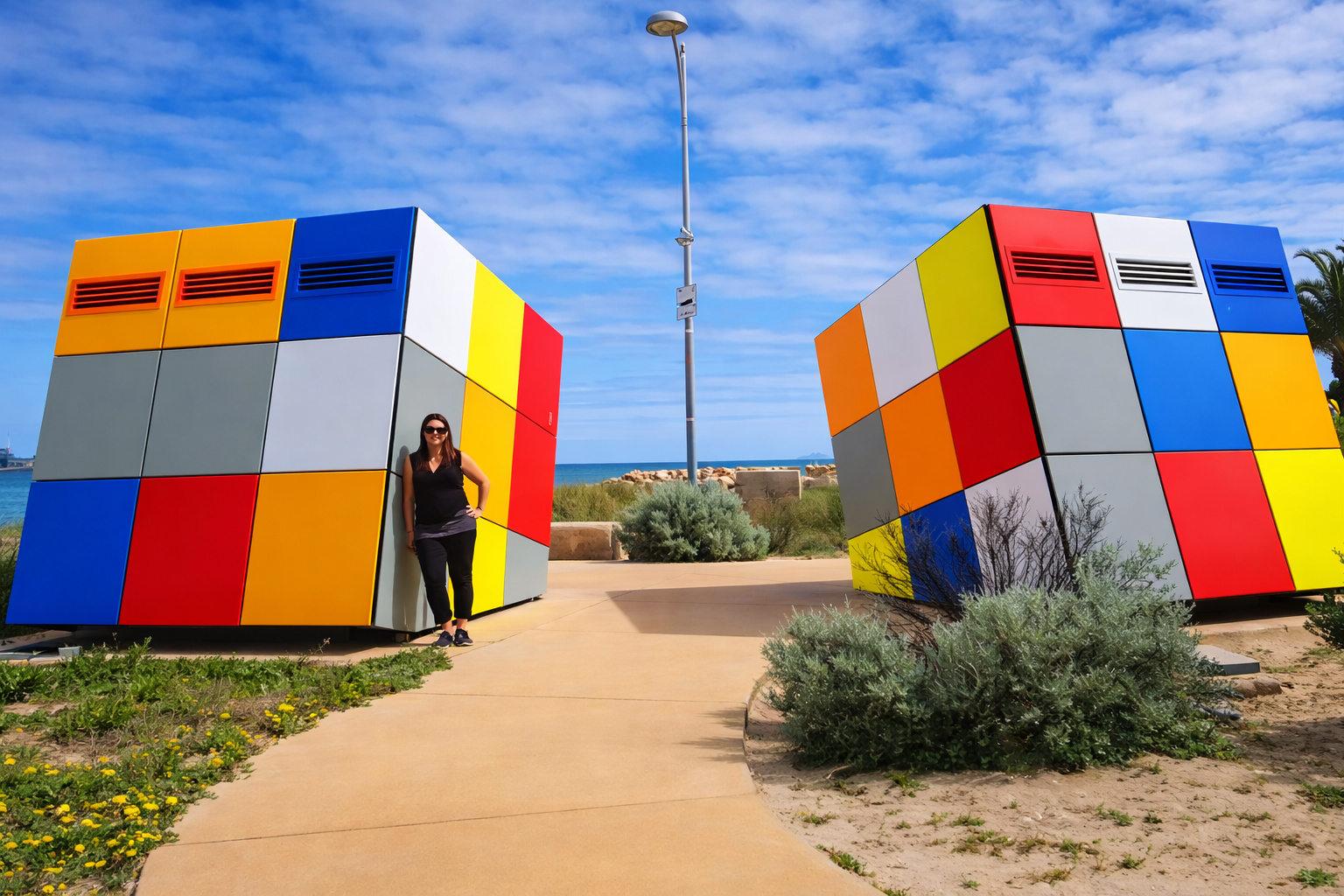
Two colored cubes of 2.5 m transform a public bathroom into a selfie spot in Western Australia, costing up to 75% less than traditional construction and helping to reduce vandalism in public spaces.

The machine’s purpose from the beginning was to extract lignite in Hambach, one of the largest mining operations in Europe.
This type of machine is not designed for “versatility.” It is built to operate in the same environment for years, removing layers of soil and rock with a repetition, control, and volume that no ordinary equipment can achieve.
Numbers of the Machine That Seem Impossible
The Bagger 293 measures 96 meters in height, equivalent to a building with more than 30 floors, and 225 meters in length, more than two football fields lined up. The weight is the most impressive figure: 14,200 tons.
The Guinness Book of World Records officially recognizes the Bagger 293 as the largest and heaviest land vehicle in the world, a title it shares with its predecessor, Bagger 288, although the 293 surpasses it in size and capacity. Under normal conditions, this machine can move up to 240,000 tons of material in a single day.
How the Machine Removes the Soil and Exposes the Coal Veins
The heart of the machine is a rotating wheel with a diameter of 21.3 meters, equipped with 18 buckets. Each bucket, described as a large steel cube, can carry up to 15 cubic meters of material per cycle.
The wheel turns continuously, removing layers of soil and rock to expose the lignite veins. After that, the material is transported by giant conveyor belts to the power plants. It is a production line on a mine scale, operating non-stop.
Energy, Control, and the Human Factor Inside the Machine
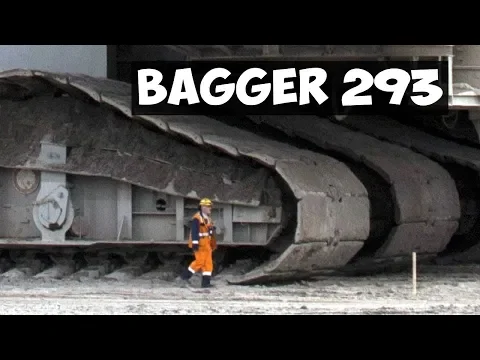

To operate a structure of this size, the Bagger 293 relies on a direct external power source of 16.56 megawatts, a value described as equivalent to more than 22,500 horsepower. The text compares this demand to the consumption needed to supply a city of about 20,000 inhabitants.
A curious point is that this machine does not have its own conventional engine. It remains permanently connected to the industrial power grid.
And despite the scale, the human operation is lean: it is estimated that the machine’s daily work is equivalent to the manual labor of about 40,000 miners, but it is all controlled by just five operators on board, from a central cabin.
Why This Machine Almost Doesn’t Move from Its Spot
The Bagger 293 cannot be transported. To move the machine about 120 kilometers, it takes more than three weeks of continuous work, advancing only 5 or 6 kilometers per day.
The movement occurs on 12 steel tracks, each 3.8 meters wide, that distribute the weight in a controlled manner to prevent the ground from giving way. Even moving is an engineering project, not a simple maneuver.
The Hambach Mine and the Controversy Surrounding the Machine
The machine operates at the Hambach mine, described as the largest open-pit mine in Germany, with an approved area of up to 8,500 hectares and a depth of up to 500 meters below the surface.
According to Bloomberg, the mine produces about 40 million tons of lignite per year, enough to supply approximately 8 million households.
But Hambach is also a symbol of environmental conflict. Lignite is considered the most polluting fossil fuel per unit of energy produced, and mining has reportedly destroyed 90% of the historic Hambach Forest, described as an ecosystem over 12,000 years old.
Since 2012, activists have occupied the remaining trees for years, and in 2018 there were protests with tens of thousands of people against the expansion. Greta Thunberg visited the site in 2019 and described places like the mine as “devastating.”
What Should Happen to the Area Afterwards
In January 2020, the German government agreed to preserve the remaining forest, and in August of the same year, Germany committed to phasing out coal by 2038.
According to Global Energy Monitor, mineral exploitation at the Hambach mine is expected to cease in 2029, and the plan is to transform the area into a restored landscape, including a large artificial lake.
The machine that today represents the limit of mining may also become a landmark of transition, when the operation that justifies it comes to an end.
Do you think that a machine of this size is a triumph of engineering or a symbol of an industrial model that has already passed its limits?





-

-

-

-

18 pessoas reagiram a isso.