





 Portuguese
  English
  Spanish
  4 min of reading
  0 comments





Billion-Dollar Lawsuit Against Banco do Brasil Exposes Hidden Practices in Agricultural Credit, Revealing Diversions That Could Reconfigure the Sector and Cause Deep Changes in the National Financial System.
A billion-dollar lawsuit currently underway in the Brazilian Judiciary points to what could be the biggest banking scandal in global history.
The action, filed by the Brazilian Association for the Defense of Agribusiness (ABDAGRO), accuses Banco do Brasil of practicing, over the decades, the so-called tied selling in agricultural credit.
The amount charged: R$ 841 billion in indemnities.
-
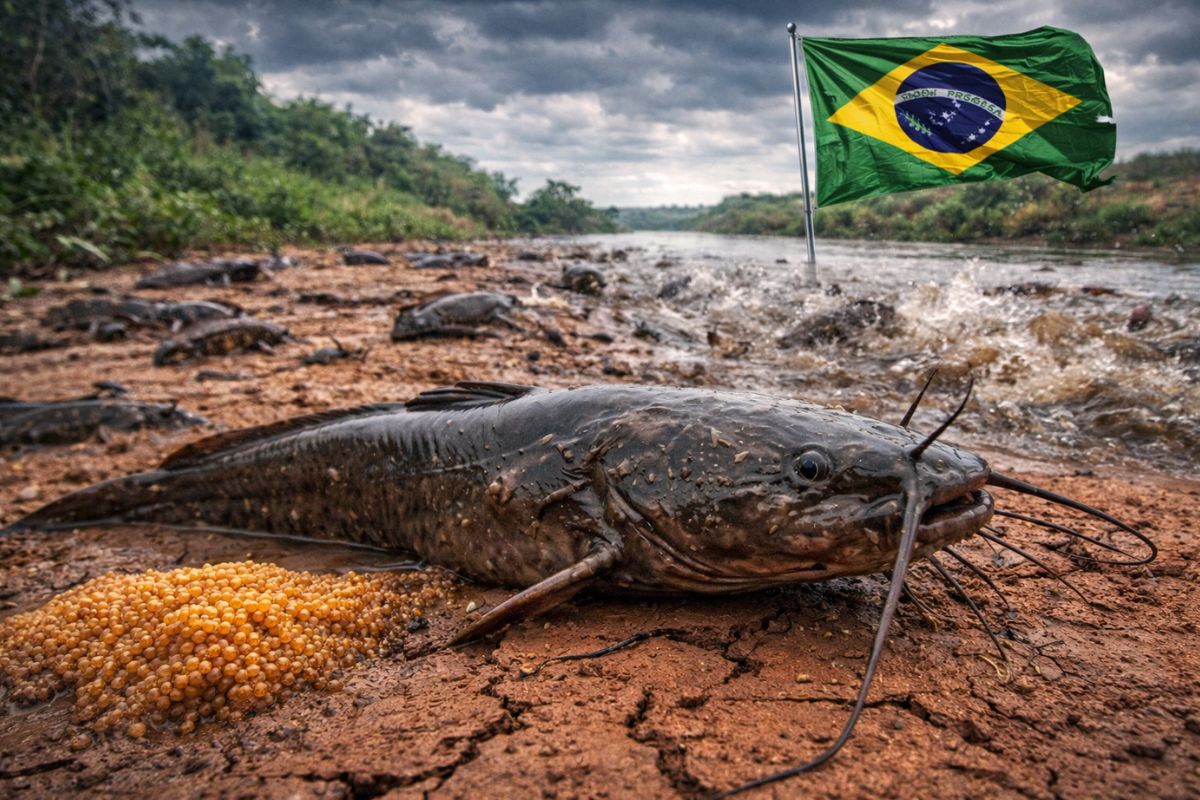
A fish that survives out of water, crawls on land until it finds another river, and whose female lays 80,000 eggs at once is infesting rivers and lakes in Brazil, and no one can stop this invasion.
-
WEG took its technology to Spain to create a solar irrigation system that operates independently without needing an electrical grid, and now farmers control everything remotely via their mobile phones.

-
The US faces a meat crisis with fires, pests, and strikes, consumption rises and supply falls to the lowest level since 1952, creating a billion-dollar opportunity for Brazilian exports to grow in 2026.

-
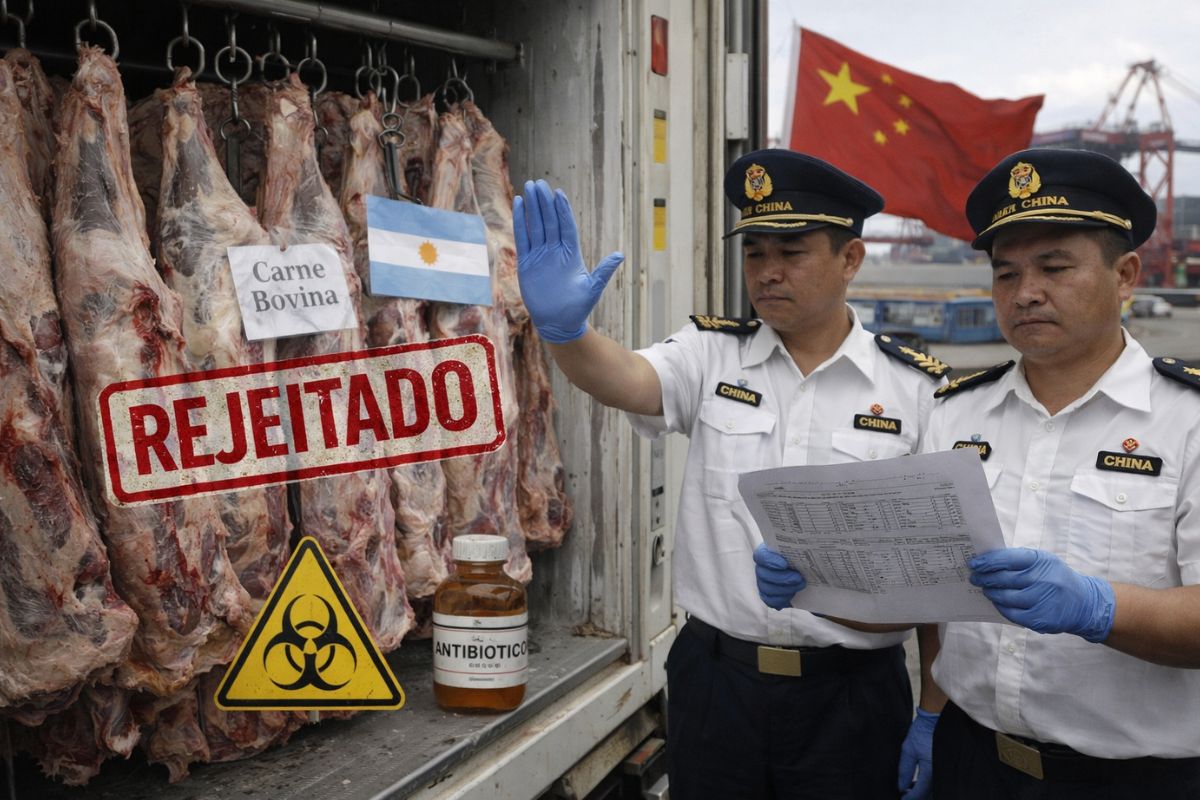
China rejected an entire shipment of beef from Argentina after detecting an antibiotic so dangerous that it has been banned for human consumption for over 30 years, and now the export sector is facing a crisis of international trust.

The complaint involves practices that, according to the entity, directly compromised the financial survival of thousands of rural producers.
Amid documentary evidence and testimonies from former employees, the lawsuit exposes how systematic mechanisms were allegedly used to condition the release of agricultural credit to the hiring of additional financial products.
The alleged fraud, revealed in January and still under analysis in the courts, continues to be in the spotlight and is already being compared to Operation Car Wash, but with a much greater financial impact.
Tied Selling in Agricultural Credit
At the heart of the legal dispute is tied selling, considered illegal under the Consumer Defense Code.
ABDAGRO claims that, to access subsidized credit lines intended for agribusiness, farmers were required to purchase services such as insurance, capitalization bonds, consortia, and private pensions — products that were not part of the borrowers’ needs.
Since the 1960s, agricultural credit has been an essential public policy in the country, providing favorable conditions to boost agricultural production.
However, according to the association, Banco do Brasil — responsible for about 60% of this market — would have diverted a significant part of these resources from their original purpose, inflating profits through abusive requirements.
Billion-Dollar Values and Impact of the Action
The public civil action was filed in Goiás and is registered under the number 6013471-59.2024.8.09.0051.
The law firm João Domingos Advogados, representing ABDAGRO, requested that the court return the diverted amounts, as well as compensations for damages of various kinds:
- R$ 360 billion as a double claim for undue payment.
- R$ 150 billion for individual moral damages.
- R$ 179.9 billion for social damage.
- R$ 50 billion for collective moral damages.
- R$ 70 billion related to the reversal of the penalty clause.
The totals amount to R$ 841 billion, a figure that, according to experts, exceeds more than five times the market value of the bank itself.


Testimonies and Complaints from Producers
Rural producers from various regions reported cases where they were forced to acquire additional financial services as a condition for the release of credit.
One of the most symbolic examples is that of Naiton Moura, who took out a loan of R$ 3 million and saw R$ 500 thousand redirected, without clear consent, to a private pension plan.
Sebastião de Moura, another producer, states that for decades unknown products were debited from his account, revealing a pattern of operation that, according to ABDAGRO, was repeated across the country.
Former managers of Banco do Brasil itself confirmed, in interviews and testimonies, that the practice was internally encouraged.
Fernando Marques, who worked for 16 years in the institution, reported that there were sales targets imposed by management, benefiting the bank and harming producers.
Alleged Scandal of Banco do Brasil Could Be Greater Than Lava Jato
The action promoted by ABDAGRO is already considered the largest financial scandal in Brazil in terms of the sums involved.
By way of comparison, Lava Jato uncovered diversions estimated at R$ 153 billion, less than 20% of the current figure attributed to the case of Banco do Brasil.
Furthermore, this process could force structural changes in the national banking system, especially in the rules governing the granting of credit with public subsidy.
Institutional Responses and the Role of Justice
According to the investigation conducted this June, no definitive court decision has been issued.
Requests for preliminary injunctions were rejected by the initial courts, which did not identify sufficient urgency or plausibility.
Banco do Brasil denies the accusations and claims it operates in compliance with the legislation, adhering to criteria of ethics, transparency, and compliance.
ABDAGRO, in turn, intensified public pressure, with campaigns on billboards, mobilization actions for producers, and sending complaints to the Federal Public Ministry (MPF), Central Bank (BC), Administrative Council for Economic Defense (CADE), and the Office of the Comptroller General (CGU).
So far, none of these agencies have announced investigations or public statements regarding the case.
Risks to Agribusiness and the Financial System
For ABDAGRO, the struggle goes beyond the recovery of funds.
The entity seeks the restructuring of the agricultural credit system, so that it can fulfill its primary function: to ensure dignified and fair access to the resources that support Brazilian agricultural production.
According to the association, the maintenance of abusive practices undermines producers’ trust in the banking system, discourages investment in the countryside, and threatens the economic sustainability of agribusiness — a sector responsible for over 24% of the national Gross Domestic Product (GDP).








Ação oportunista e mal fundamentada. Provavelmente o presidente dessa associação está tentando visibilidade política. Aos associados, peço atenção. Se houver derrota judicial, a abdagro terá que arcar com as vistas processuais e esse prejuízo será repetido com todos