Portuguese
  Spanish




Largest Mosquito Factory in the World Opens in Campinas and Places Brazil at the Forefront of Global Combat Against Dengue
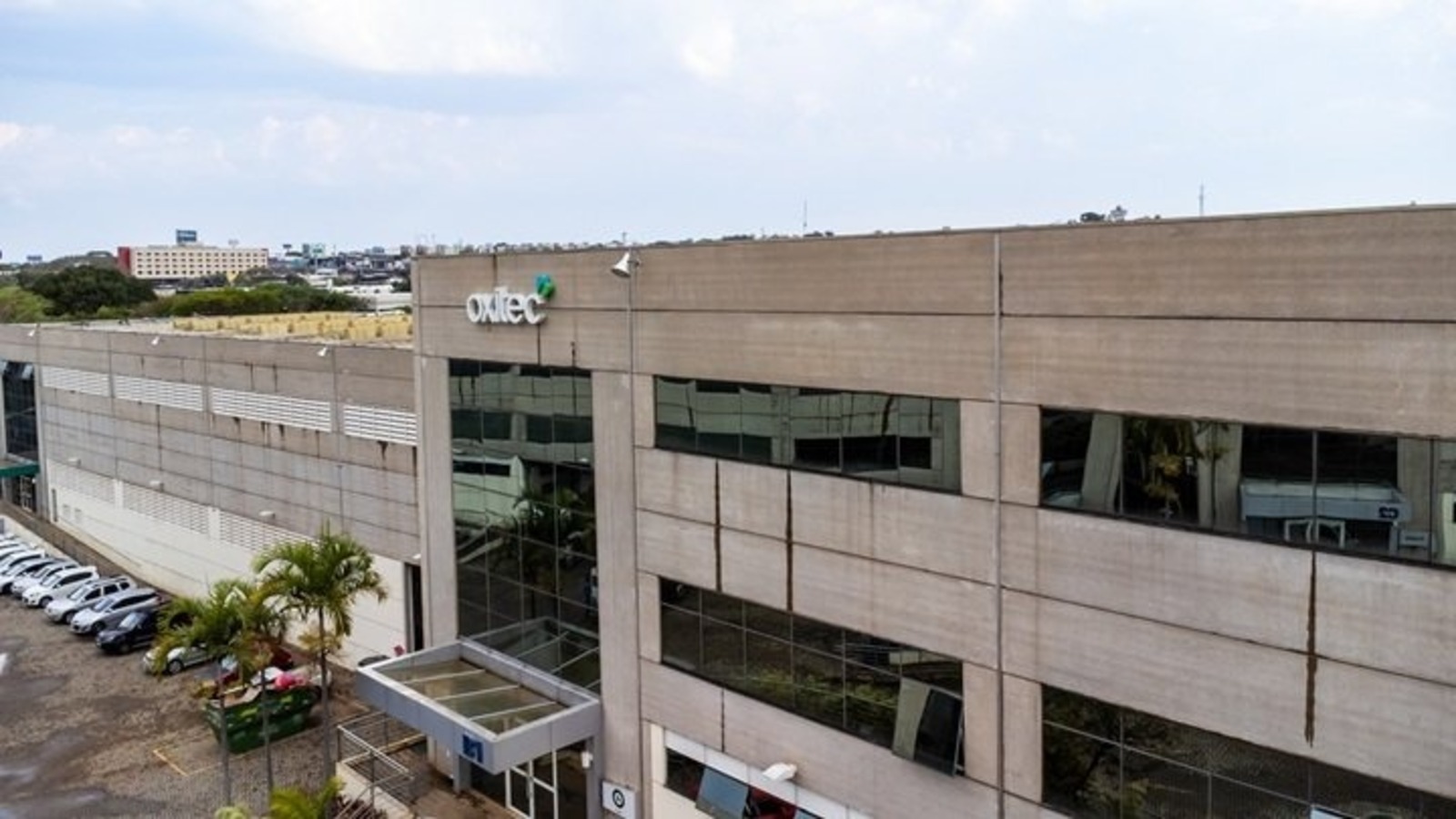
The city of Campinas, in the interior of São Paulo, has become home to a global landmark in the fight against mosquito-borne diseases. Oxitec Ltd, a leader in biological pest control, inaugurated last Thursday (2) the world’s largest mosquito production complex—a facility that combines scientific innovation, technology, and unprecedented production capacity.
A Response to the WHO Alert
The new factory is a direct response to the call from the World Health Organization (WHO), which urges rapid use of technologies capable of containing vectors such as Aedes aegypti.
This concern has become even more urgent as dengue cases reached record numbers in countries across Latin America and the Asia-Pacific region.
-
Entrepreneur Turns Neighbor’s Coffee Grounds Waste into Eco-Friendly Pellets, Earning Up to $40,000 Monthly in Brazil

-
In China, Six-Armed Humanoid Robot Revolutionizes Washing Machine Factory, Boosting Efficiency by 30%

-
Engineers Uncover Rain’s Role in Airflow Mystery at Brazilian Underground Facility

-
Brazilian Engineers Lead $200 Million Project to Bring Water from São Francisco River to Transform Supply in Northeastern Cities


To meet the growing demand, the unit was designed with multiple independent production lines, allowing for continuous and safe operation.
Additionally, the plant was designed to provide solutions for both governments and communities seeking quick and low-cost protection.
Mosquito Factory: Record Capacity and Global Reach
The new Oxitec complex has the capacity to produce up to 190 million Wolbachia mosquito eggs per week, nearly double that of the second-largest factory of its kind in the country. This is enough to protect up to 100 million people per year, according to the company’s estimates.
In parallel, the facility also produces Aedes do Bem mosquitoes, another innovation developed by the company.
This technology has been present in several Brazilian cities since 2022 and has proven capable of reducing Aedes aegypti populations by more than 95% in areas where it has been applied.
The expansion of Aedes do Bem’s use is continuing at a rapid pace, driven by partnerships with municipal governments, companies, and even families adopting the method to control mosquito presence in their regions.
How Wolbachia Technology Works
In practice, the strategy uses a natural bacterium called Wolbachia, found in various insects. When introduced into Aedes aegypti, it prevents the mosquito from transmitting diseases such as dengue, zika, and chikungunya.
The results obtained from urban testing showed a greater than 75% reduction in dengue transmission, and the initiative has already received formal recognition from the WHO.
The Ministry of Health has also incorporated Wolbachia into the National Dengue Control Program (PNCD).
The Campinas factory is now awaiting Anvisa approval to start supplying Wolbachia mosquitoes to the government.
The expectation is to begin deliveries before the next mosquito season—without relying on public funding for construction or operation.
Two Complementary Solutions
The technologies developed by Oxitec operate similarly but have different objectives. Wolbachia is aimed at large-scale public health campaigns, conducted by governments and research institutions.
Meanwhile, Aedes do Bem is ideal for targeted interventions in critical areas and can be used by anyone.
This combination creates a more flexible front in the fight against mosquitoes, capable of adapting to both large cities and smaller communities, with quick and lasting results.
Expectations and Recognition
During the inauguration ceremony, Oxitec’s CEO, Grey Frandsen, highlighted that this moment represents a historic advance.
“The impact of dengue is growing worldwide. That’s why we developed a professional manufacturing platform that will enable us to deliver these solutions to billions of people,” he declared.
Oxitec Brazil’s executive director, Natalia Verza Ferreira, emphasized the importance of the new complex. According to her, the country has experienced severe dengue outbreaks in recent years, and the urgency for effective measures is evident.
Mosquito Factory: Cooperation and Next Steps
The event also featured representatives from the federal government. The deputy secretary of the Health and Environment Surveillance Secretariat, Fabiano Pimenta, spoke on behalf of Minister Alexandre Padilha.
He praised the synergy between Oxitec and Fiocruz, which began the process of deploying Wolbachia in the country.
“I think this synergy is very good. This is not about competition, but about synergy. In July, Wolbito was inaugurated as the largest in the world. Two months later, it’s no longer. This is very good for Brazil’s public health,” declared Pimenta.
Regarding Anvisa’s authorization, the secretary recalled that emerging technologies are still under provisional evaluation until 2027.
“The ministry has a total interest in facilitating access. We are working to find a solution that ensures safety and availability,” he added.
With the factory fully operational, Campinas is set to firmly establish itself on the global biotechnology map—and Brazil reinforces its leadership role in the fight against dengue.
With information from Diário Campineiro.