





 Portuguese
  English
  Spanish
  4 min of reading
  9 comments


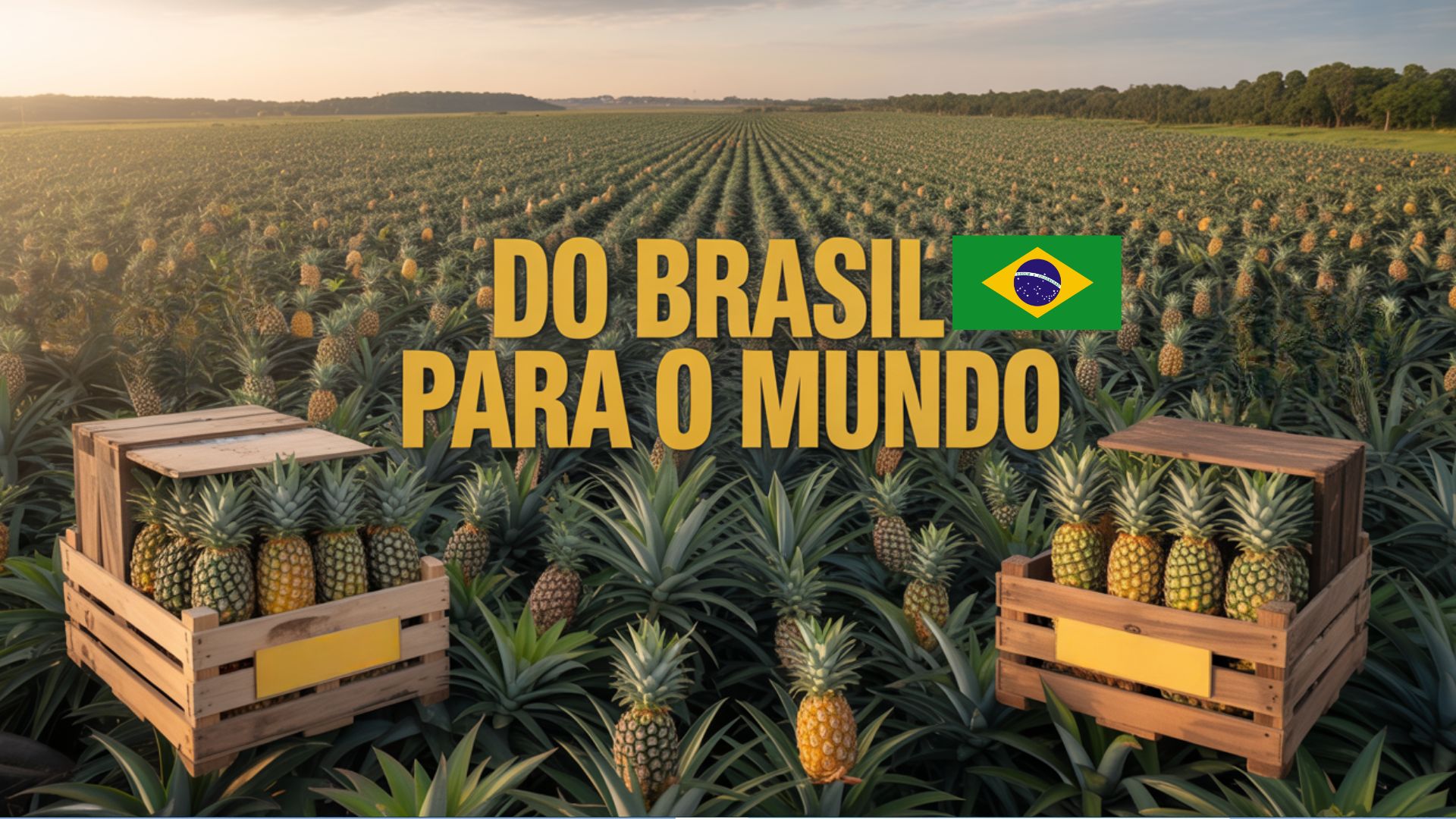


Know the Largest Pineapple Farm on the Planet, Located in Tocantins, Which Combines Precision Agriculture, Sustainable Practices, and Export Records to Global Markets. Discover How Technology and Innovation Transform the National Agribusiness.
The largest pineapple plantation in the world is located in Brazil, specifically in the municipality of Tabocão, Tocantins, where the Olhos D’Água Farm occupies an area exceeding 3,000 hectares and combines innovation, sustainability, and high productivity.
Focusing on the pearl and imperial varieties, the property has established itself as a global reference, uniting precision agriculture, intelligent irrigation systems, and a robust export structure that reaches both the European market and the United States.
Innovation and Technology in Pineapple Cultivation
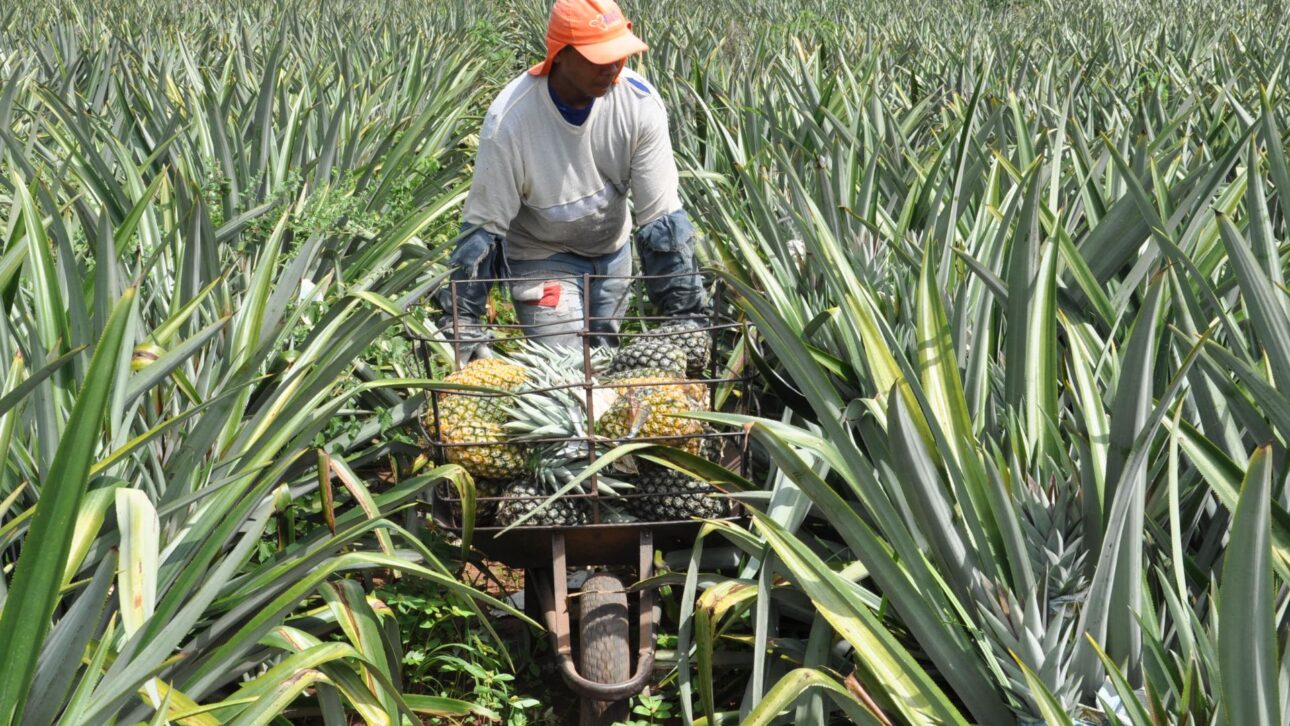
The farm stands out for its extensive use of agricultural technology, implementing drip irrigation systems, drones for monitoring, and automated soil analysis, which elevates the quality standard of the cultivated pineapple.
-
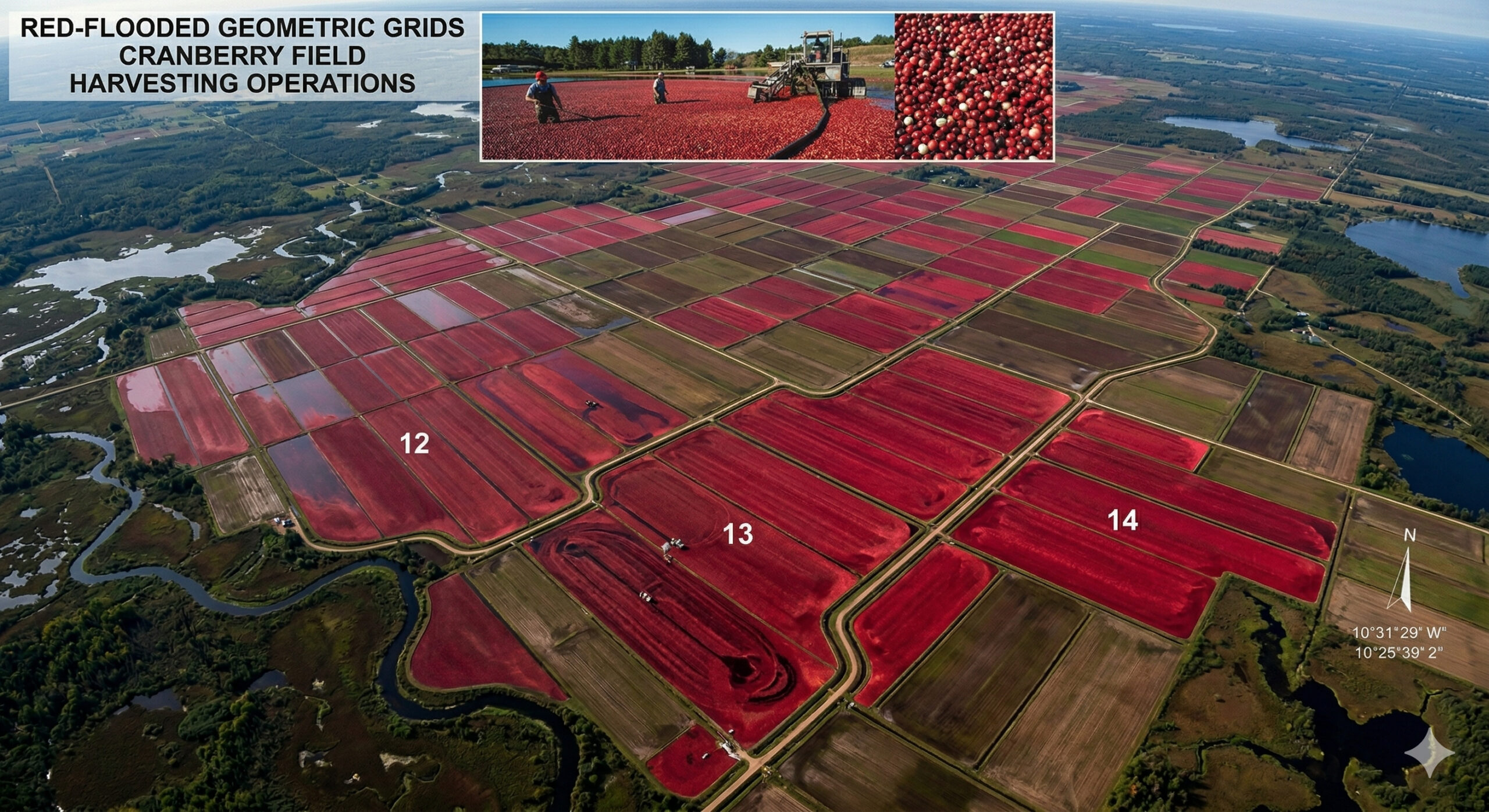
Geometric cranberry bogs in Wisconsin flood entire fields and turn red during harvest, creating an agricultural mosaic so intense and out of the ordinary that it transforms wetlands in the United States into one of the most stunning landscapes ever seen from space.
-
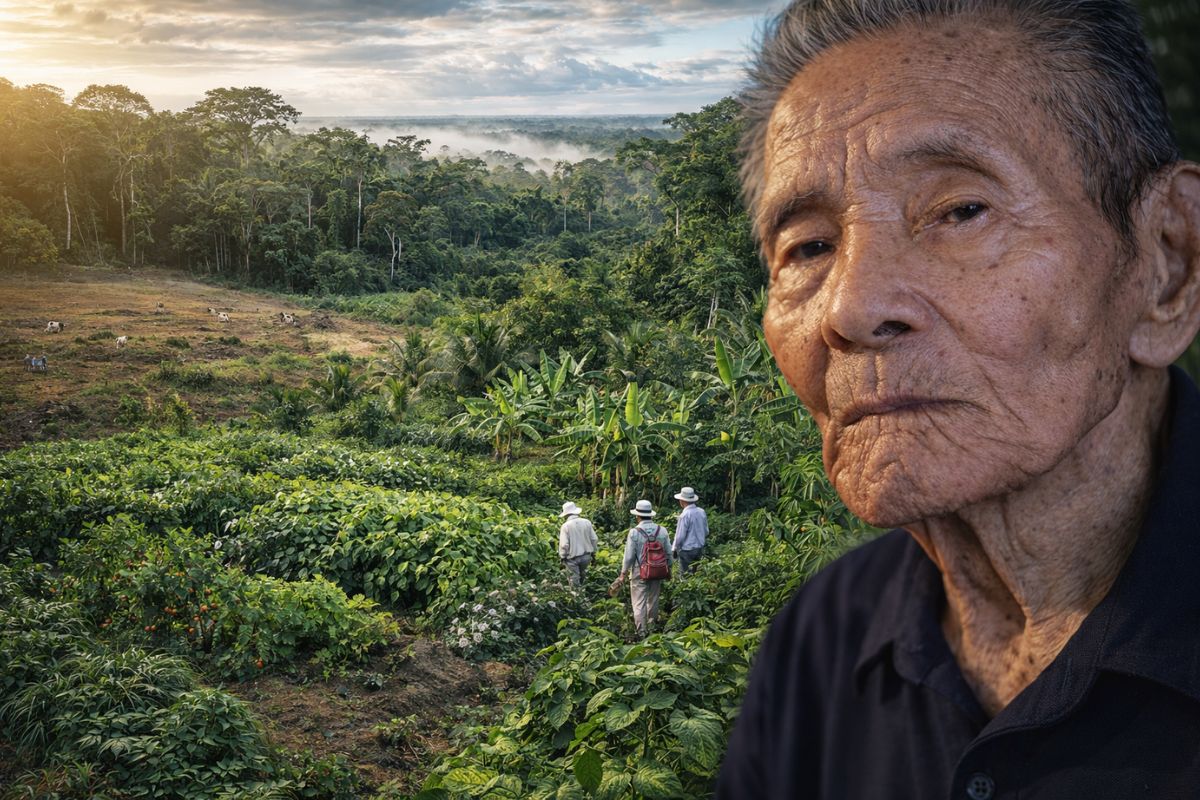
At 96 years old, the last survivor of a colony of Japanese immigrants who arrived in the Amazon in 1929 saw his community create an agricultural method that transforms destroyed pastures into forests that produce food year-round and attract researchers from around the world.
-
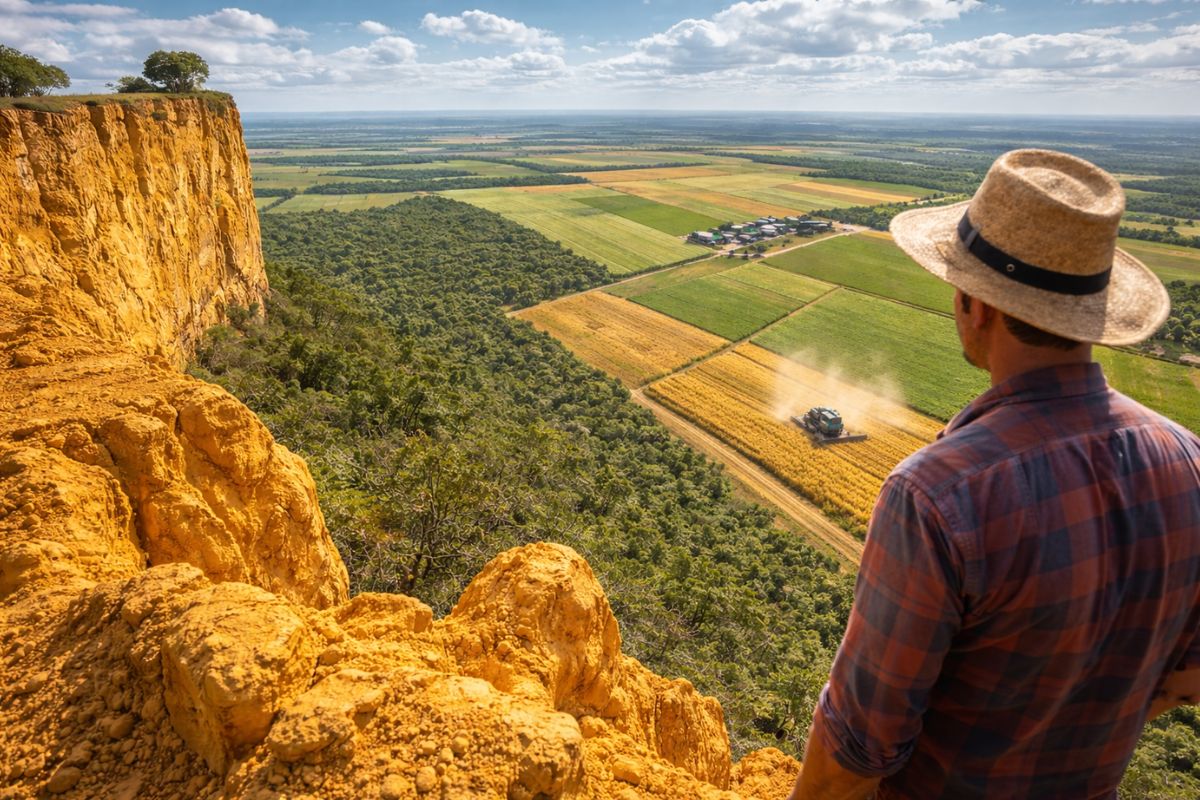
This rare yellow clay at the top of a plateau in northern Pará is transforming one of the poorest regions of Brazil into a new agricultural frontier, with producers already harvesting three crops a year from the same soil.
-
Brazil has avoided deforestation of 50 million hectares in the last three decades thanks to increased productivity in the field, and now low-carbon agriculture wants to prove that the country is part of the climate solution and not the problem.
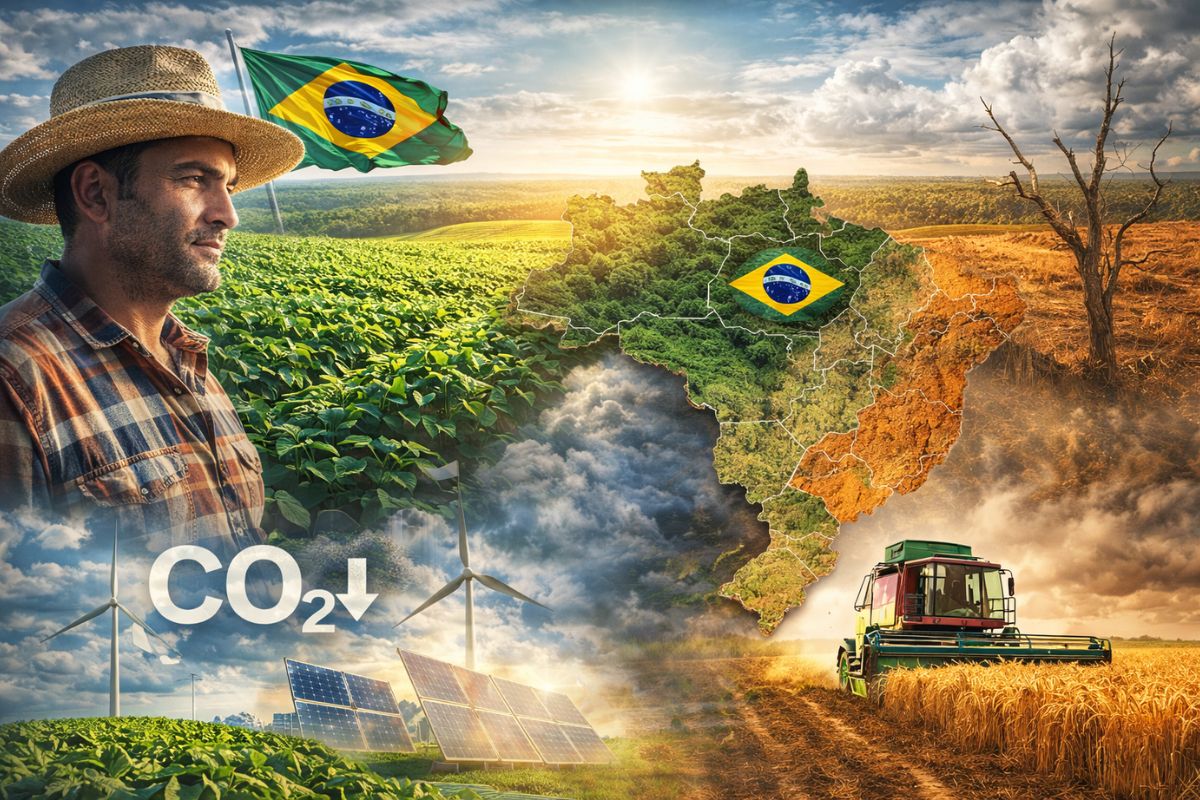
Technological processes allow production to occur throughout the year, regardless of climatic fluctuations in the Cerrado, ensuring consistency in the supply of this superfood for both domestic and international markets.
The Cerrado, one of the largest and most important agricultural production regions in the country, offers ideal soil and climate conditions that favor large-scale cultivation.
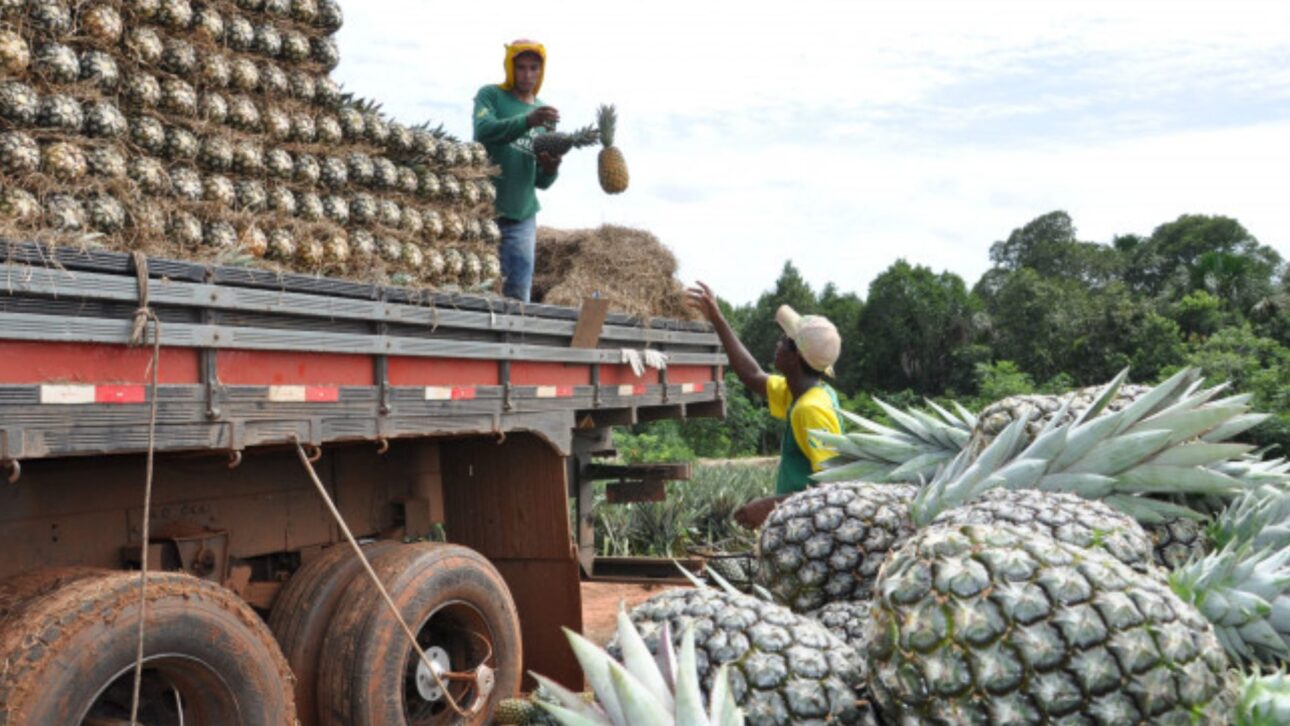
Records of Production and International Export
According to information from the Tocantins Department of Agriculture, Olhos D’Água Farm exceeds the mark of 100 to 150 thousand tons of pineapple per year.
A significant portion of this production supplies large supermarket chains in Brazil and is also sent to food processors in the Southeast.
A substantial percentage is allocated for export, primarily meeting demands from the European Union and the United States, which have increased their imports of Brazilian pineapple due to its superior quality.
Environmental Sustainability and Social Responsibility
Another distinctive feature of the largest pineapple farm in the world is its commitment to sustainable practices.
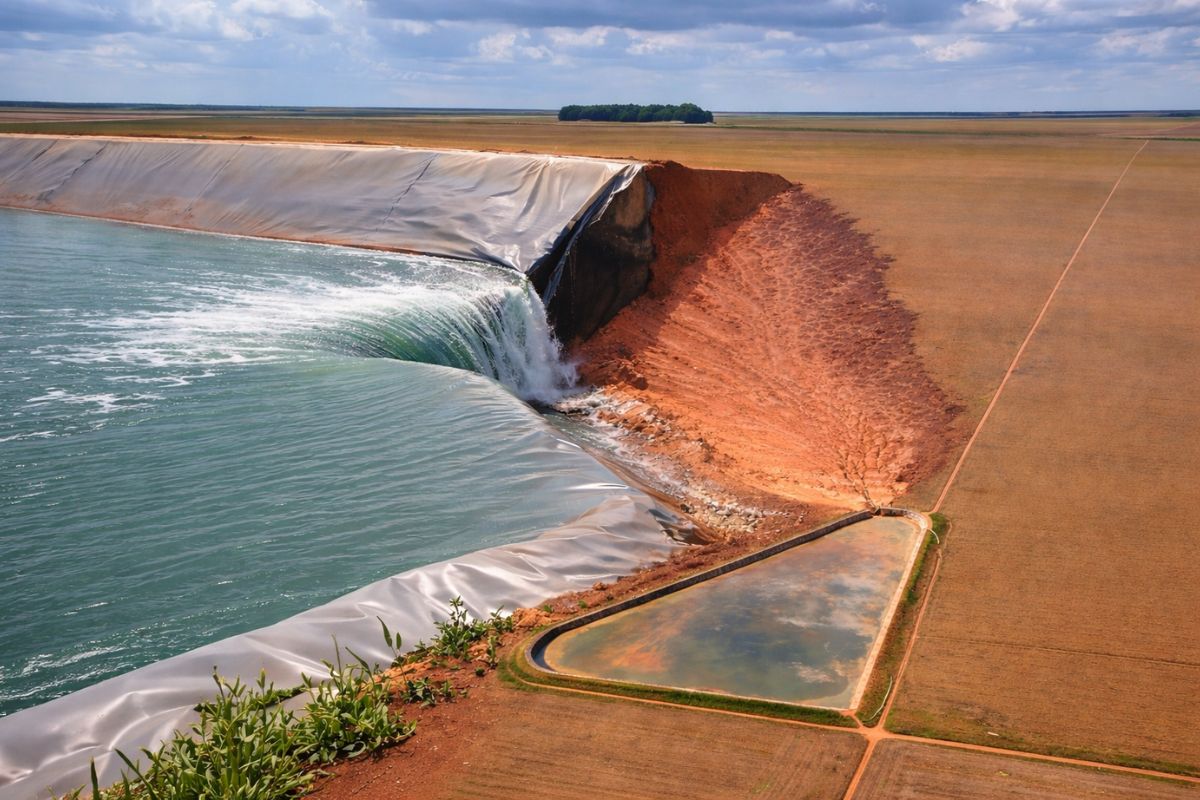
The entire irrigation system utilizes water reuse, with real-time monitoring of water consumption, which contributes to the preservation of the Cerrado’s natural resources.
Additionally, there is a continuous effort to train local workers: the farm maintains technical schools and training programs, preparing young people to work in agribusiness and offering internship and career development opportunities for agricultural operators.
Tocantins as a National Leader in Productivity
Currently, Tocantins ranks second among the largest pineapple producers in Brazil, behind only Paraíba in volume, but surpassing all states in productivity per hectare.
According to recent data from the Tocantins Department of Agriculture, the combination of agricultural mechanization, fertile soil, and climate stability transforms the region into one of the main hubs of this superfood.
The pineapple produced has a high concentration of fibers, vitamin C, and anti-inflammatory properties, aspects that increase its demand in global markets concerned with health and wellness.
Technological Reference for Producers Across the Country
The project of Olhos D’Água Farm serves as a reference for small and medium producers in the region and other states.
Through shared technical assistance, digital traceability, and automated pest control, the model implemented in Tocantins can be replicated in different contexts, strengthening the national agribusiness.
The use of cutting-edge technology not only enhances production efficiency but also ensures high standards of food safety and sustainability, reinforcing Brazil’s image as a leader in tropical fruit cultivation.
Logistic Challenges and Infrastructure in the Cerrado
Despite advances, the large-scale production outflow still faces logistical challenges, especially due to insufficient road infrastructure on some routes in the Cerrado.
Poor roads and high transportation costs are bottlenecks limiting the sector’s growth, according to reports from producers in the region.
Improvement initiatives for highways and integration with railways via the so-called North Arc are underway, aiming to enhance the competitiveness of Tocantins pineapple in the international market.
Pineapple as a Brazilian Superfood
The consolidation of pineapple as a superfood is a direct result of investment in innovation, environmentally responsible practices, and productive excellence.
While competing countries face limitations related to climate and logistics, Brazil, especially Tocantins, leverages natural and technological advantages to increase its share in the global scene.
Olhos D’Água Farm, by combining large-scale production, environmental sustainability, and social impact, strengthens Brazil’s presence as a exporting powerhouse of tropical fruits.
In light of this scenario, a question arises that mobilizes producers, experts, and consumers: Can the success of Tocantins pineapple be replicated for other tropical fruits, transforming Brazil into a global leader in the production and export of these superfoods?






Entao sou tecnico agropecuario,trabalhei na epoca era maior fazenda do Brasil,fica na paraiba
a brafrutas era maior fazenda plantio de abacaxi
Propaganda demais… impossível ler qualquer matéria;
Sou operador de trator de pneus sei dirigir caminhão tenho CNH B gostaria de fazer parte desta turma do abacaxi tenho disponibilidade para qualquer região do Brasil sou solteiro tenho 49 anos mim liga 61 998270304