





 Portuguese
  English
  Spanish
 5 min of reading
  4 comments


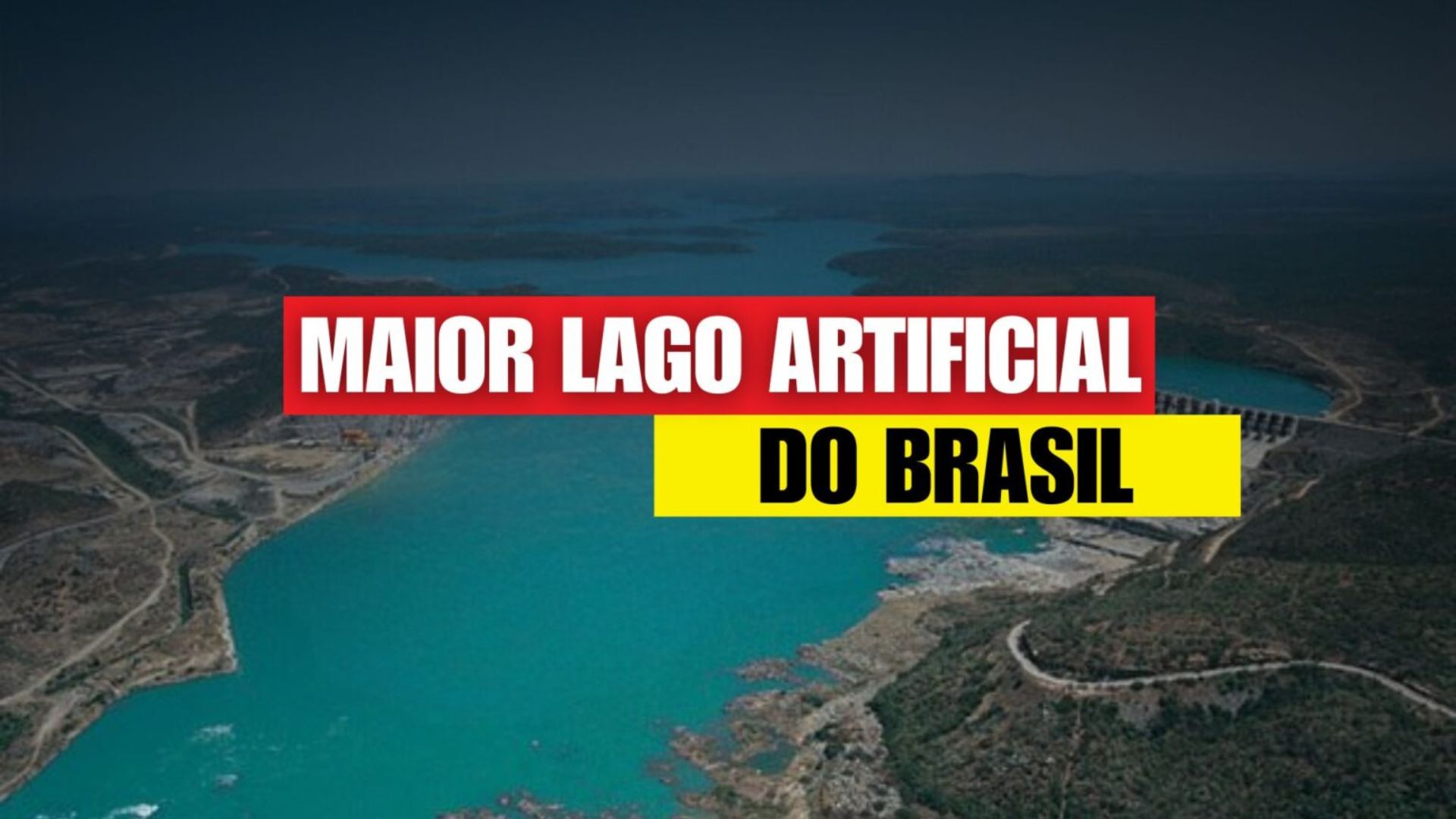


With Almost Five Decades of Operation, the Sobradinho Reservoir in Bahia Has Transformed Landscapes, Cities, and Economies of the Sertão. Its Monumental Scale Ensures Energy and Regulates the São Francisco River, Maintaining Strategic Relevance for the Northeast.
Sobradinho, in northern Bahia, holds the largest artificial water mirror in the country and remains a centerpiece of the São Francisco River.
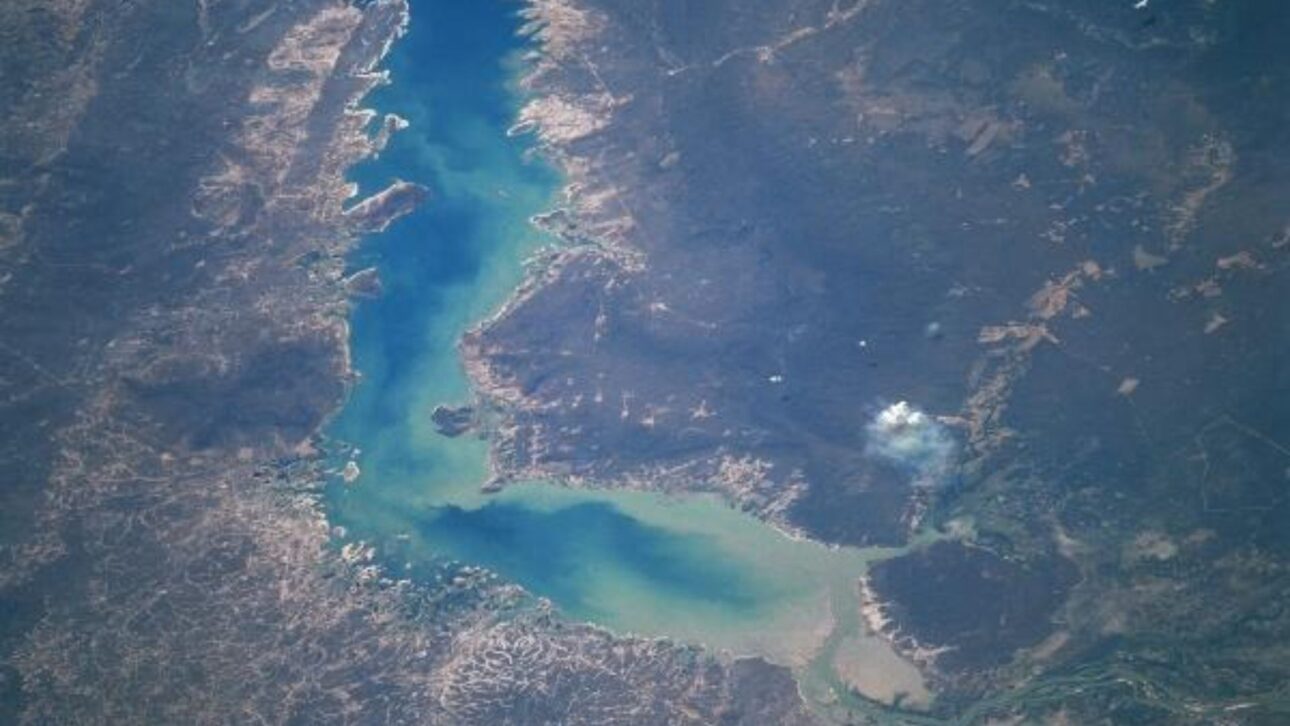
With 4,214 km² at reference level and about 320 kilometers in length, the reservoir is part of the Chesf system and serves a dual purpose: energy generation and flow regulation along the main river of the Northeast, sustaining electric supply and the multiple uses of water across various states in the basin.
Location and Dimensions in the Baiano Semi-Arid Region
Created by damming the São Francisco, the lake occupies areas of caatinga in a belt that reaches the surroundings of Juazeiro (BA) and Petrolina (PE).
-
Home environment can influence the brain, mood, and well-being: studies indicate an increase of up to 15% in productivity, a reduction of 12% in stress with plants, and a direct impact of the circadian rhythm on the 24 hours of the day.

-
A Brazilian millionaire couple restores a farm over 150 years old in the interior of São Paulo and transforms the historic property with Portuguese tiles, antique furniture, and new spaces into a refuge that blends tradition, comfort, and sophistication.
-
Submerged city in a lake in Minas reveals intact streets, preserved vehicles, and houses after more than 60 years, impressing divers.

-
Yellowstone has started to rise again in an area of the caldera, and the movement rekindles fears surrounding the U.S. supervolcano, as scientists monitor the deformation and try to understand what is happening underground.

The water sheet advances in calm stretches and, in wider points, forms extensions that locals identify as a “sea of the sertão”.
This territorial scale has reconfigured landscapes, routines, and circulation routes in dozens of communities.
Energy Functions and Role in River Regulation
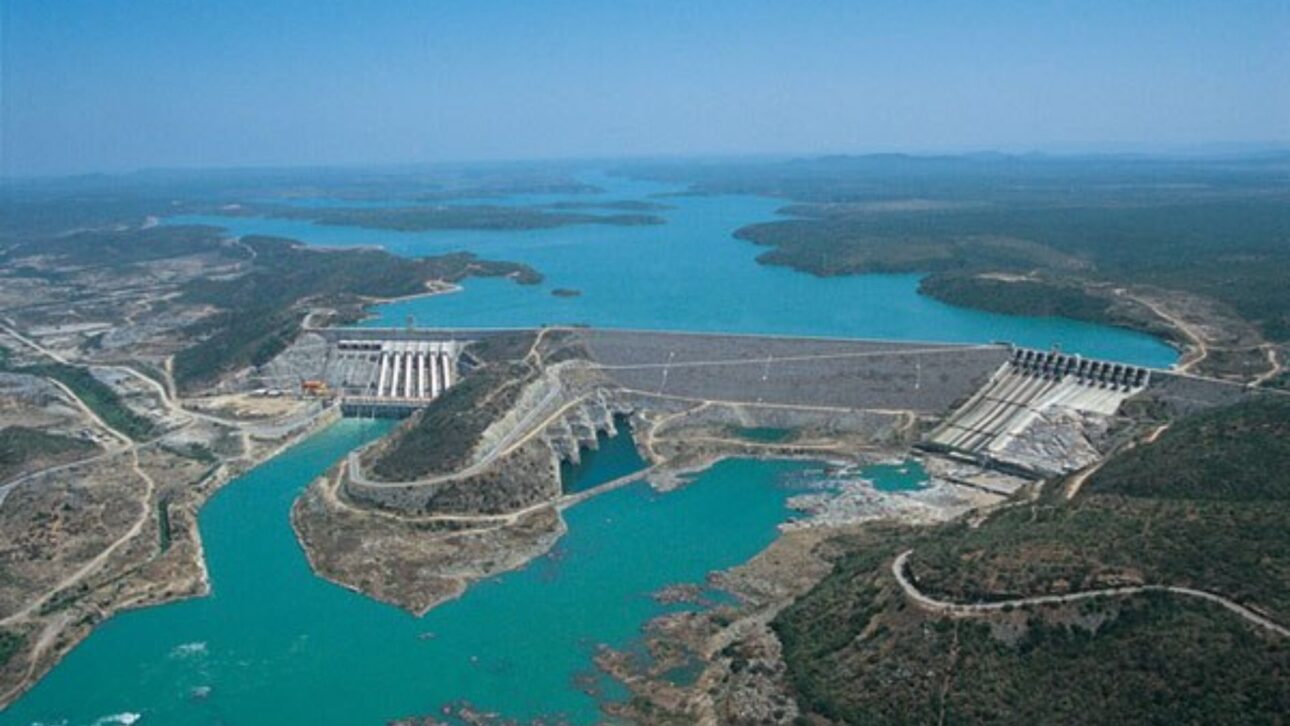
The Sobradinho plant has a total installed capacity of 1,050 megawatts, distributed across six generating units.
Beyond producing electricity, the dam acts as a regulator of the São Francisco: in drought, it mitigates losses in inflow; in floods, it manages outflow to reduce downstream risks.
This operation is the foundation for the performance of plants located downstream, along the Paulo Afonso axis, and for the predictability of urban withdrawals, irrigation projects, and sections of river navigation.
Storage Capacity and Operational Rules
Under normal conditions, the lake stores approximately 34.1 billion cubic meters.
Operations follow technical parameters that define maximum and minimum level ranges, as well as mandatory minimum flows.
The so-called depletion range guides daily decisions: releasing more water to meet energy and social demands or retaining it to restore volume and ensure future supply.
This constitutes a permanent balance, revised according to hydrological bulletins and climate scenarios.
Hydrology: Oscillations and Recent Variability
The reservoir’s behavior reflects the very variability of the climate in the Northeast. In years of robust inflows, the recovery of usable volume is rapid.
In prolonged droughts, the system prioritizes the water security of the basin.
In April 2022, the Sobradinho level reached 100%, something not seen since 2009, an episode that illustrates the alternation between flood and drought events and the reservoir’s importance as a buffer against extremes.
Navigation and Regional Integration
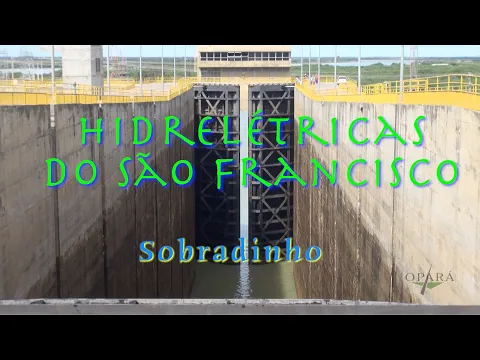
To preserve navigability in the Juazeiro–Petrolina stretch, the project includes a lock, which allows the fleet to overcome the dam’s elevation.
This way, the connection between upstream and downstream of the São Francisco remains operational, even though it depends on level conditions and passage windows.
The infrastructure facilitates regional transport, connects productive chains, and keeps alive the fluvial tradition of the “Velho Chico.”
Territorial Reconfiguration and Memory of the Submerged Cities
The creation of the lake in the 1970s required the relocation of municipal headquarters.
Casa Nova, Remanso, Pilão Arcado, and Sento Sé had original urban areas submerged during the filling process.
Nearly 12,000 families were resettled in new locations planned to accommodate them.
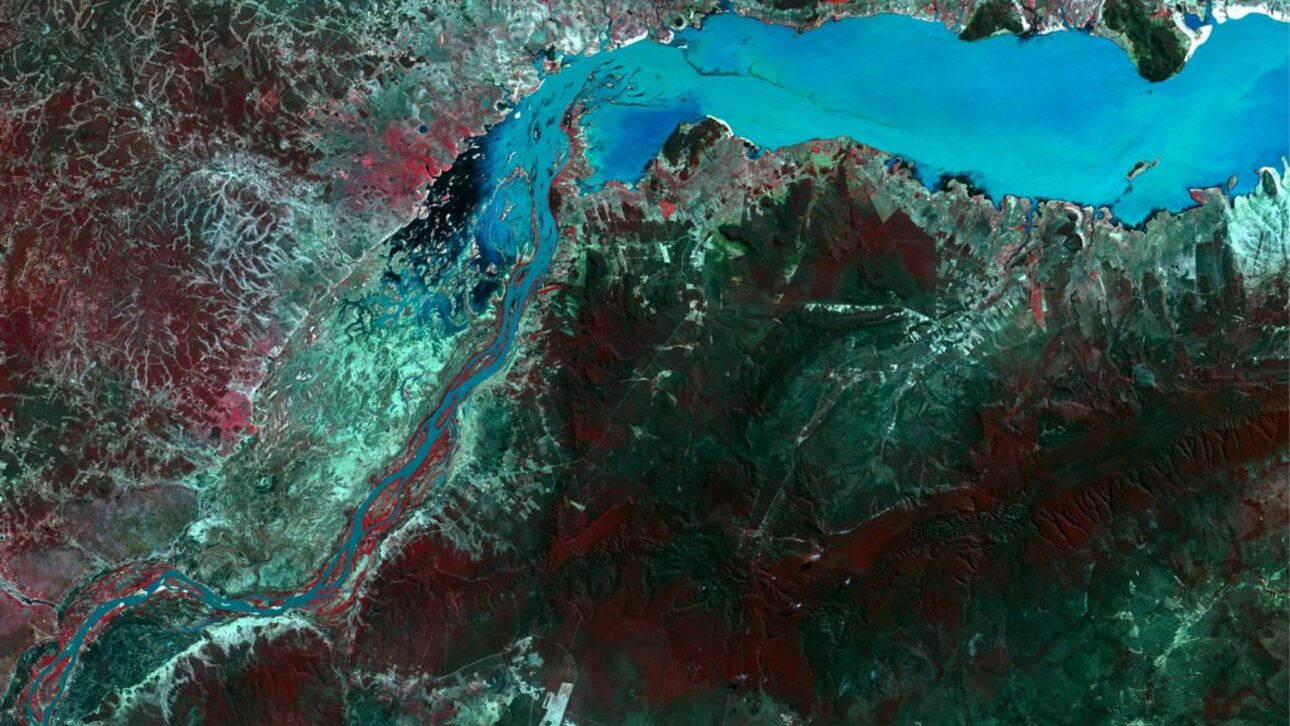
In periods of severe drought, the retreat of the water level reveals ruins that reappear in the landscape and reactivate memories of those who experienced the change.
The social impact continues to be documented in accounts, collections, and research that record material losses, emotional ties, and the reconstruction of identities.
National Comparison and Size Criteria
In terms of flooded area, Sobradinho leads in Brazil.
Reservoirs such as Itaparica and Furnas have significantly smaller surfaces.
The distinction is necessary because different metrics yield different readings: “larger in area” does not mean “larger in volume”.
Technical bodies and studies use the mirrored area as a reference to classify the territorial size of artificial lakes, while the volume explains storage capacity and regulatory function in the electrical and hydrological system.
Environmental Effects and Multiple Uses of Water
The presence of the large water mirror alters local microclimates, softens temperatures in the immediate surroundings, and adds humidity to the air, with effects perceived in agricultural activities.
At the same time, the expansion of irrigation in the São Francisco Valley demands clear rules for withdrawals, permits, and oversight.
The priority for use remains public and multipurpose, with energy generation and flow regulation at the top, without excluding artisanal fishing, community-based tourism, and nautical practices that have consolidated in specific points along the shore.
Dam Safety and Continuous Monitoring
As it operates on a large scale, the reservoir adheres to dam safety protocols and routines for structural and hydrological monitoring.
Contingency plans, inspections, and equipment testing are part of the daily operations of the project, with different procedures for flood and drought periods.
The governance involves electricity sector agencies, water resource managers, and civil defenses, in coordination with states and municipalities in the basin.

Urban Transformations and New Economic Dynamics
The rebuilt headquarters incorporated planned layouts and public services designed for the resettled population.
With the lake as a reference, the local economy has reoriented towards activities compatible with the territory’s water vocation, such as irrigated fruit cultivation, processing, logistics, and services.
These changes have brought ongoing demands for use management of the surroundings, updating cadastral records of areas subject to level variations, and environmental oversight to curb irregular occupations.
Strategy for the Future of the Basin
Five decades after commencing operations, Sobradinho remains crucial for the electric matrix of the Northeast and for the water security of the São Francisco.
Maintaining its multi-year function depends on compatible inflows upstream, coordination among electricity sector agents, and policies for rational water use across the entire basin.
In a context of climate variability, adaptive management of the reservoir is likely to gain relevance, with greater integration between energy planning, irrigated agriculture, and urban needs.
What management paths should be prioritized to balance energy, water, and regional development without compromising the memory of the cities submerged?






A navegabilidade entre Juazeiro e Petrolina não depende de eclusa. As cidades estão ladeadas, ligadas inclusive por uma ponte (Presidente Eurico Dutra). O texto talvez, quisesse se referir ao trecho Juazeiro-Pirapora(MG).
É a falta de REVISÃO da edição…
Juazeiro e Petrolina são cidade GEMINADAS PELO VELHO CHICO, DIVISAS MOLHADAS E NAVEGÁVEIS; ILHAS PONTES ,PRAIAS E ,PROJETOS DE IRRIGAÇÃO EM LARGA ESCALA…
Eu sempre soube que Sobradinho era o maior lago artificial não só do Brasil, mas do mundo.
Great article, thank you for sharing these insights! I’ve tested many methods for building backlinks, and what really worked for me was using AI-powered automation. With us, we can scale link building in a safe and efficient way. It’s amazing to see how much time this saves compared to manual outreach.