





 Portuguese
  English
  Spanish
  5 min of reading
  0 comments


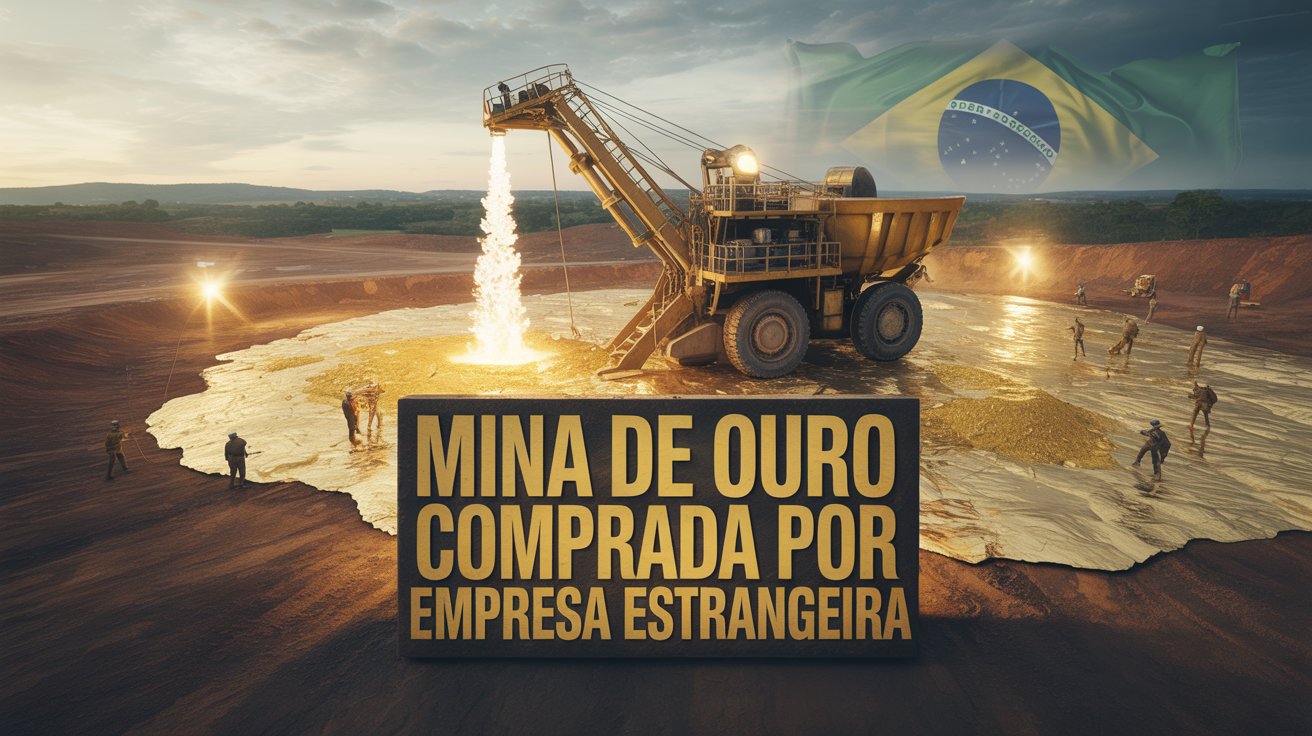
Billion-Dollar Sale of Largest Gold Mine in Goiás Moves the Mineral Market, Attracts International Investors, and Creates Economic and Social Expectations for the Future of the Crixás Region, Driving Discussions on Mining and Sustainable Development.
The largest gold mine in operation in Goiás, Mineração Serra Grande (MSG), located in Crixás, in the north of the state, was acquired by the Canadian multinational Aura Minerals for about US$ 76 million, according to an official announcement made on June 2, 2025.
The transaction value may still undergo adjustments related to working capital at the time of closing the deal.
According to the Goiás Department of Industry and Commerce, Mineração Serra Grande is considered the main gold mining operation in the state and one of the most significant in Brazil.
-
Meta’s new smart glasses are not just for seeing; they use artificial intelligence, analyze your food, summarize messages, and can even change the way you work in professions like engineering.

-
According to an analysis by NASA, only one human-made structure is visible from space, and it is not the Great Wall of China or the Pyramids of Egypt.
-
After 377 years of history, the Brazilian Army will have its first female general: Colonel Claudia Cacho has been promoted to brigadier general by Lula and will receive the sword and command baton this Wednesday in Brasília.

-
A Mercado Livre customer opened their package and found 32 resumes of people looking for jobs crumpled as protective paper inside the box, exposing names, addresses, documents, and phone numbers of dozens of candidates.


Sale of the Largest Gold Mine in Goiás
The agreement, announced by the then South African controller AngloGold Ashanti, is subject to regulatory approval, such as the Administrative Council for Economic Defense (CADE).
The expectation is that the transfer of control of the largest gold mine in Goiás will be completed by the third quarter of 2025.
With the acquisition, Aura Minerals integrates a strategic asset into its portfolio, reinforcing its presence in the Brazilian mineral sector.
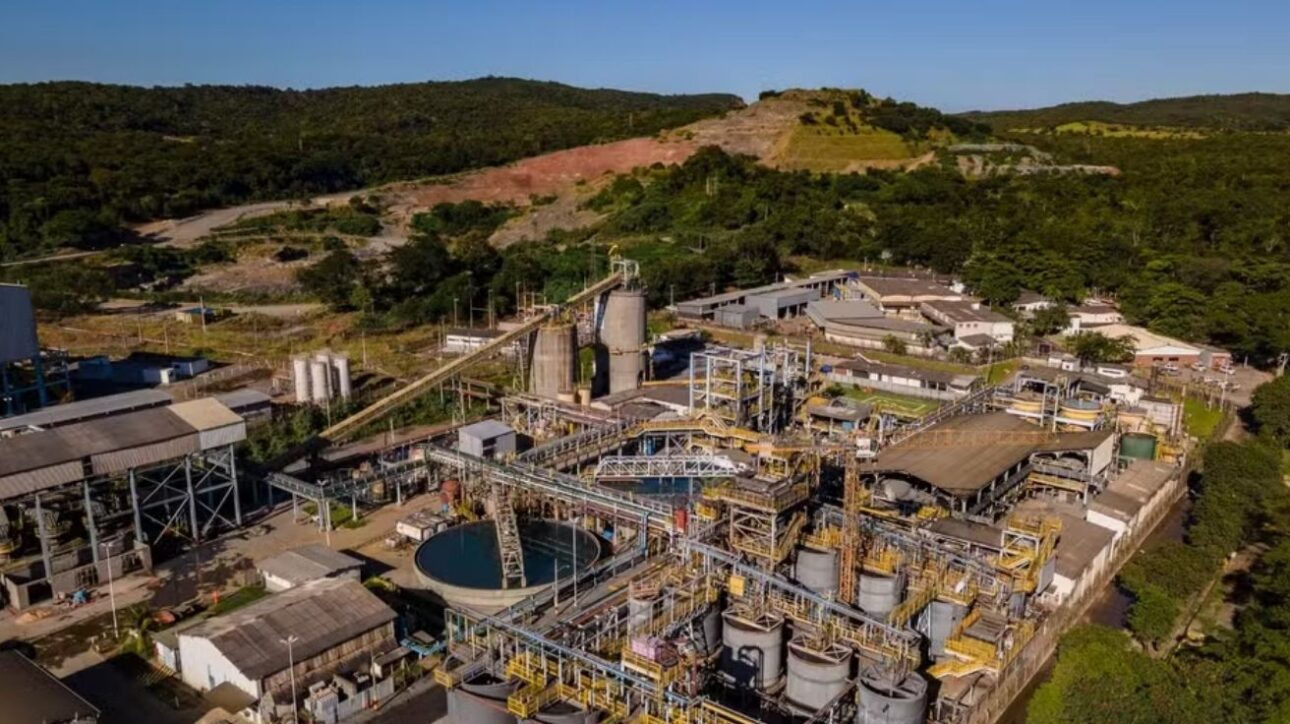
The mine, located in one of the most traditional mining regions in Brazil, has a structure made up of three underground mines – Mina III, Mina Nova, and Palmeiras – in addition to an open-pit mine called Open Pit Corpo V.
It also has a dedicated metallurgical plant with the capacity to process up to 1.5 million tons of ore annually, allowing for the full utilization of production extracted from the operational units.
Structure and History of Mineração Serra Grande
The history of Mineração Serra Grande dates back to the 1970s when the first detailed mapping of the area was carried out, followed by the implementation of a diamond drilling program between 1973 and 1976.
In 1986, mining activity began at Mina III, marking the consolidation of the enterprise.
Three years later, in 1989, the metallurgical plant was inaugurated, which allowed for the advancement of the industrialization of gold extracted in Crixás.
The mine’s production peaked in 2006, reaching 193,000 ounces of gold, reflecting the national and international relevance of the venture.
At that time, AngloGold Ashanti held 50% of the mine’s capital, later acquiring the remaining share from the Kinross Group in 2012 and becoming the sole owner until the recent sale to Aura Minerals.
According to information from December 2024, MSG’s annual production totaled approximately 80,000 ounces of gold.
The site maintains an estimated mineral reserve of 0.37 million ounces, indicating the potential for exploration in the coming years.
Details of the Billion-Dollar Deal
The negotiation for the largest gold mine in Goiás also includes the payment by Aura Minerals of a 3% royalty on the net returns from smelting related to MSG’s current mineral resource, including the entire confirmed reserve to date.
Additionally, the transaction stipulates that AngloGold Ashanti will remain responsible for decommissioning the Serra Grande dam, which is expected to be completed in the coming months, meeting the prevailing legal and environmental requirements.
Another relevant point of the operation is that some subsidiaries of MSG, responsible for assets not directly related to extraction or mineral reserves, will be segregated and will not be part of the transfer to the new controller.
Aura Minerals highlighted in an official note that the focus of the acquisition is on the operational assets and gold reserves of the largest gold mine in Goiás, aligning with its strategy for sustainable growth in the global market.
Impact of Mining in Goiás and Brazil
The Brazilian mineral sector is one of the most traditional and strategic for the national economy, particularly in the state of Goiás, which ranks among the top gold producers in the country.
According to data from the Brazilian Mining Institute (IBRAM), in 2024 Brazil produced over 90 tons of gold, generating billions in export revenue and job creation.
Crixás, in particular, has consolidated itself as a mining and economic development hub, attracting investments and expanding opportunities for the local and regional population.
The sale of the largest gold mine in Goiás also reflects a trend of internationalization and concentration in the sector, a tendency observed in various parts of the world, especially in countries with high mineral potential.
Large multinationals are seeking to expand their assets in Brazil, eyeing both the stability of the sector and the potential for gold appreciation in uncertain global economic scenarios.
According to experts, the acquisition may represent gains in efficiency, an increase in technology, and new investments in the infrastructure of the largest gold mine in Goiás.
The impact on the local economy is significant: in addition to generating hundreds of direct and indirect jobs, there is an expectation of increased municipal revenue, improvements in public services, and development of social projects financed by the companies involved.
Environmental and Social Commitments
The mining activity in Goiás, especially in Crixás, is regulated by strict norms aimed at ensuring the sustainable use of natural resources and the safety of nearby communities.
Both AngloGold Ashanti and Aura Minerals ensured in their statements a commitment to fully comply with environmental, labor, and regulatory obligations.
Among the measures adopted, the decommissioning of dams and constant monitoring of operations to avoid negative impacts on the population and the environment stand out.
The trajectory of mineração Serra Grande illustrates the evolution of the Brazilian mineral sector from the beginning of activities in the 1970s to its consolidation as the largest gold mine in Goiás.
The arrival of Aura Minerals with planned investments and expansion of operations promises to further boost the sector in the coming years, reinforcing Goiás’s position as a leader in gold production in Brazil.
In light of this billion-dollar movement in the mineral market and the changes involving the largest gold mine in Goiás, the question remains: how will this transaction transform the economic and social future of the Crixás region in the coming years?







-

-

10 pessoas reagiram a isso.