






 Portuguese
  Spanish
  2 min of reading
  0 comments


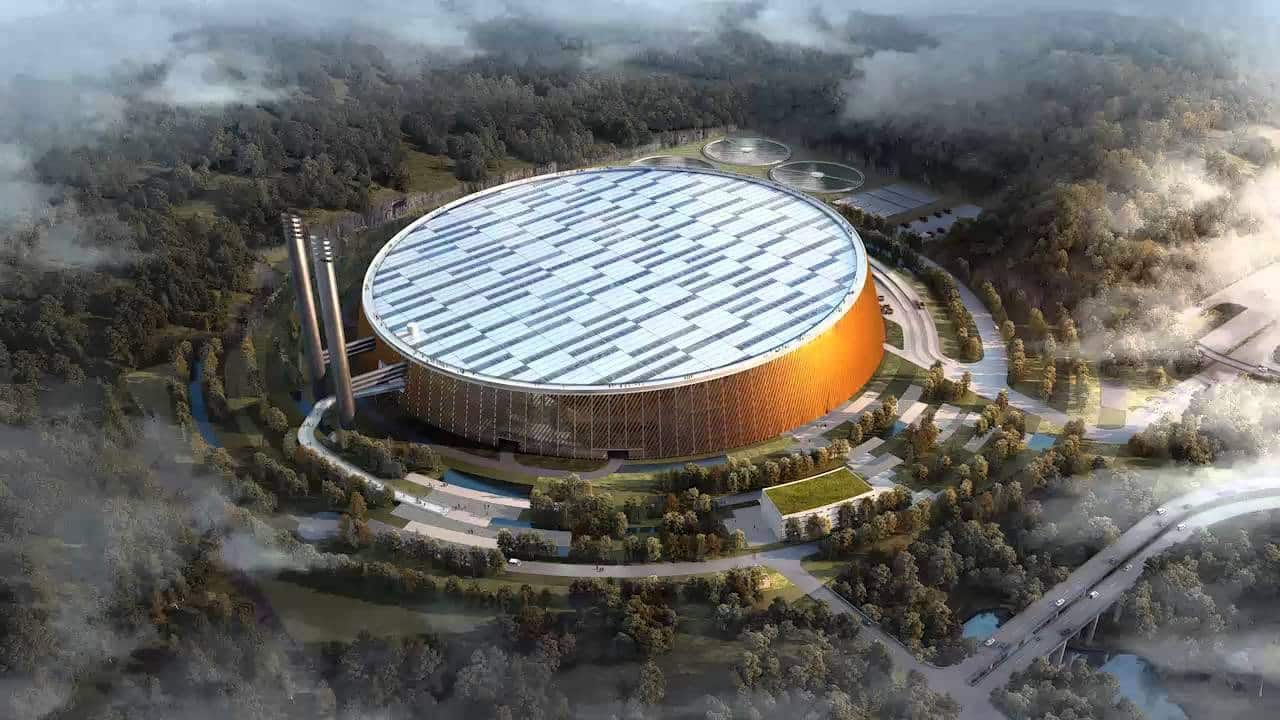
About 16 million households are expected to benefit from the construction of the world’s largest renewable energy park, a project that will be financed by a billionaire.
According to information, the project in question will be built in India and, due to its magnitude, is expected to redefine the possibilities of clean energy, further highlighting the growing commitment to sustainable alternatives.
Five Times The Size Of Paris
The renewable energy park impresses with its size. Named Khavda, the project aims to cover an area five times larger than Paris, the capital of France.
-
Brazilian scientists are simultaneously advancing two research projects on clean hydrogen and driving solutions that could transform the energy matrix, enhance industrial competitiveness, and accelerate large-scale emission reduction targets.

-
Advancement in renewable energy: A R$ 150 million project launched by Petrobras and Finep aims to create state-of-the-art electrolyzers for green hydrogen, strengthening national research and preparing Brazil to compete in a billion-dollar energy market.
-
Illiterate or semi-literate grandmothers were trained to repair solar systems, open rural workshops, and light up homes that still depended on kerosene.
-
The world has bet on green hydrogen as the fuel of the future, but now faces the side effect: producing 1 kilogram requires about 9 liters of ultrapure water, and the largest projects on the planet are precisely in the driest regions of the Earth, where water is already scarce for people.




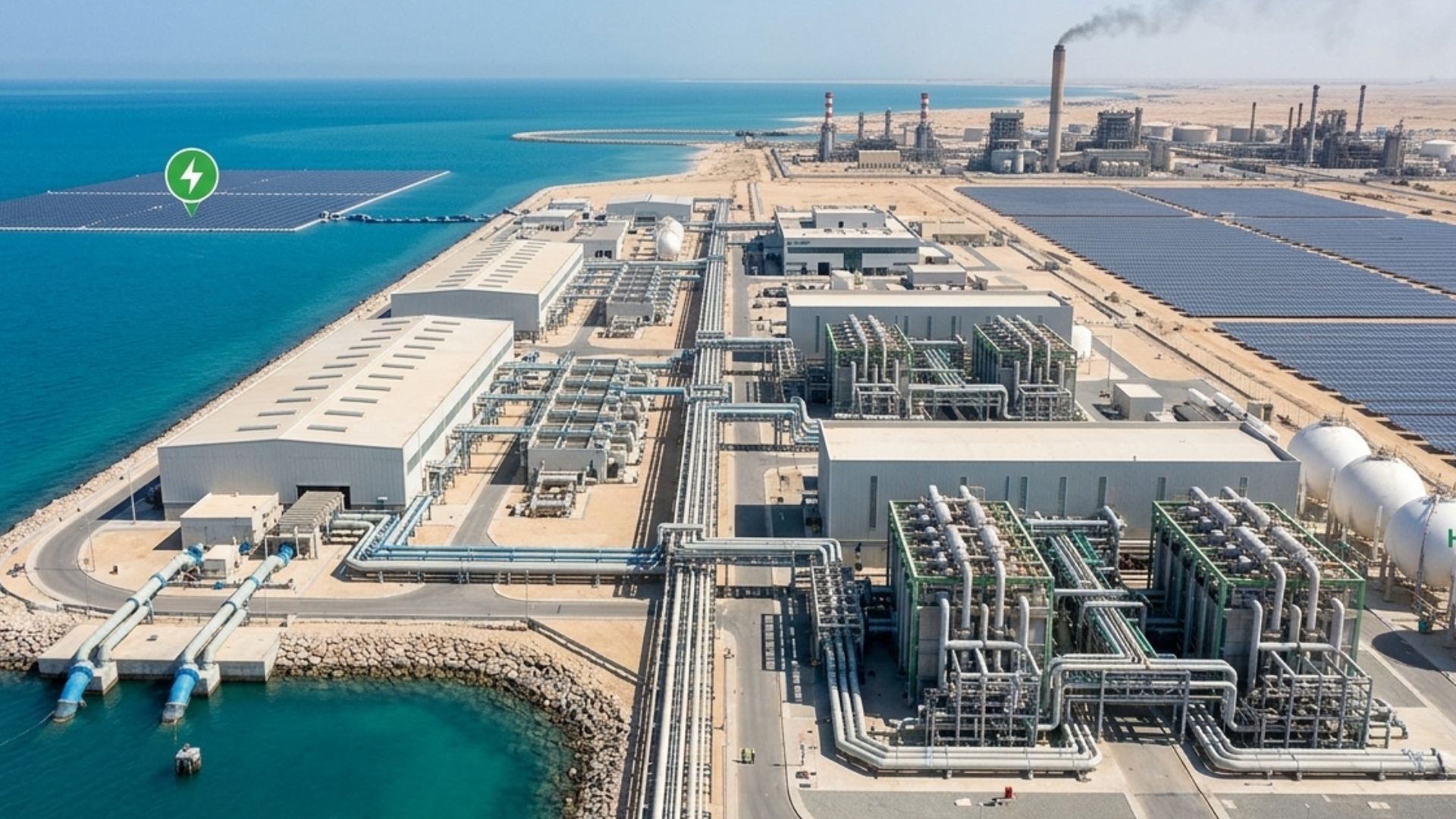
This initiative is led by Adani Green Energy Limited, which is a subsidiary of the Adani Group, which currently dominates the infrastructure and energy market in India and is owned by billionaire Gautam Adani.
In total, the project, which highlights India’s commitment to renewable energy, will cost about US$ 20 billion.
For experts, the renewable energy park project turns out to be a powerful symbol of the balance between economic growth and ecological responsibility in India.
Where The Structure Will Be Located
The renewable energy park will be located in the desert, thus demonstrating that the strategy will be to utilize lands that would otherwise have little value for conventional use.
Furthermore, the initiative benefits the country as it comes to light at a time when India is trying to meet a growing energy demand without increasing its carbon footprint.
Energy Goals In India
Today, the Indian government, led by Prime Minister Narendra Modi, has ambitious goals to transform the country’s energy matrix with a focus on non-fossil sources.
Proof of this is that the country signed a document committing to meeting 50% of the country’s energy needs using renewable sources by the end of this decade. Not only that, but India has also pledged to achieve net zero emissions by 2070.






Be the first to react!