Portuguese
  Spanish



The Loss of Competitiveness in the Automotive Market Was the Reason Presented by the CEO of Volkswagen for the Announced Cuts and Layoffs
The CEO of Volkswagen, Thomas Schäfer, made impactful statements during a meeting in Wolfsburg, informing that Volkswagen has lost its competitiveness due to structures, processes, and tax costs. This revelation raises questions about the future of the German automotive giant, which is already planning substantial cuts and layoffs for 2024, as reported by Estadão.
Schäfer points to the need for a deep revision of the company’s internal structures, processes, and cost reduction and layoffs to restore the competitiveness lost over the years and hopes to remain firm in the market despite challenges.
Planned Cuts and Announcement of Layoffs by the Automaker
In response to the challenges, Volkswagen has outlined plans for cuts and layoffs by 2024. The plan aims to reduce costs by up to 10 million euros, as emphasized by Gunnar Kilian, a member of the Human Resources Board. This reduction will be partially recovered through agreements and early reforms. The anticipation of layoffs is an imminent reality as the German automaker seeks to adapt quickly to changes in the automotive market.
-
Sales of Brazil’s Cheapest Electric Car Halted Before First Deliveries: E-Motors Suspends Emova Easy Due to Import Tax Increase and Rising Freight Costs

-
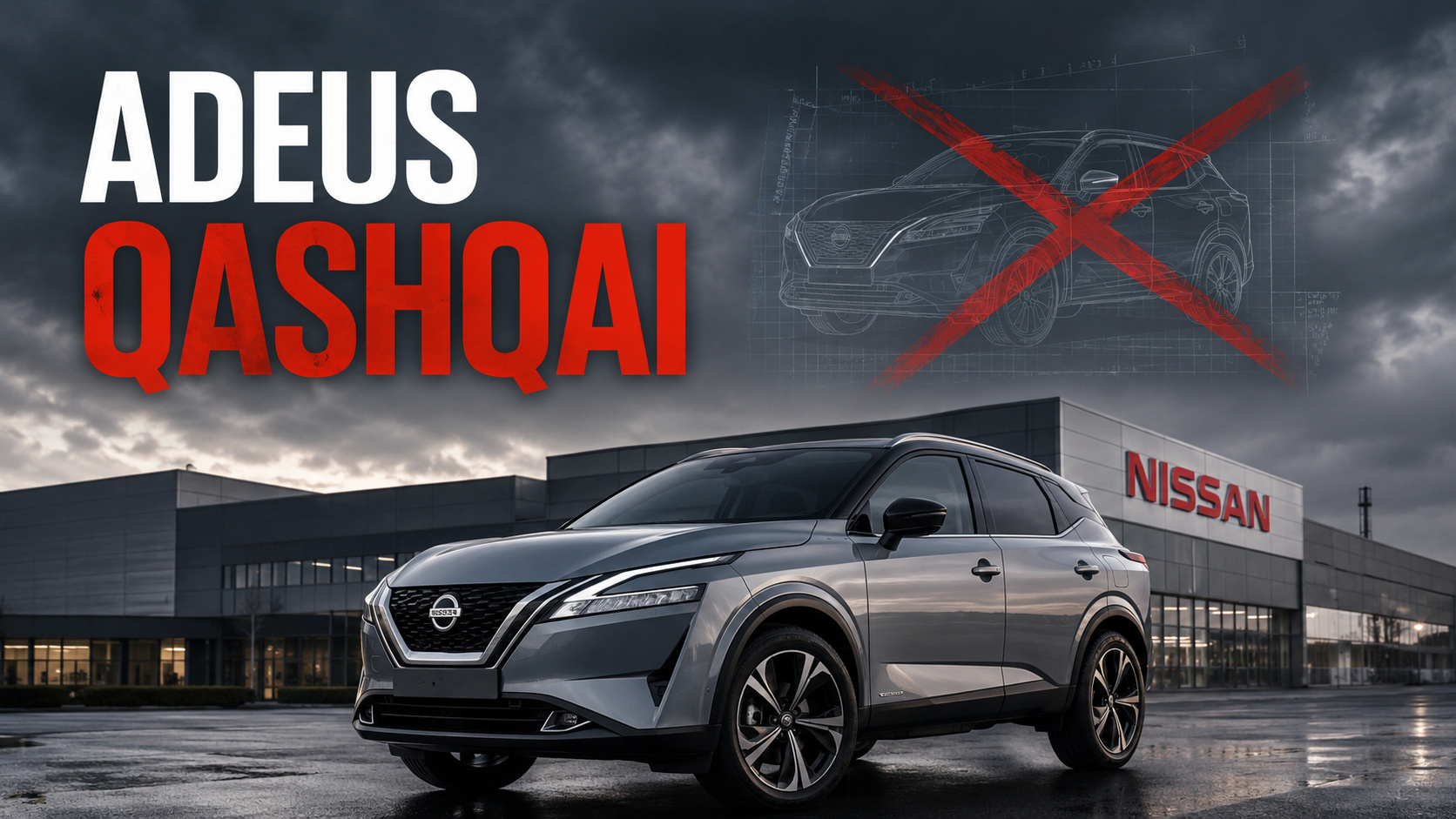
Nissan Discontinues Qashqai SUV Amid Cost-Cutting, Chinese Competition, and Product Line Review

-
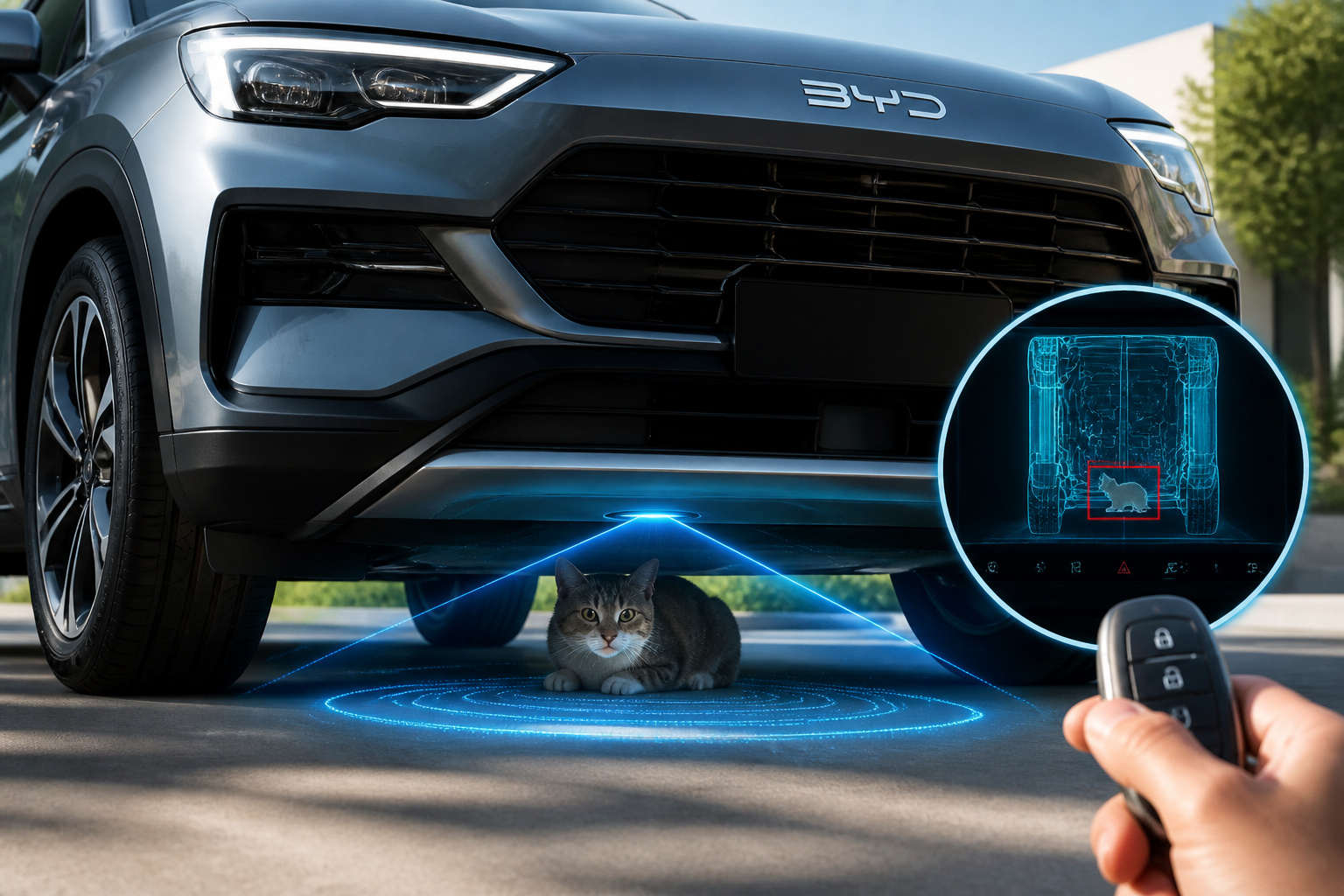
BYD Patents Revolutionary System Using Computer Vision to Detect Animals Under Cars Before Starting, Preventing Tragedies

-
Study Reveals Why Cars Are More Expensive to Produce and Buy in Brazil Compared to Mexico, Highlighting Taxes, Logistics, and Industrial Costs as Key Factors.


In addition to cuts and cost reduction, Volkswagen has already outlined a strategy to transition from combustion vehicles to electric models. This strategic move entails significant investments in the electrification of the fleet. The iconic Golf GTI, beloved by enthusiasts around the world, is being replaced by the ID GTI Concept, which represents Volkswagen’s electric and futuristic vision. This change, while vital for the automaker’s sustainable future, requires substantial investments in technologies and electric infrastructure.
The Impact of the Name of the Automaker Volkswagen
Despite the announcement of cuts and layoffs, Volkswagen has a rich history, being responsible for some of the most iconic and popular cars over the years. Models like the Beetle, Golf, and Passat have become an integral part of automotive culture.
Furthermore, the automaker has a wide range of models, from compact, fuel-efficient cars to premium vehicles and SUVs. This diversity contributes to its relevance in different market segments and is always seeking technological innovations in the automotive industry. Whether in terms of fuel efficiency, safety, or connectivity, VW constantly strives to incorporate cutting-edge technologies into its vehicles.