





 Portuguese
  English
  Spanish
  4 min of reading
  0 comments


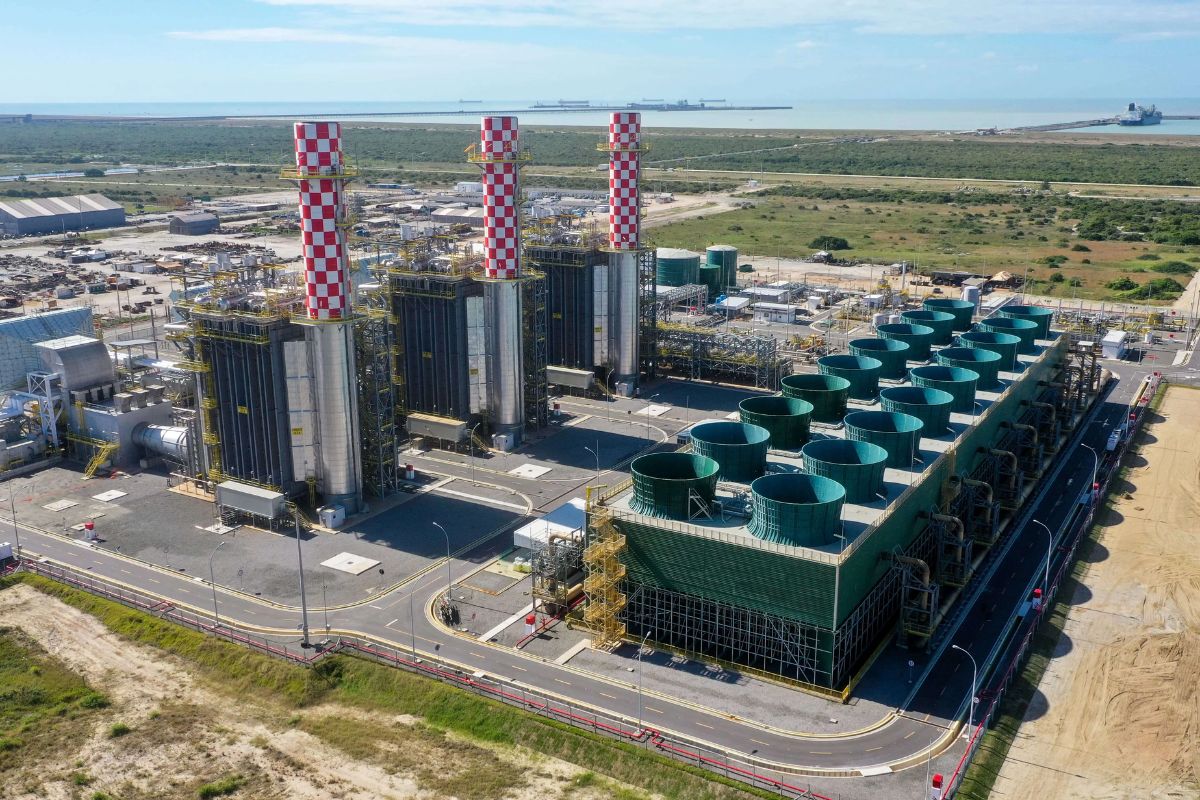
With the Capacity to Supply 8 Million Households, the Largest Natural Gas Thermal Power Plant in Latin America, GNA II, Began Operations in 2025, Marking a New Chapter in National Energy Security.
According to official statements from the National Electric Energy Agency (ANEEL), the GNA II Thermal Power Plant started its commercial operation in June 2025, establishing itself as the largest natural gas thermal power plant in Latin America and a milestone in Brazilian energy infrastructure. Located at the Port of Açu, in São João da Barra (RJ), the plant represents a billion-dollar investment aimed at strengthening the country’s energy matrix, especially in the face of increasing climate challenges.
The project, which is part of the New Growth Acceleration Program (Novo PAC), is a key piece in enhancing the security of the National Interconnected System (SIN). The operational commencement of the largest natural gas thermal power plant in Latin America not only boosts the economy through job creation and investment attraction but also plays a strategic role in the transition to a more diversified and less hydroelectric-dependent energy matrix.
What is the Largest Natural Gas Thermal Power Plant in Latin America and What is Its Capacity?
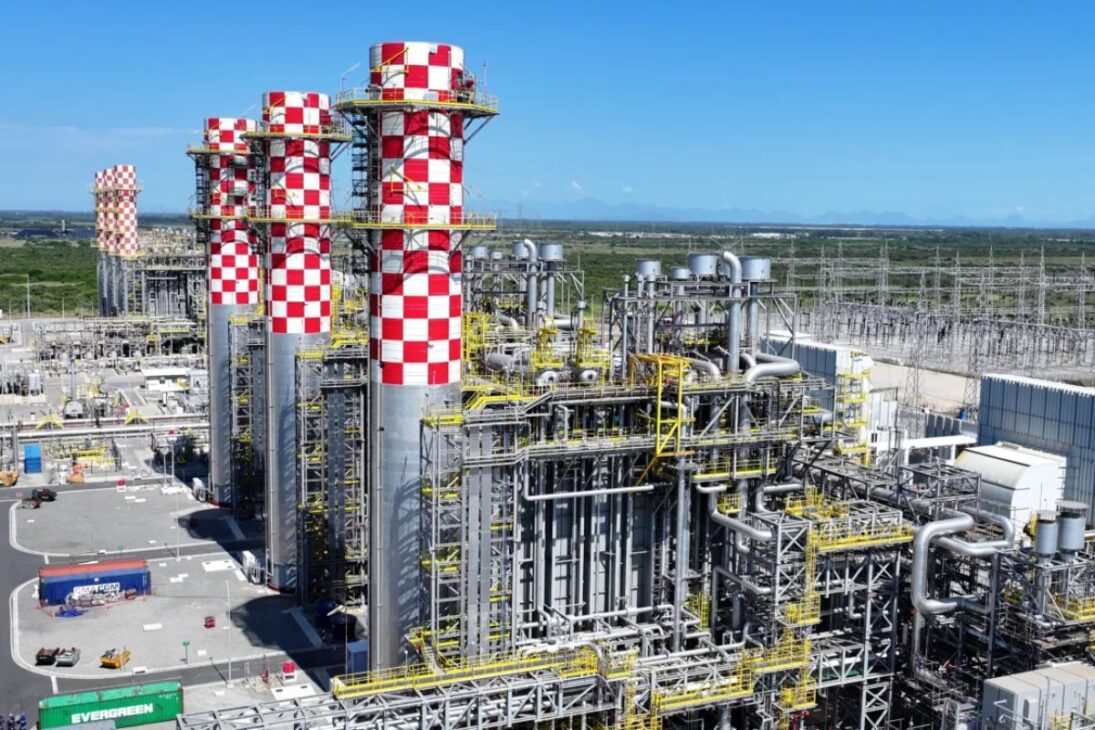
The GNA II Thermal Power Plant generates electricity by burning natural gas. It operates on a “combined cycle” technology, which is highly efficient, utilizing the residual heat from gas turbines to generate steam and drive an additional turbine, producing more energy without consuming additional fuel.
-
Petrobras surprises the world again by announcing a new discovery in the pre-salt with excellent quality oil.

-
Offshore industrial demand in Macaé skyrockets with the recovery of oil and gas and could grow by up to 396% by 2026 in the Campos Basin.
-
Offshore industrial demand in Macaé surges with the recovery of oil and gas and could grow by up to 396% by 2026 in the Campos Basin.
-
Brazilian giant expands borders in the Southeast: Petrobras confirms new oil discovery in ultra-deep waters in the pre-salt of the Campos Basin.


Its numbers are impressive. The plant has a installed capacity of 1,673 megawatts (MW), enough to supply about 8 million households. This capacity is equivalent to the total demand of the states of Rio de Janeiro and Espírito Santo. Combined with its sister plant, GNA I (which has been operating since 2021), the complex becomes the largest gas thermal power park on the continent, with a total capacity of 3 GW, qualifying it as the largest natural gas thermal power plant in Latin America.
The Giants Behind the Project: Who Are the Involved Companies?
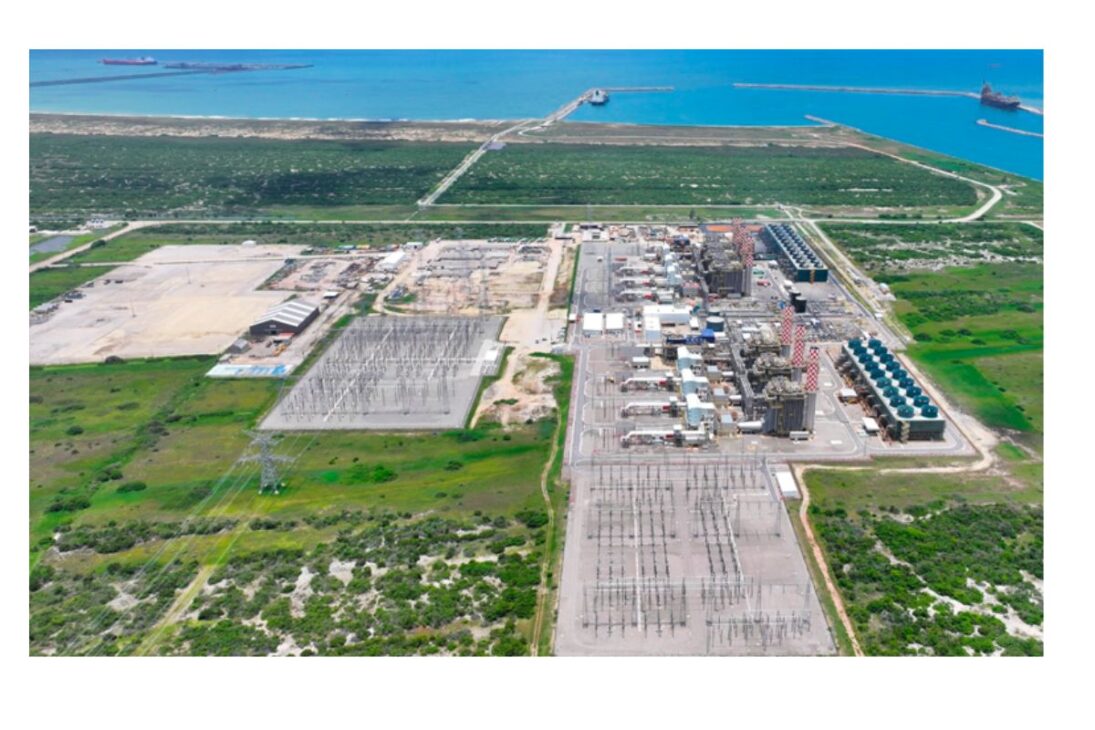
The construction and operation of the largest natural gas thermal power plant in Latin America are the result of a joint venture called GNA (Gas Natural Açu), which brings together giants from the energy and infrastructure sectors.
Prumo Logística: the company controlling the Port of Açu is one of the main shareholders.
BP (British Petroleum): the British energy giant holds a 33% stake in the project.
Siemens Energy: besides being a shareholder, it was responsible for the construction and supply of the turbines under a contract worth €1 billion.
SPIC Brasil: a subsidiary of the Chinese state-owned State Power Investment Corporation, which acquired 33% of the projects in 2020.
The project also received financing of R$ 2.4 billion from BNDES, approved in December 2022, and Andrade Gutierrez was a partner in the civil works.
The Journey of an Engineering Milestone: From Project to Operation
The journey of the largest natural gas thermal power plant in Latin America was a years-long process marked by complex planning and significant engineering milestones.
January 2022: the groundbreaking ceremony for the plant was held at an event attended by then-President Jair Bolsonaro and the Minister of Mines and Energy, Bento Albuquerque.
April 2023: the project reached an important milestone with the delivery of the first of the three gas turbines from Siemens.
The Economic and Social Impact in Rio de Janeiro and Brazil
The impact of the largest natural gas thermal power plant in Latin America goes beyond energy generation. During the construction phase, the project created over 10,000 jobs, a significant boost to the economy of North Fluminense, a region with high unemployment rates.
The total investment in the plant was R$ 7 billion, part of a complex that, combined with the LNG terminal, exceeds R$ 8 billion. This injection of private capital, with participation from international companies, reinforces confidence in Brazil’s energy infrastructure and boosts the local and national economy.
The Strategic Role in the Country’s Energy Transition
The largest natural gas thermal power plant in Latin America plays a crucial role in Brazil’s energy transition. In a country where about 60% of electricity comes from hydropower, reliance on rainfall is a constant risk. Gas thermal power plants, such as GNA II, offer a stable, dispatchable energy source, meaning they can be activated quickly to ensure grid stability during dry periods.
According to the Ten-Year Energy Expansion Plan (PDE) from EPE, gas plants are essential to complement the generation of intermittent renewable sources like wind and solar. By replacing more polluting sources, such as coal and oil, the largest natural gas thermal power plant in Latin America contributes to a cleaner and safer energy matrix, helping Brazil move towards a more sustainable future.
What is your opinion on the role of thermal power plants in the Brazilian energy matrix? Leave your comment.










Seja o primeiro a reagir!