





 Portuguese
  English
  Spanish
  4 min of reading
  0 comments


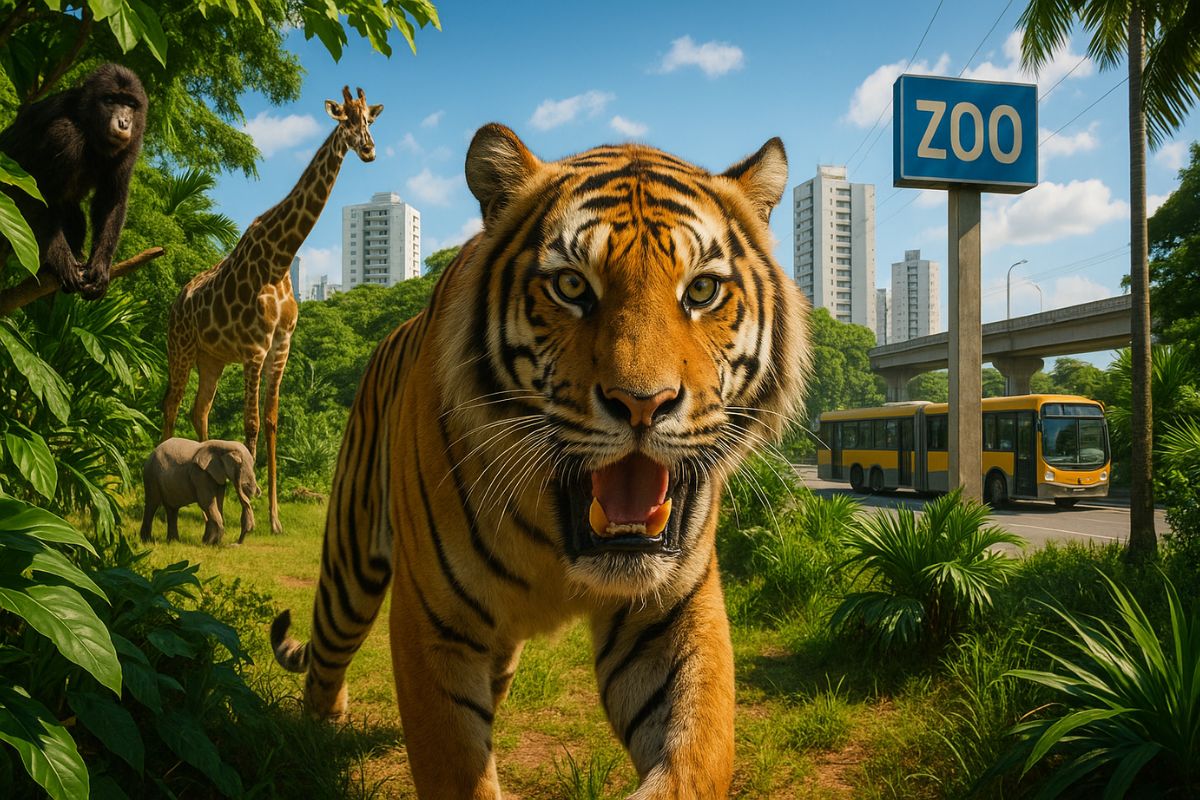
Largest Zoo in Brazil Occupies 825 Thousand m² in São Paulo, Houses More Than 3 Thousand Animals and Holds Stories That Span Generations.
The Largest Zoo in Brazil is located in São Paulo, within the Ipiranga State Park, and impresses with its size: 825 thousand m² of green area in the heart of the capital. Among trails of Atlantic Forest and spacious enclosures, visitors will find more than 3 thousand animals from dozens of species, in a space dedicated to conservation, research, and environmental education.
More than just a visit, the Largest Zoo in Brazil serves as an open-air laboratory.
Reproduction and wildlife rescue projects, educational actions, and continuous infrastructure improvements have made the location a reference for those who want to understand, up close, the challenges of protecting biodiversity without leaving the city.
-
A gigantic dam project in the Himalayas could solve one crisis but silently create another for millions of people.

-
Nikola Tesla said that intelligent people tend to have fewer friends, and now science partially confirms this: a study with over 15,000 people showed that for the more intelligent, socializing too much can even reduce life satisfaction.

-
A superyacht worth US$ 17 million is delivered in impeccable condition, sets out to sail, and hits a bridge in the Bahamas just two hours later.

-
Residents of Australia woke up to a sky completely red like blood before the arrival of Cyclone Narelle, which hit the coast with winds of 250 km/h, tearing off roofs and lifting iron dust in a scene they described as apocalyptic.


Where It Is and Why It Is “The Largest”
Located in the southern zone of São Paulo, the park occupies a strategic slice of the green belt of the capital. The 825 thousand m² create an “immersion effect”: within the zoo’s boundaries, the urban landscape gives way to areas of Atlantic Forest, with wild birds freely flying around and springs that help maintain the microclimate.
The title of Largest Zoo in Brazil is not just for its size. The combination of area, species diversity, and a set of supporting structures such as thematic enclosures, management centers, and nurseries solidifies the park’s prominence in the national scene.
A Walk Through History: From 1957 to the Present
The story begins in 1957, with the project to create a zoo that would unite leisure, science, and environmental education in São Paulo.
Opening to the public in 1958 transformed the space into a popular attraction and reference center for Brazilian and exotic wildlife.
Among the first inhabitants were Amazonian species and felines that sparked public curiosity.
Over the decades, the park accumulated colorful characters and picturesque episodes, such as the rhinoceros Cacareco, a symbol of a historic protest vote in the city.
Behind the curiosities, the technical focus grew, with teams and partnerships that began viewing research and conservation as a permanent mission.
Conservation, Research, and Environmental Education
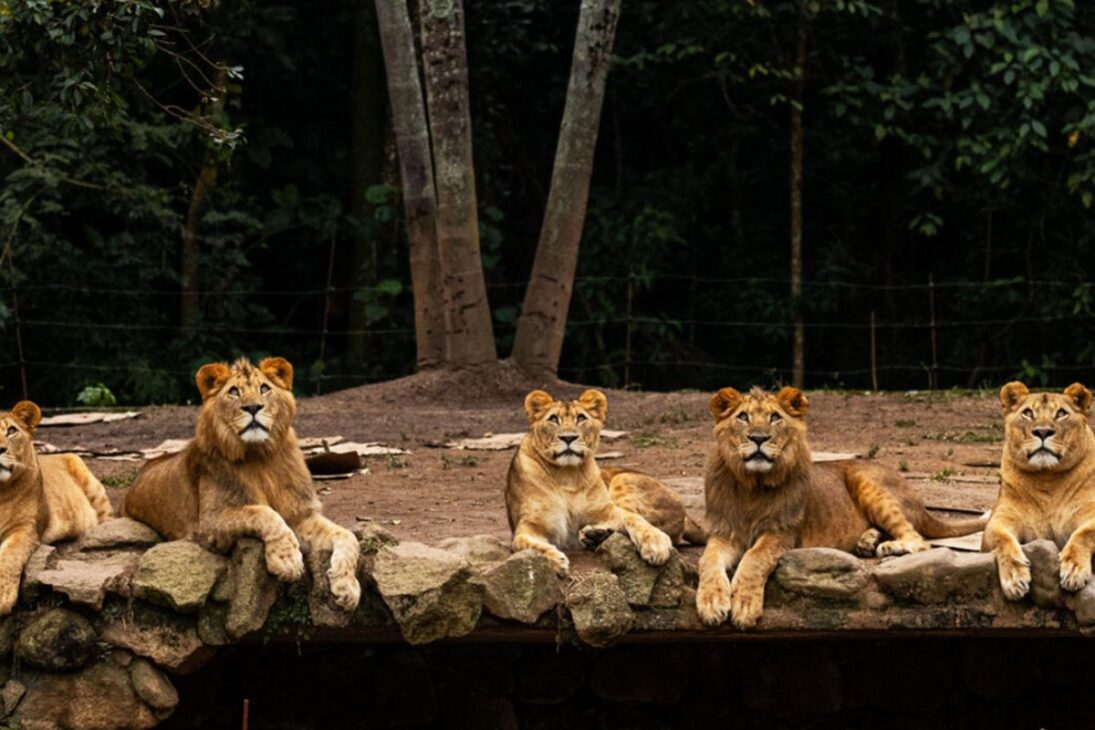
Daily work includes species reproduction programs, triage and rehabilitation of animals, as well as welfare protocols that seek more complex enclosures and environmental enrichment.
The goal is clear: to bring the public closer to science, explaining why habitats, food, and behavior matter for wildlife survival.
In education rooms and along the paths, guided tours, educational materials, and school activities expand the content’s reach.
For many children, it is the first contact with native animals like the giant anteater and the maned wolf—a powerful starting point for fostering environmental awareness.
Structure, Visitor Experience, and Differentials
The visit begins right at the entrance: ample signage, shaded routes, and enclosures that prioritize visibility without stress assist in circulation.
The park integrates aviaries, areas for large mammals, and serpentariums, along with support points for rest and food.
The goal is to balance welcoming the public with the comfort of the animals.
Another differential is being within a real fragment of Atlantic Forest. This allows observation of both the resident fauna and free species that use the park as an ecological corridor.
The feeling is of a “jungle in the city”, which gives the visit a character of continuous discovery.
Behind the Scenes and Operations: What Keeps the Giant Standing
Maintaining the Largest Zoo in Brazil requires daily logistics: preparation of specific diets, veterinary monitoring, cleaning enclosures, and maintaining hydraulic and electrical systems.
Long-term planning and technical protocols ensure that each species receives the proper management.
In recent years, the park has undergone phases of modernization and operational reorganization, with improvements in enclosures, interpretive routes, and visitor services.
The guideline is clear: to enhance quality, safety, and education, while maintaining the zoo’s identity as an environmental asset of the city.
Curiosities That Made History
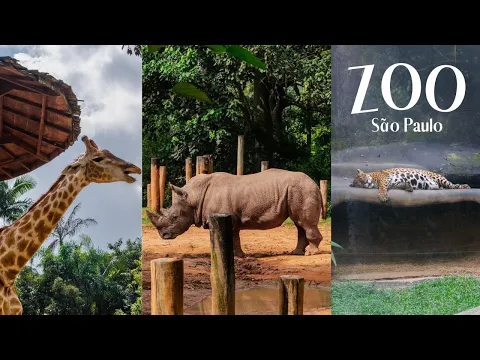

Few places have such a diverse gallery of stories. The “election” of the rhinoceros Cacareco became part of the folklore of São Paulo as a political satire with national reach.
On another front, births and rehabilitations of beloved species have produced touching chapters and reinforced the park’s role in conservation.
These narratives help explain why the zoo has become part of the emotional memory of São Paulo residents: generations return to the park to revisit paths, introduce their favorite animals to family, and keep up with new arrivals each year.
Future Planning: Modernizing Without Losing Essence
The next steps prioritize more naturalized enclosures, educational trails, and immersive experiences that connect science with responsible entertainment.
The evolution involves applied research, training monitors, and partnerships focused on welfare, genetics, and reintroduction, when possible.
The goal is to remain a national reference, reconciling the park’s historical vocation with contemporary visitation expectations and wildlife protection.
The more the public understands the behind-the-scenes, the greater the social support for conservation.
The Largest Zoo in Brazil is, at the same time, a showcase, classroom, and conservation laboratory in the heart of the country’s largest metropolis.
Seeing biodiversity up close raises questions that no book answers alone and this is the greatest value of the park for the city and for environmental education.
For you, what is the greatest role of the Largest Zoo in Brazil today: family leisure, environmental education, or conservation of endangered species?
Share your experience and what marked you the most during your visit.









-

-

-

-

10 pessoas reagiram a isso.