





 Portuguese
  English
  Spanish
  4 min of reading
  0 comments


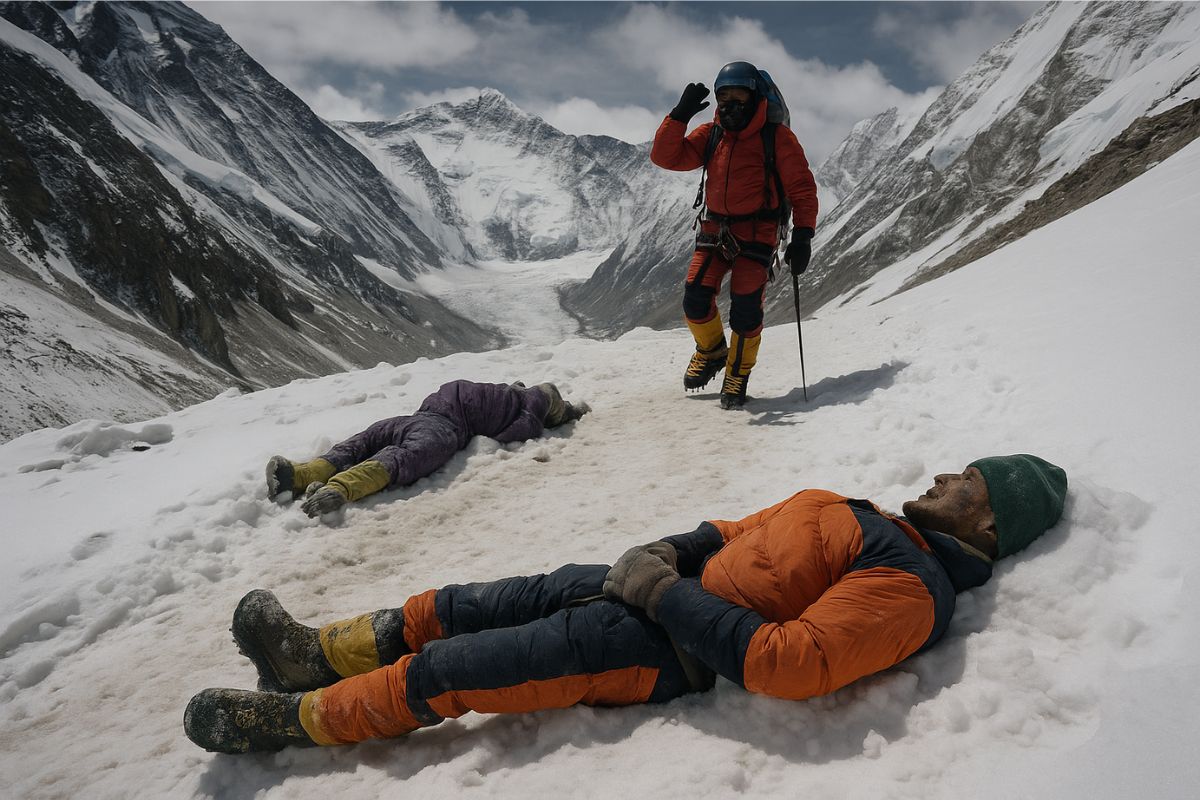
It’s Not a Horror Movie: Hundreds of Frozen Corpses Remain on Everest While New Climbers Pass by Them Heading to the Summit
Climbing Mount Everest, with its impressive 8,849 meters, is a feat that challenges physical and psychological limits. Every year, adventurers from various parts of the world attempt to reach the summit of this giant rock, but not everyone manages to come back alive. It is estimated that more than 330 people have lost their lives in the climb, and about 200 bodies remain frozen, exposed to the elements, due to the extreme difficulty of rescue. This is a little-known fact, but known by those who have faced the mountain: there is an unspoken rule among climbers to leave the dead behind, a decision that mixes respect, survival, and pragmatism.
Why Do the Bodies Stay Behind?
The difficulty of retrieving the bodies is enormous. The thin air above 7,000 meters, in the so-called “death zone,” makes any rescue effort a high-risk operation that could cost the life of those trying to help.
The oxygen, which is already scarce, is reduced to only one quarter of what the body needs to function normally, and the combination of intense cold, treacherous terrain, and lack of oxygen makes any rescue mission nearly impossible. The combination of extreme cold, treacherous ground, and physical exhaustion renders any attempt at rescue nearly suicidal. At such high altitudes, even simple tasks require superhuman effort, and carrying a body, even for a few meters, can cost the life of the helper.
-
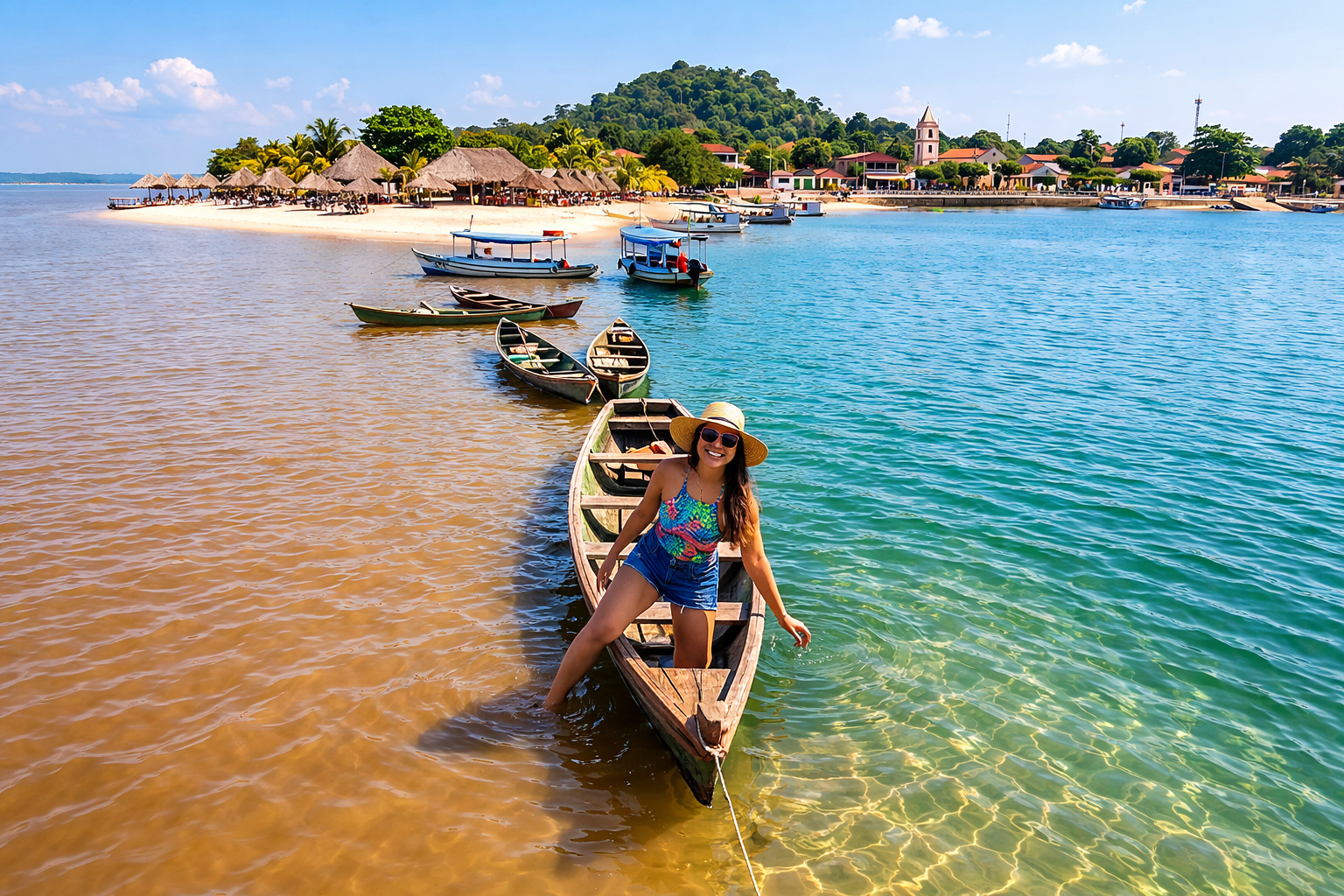
The village where two rivers run side by side without mixing in Santarém and Alter do Chão reveals some of the most beautiful freshwater beaches on the planet.
-
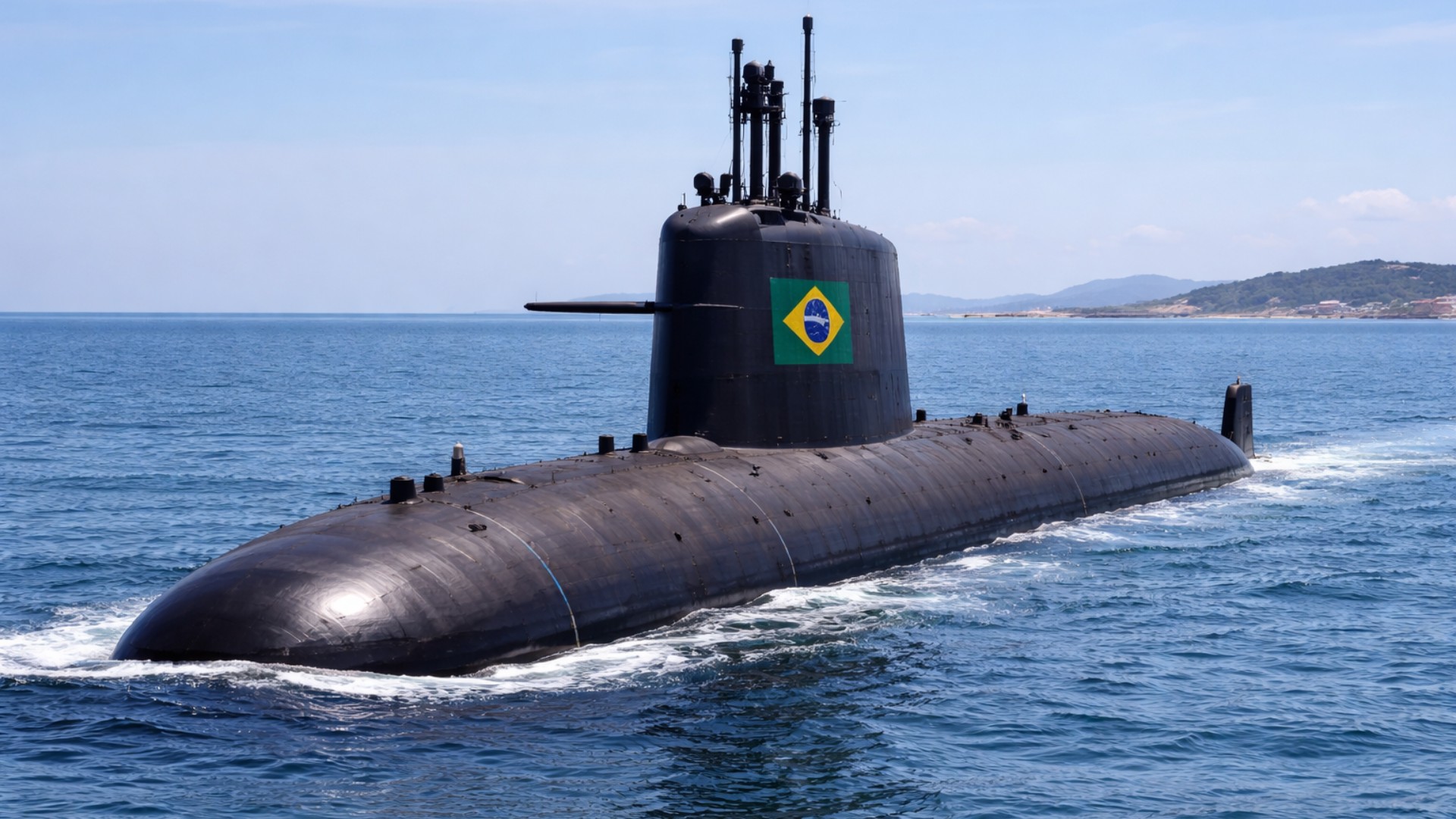
Brazil’s nuclear submarine with a speed 5 times greater than normal advances after nearly 50 years and R$ 40 billion spent.
-
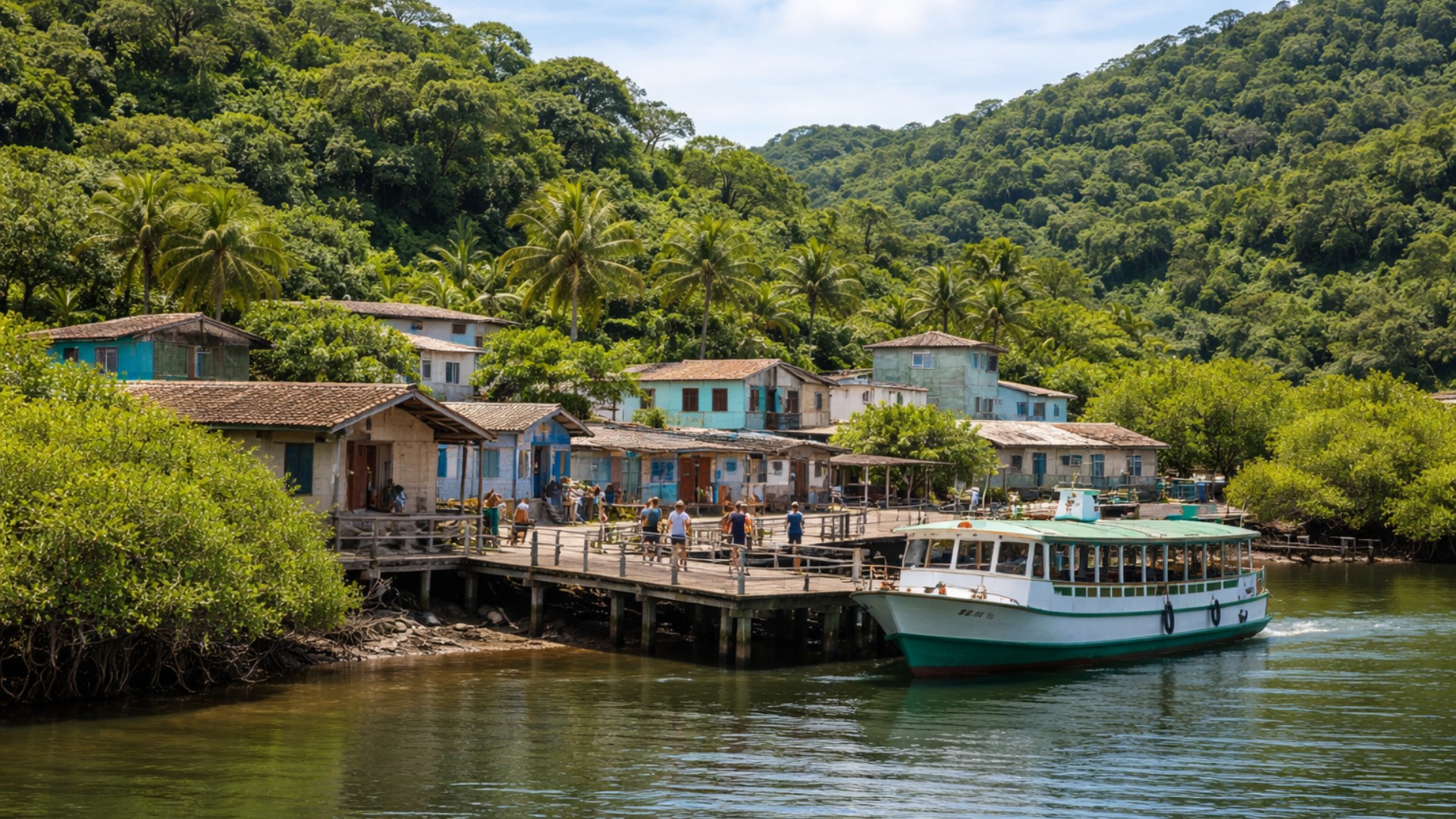
A Brazilian island charges R$ 0.50 to receive visitors and prohibits any new residents.
-
Why was the Great Wall of China built? The truth that many are unaware of!

The most well-known is that of Tsewang Paljor, nicknamed “Green Boots.” His body, found on the Everest trail, has become a sort of landmark for climbers, a sad reference point that reminds them of the dangers along the way.

A Testimony That Brings the Reality of Everest
Bonita Norris, a British climber who reached the summit of Everest in 2010 at age 20, shared her experience in a recent interview with UNILAD. She recalled moments of near-death and the impact that this “hidden rule” had on her perception of climbing.
“When you do what I do, which is go into the death zone, it’s incredibly hard to rescue someone up there, because you’re just putting more people’s lives at risk,” Bonita said, who was rescued nearly unconscious and frozen during her adventure. For her, the most important thing is not reaching the top of the mountain, but getting back home safely.
The Death Zone: A Challenge for Body and Mind
At extreme altitude, the body suffers from a cruel lack of oxygen that can lead to heart attacks, strokes, and other fatal illnesses. Dr. Jeremy Windsor, who has climbed Everest, explains that the atmospheric pressure in this region is so low that the available oxygen corresponds to one quarter of what we breathe at sea level, a true test for human endurance.
This scenario creates a cruel dilemma for climbers: helping someone in distress may mean sacrificing their own survival. Therefore, the unwritten code prioritizes the safety of the living, even if it means leaving behind those who did not survive.
What This “Rule” Reveals About Climbing
This practice, although painful, is a brutal reminder of what it means to face Mount Everest. Every day there is a struggle between life and death, and the decision to abandon bodies on the mountain is a silent pact to preserve as many lives as possible. Bonita sums up this sentiment well:
“When you wake up every morning on the mountain, everything is so intense; every day is life and death. It gives you that presence of mind, a recalibration of your expectations. What matters is not the summit, but returning home safely.”
Context and Updates on Climbing Safety
In recent years, the increase in the number of climbers on Mount Everest has raised additional concerns about safety and rescue. According to a report by BBC, the excess of people on the climbing routes has increased risks, even delaying rescues and worsening conditions for those in urgent need of help.
In addition, recent initiatives focus on improving oxygen equipment and communication to minimize risks and increase the chances of quick rescues. Still, the physical and moral challenge remains: the decision to try to save or preserve one’s own life in such an inhospitable environment.
For those wanting to understand more deeply the dangers of Mount Everest, the official site of the Himalayan Database maintains detailed statistics on accidents, routes, and fatalities, providing a reliable source for research and reflection.
The Cost of Adventure at the Top of the World
Climbing Mount Everest is, for many, the pinnacle of personal achievement, an epic challenge against nature and one’s own limits. However, the price of this achievement is often too high. The “code” that forces climbers to leave bodies behind is not just a practical matter, but a painful lesson about the value of life in an extreme scenario.
If you are interested in stories of courage and human challenges, leave your comment below and share this article with anyone who also wants to understand the behind-the-scenes of this dangerous adventure.






-

-

-

-

-

-

59 pessoas reagiram a isso.