





 Portuguese
  English
  Spanish
  2 min of reading
  0 comments


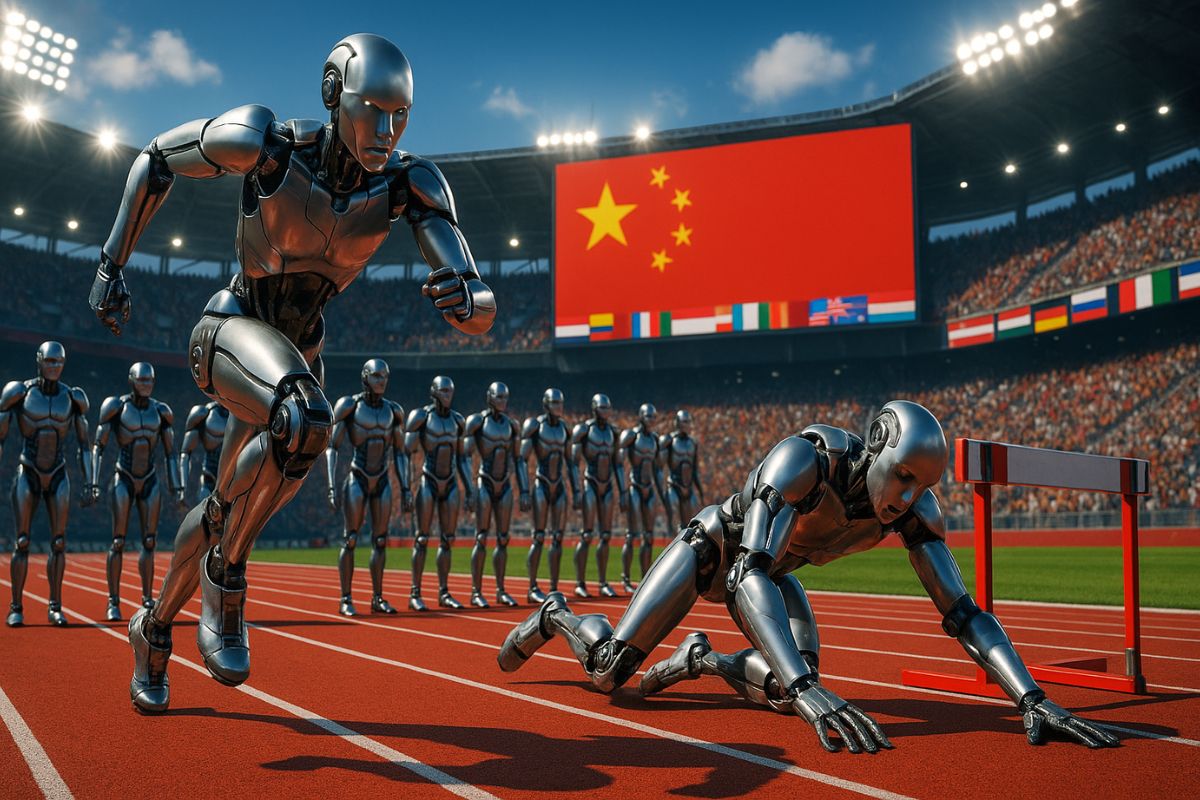
Beijing Debuts Humanoid Robot Olympics. First Edition Brings Together Over 500 Mechanical Competitors From 16 Countries, With Events Ranging From Athletics to Kung Fu
The Humanoid Robot Olympics began this Friday in Beijing, marking a historic moment for global robotics. Held at the National Speed Skating Oval, built for the 2022 Winter Olympic Games, the event brings together over 500 robots from 16 countries in competitions that mix traditional sports and technical tasks. Events range from hurdle races and soccer matches to specialized activities like sorting medications and cleaning environments.
According to information from Globo 100, the Chinese government considers humanoids a national strategic priority, integrating the robotics and artificial intelligence sector into its long-term investment plan. The goal is to place China at the global forefront of this segment in the coming decades.
How the Humanoid Robot Olympics Works
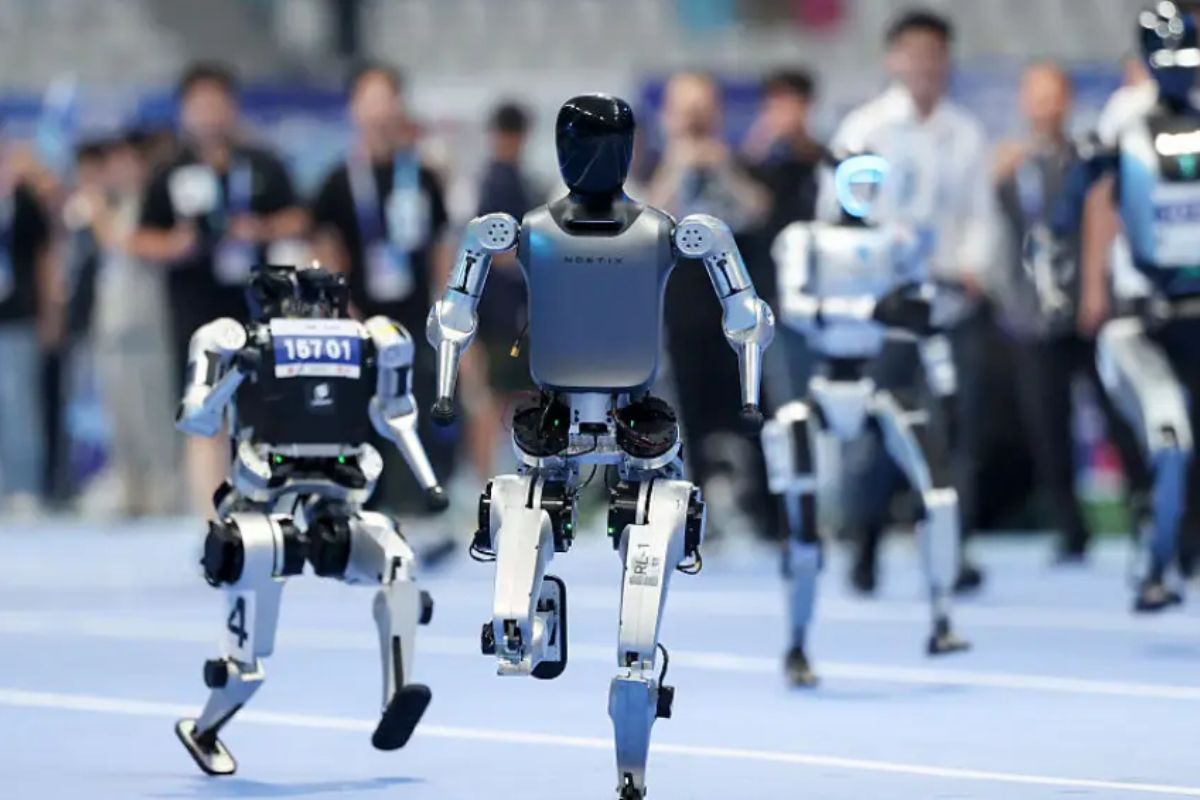
The tournament is the world’s first dedicated exclusively to machines with human-like appearance and movements. There are athletics events, such as the 100 and 1,500-meter races, as well as team sports like basketball and 3×3 soccer. In some modalities, the performance is impressive; in others, the mechanics still limit speed and precision.
-
Archaeologists are retrieving monumental blocks weighing up to 80 tons from the depths of the Mediterranean Sea, from the legendary Lighthouse of Alexandria, one of the Seven Wonders of the Ancient World, and now scientists want to digitally reconstruct its lost splendor.

-
A geologist teaching students to map the bottom of the Baltic Sea identified something unusual on sonar in 2021: a line of stones meandering for almost 1 kilometer at a depth of 21 meters, revealing the largest megastructure of the Stone Age ever found in Europe, about 11,000 years old, built by hunters when the Baltic Sea did not yet exist.
-
Mongol ship sunk 745 years ago emerges in excavations with sword, arrows, and relics from the 1281 invasion of Japan, destroyed by the first “kamikaze” in history.

-
Brazil develops a 50-meter boat capable of producing its own fuel at sea by transforming water into green hydrogen through electrolysis; this unprecedented project seeks energy autonomy and could redefine naval propulsion.


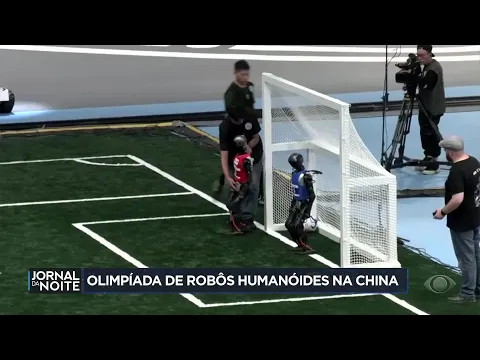
In the 1,500-meter race, for example, the fastest robot finished in 6 minutes and 29 seconds, time well above the human record, but considered a relevant advance by the industry. In soccer, child-sized robots demonstrated basic coordination but with falls and slow movements.
Strategic and Economic Importance

The Olympics reinforce China’s status as a technological powerhouse: the country already holds the largest industrial robot market in the world and, since March, has announced billion-dollar investments in robotics and AI startups. Events like these serve as a technological showcase and attract investors and companies interested in partnerships.
Experts emphasize that, despite current limitations, the annual advancement of humanoid robotics is exponential. In about 10 years, it is expected that the coordination and capability of these machines will approach those of humans, expanding their use in industries, services, and even in recreational sports.
What to Expect for the Future
The International Federation of Robotics closely monitors the performance and evolution of these technologies. Beyond the sporting spectacle, the competition serves as a laboratory for developing movement software, mechanical resistance, and human-robot interaction.
If the goal is to turn humanoid robots into allies of everyday life, events like this Olympics are crucial to accelerating innovation, testing limits, and inspiring new commercial and social applications.
And you? Do you believe humanoid robots will compete on equal terms with humans in less than a decade? Or do you think technology is still far from that? Leave your opinion in the comments.







-

-

-

-

-

-

42 pessoas reagiram a isso.