





 Portuguese
  English
  Spanish
 3 min of reading
  1 comment





With Registrations Open Until November 7, The Government of Pernambuco Offers Almost Ten Thousand Vacancies in 29 Free Technical Courses Distributed Across 41 Cities, Prioritizing Students from Public Schools.
The state of Pernambuco announced the opening of 9,891 free vacancies in technical courses integrated with high school, aimed at students who will begin their 1st year in 2026. The selection process for the State Technical Schools (ETEs) is the largest of its kind in the state and seeks to train qualified professionals in strategic areas such as technology, health, energy, and design.
Registrations can be made online until November 7, and the schools will provide in-person support for those who do not have internet access. The state network has 56 active units, offering programs in all regions, reinforcing the commitment to decentralize technical education and bring young people from different municipalities closer to the job market.
Structure and Reach of the Vacancies
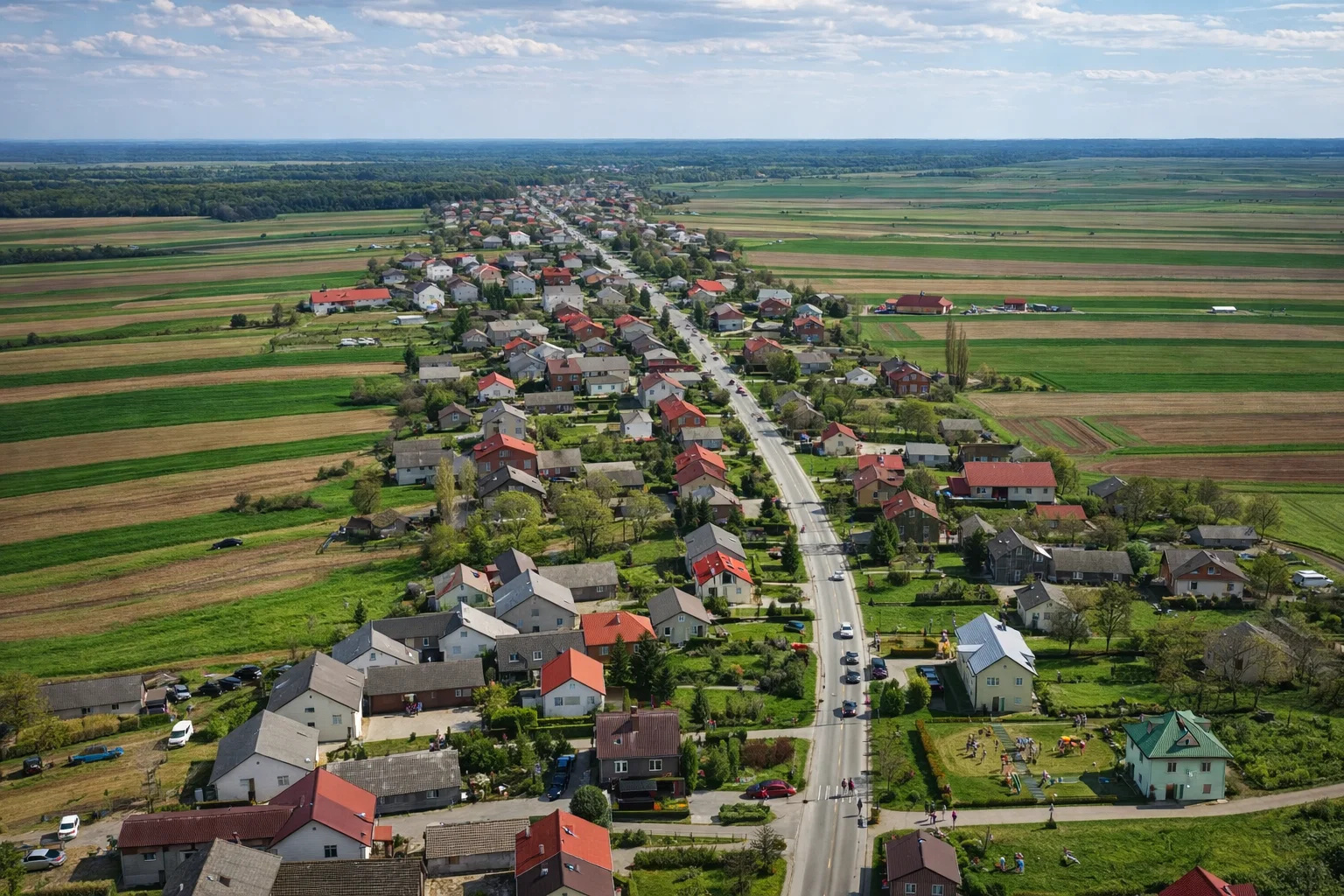
The opportunities extend across 41 cities in Pernambuco, including Caruaru, Petrolina, Garanhuns, Arcoverde, Paulista, and Serra Talhada, as well as the Metropolitan Region of Recife.
-
Federal Institute launches free course on Inclusive Education for 100% online training and certificate from IFRO.

-
Federal Institute opens over 700 vacancies in free technical courses in Civil Engineering, Mechanics, Electrotechnics, Computer Science, and Nursing; see how to enroll and study at IFPB.

-
Become a professional in logistics, mechanics, computer science, chemistry, or gastronomy at the Federal Institute: Ifes opens more than 1,000 spots in free technical courses with selection without an exam.

-
Take a 100% online and free course at Itaú: Foundation releases 156 options with certificates, registrations open for all of Brazil, unlimited access, areas such as technology, education, and management, and a flexible schedule without tutoring.


The adopted teaching model is that of full-time, combining technical training with traditional high school subjects.
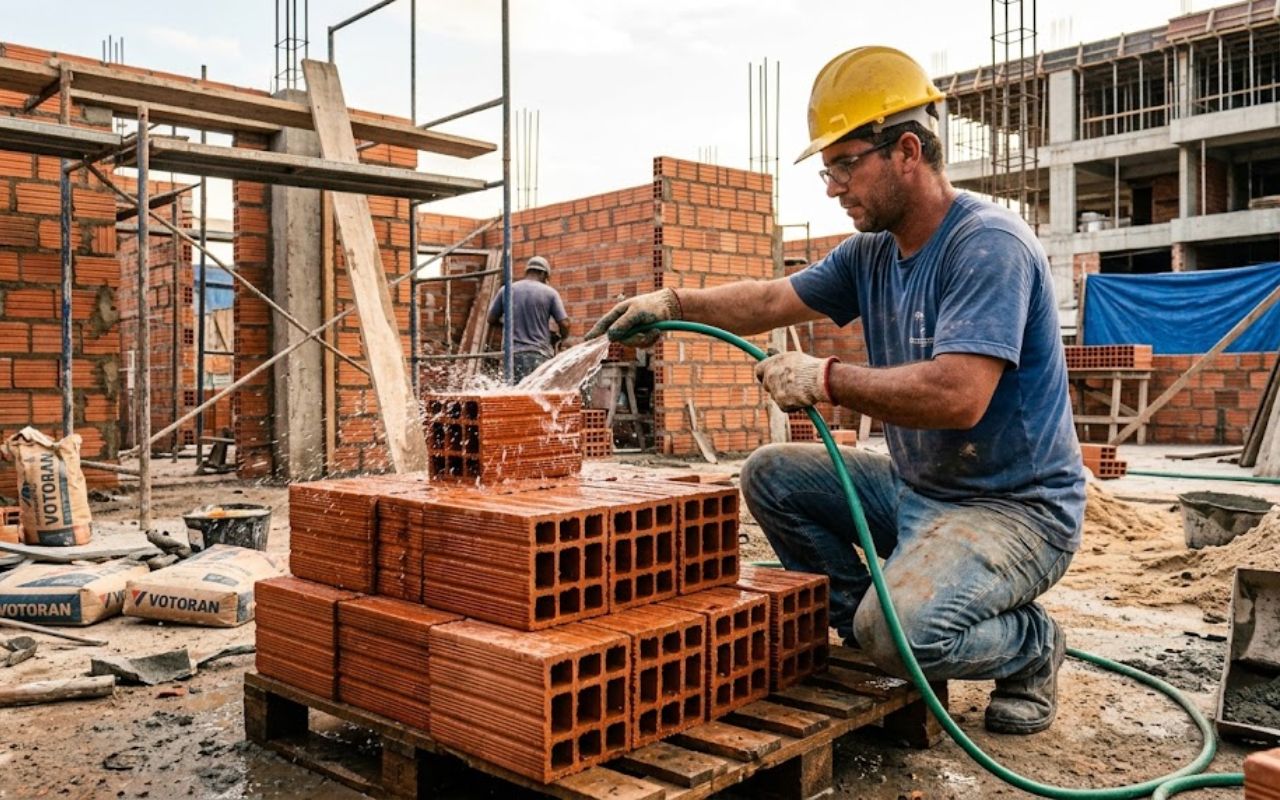
Among the 29 available technical courses, notable options include Systems Development, Electrical Engineering, Logistics, Administration, Digital Game Programming, Computer Networks, Interior Design, Construction, and Occupational Safety.
All courses are free and aimed at developing technical skills aligned with the demands of local productive sectors.
Rules and Candidate Profile
Students who have completed elementary school and will enter the 1st year of high school in 2026 can participate.
The process returns to the traditional format of in-person exams, with assessments scheduled between November 11 and 21.
20 objective questions will be applied, divided equally between Portuguese Language and Mathematics.
According to the announcement, 80% of the vacancies will be reserved for students from the public school system, with half of them targeted at families with income of up to 1.5 minimum wage per capita.
There are also specific quotas for people with disabilities and young individuals in situations of socioeconomic vulnerability, reinforcing the inclusive nature of the selection.
Timeline and Documentation
The results of the exams are expected to be released on December 2, with the start of enrollments on December 12.
Classes will begin on February 3, 2026, marking the start of another cycle of technical training in the state.
At the time of enrollment, successful candidates must present birth certificate, ID, CPF, proof of residence, updated vaccination card, two 3×4 photos, and Form 18 of completion of elementary school.
Quota candidates must also submit proof of income or medical report, as applicable.
The program of technical courses is part of the state policy for expanding vocational education, which has been consolidated in recent years as one of the most structured in the country.
The ETEs play a central role in this process, providing quality public education and practical training aimed at immediate employability.
It is expected that the new classes will strengthen the qualified workforce in sectors such as information technology, renewable energy, and industrial management.
In the Agreste and Sertão regions, the courses also have a direct impact on the local economy, providing specific training in agribusiness, fruit cultivation, and animal husbandry.
Do you believe that technical education is the most efficient path to prepare young people for the job market in Pernambuco?







Maravilha essas oportunidades que estão dando aos jovens. Vou increver meu filho. Gratidão 🙏🏾🙏🏾