





 Portuguese
  English
  Spanish
  3 min of reading
  0 comments


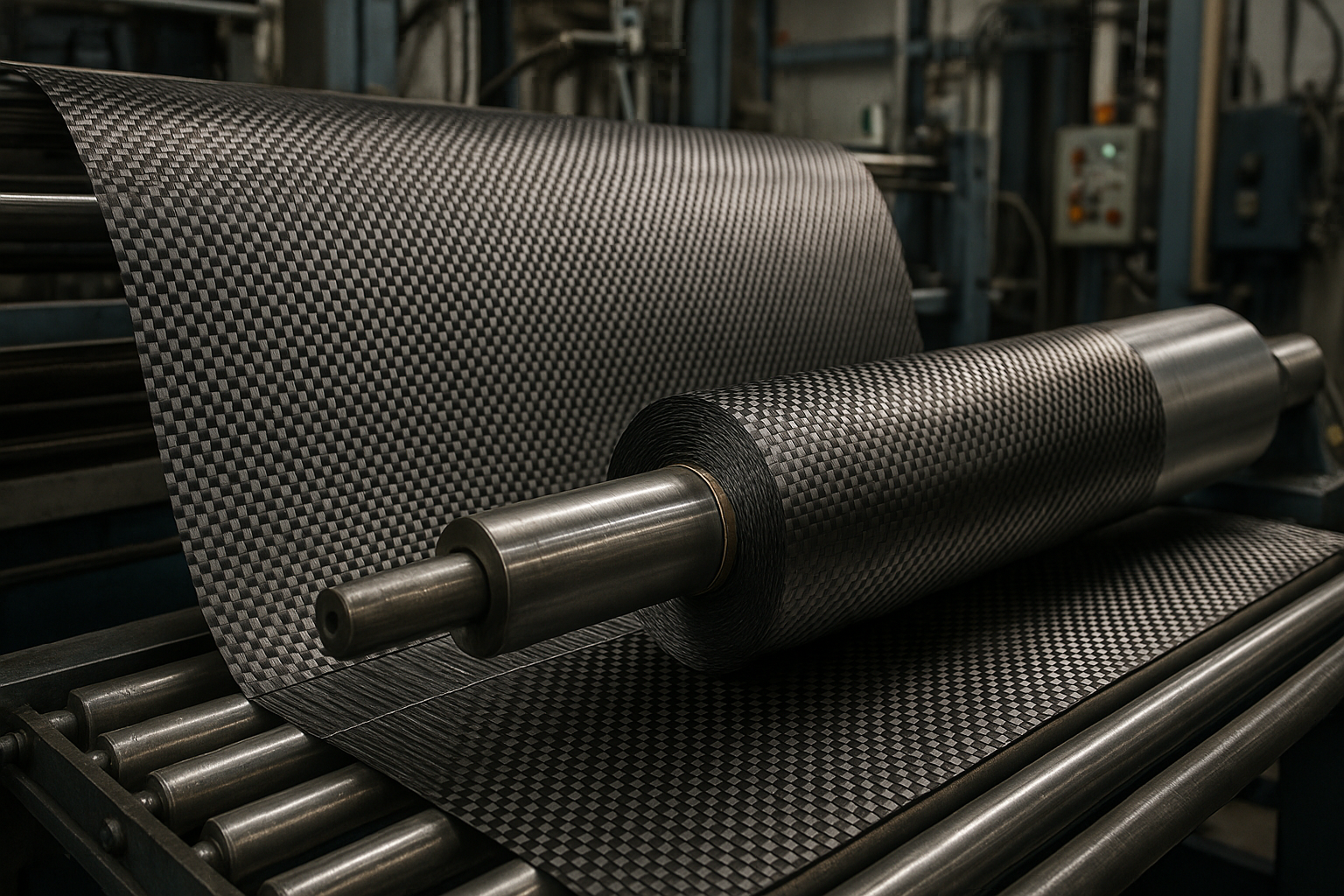
Innovation Makes It Possible to Manufacture Advanced Fibers with High Mechanical Performance and Reduced Cost, Expanding Use in Diverse Sectors
A team from KAUST University in Saudi Arabia has found a promising solution to one of the biggest challenges in the materials industry. They developed a method to transform heavy oil waste into carbon fibers that are high quality, cheaper, lighter, and stronger.
The innovation could change the future of advanced materials manufacturing.
The Challenge of High Cost
Carbon fibers are highly valued in sectors such as automotive, wind energy, medicine, and aerospace.
-
Airbus and Mercedes take the G-Class to the skies: the ACH145 helicopter priced at R$ 78 million debuts in São Paulo, unit goes to Brazilian, AMG cabin, 5-blade rotor, and a 2-year wait.

-
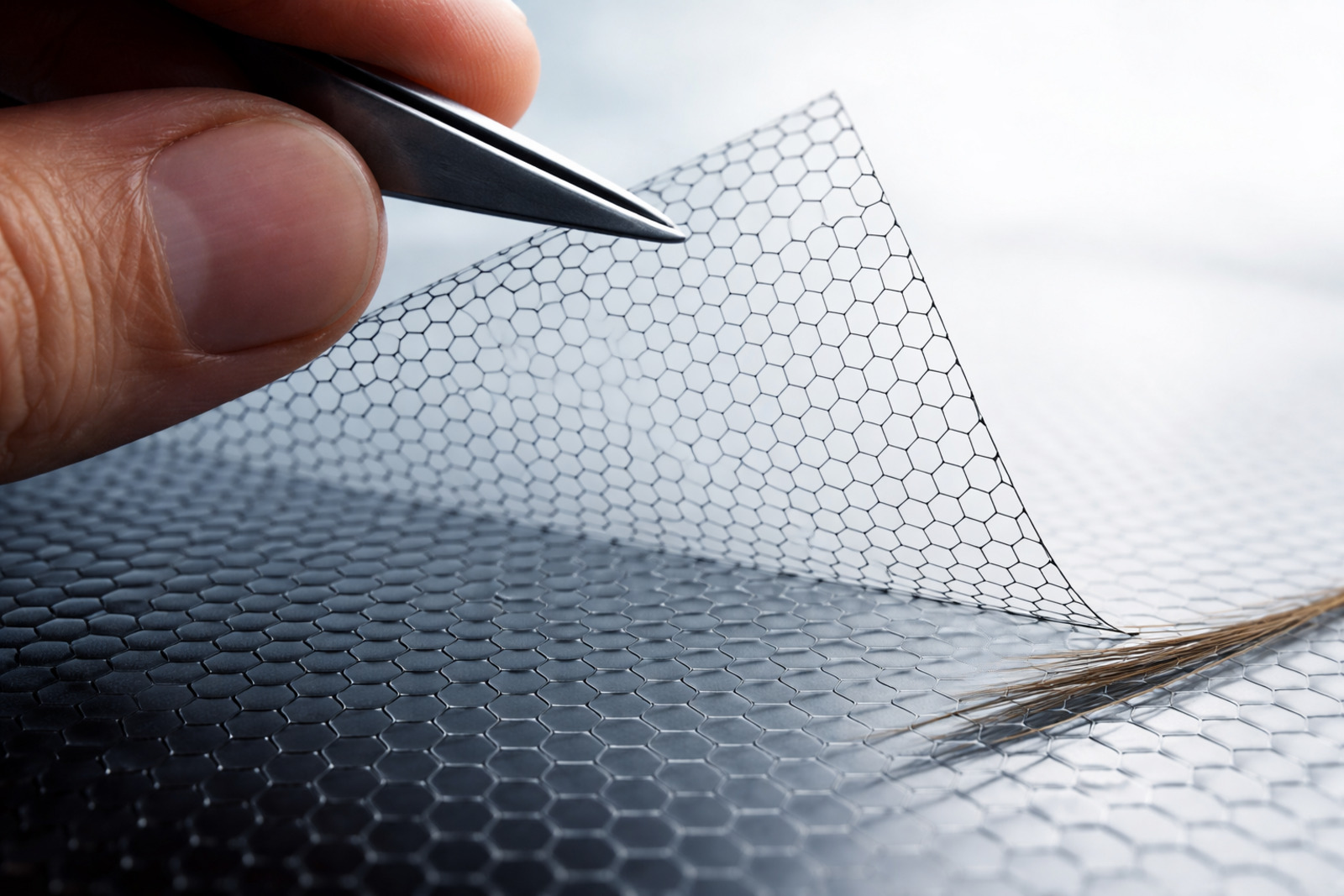
New material could change everything: it is the thickness of an atom, 200 times stronger than steel, and 100,000 times thinner than a human hair.
-
A new study published in Nature reveals that the SLIT3 protein can increase calorie burning by activating brown fat in the body, functioning as a kind of “biological switch.”

-
New signals detected by NASA suggest that the Moon may hide accessible underground cavities, after data from Mini-RF indicated a conduit over 60 meters beneath a lunar pit.


They offer high strength, low weight, thermal stability, and good electrical conductivity. However, their use is still limited.
The reason? The high production cost, primarily because the most commonly used raw material is PAN — polyacrylonitrile — which is expensive and complex to manufacture.
It was at this point that the KAUST researchers focused. They sought a more accessible and efficient way to produce the same type of fiber. And the solution came from an unexpected source: heavy oil waste.
Turning Waste into Cutting-Edge Material
These residues — such as asphaltenes and resins — often have little commercial value. They are usually used in road paving or simply discarded.
Now, with the new technique, they can become the starting point for producing carbon fibers with performance comparable to isotropic fibers used in demanding applications.
The scientists discovered that by mixing asphaltenes with resins, they create a more stable combination. This reduces breakage during spinning and improves the yield of carbonization.
In addition, the process requires less energy, which lowers costs and environmental impact.
Lighter, Stronger, More Efficient
The fibers made with this new method have several advantages:
- Less energy consumption during manufacturing.
- Lower failure rates during the process.
- High mechanical strength.
- Lower weight.
- Lower cost compared to the traditional method.
These features make the material ideal for wind turbines, lighter and stronger vehicles, and even medical applications. This means carbon fiber could finally become more accessible to various industries.
A New Route to Sustainability
In addition to making the process cheaper and more efficient, the research proposes a way to add value to a byproduct of oil that is generally underutilized. This means reducing waste and making the oil production chain more sustainable.
By transforming waste into a valuable material, the method reduces the need to extract new raw materials. This helps the industry to decrease its environmental footprint. In other words: more efficiency with less impact.
Collaboration with Industry
The KAUST research is in the refinement stage. The team is adjusting the ratio between asphaltenes and resins to achieve even better performance. Additionally, the university is collaborating with Saudi Aramco to make the process scalable, with the potential for large-scale production.
If this happens, Saudi Arabia could position itself as an important supplier of carbon fiber in the global market, offering a cheaper product with a lower environmental impact.
With this new approach, carbon fiber could become more widely integrated into everyday life. From car and airplane structures to turbine blades and medical components, the material could be used in a more democratic way.









Seja o primeiro a reagir!