





 Portuguese
  English
  Spanish
  5 min of reading
  0 comments


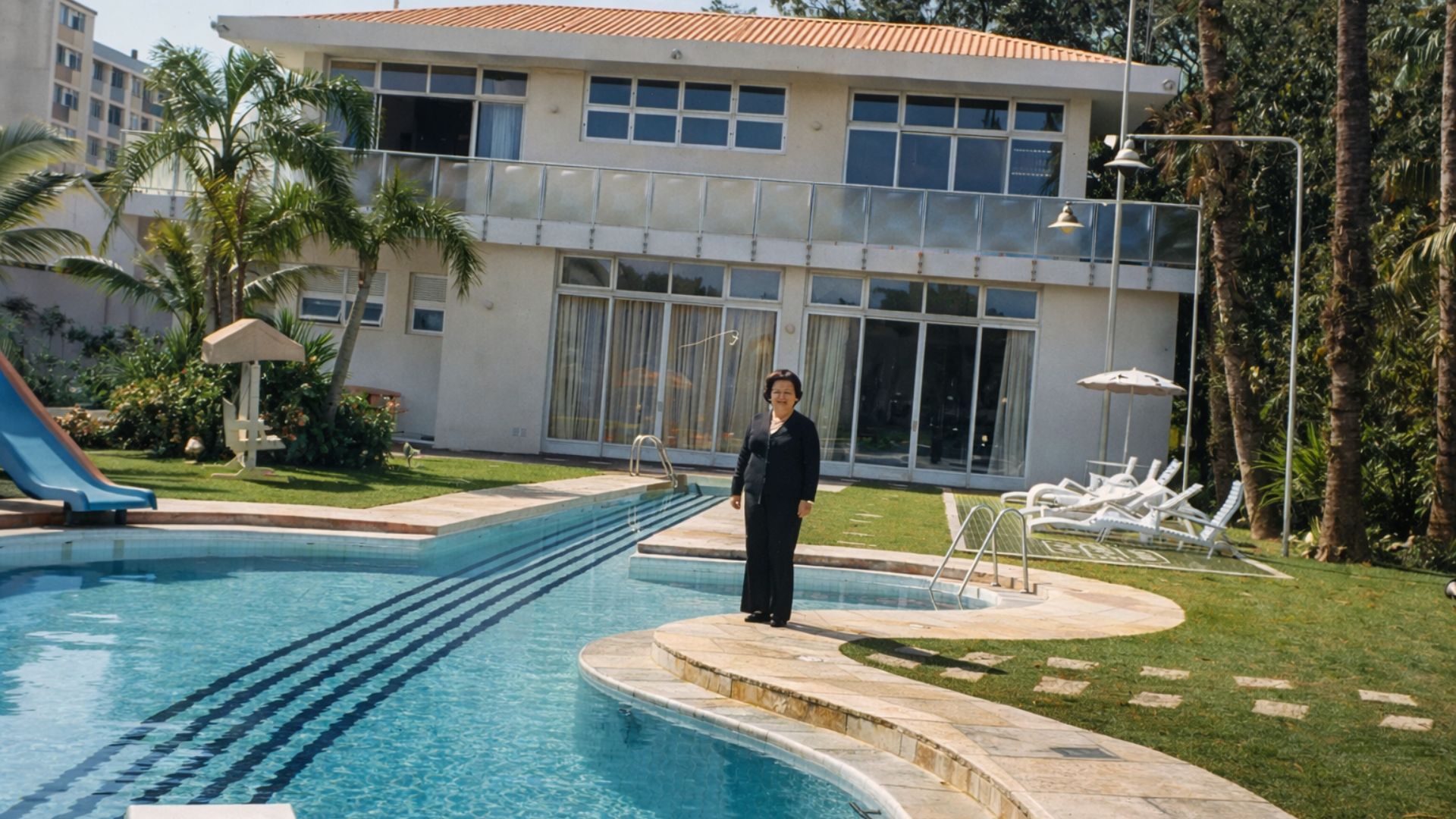
Iconic construction on the Santos waterfront brought together modern architecture, an unusually shaped pool, and family stories that spanned decades before disappearing to make way for a fast-food unit, remaining alive only in the memory of those who frequented the place.
The summer house of businessman and former mayor of Santos Carlos Caldeira Filho occupied one of the most valued stretches of the Ponta da Praia waterfront and became a reference of modernity for those who passed by Avenida Bartolomeu de Gusmão, 108.
Decades after disappearing from the landscape, the residence still survives in family accounts for gathering a guitar-shaped pool, extensive gardens, a lit fountain, and an open view of the sea.
Caldeira Filho was the appointed mayor of Santos between May 7, 1979, and January 28, 1980, and died in 1993.
-
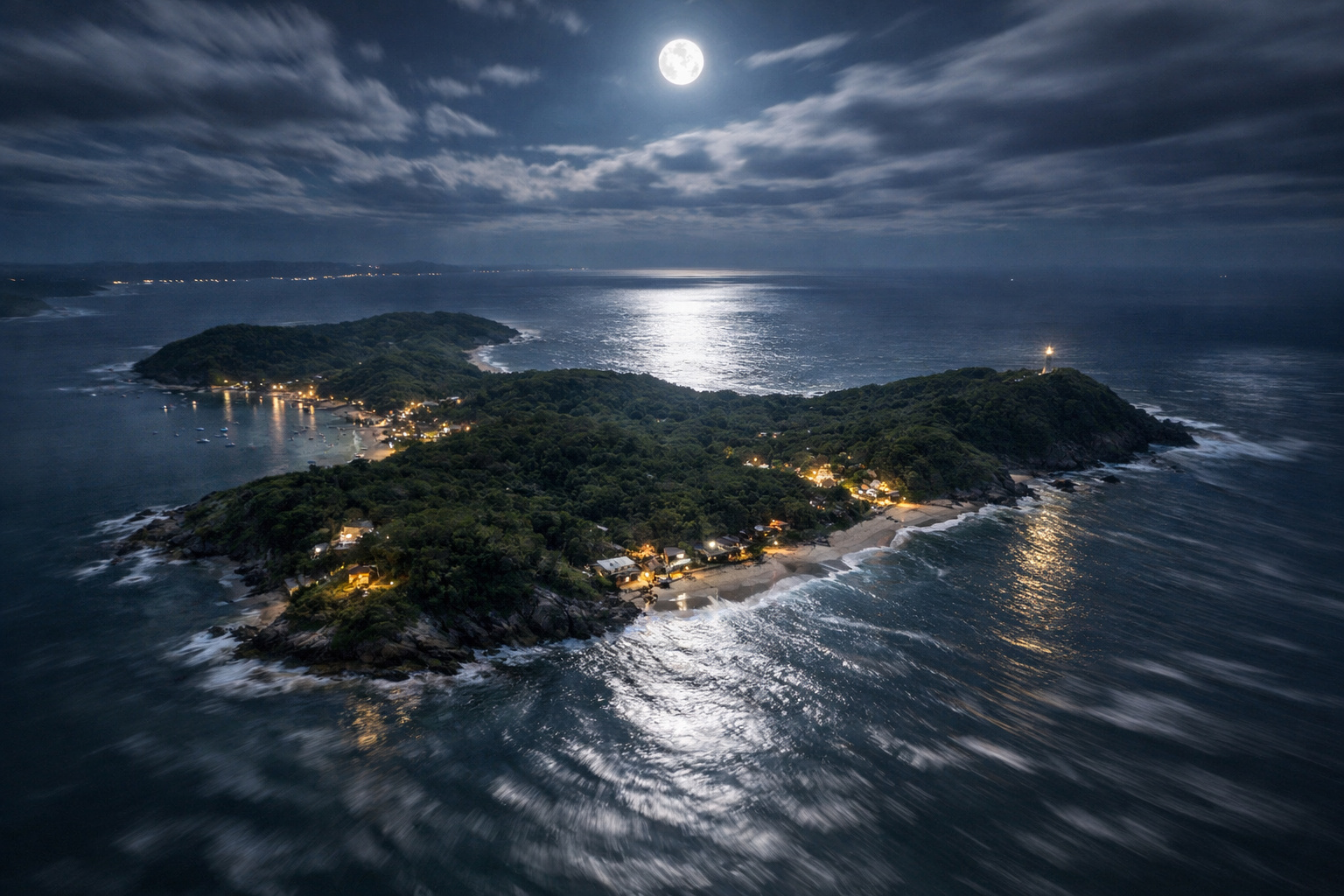
A magnitude 2.4 earthquake hits the coast of Paraná between Ilha do Mel and Paranaguá, becoming the strongest of 2026 and revealing a little-known seismic phenomenon that can occur silently in various regions of Brazil.
-
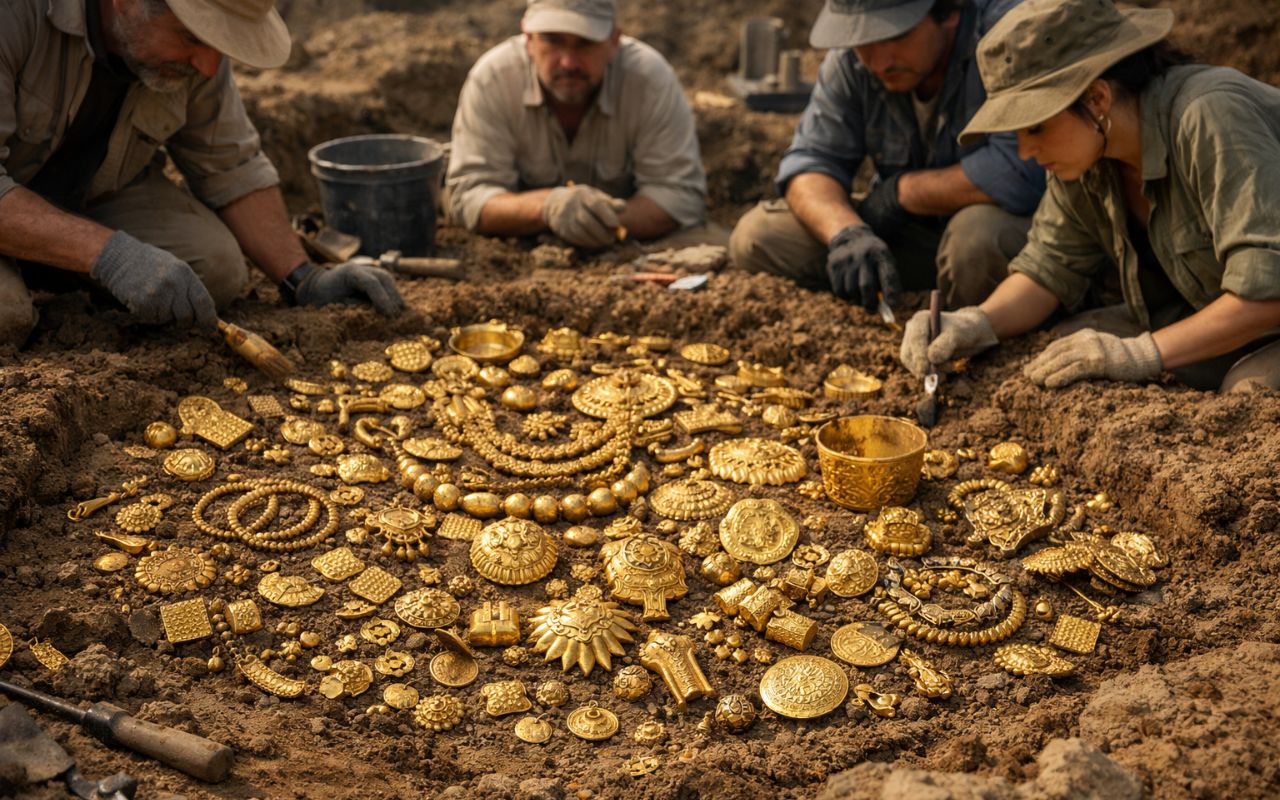
Workers find 3,000 gold jewels during construction: Accidental discovery revealed the world’s oldest gold, over 6,000 years old, and the find shows that societies already had elites and wealth in prehistoric Bulgaria.
-
Axolotl challenges science with almost unbelievable abilities: an animal that never fully ages and can regenerate complex parts of its body intrigues researchers and may change the future of medicine.

-
He left a simple house to create a 5.3 billion euro empire: the unbelievable story of Federico Marchetti, the genius behind YOOX who revolutionized luxury e-commerce and rewarded his team with 50 million.
Memories of the mansion at Ponta da Praia
The memory of the mansion is primarily associated with the recollections of Tânia Moraes, treated by the couple Carlos and Leodéa Caldeira as a granddaughter since the early 1970s.
It was there, as a child, that she spent seasons marked by family parties, school vacations, and a routine surrounded by spacious areas, vegetation, and architectural solutions that drew attention in a city where the predominant waterfront pattern followed a different residential design.
On April 12, 1976, according to this memory preserved in the family environment, the house already stood out for its large glass panels facing the front of the property.

The incidence of sunlight on the facade produced intense reflections, reinforcing the image of a construction designed to engage with the maritime landscape.
On one side was the avenue; on the other, the beach horizon, which visually integrated with the internal environments and balconies.
Modern architecture with sea view
The residence had two floors and concentrated, on the ground floor, the most circulated spaces of the house.
The kitchen, dining area, living areas, and a game room formed a set focused on socializing, without excessive compartmentalization.
The upper floor housed two spacious suites and a continuous balcony that wrapped around the building, creating the sensation of a deck and enhancing the panoramic view of the waterfront.
This sense of modernity also appeared in the external details.
Columns clad in light tiles supported the composition, while the gardens helped separate the house from the harsher rhythm of the avenue.
Between the main building and the structure at the back was a small grove, noted in family memories as a transition area between social use and the more private spaces of the lot.
The association of the property with the universe of Oscar Niemeyer appears in the memories of those who frequented the residence, due to the personal closeness between the architect and Carlos Caldeira Filho.
What remains documented more consistently is the perception that the building exhibited modern traits and unusual visual solutions for the period.
Guitar-shaped pool and lit fountain
In the outdoor area, the most remembered element was the guitar-shaped pool, positioned at the front of the lot.
The unique design transformed the entrance of the house into a calling card and captured the attention of children and adults alike.
The facility also had a slide and reinforced the playful character of a residence that, although sumptuous, was remembered by visitors as a gathering space.
Another striking point was the fountain described as a “dandelion” model, installed amidst the greenery.
According to Tânia Moraes’s memories, the piece was inspired by a specimen then existing on Sixth Avenue in New York and gained colored lighting at night.
The visual effect was completed with imperial palms distributed at the entrance and along the sides of the lot, enhancing the sense of grandeur of the ensemble.
Family stories and curious episodes
Family memories are not limited to architecture.
During vacation periods, the house was occupied by relatives and guests, which altered the rhythm of the property and transformed gardens, corridors, and lawns into a permanent play area.
On dates like Carnival and Easter, the setting gained a different dynamic.
From the sidewalk and the gate, it was possible to follow the movement of the Banho da Doroteia, while the garden served as a space for egg hunts and children’s games. However, not everything was about enchantment.
The small grove between the two volumes of the lot also fed the imagination of those who crossed the area at night, especially after family horror movie sessions.
On other occasions, bats would enter through the open spaces and cause a commotion.
There were also episodes of birds crashing against the house’s windows, confused by the transparency of the facade.
One of the most repeated accounts involves the removal of wasps from the trees on the property.
Called to solve the problem, firefighters were reportedly surprised by the attack of the insects and ended up in the pool amid the chaos.
Demolition and transformation of the space
With the death of Leodéa Caldeira in March 1989 and Carlos Caldeira Filho in 1993, the house lost its centrality in the family’s routine.
Gradually, the property ceased to fulfill the role of a meeting place and seaside getaway.
In the 1990s, the lot was designated for the installation of a McDonald’s unit, and the building was ultimately demolished.
The address Avenida Bartolomeu de Gusmão, 108 now houses a store of the chain. The change marked the end of the trajectory of one of the most private residences on the Santos waterfront, linked to the history of a significant figure in local public life.
What has physically disappeared remains fragmented in childhood images, descriptions of the garden, the balcony, and the guitar-shaped pool that once distinguished that stretch of Ponta da Praia.









Seja o primeiro a reagir!