





 Portuguese
  English
  Spanish
  6 min of reading
  0 comments


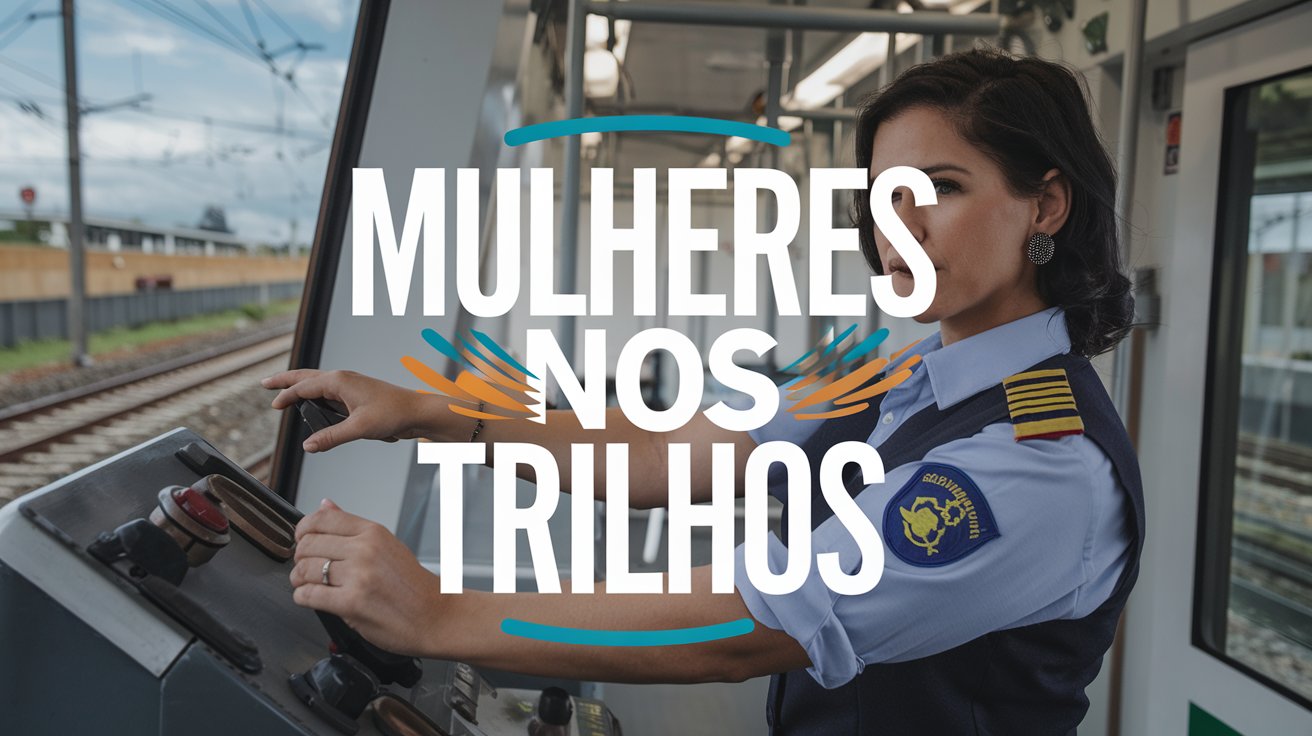
The Brazilian Railway Scenario Is Changing! Women Are Dominating the Tracks, Taking Positions as Train Drivers, Mechanics, and Engineers. With Determination, They Are Claiming Space in a Historically Male Sector and Proving That There Are No Barriers to Female Talent.
Over the years, the Brazilian railway sector has witnessed a transformative change that once seemed unthinkable.
Traditionally dominated by men, the country’s railroads have now become the stage for a silent yet significant revolution, with the increasing presence of women.
What once seemed to be a closed and restricted universe now opens doors for a growing number of women, occupying roles such as train drivers, switchers, mechanics, and electricians.
-
The Brazilian colonial city that stopped in time and shares territory with a rocket launch base.

-
79-year-old woman challenges limits, visits 193 countries in the world after 56 years of planning and reveals the behind-the-scenes of a global journey that few have managed to accomplish.

-
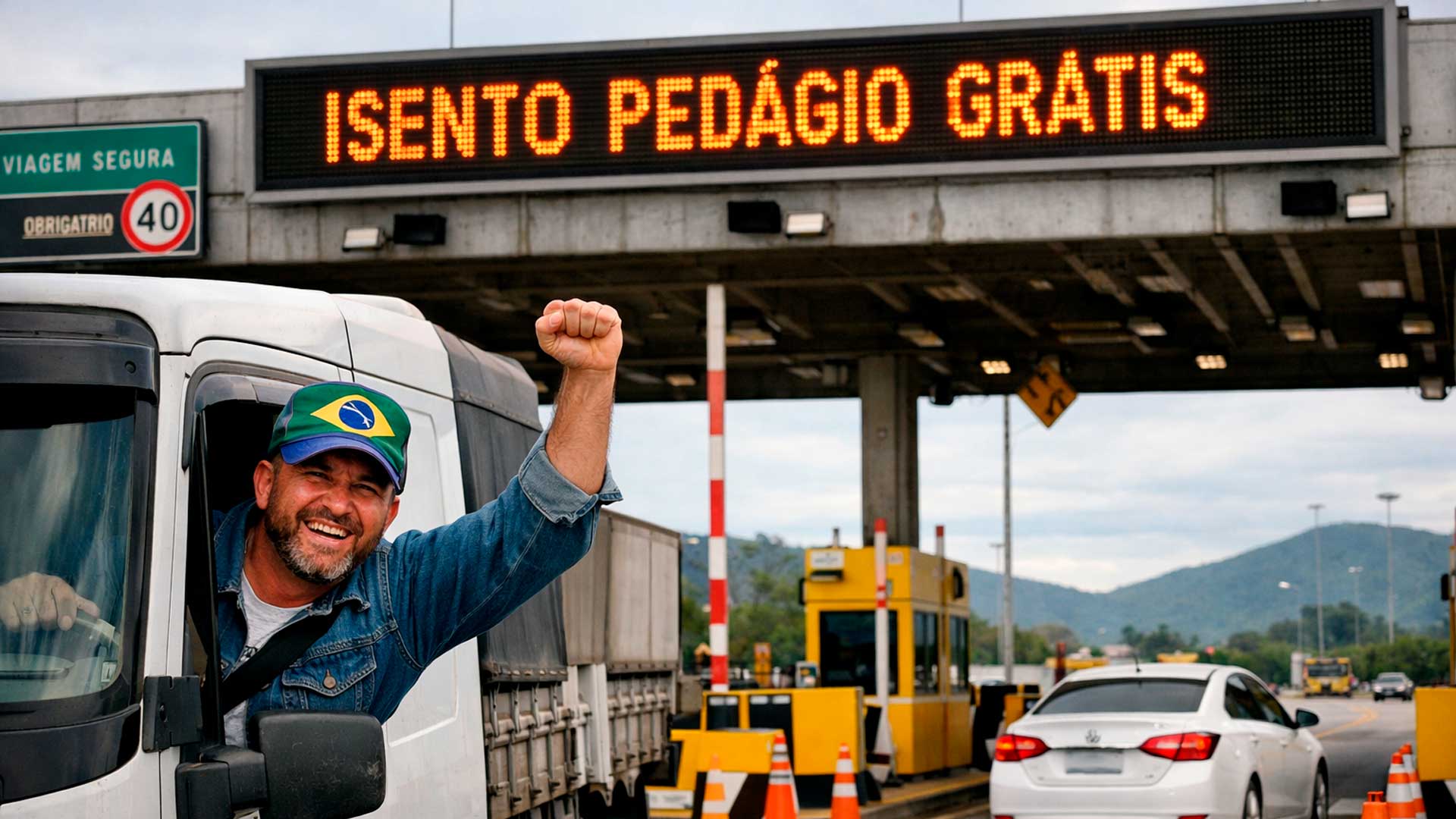
These are the drivers who may stop paying tolls on highways in a project that promises to reduce costs for those who live from transportation in Brazil.
-
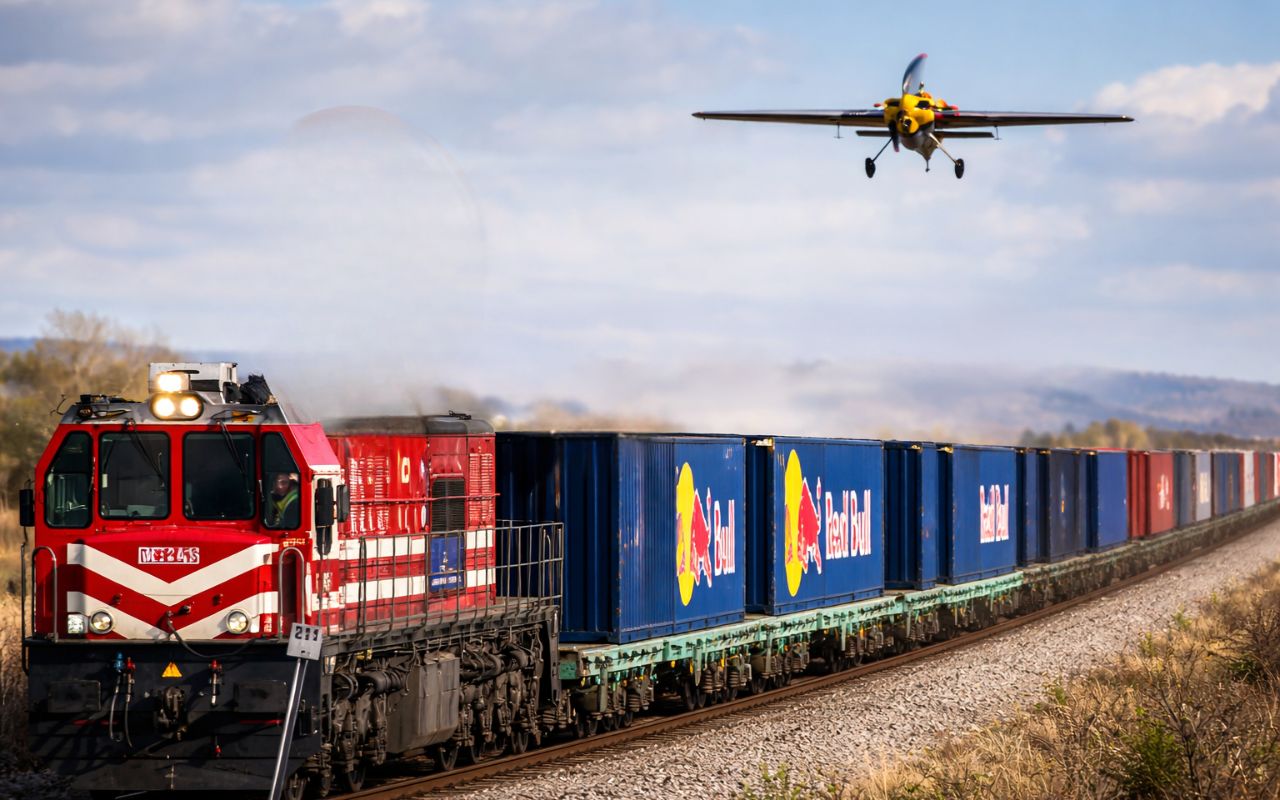
(Video): Italian pilot lands plane on moving train at 120 km/h and achieves unprecedented feat in aviation, even with a narrow runway and without direct visual contact.

And the most impressive part: this transformation is not an isolated trend, but rather a true paradigm shift that is gaining momentum at an accelerated pace.
The Transformation: The Female Presence in Railways
According to Natália Thomaz de Omena Lima, 39, a train driver at Rumo Logística, in a report from Folha de S.Paulo newspaper, “there are no limits for women in the railway, women can work in any sector, any role.”
Her statement reflects a sentiment that resonates throughout the railway sector, where women have begun to make their mark in recent years, in positions that were rarely seen in a predominantly male environment.
Today, she is one of the responsible operators of a train that travels the vast lines of Rumo, one of the largest railway operators in Brazil.
And her account is just one example of how the sector is being reconfigured.
Challenges and Victories: Natália’s Journey
Before becoming a train driver, Natália had a very distinct journey, with experiences in various areas, such as the administrative sector of a transport company, in addition to working as a cleaner, babysitter, salesperson, and security guard.
Her encounter with railways happened unexpectedly while she was working for a third-party company that provided services to Rumo.
Upon observing men operating trains, she decided to talk to one of them, who revealed an opportunity: the company was opening positions for women in the sector.
That’s how, about a year ago, Natália began to realize her dream of operating a locomotive, overcoming the barriers of a sector with low female presence.
The Growing Movement: A New Perspective on the Railway Sector
Natália’s example is not isolated.
In the past five years, Rumo Logística has intensified its inclusion movement, promoting the training and hiring of women for traditional roles in the railway sector.
Last year, the company trained its first class of female train drivers, consisting of about 40 participants, who received specialized training in the cities of Araraquara and Rio Claro, in São Paulo.
This movement has been growing rapidly, with the number of women in Rumo’s workforce jumping from 830 in 2022 to 1,250 last year, representing a 15% increase.
Additionally, women hold 30% of the leadership positions in the company, with two of them occupying vice-presidential roles.
Change in the Sector: More Than Just a Growing Number
For Bruna Alcântara Perpétuo, vice president of People, Culture, and Safety at Rumo, this change is more than just numbers.
“When you create a diverse team, you create the possibility of developing distinct ideas and opinions that make decision-making more accurate.”
This thinking reflects the recognition that female presence not only brings new perspectives but also contributes to a more productive and innovative work environment.
This transformation is not confined to Rumo Logística but has spread to other companies in the sector.
The construction of the state railway in Mato Grosso, expected to be completed at the beginning of the next decade, serves as an example of how women are taking on roles in engineering, occupational safety, and planning—areas historically associated with men.
The increased visibility and growing female presence in these projects are a clear reflection of the mental shift happening in Brazil.
CCR Metrô Bahia: Inclusion Has Arrived at Salvador’s Metro
In the capital of Bahia, Salvador, another company has stood out in this inclusion process: CCR Metrô Bahia.
The company is responsible for transporting over 400,000 passengers daily, in a railway system of 38 kilometers that passes through 22 stations and 10 integrated terminals.
The presence of women in leadership roles is a growing reality. Today, 32% of leadership positions are held by women, a number the company aims to increase in the coming years.
Steffane Souza Guimarães, a train operator for nine years and nine months, is one of the key representatives of this new era in the Bahia metro.
For her, “the fact that her role is traditionally male is not a limitation, but a motivation to prove her competence.”
“I feel fully capable of fulfilling not only this role but many others because I am strong and very determined. To me, there are no roles for men or women, just roles that require motivated people to make things work,” she said.
Investing in Awareness and Female Training
CCR Metrô Bahia, like other companies in the sector, has been striving not only to hire more women but also to raise male awareness about the importance of this change.
Investing in raising male awareness is one of the company’s strategies to strengthen female presence in the sector.
The Importance of Mental Shift for Society and Companies
The increasing presence of women in railways and metros is not only a reflection of the ongoing social shift but also an opportunity for companies to rethink their strategies for inclusion and talent management.
The transformation of the railway sector is closely tied to this mental shift.
Breaking stereotypes about what men and women can or cannot do opens doors to a fairer and more equal future, where opportunities are determined by talent and not by gender.
The Importance of Persisting and Reinventing Oneself
Steffane Souza Guimarães also shared her perspective on the challenges faced by women in a predominantly male sector.
For her, the key to success is persistence, self-control, and the ability to deal with the daily challenges.
Preparation and effort are essential to overcome obstacles and achieve success.
“I was willing to overcome all of this because the challenge is precisely what drives me, makes me stronger, more resilient, and helps me evolve as a person and as a professional,” Steffane said, reflecting the perseverance that has become a common characteristic among women who have tread this path.
The Future of Railways and the Role of Women
The transformation women are promoting in Brazilian railways and metro systems is a clear example of how inclusion and diversity can be catalysts for significant changes in the labor market.
The female presence in traditional and leadership roles in this sector not only challenges stereotypes but also expands the possibilities for growth and innovation.
As Natália, Steffane, and other women have shown, there are no limits to what women can achieve on the tracks if the path is paved with opportunities and recognition of their potential.






Seja o primeiro a reagir!