





 Portuguese
  English
  Spanish
  4 min of reading
  0 comments



The Meteoric Rise and Unexpected Fall of a Young Fashion Giant Reveal Secrets and Challenges Few Know, Exposing the Radical Transformations Shaping the Future of Affordable Clothing Retail in the Contemporary World.
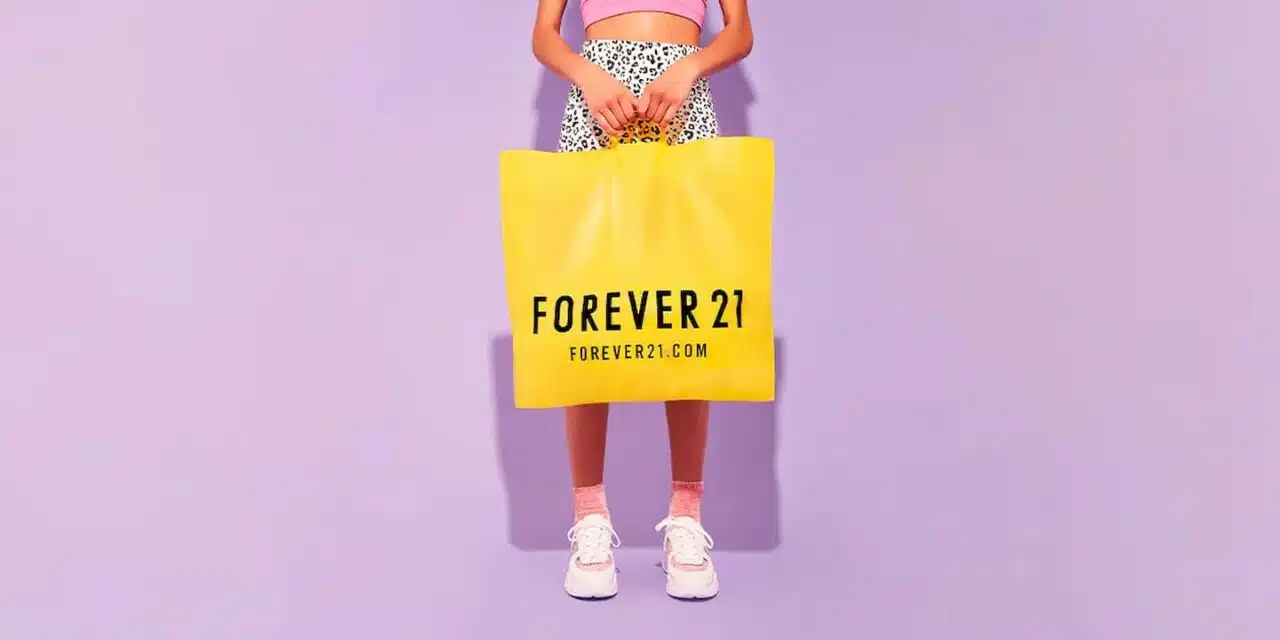
Forever 21, one of the most iconic brands in young and affordable fashion, is facing a historic moment by announcing bankruptcy in the United States and the closure of over 300 physical stores across the country.
This move reveals not only the financial collapse of the fast fashion giant but also the profound transformation the fashion market is undergoing in the face of changing consumer behavior and the accelerated digitization of retail.
Founded in 1984 in Los Angeles, Forever 21 quickly gained worldwide fame thanks to its business model based on low prices and frequent collection launches aligned with the latest trends.
-
“No one will make us change the Pix,” says Lula after the US report.

-
Lula responds directly to Trump and says that Pix is from Brazil and will not change under pressure from anyone, after a report from the United States pointed out the Brazilian payment system as an American trade barrier.

-
Amazon has just announced a new fee on all deliveries, and your online purchases will become more expensive starting April 17, including for those buying from the United States here in Brazil.

-
He sold his share for R$ 4 thousand, saw the company become a giant worth R$ 19 trillion, and missed the opportunity of a lifetime.

However, as industry experts warned, the rapid growth rate, combined with the lack of adaptation to contemporary demands, ultimately led the company to its greatest challenge since its inception.
Changes in Consumer Behavior Challenge the Traditional Model
One of the key factors in Forever 21’s decline, according to analysts, was the shift in consumer profile, especially among young people.
The new generations increasingly value sustainability, ethical production, and brand transparency, areas where Forever 21 has faced harsh criticism over the years.
Additionally, the rise of e-commerce and social media as direct selling platforms has drastically reduced the need for large physical networks.
Modern consumers seek personalized and practical digital experiences, making the traditional model of stores located in large shopping centers less attractive.
Intense Competition and Management That Did Not Keep Up
Forever 21 faced strong competition from fast fashion giants like Zara, H&M, and Shein, who managed to reinvent themselves more quickly by adopting technology to monitor trends in real-time and improve their supply chains.
While these brands invested in digital innovation and on-demand production strategies, Forever 21 maintained an aggressive expansion strategy that increased its fixed costs, such as rent and maintenance of dozens of stores worldwide.
In Brazil, the chain had up to 15 stores but ceased operations in 2022 after unsatisfactory results.
Another critical point was internal management, with evident strategic errors in inventory management.
Outdated products and excess unsold merchandise on the shelves worsened the financial situation.
Crisis History: From 2019 to 2025
The clearest sign of the crisis occurred in 2019 when Forever 21 filed for Chapter 11 bankruptcy protection in the United States.
At that time, the brand closed over 100 stores as part of a restructuring plan.
Despite attempts to regain footing, with investments from new investors and changes to the business model, the efforts were not enough to prevent the final bankruptcy announced in 2025.
Now, the closure of over 300 stores in the U.S. marks the company’s biggest setback, which previously ranked among the leaders in young fashion retail.
What Happens to Forever 21 Outside the United States?
Despite the bankruptcy in the United States, international operations continue to run.
According to Authentic Brands Group (ABG), the company that holds the brand’s rights, the current strategy focuses on licensing Forever 21 to local operators in different countries.
This means the brand can remain active in markets where consumer potential justifies its presence, even if in different formats from the traditional ones.
In Brazil, stores were closed in 2022 after an unsuccessful expansion attempt.
The Lesson from the Forever 21 Case for the Future of Fashion Retail
The case of Forever 21 reinforces a lesson that is already consensus among experts: digital transformation is essential for survival in today’s retail market.
Brands that neglect digital channels and the personalization of the shopping experience risk losing relevance quickly.
Moreover, contemporary consumers demand social and environmental responsibility from companies.
The lack of transparency from Forever 21 regarding working conditions and sustainable practices harmed its image and contributed to the loss of customer loyalty.
Fast Fashion in Transformation
Although the demand for fast and affordable fashion still exists, the traditional fast fashion model is being re-evaluated.
Brands like Shein use real-time data to align production with demand, while others invest in circular fashion, capsule collections, and material repurposing, meeting more conscious consumers.
What to Expect from the Future of Forever 21?
Authentic Brands Group announced it intends to continue exploring the potential of Forever 21 through licensing, focusing on online operations and local partnerships.
A potential return of the brand to the market could happen in a leaner, digitized format aligned with social responsibility values, unlike the previous strategy based on massive physical stores.
Impact on the Fashion and Retail Sector
The end of Forever 21 as we knew it may mark the beginning of a new era in fashion retail, where innovation, sustainability, and direct consumer relationships will be crucial for success.
Investors, consumers, and industry professionals should closely monitor the next steps from ABG to assess whether Forever 21 can still be a relevant force for young audiences or if it will simply be another iconic brand fading from the global scene.








Seja o primeiro a reagir!