





 Portuguese
  English
  Spanish
  4 min of reading
  0 comments


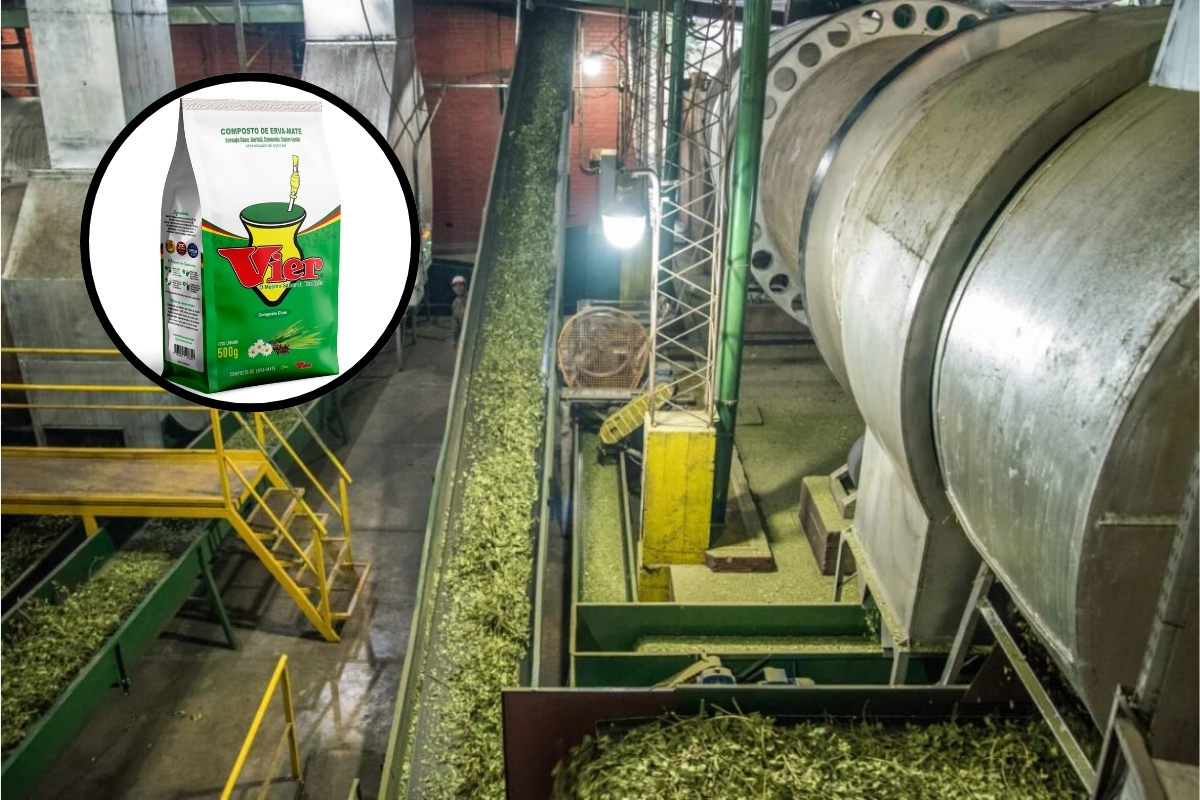
The Historic Gaucho Tea Company Vier, Symbol of Brazilian Chimarrão, Filed for Bankruptcy with a Debt of Nearly R$ 50 Million and Only R$ 11 Million in Assets, Revealing a Deep Crisis in the Regional Industry
For more than eight decades, Ervateira Vier was synonymous with tradition in Rio Grande do Sul. Founded in 1944, the company built a solid reputation among chimarrão consumers, spreading the name of gaucho yerba mate across the country.
But behind this historical image, the company accumulated a financial deficit that is difficult to comprehend: when it filed for bankruptcy, its liabilities amounted to nearly R$ 50 million, while its assets did not exceed R$ 11.8 million.
The court decision that declared bankruptcy marked the end of a crisis that had been dragging since 2021, when Vier entered judicial recovery. Since then, problems multiplied, and the company stopped operating in September 2024, unable to balance its accounts, pay suppliers, or sustain its own operations.
-
With the new law, shopping malls will no longer operate on Sundays, similar to supermarkets; the rule imposes closure by 9 PM, foresees a fine of R$ 15,000, suspension, and even revocation of the license in Salvador.

-
Only 7 ships have crossed the Strait of Hormuz in the last 24 hours when the normal is 135 per day, and the United Arab Emirates confirms that 230 oil tankers loaded with oil are ready to depart but are prevented from leaving while Iran turns the waterway into a sovereign control post.

-
Trump sent a treaty on critical minerals to Lula in early 2026, and the document is sitting in the president’s drawer unsigned because the Brazilian government considers the proposal too generic and refuses to turn the country into a mere exporter of raw materials.

-
R$ 7 billion forgotten in the FGTS may finally be released after failures in the 2025 measures, while millions of workers find out they may have unclaimed money.

The discrepancy between what it owed and what it owned reveals much about the fragility of part of the gaucho regional industry, which faces high costs, increasing competition, and poor management amid a lack of raw materials.
The scenario impresses even those who follow the sector. How is it possible that a company with a strong name, a loyal clientele, and decades in the market lost so much value in such a short time? The answer lies in the combination of internal and external factors that transformed a symbol of chimarrão into a case study on financial mismanagement.
The Abyss Between Assets and Debts
In the bankruptcy documents, the court cites numbers that catch the eye: R$ 49.7 million in accumulated debts against only R$ 11.8 million in declared assets. This difference exposes the company’s inability to sustain its operations, even with a consolidated brand.
The listed assets include real estate, machinery, and inventory, but all with reduced market value, often obsolete or sitting idle for months. At the same time, labor, tax, and commercial liabilities grew uncontrollably, eroding any chance of balance.
Local analysts state that Vier was a victim of a dangerous combination: inefficient management, difficulties accessing yerba mate, and rising transportation and energy costs. With shrinking margins, the company became dependent on credit and postponed payments, leading to a spiral of debt. When revenues fell, the domino effect was inevitable.
The Crisis That Surpassed the Factory Gate
Vier’s bankruptcy exposes a problem that goes beyond a single company. In recent years, the tea sector in Rio Grande do Sul has faced profound transformations. The advance of soy reduced traditional planting areas for yerba mate, mechanization requires high investments, and the national market faces competition from brands in Santa Catarina and Paraná.
Moreover, the pandemic exacerbated logistical difficulties and increased delinquency among distributors and retailers. Smaller companies like Vier, which depended on working capital and lean operations, ended up without financial breath.
Even after decades of tradition, the company found itself without resources to pay employees, suppliers, and taxes, accumulating liabilities that exceeded four times the value of its assets.
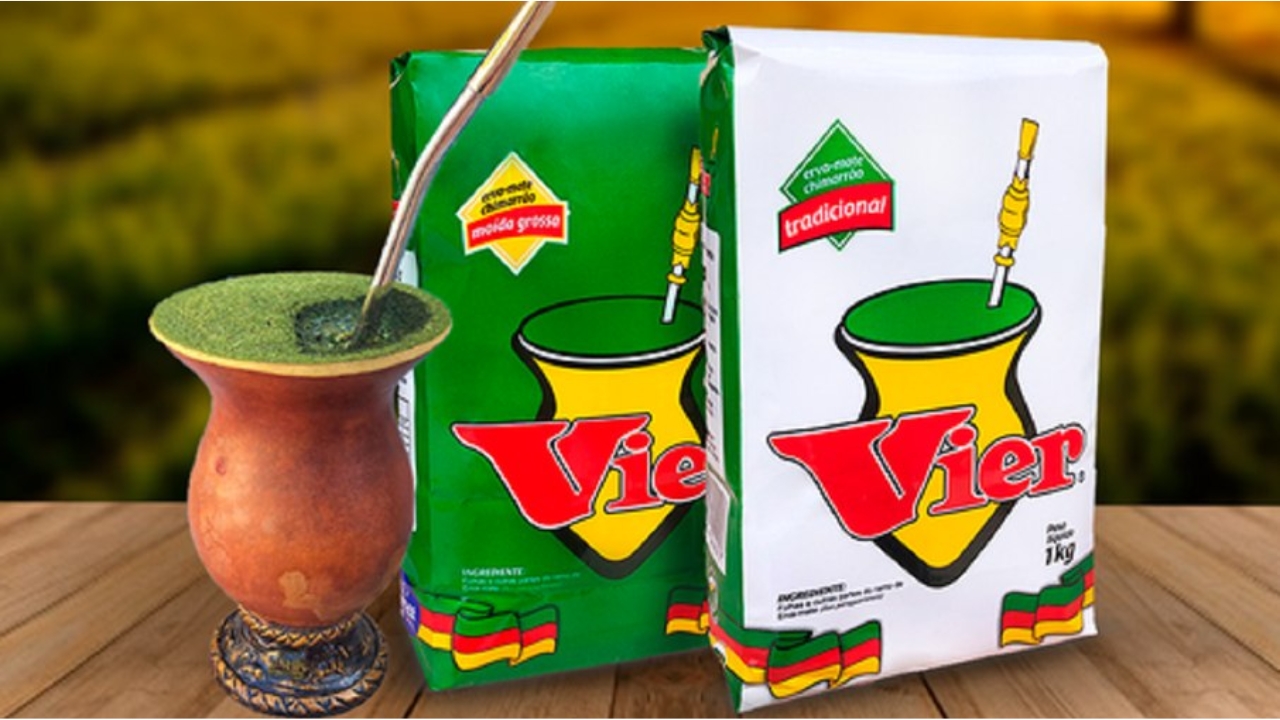
The image of a historic company filing for bankruptcy is impactful, but it also reveals how much the symbolic value of a brand can be insufficient when the productive structure is weakened. Even with operations halted, the name Vier still appears on the shelves, as the brand was licensed and is now manufactured by Rei Verde, keeping the product alive in the market, albeit under new management.
Lessons from an Announced Collapse
The story of Ervateira Vier serves as a warning for the gaucho industrial sector. Family-owned or regional companies that do not modernize their management and production processes become vulnerable to economic shocks and market changes.
In the case of Vier, excessive dependence on a single agricultural input, combined with administrative failures, compromised the future of the company.
The fact that such a well-known brand has ceased operations with a deficit of nearly fifty million shows that tradition alone does not pay debts. The accounting assets of just over eleven million represent a symbolic value compared to the credibility built over eight decades.
But, in practice, what defines the survival of an industry is the ability to turn brand into profit and management into sustainability.
With the bankruptcy declared, Vier’s case now moves to the judicial liquidation process, which will involve creditors, former employees, and suppliers. The outcome will take time, but the story is already written: a bitter example of how financial neglect can destroy even the most traditional companies.









-

-

-

4 pessoas reagiram a isso.