





 Portuguese
  English
  Spanish
  4 min of reading
  0 comments


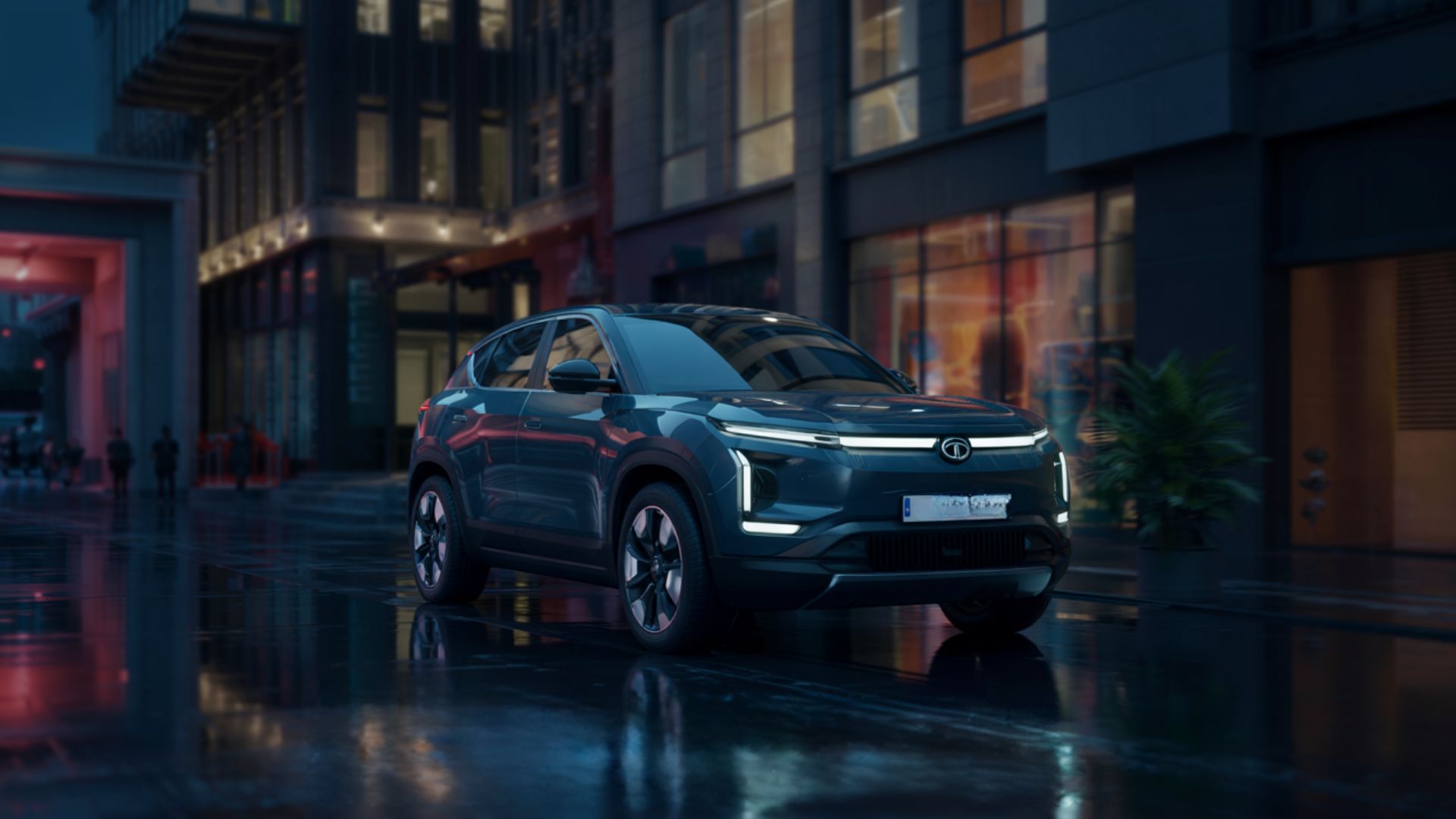
After The Failure Of The Tata Nano, Tata Motors Surprises With The Curvv Electric SUV, Futuristic Design, 500 Km Range And Competitive Price, Targeting Tesla And Global Rivals.
The Indian manufacturer Tata Motors, known for the Tata Nano, considered the cheapest car in the world and which became a commercial failure, is back in global automotive news with an electric SUV from India that attracts market attention. The brand, which became a meme following the poor results of the Nano, has made a strong comeback with the launch of the Tata Curvv, an electric SUV with a range of over 500 kilometers, competitive pricing, and a futuristic design, positioning itself as an alternative in emerging markets and competing with global brands, including Tesla.
The Tata Nano was launched in 2008 with the promise of democratizing access to car ownership in the Asian country, but faced safety failures, low performance, and a negative image, ending its production in 2018. From that experience, Tata Motors invested in innovation and electrification, becoming a leader in electric vehicle sales in India, with expansion strategies that include new models and exports.
India’s Electric SUV Gains Highlight With The Tata Curvv
The Tata Curvv represents the brand’s repositioning in the electric market. It is an electric SUV with coupe styling, full-LED headlights, modern lines, and a minimalist interior, designed to offer quiet driving and low consumption.
-
Less than a Tera TSI, up to 710 km of range and charging in 9 minutes: the new BYD Song Ultra expands the Chinese brand’s bet on increasingly faster, more technological, and competitively priced electric SUVs.

-
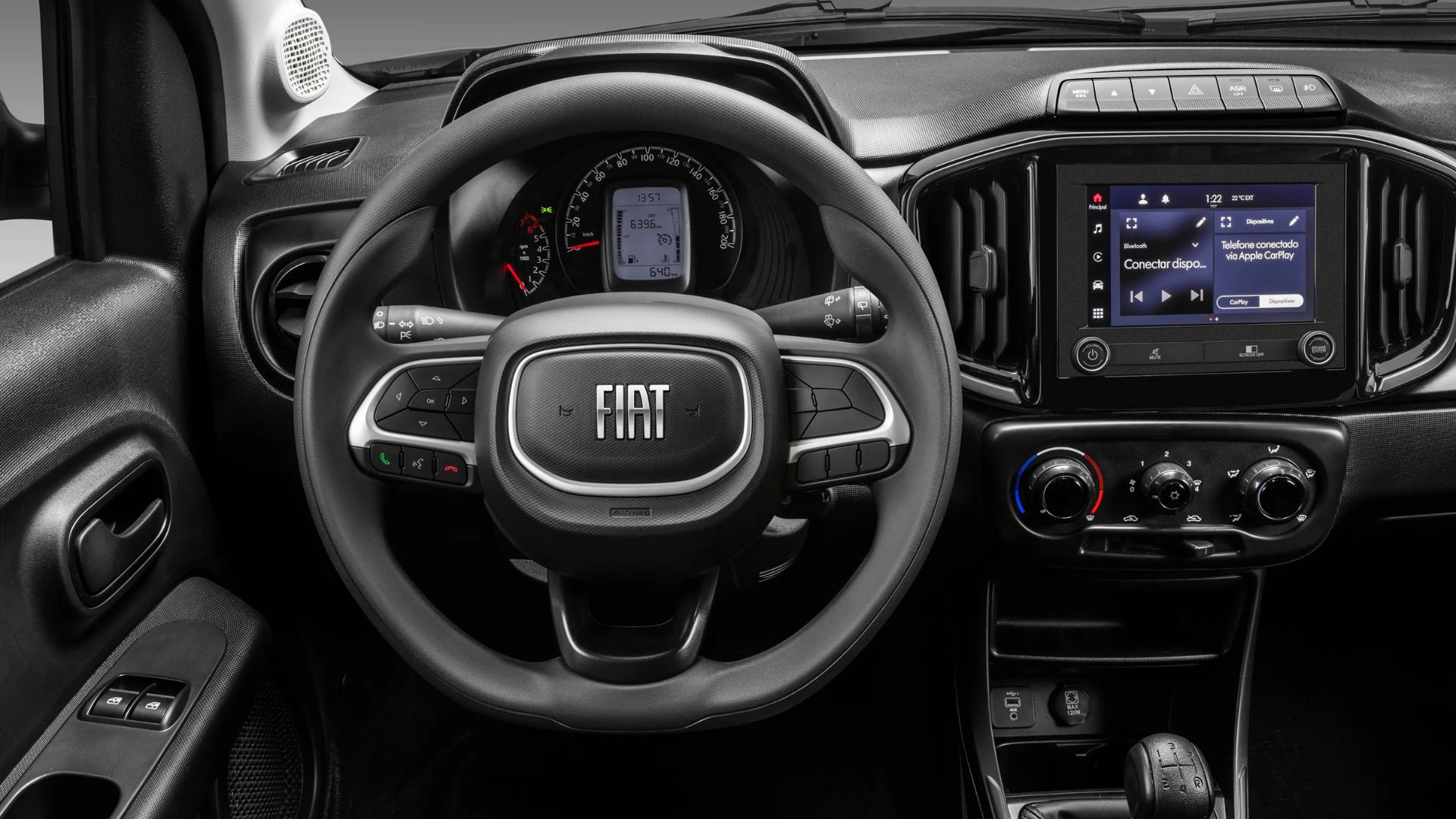
With a 1.0 engine producing 75 hp and costing less than R$ 70,000, Fiat’s car returns to the podium as the cheapest in the country; a temporary promotion for the 2026 Like version reduces the price of the Fiat Mobi.
-
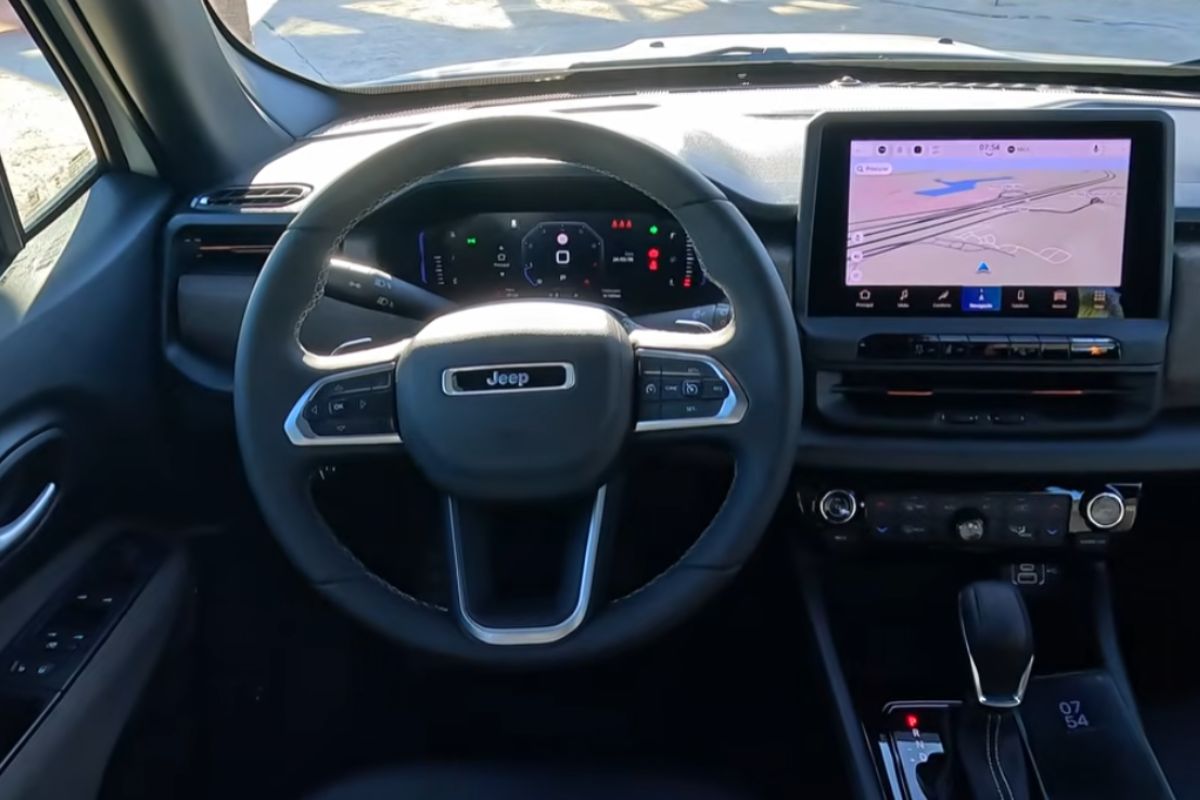
With a mild hybrid system of 48 V, 176 hp and a price of R$ 175,990 in the Sahara version, the new Jeep Renegade changes mostly on the inside, improves slightly in fuel consumption, and remains almost the same car.
-
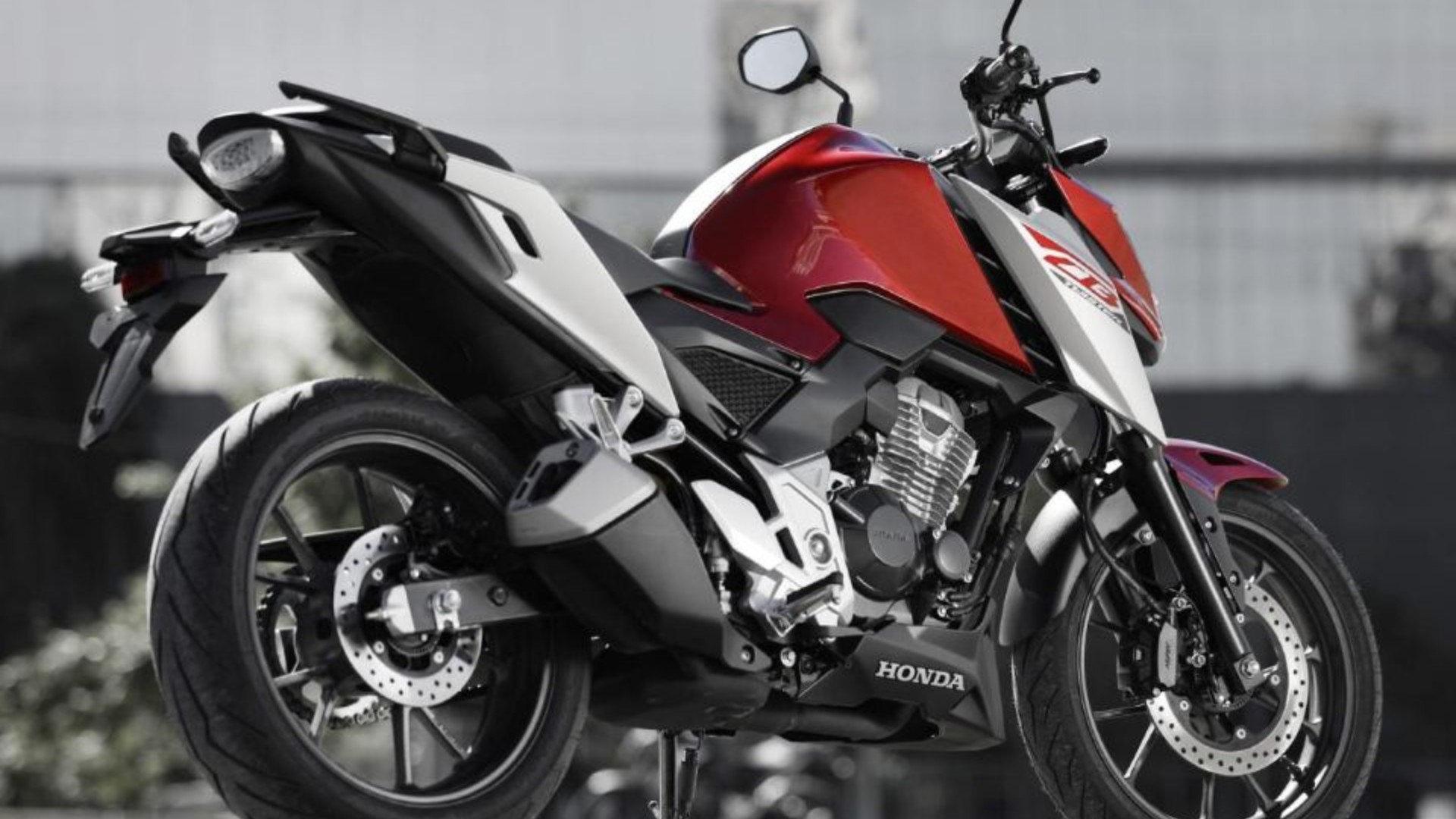
With a 293.5 cm³ engine and a range of up to 400 km with a 14.1-liter tank, the Honda CB 300F Twister 2026 has up to 24.7 hp, an initial price of R$ 25,150, and already exceeds R$ 29,000 in the Fipe Table.

The model uses the new Gen 2 EV platform, offering versions with 45 kWh and 55 kWh batteries, allowing ranges of 502 km and 585 km, respectively, according to the Indian ARAI cycle.
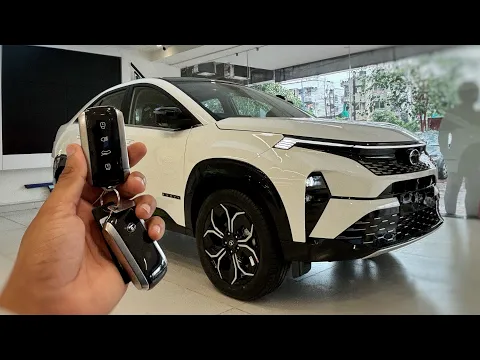

The Curvv EV offers fast charging, reaching 80% in about 40 minutes on 70 kW fast chargers. The motor delivers between 150 and 167 horsepower, with immediate torque for urban and highway use, positioning the model as an alternative to rivals like the MG ZS EV, Hyundai Kona EV, and even the anticipated Tesla in local markets.
Tata Nexon EV Strengthens Brand Presence
Tata’s electrification strategy is not limited to the Curvv. The Tata Nexon EV has established itself as the best-selling electric SUV in India, with battery options of 30 kWh and 46 kWh, offering a range of up to 489 km.
The model is praised for its cost-effectiveness, robustness, and good level of safety features, including 6 airbags and a maximum rating on the Bharat NCAP.

The Nexon EV, like the Curvv, features fast charging options and a wide network of charging points, expanded by the partnership between Tata Motors and Tata Power, allowing the growth of the electric ecosystem in the country.
The success of the Nexon EV has solidified Tata as a leader in the electric vehicle market in India, a segment that is rapidly growing due to tax incentives and policies to reduce emissions.
Technology, Range And Price Competitiveness
The new electric SUVs from Tata in India feature technology that includes energy regeneration, ABS brakes with EBD, traction and stability control, and connectivity with applications for monitoring range, battery status, and charging point locations. The interior of the Curvv EV features a digital dashboard, floating multimedia center, and premium finish options in its higher versions.
Prices in India for the Tata Curvv EV are expected to start at around ₹ 17.49 lakh (approximately US$ 21,000), making it competitive against direct rivals, with the advantage of offering greater range.
This price range and the local maintenance structure make the model attractive for emerging markets, with plans for export to Southeast Asia and Africa, where the demand for affordable electric vehicles is growing.
Tesla And The Competitive Scenario
With the progress of negotiations for Tesla to establish local production, the electric vehicle landscape in the country becomes more competitive. Tata Motors seeks to preempt Tesla’s arrival with the launch of models like the Curvv EV and the expansion of its electric portfolio, betting on more accessible pricing, simplified maintenance, and a wide support network.
The Indian electric vehicle market is one of the fastest-growing in the world, driven by government policies and increasing environmental awareness among urban consumers.
In this context, Tata Motors strengthens itself as a local protagonist, competing for space with global brands and Chinese manufacturers that are also expanding their operations in the region.
Consolidation Of Tata Motors In The Electric Segment
The launch of the Tata Curvv EV and the success of the Tata Nexon EV demonstrate that Tata Motors has overcome the legacy of the Nano, transforming an old failure into a lesson to develop competitive, modern, and efficient vehicles.
The repositioning places Tata as a reference in accessible and efficient electric vehicles, with models that combine high range, aggressive pricing, and updated design, essential elements to compete in emerging markets.

The Indian brand, previously remembered for the “cheapest car in the world,” is now being seen as a relevant player in electric mobility solutions, expanding its internal presence and positioning itself to challenge global giants in the automotive sector.
Summary Technical Specifications – Tata Curvv EV
| Specification | Details |
|---|---|
| Platform | Gen 2 EV |
| Powertrain | Electric, 150–167 hp |
| Torque | 215 Nm |
| Battery | 45 kWh or 55 kWh |
| Range (ARAI) | 502 km (45 kWh) / 585 km (55 kWh) |
| Fast Charging | 10-80% in 40 minutes (DC 70 kW) |
| Drive | Front |
| 0-100 km/h Time | ~8 Seconds |
| Wheels | 17" / 18" Alloy |
| Dashboard | Digital + Multimedia Center |









-

-

-

-

10 pessoas reagiram a isso.