





 Portuguese
  English
  Spanish
  3 min of reading


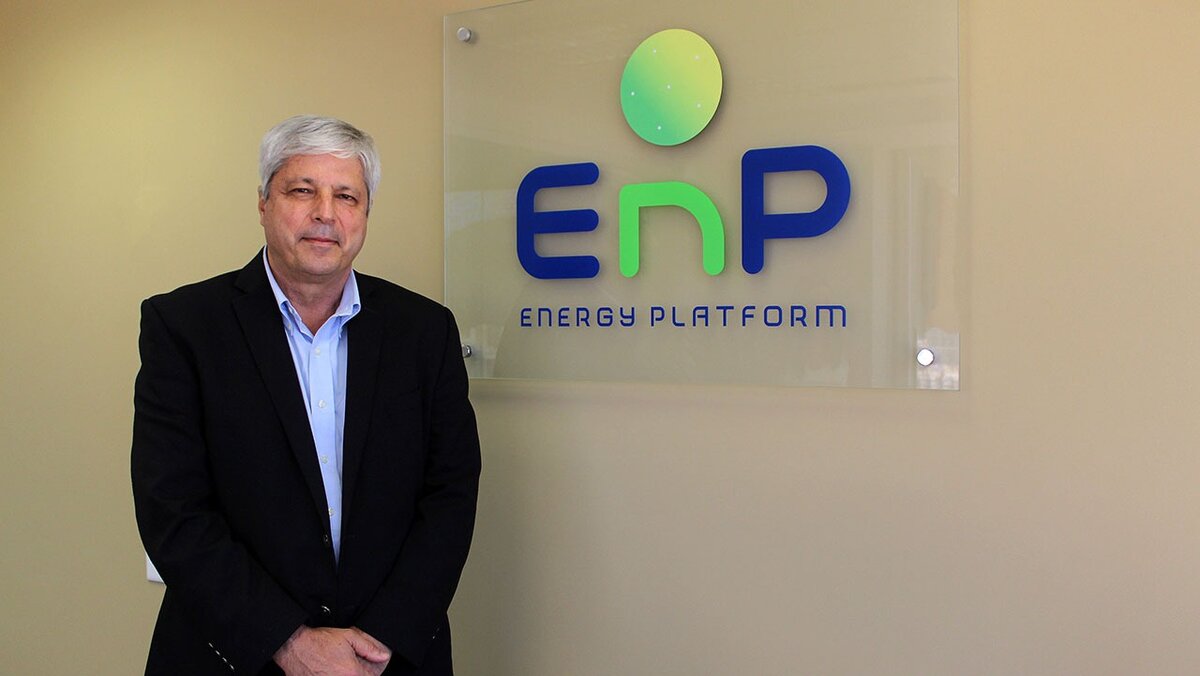
After the Announcement of the Sale Project of the Federal Shared Contracts on the Exploration of Offshore Oil for the Private Initiative, Circulating Now in the National Congress, the President of EnP Energy, Márcio Felix, Criticized the Initiative and Stated That It Is Dangerous.
The Federal Government Presented a Project for the Sale of the Federal Shared Contracts on Offshore Oil Last Thursday (09/06), and the Proposal Is Already Generating Debates in the Brazilian Oil and Gas Sector. Thus, the President of EnP Energy, Márcio Felix, Commented on the Government’s Proposal and Stated That This Is a Risky and Dangerous Decision for the Future of the National Fuel Market.
Sale Project of the Federal Shared Contracts on Offshore Oil, Presented by the Federal Government, May Be Risky for the National Market
With the New Proposal for the Sale of the Federal Shared Contracts to the Management of the Private Initiative on Offshore Oil, the Ministries of Mines and Energy and Economy Estimated a Potential Revenue of R$ 398.4 Billion with the Cession of Public Rights over the Oil. However, Despite Appearing to Be a Beneficial Decision for the National Market, Several Sector Specialists Are Criticizing the Government’s Project.
The Main Concern of the Sector Regarding the Project Is About the Security of the Concession, Given That There Are Many Doubts About the Willingness of Investors to Disburse Hundreds of Billions Now, Which Will Only Be Recovered in the Medium and Long Term.
-
Robots already operate oil rigs without humans, connect pipelines on their own, and inspect platforms in the dark, and the world’s largest drilling company plans to cut 75% of the crew at each well.

-
In the 1970s, oil became a weapon of war and paralyzed the entire world, and now the same thing is happening again with Iran closing off the route for 20% of the planet’s fuel.

-
When oil prices rise, the gas station increases prices the next day, but when it drops by 13% at once, no one explains why gasoline remains at the same price for months.

-
The largest fuel distributor in Brazil has just been forced to import diesel and gasoline on its own after Petrobras reduced its monthly deliveries.

This Is Because the Forecast Is That the Process of Selling the Federal Shared Contracts Will Be Established for a Period of 35 Years, In Addition to the Need to Legally Renegotiate All 19 Contracts Established with 15 Oil Companies Currently Operating in Offshore Exploration.
Another Factor Criticized by Sector Specialists, as Well as the President of EnP Energy, Is the Instability in the Values of the Oil Shared Contracts. Since the Value of These Contracts Depends on Factors Such as the Amount of Oil Extracted, the Price of the Barrel, and the Dollar Exchange Rate, Which Can Change from One Day to the Next.
Thus, There Would Be a Fluctuation in the Prices of the Federal Contracts, Causing a Series of Uncertainties for Companies That Might Consider Buying This Share.
President of EnP Energy Says That Selling the Shared Contracts Is Tempting, but Revenues May Not Be Enough to Cover Business Risks
The Former Secretary of Oil, Natural Gas, and Biofuels of the MME, Márcio Felix, Now President of EnP Energy, Shared His Opinion as a Specialist on the Sale Project of Offshore Oil from the Federal Government and Stated That It Is Indeed a Tempting Offer Regarding the Monetary Revenue That May Occur.
However, He Warned About the Dangers of the Proposal and Stated That There Is Difficulty in Establishing a Minimum Price When All Factors Involved Are Considered.
The President of EnP Energy Continued to Reveal His Criticisms and Doubts About the Federal Government’s Project: “It Is Very Difficult to Sell a Future Down the Line. [The Contract] Does Not Have This Liquidity at All. What Price Will the Regulatory Bodies Accept? [How to Buy] Without Knowing What Will Happen to Brazil? Will He Assume the Risk of a Very Large Amount?”
In Addition to the President of EnP Energy, Several Other Specialists, Such as Professor Edmar Almeida from the PUC-Rio Energy Institute, Affirm That This Is a Quite Dangerous Strategy Due to the Uncertainties and Hope That the Project Will Not Be Approved by the National Congress in the Coming Weeks.








Seja o primeiro a reagir!