





 Portuguese
  English
  Spanish
  2 min of reading
  0 comments


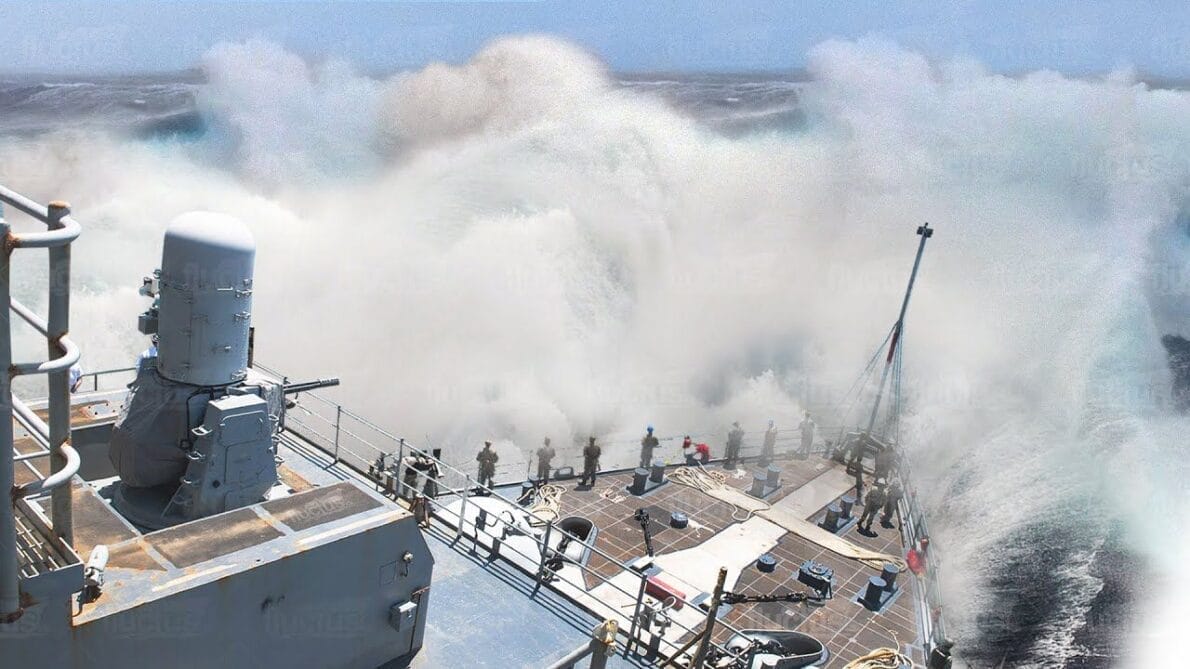
The US Navy Developed Special Techniques To Ensure That Its Ships Remain Safe During Storms At Sea, Facing High Winds And Giant Waves.
At sea, conditions can change rapidly, turning a calm day into a fierce storm. The US Navy has specific methods to ensure that its ships withstand these forces of nature, completing their missions safely.
The US Navy’s warships are designed to withstand high-speed winds and waves up to 30 feet high. Three main elements help these ships endure storms: design, materials, and maintenance.
Naval Engineers Design Ships According To Stringent Naval And Military Construction Standards.
The static and dynamic stability of the ship is crucial to keep it steady in rough seas. The hulls of the ships are made of naval steel, known for its corrosion resistance and durability under operational loads.
-
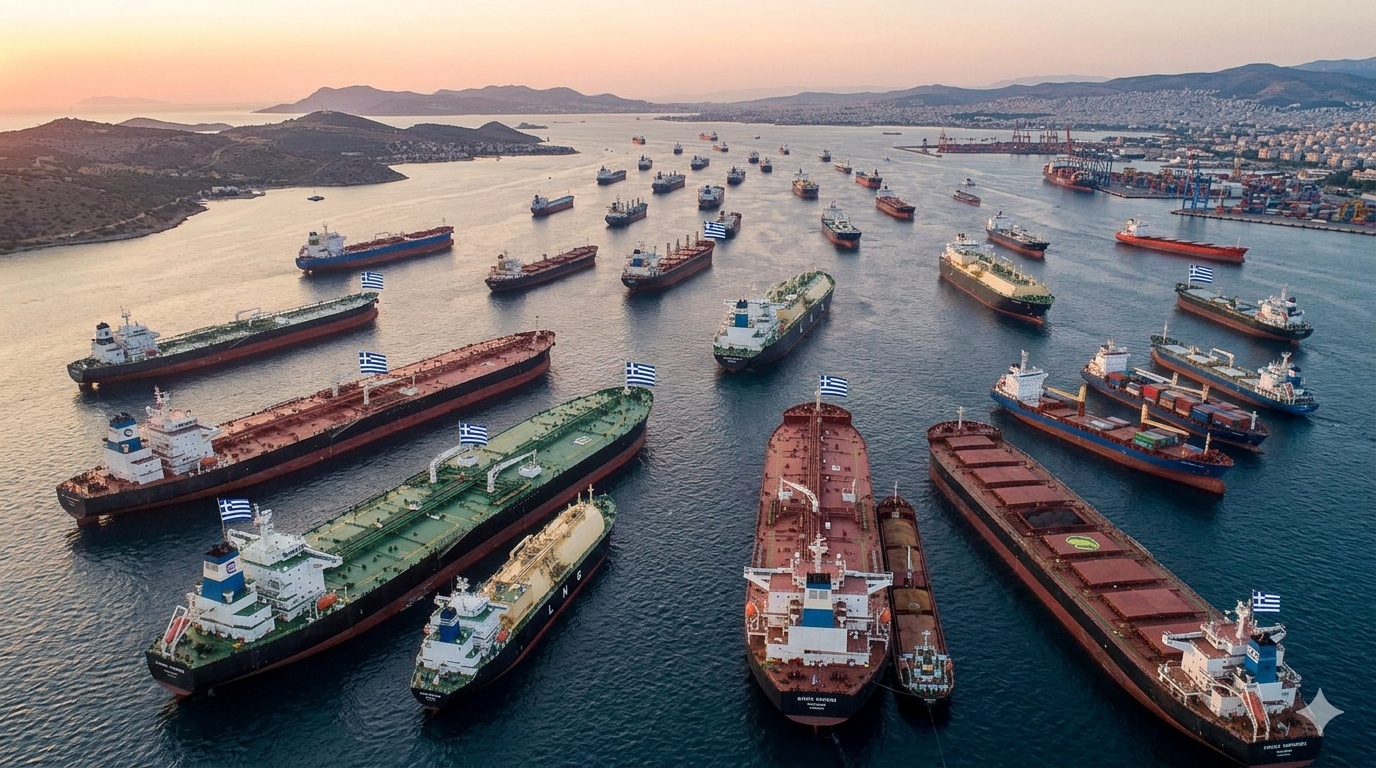
Neither the USA nor China: a small European nation has become one of the largest maritime powers on the planet, controlling one of the largest merchant fleets in the world with thousands of ships and dominating the global transportation of oil and strategic cargo.
-
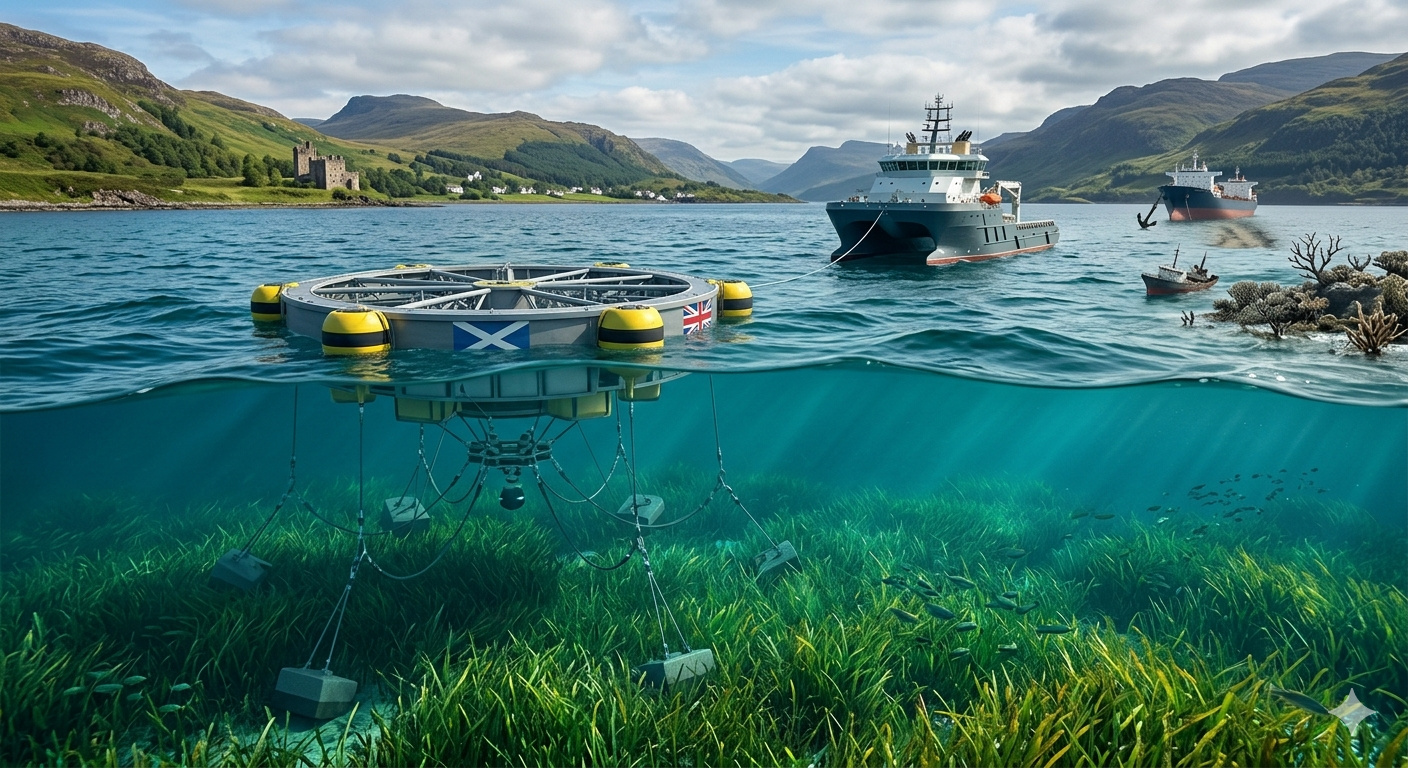
Scotland and the United Kingdom have created a new anchoring system that floats in the water without touching the seabed, after discovering that the current from a conventional anchor destroys up to 50 m² of seagrass meadow per event and that ship-damaged reefs showed no signs of recovery even ten years later.
-
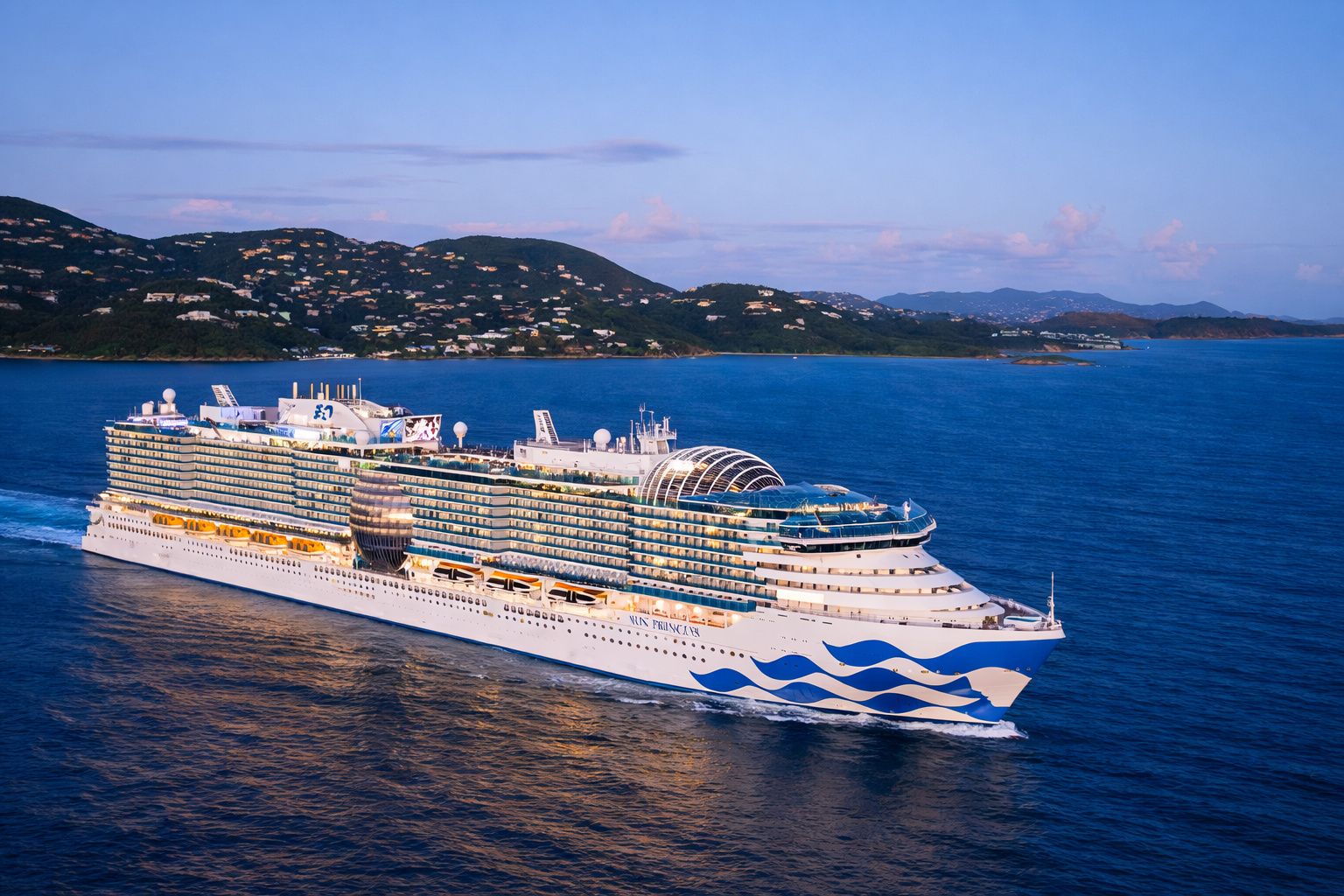
Weighing 175,500 Tons, Measuring 345 Meters Long, and With Capacity for Over 4,300 Passengers, the Sun Princess Becomes the Largest Ship Ever Built by Princess Cruises and Attracts Global Attention for Its Huge Glass Dome Inspired by Santorini’s Architecture Installed on Top of the Vessel
-
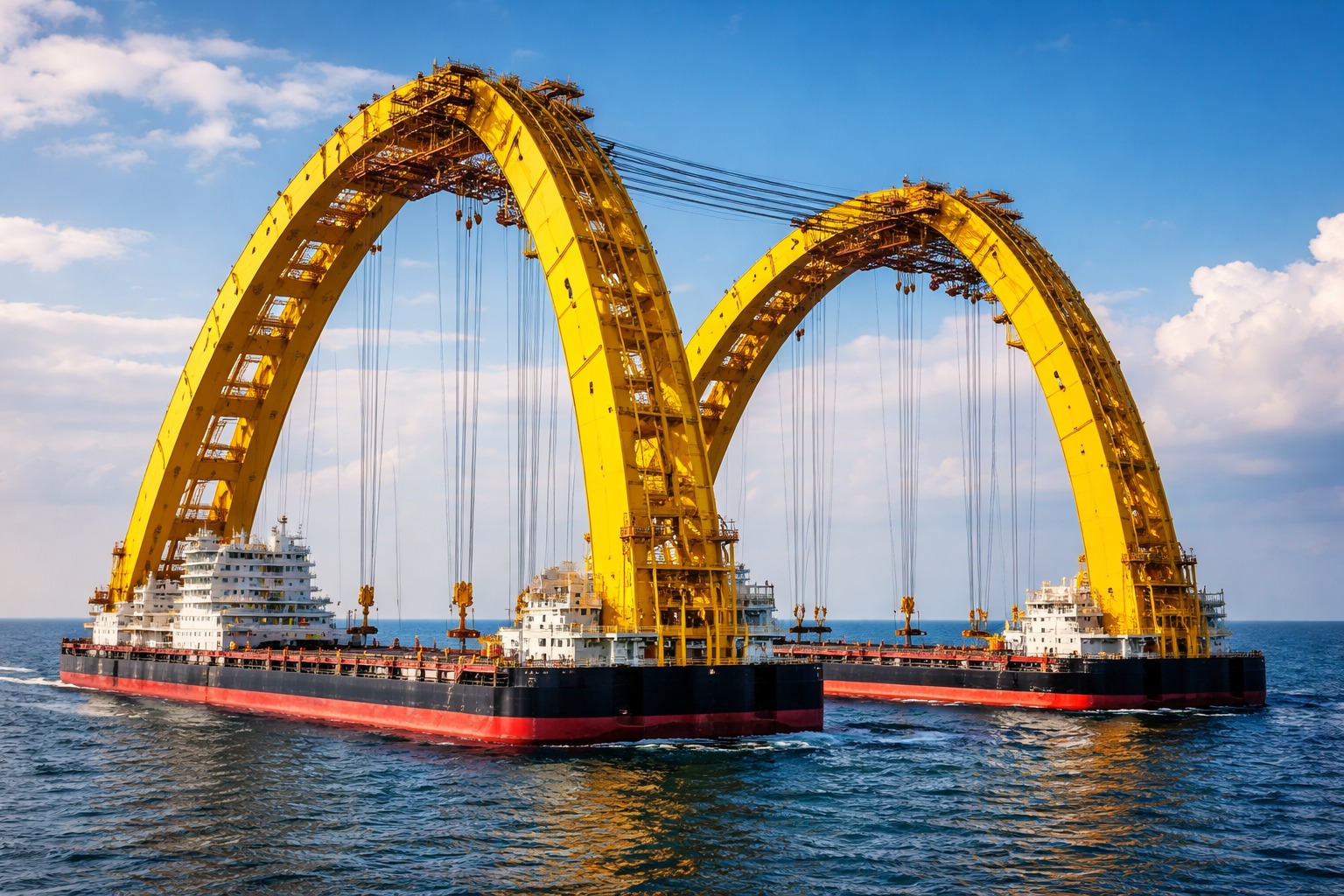
TX-10, The Colossus of The Sea: Largest Lifter Ship in The U.S., With Two Giant Barges, 73-Meter Tall Structure, and Strength to Raise 7,500 Tons of Sunken Oil Rigs

Naval steel is the preferred choice for building ship hulls due to its low cost and excellent weldability. Some modern ships also incorporate composite materials in their superstructures to improve strength and reduce weight.
Preventive Maintenance Is Performed Daily To Ensure That Ships Are Always Operational.
Procedures such as cleaning, visual inspections, and functional testing are essential. Every five years, the ships undergo a dry-docking procedure, which can cost millions of dollars, for more detailed inspections and repairs.
Before facing a storm, the US Navy ships receive detailed weather forecasts. This helps in decision-making about routes and maneuvers to minimize risks.
The US Navy Has The 53rd Weather Reconnaissance Squadron Of The Air Force, Known As “Hurricane Hunters.”
Hurricanes are some of the most dangerous storms at sea, with winds that can exceed 155 mph. They fly directly into the eyes of hurricanes to collect essential data, helping to predict the intensity and trajectory of storms.
The US Navy utilizes a combination of robust design, resilient materials, and rigorous maintenance to ensure that its ships can withstand severe storms at sea. These special techniques are vital to keeping crew safety and ensuring mission success, even under the most adverse conditions.










Seja o primeiro a reagir!